
ジンジー: 大手ブランドから信頼される一流のミッドエンドからハイエンドのシルバー/銅ジュエリー OEM 工場
導入
世界のジュエリー業界で, クラフトマンシップのバランスを保つ製造パートナーを見つける, スケーラビリティ, 柔軟性は簡単なことではない. 中級から高級のシルバーおよび銅製ジュエリーの製造を検討しているブランド向け, JINGYING という名前は信頼性の代名詞になりました, 品質, そしてイノベーション. 中国で最も多産な宝飾品製造拠点の一つに位置, JINGYING は、頼りになる OEM メーカーとして静かに評判を築いています。 (OEM) 世界で最も有名なブランドのいくつか. まだ, その規模と名声にもかかわらず, JINGYING は引き続き非常にアクセスしやすく、小ロットのカスタムオーダーをわずか 0 円から提供します。 50 作品. この記事では、JINGYING が大手ブランドに選ばれる理由を探ります。, 低MOQポリシーがどのように新進の設計者に力を与えるのか, そしてその広大な工場を直接訪問すると、ジュエリー生産の将来について何が明らかになりますか.
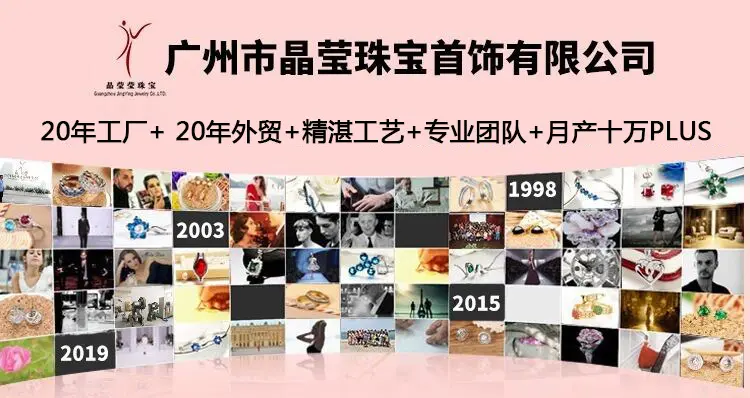
パート 1: JINGYING の台頭 – 地元の工場から業界の有力企業へ
1.1 中国の宝飾品の中心地でのささやかな始まり
JINGYING の物語は、20 年以上前、中国の宝飾品加工地域の中心で始まりました。, 「宝石の深セン」とも呼ばれます。小さな家族経営の作業場としてスタートしたものは、その後、50,000 平方メートルの最先端の施設に発展し、7 人以上の従業員を雇用しています。 800 熟練した職人, エンジニア, および品質管理の専門家. 同社の成長軌道は、世界の宝飾品生産拠点としての中国の台頭を反映しています。, しかしJINGYINGはニッチ分野に焦点を当てることで早くから頭角を現した: 中級から高級仕上げの銀と銅のジュエリー.
大量生産者が低コストで大量生産するのとは異なり、, 耐久度の低いアイテム, JINGYINGは精密鋳造に投資しました, エレクトロフォーミング, ヨーロッパのアトリエに匹敵する手仕上げの技術. 2010年代初頭までに, 工場はすでに中国国内の高級ブティックとの契約を獲得していた. による 2020, 顧客リストには国際的なファッションハウスも含まれていました, 消費者直販 (DTC) ジュエリーのスタートアップ, 美術館のギフトショップも.
1.2 「大手ブランドの秘密兵器」
宝飾業界関係者に、見た目も安っぽくもない銀銅製品を製造するのにどの工場をお勧めするか尋ねてください。, そして答えはたいてい JINGYING です. 主要ブランドが JINGYING を選ぶ主な理由は 3 つあります: 一貫性, 材料の純度, デザインの忠実性. 複雑な CAD 設計をミクロンレベルの精度で複製する工場の能力により、紙上のスケッチがわずか 5 日で物理的なプロトタイプになります。.
さらに, JINGYING の社内メッキ部門ではロジウムを提供しています, 金, パラジウム, 国際基準を超える変色防止仕上げ. 銅片用, この工場はヴィンテージを生み出す完璧な酸化と緑青の技術を持っています。, スチームパンク, またはオンデマンドでモダンなマット効果も. これらの能力により、JINGYING は数え切れないほどの成功を収めたジュエリー コレクションの背後にある見えざる手となりました。.
パート 2: 大手ブランドが JINGYING を信頼する理由 – 品質と規模の詳細
2.1 妥協のない材料調達
ジュエリー ブランドにとって最大のリスクの 1 つは、金属の品質が安定していないことです。. JINGYING は銀を調達することでこのリスクを排除します (925 スターリングと 990 上質な銀) そして銅 (レッドブラス, イエローブラス, ベリリウムフリー銅) ロンドン地金市場協会から直接 (LBMA)-認定された製油所. 各バッチは蛍光X線を使用してテストされます (XRF) 生産開始前に組成を検証する分析装置. これにより、工場から出荷されるすべての製品が EU などの市場の顕著な基準を満たしていることが保証されます。, 英国, そして米国.
ニッケルアレルギーや鉛含有量が気になるブランド向け, JINGYING は、ニッケルフリーおよび鉛に安全な配合を標準で提供しています. 工場では、リクエストに応じてサードパーティのラボレポートも提供します, ブランドに完全なトレーサビリティを提供する.
2.2 高度な製造能力
JINGYING の製造現場は、まるで現代のジュエリー製造の博物館のようです:
-
3D ワックス印刷 & 樹脂鋳造: 30 高解像度プリンターは、0.02mmの解像度でバーンアウト対応のパターンを生成します.
-
真空 & 遠心鋳造: それぞれ銀と銅の場合, 気泡のない状態を確保する, 緻密な鋳物.
-
CNCフライス加工 & スタンピング: 極度の再現性を必要とする大量の幾何学的設計またはコンポーネント向け.
-
レーザー溶接 & マイクロセッティング: 繊細なチェーンの組み立てや最小 0.8mm のストーンのセッティングに最適.
-
エレクトロフォーミング: 軽量でありながらボリュームのあるシルバーの作品に適しており、そうでなければ固体鋳造するには重すぎたり、高価すぎたりする可能性があります。.
この技術兵器により、JINGYING はミニマリストのスタッキング リングから精巧なカフ ブレスレットに至るまであらゆるものを製造することができます。, ペンダントネックレス, イヤリング, カフスボタン, 薬箱やコンパクトミラーのような小さな空洞も.
2.3 品質管理: 12-点検査システム
大手ブランドは多孔性を理由に返品できない, 弱い関節, またはメッキ不良. JINGYING の QC プロセスには以下が含まれます 12 必須のチェックポイント:
-
合金の検証 (XRF)
-
ワックスパターン検査
-
投資バブルチェック
-
鋳造密度 (超音波)
-
表面気孔率の視覚化
-
関節強度 (引っ張りテスト)
-
石の設定セキュリティ
-
研磨均一性
-
メッキの厚さ (再びXRF)
-
抵抗性を傷つけます (塩水噴霧)
-
摩耗試験 (日常使用のシミュレーション)
-
最終的な梱包の完全性
1 つのチェックポイントでも不合格になった作品は拒否され、リサイクルされます. その結果、不良率が以下であることが文書化されています。 0.3% シルバー以下のアイテムの場合 0.5% 銅の場合、数分の1のコストでスイスやイタリアの競合他社に匹敵する数字.
パート 3: 型破り – 小バッチのカスタマイズ 50 作品
3.1 業界のMOQ問題
伝統的に, ジュエリー工場では最低注文数量が必要です (Moqs) の 500 に 5,000 デザインごとのピース. これにより新興ブランドは在庫への過剰投資を余儀なくされる, テストされていない設計に賭ける, またはカスタム製造を完全に放棄してジェネリック卸売を選択する. JINGYING はこの問題点を早期に認識し、戦略的な決定を下しました: 障壁を下げる.
以来 2018, JINGYING は、わずか 1 円からの小ロットのカスタマイズを提供しています。 50 デザインごとのピース. これは、大手ブランドにサービスを提供するこの規模の工場ではほとんど前例のないことです。. どうやって経済的に機能させるのか? スマートモジュラーツールを通じて, 共有キャスティングツリー, 効率的にスケールダウンする自動仕上げプロセス. 銅製品の場合, MOQは最低でも可能です 30 シンプルなデザインのアイテム.
3.2 JINGYING における「カスタマイズ」の本当の意味
JINGYINGが「カスタム」と言うと、,「完全なクリエイティブコントロールを意味します」:
-
オリジナルデザイン: あなたのCAD, STL, または 3DM ファイル, または社内デザイナーがスケッチやムードボードから作成することもできます.
-
材料の選択: から選択します 8 シルバーのグレードと 12 銅合金, リサイクルオプションを含む.
-
表面仕上げ: ハイポリッシュ, マット, ブラシ, サンドブラスト, 酸化, 緑青化した, ツートンカラー, または部分めっき.
-
石の設定: キュービックジルコニア, 研究室で育てられた宝石, 天然石 (リクエストに応じて), またはエナメルインレー.
-
ブランディング: ロゴのレーザー彫刻, シリアル番号, 作品内のQRコードも.
-
パッケージング: カスタムポーチ, ボックス, またはあなたのブランドのカード, ドロップシップ準備完了.
工場は、大量生産の前に承認のために最大 3 つの物理サンプルを提供します. サンプルの承認から納品までの所要時間 500 作品の発送には通常 15 ~ 20 営業日かかります.
3.3 ケーススタディ: スタートアップが JINGYING の低 MOQ を利用して立ち上げを成功させた方法
ブランド: ルネ & 株式会社, 天体をテーマにした銅製品に焦点を当てた米国を拠点とする DTC ジュエリー ブランド.
挑戦: 必要です 12 固有の SKU (イヤリング, ネックレス, リング) しかし資本が限られていた. 伝統的な工場に求められるもの 500 SKUごと = 6,000 最小単位.
解決策: ジンインは受け入れました 50 SKUあたりの個数, 合計 600 ユニット.
結果: ルネ & コ. で発売されました $18,000 代わりに在庫にある $180,000. ベストセラーのリングは 6 か月以内に 3 回再注文されました. 創設者はジュエリーインサイダーに語った: 「JINGYINGの低いMOQがなければ, 私ならコンセプト段階から離れることはなかったでしょう。」
パート 4: 工場見学 ~「大規模検証工場」の正体~
4.1 第一印象: 尊重されるサイズ
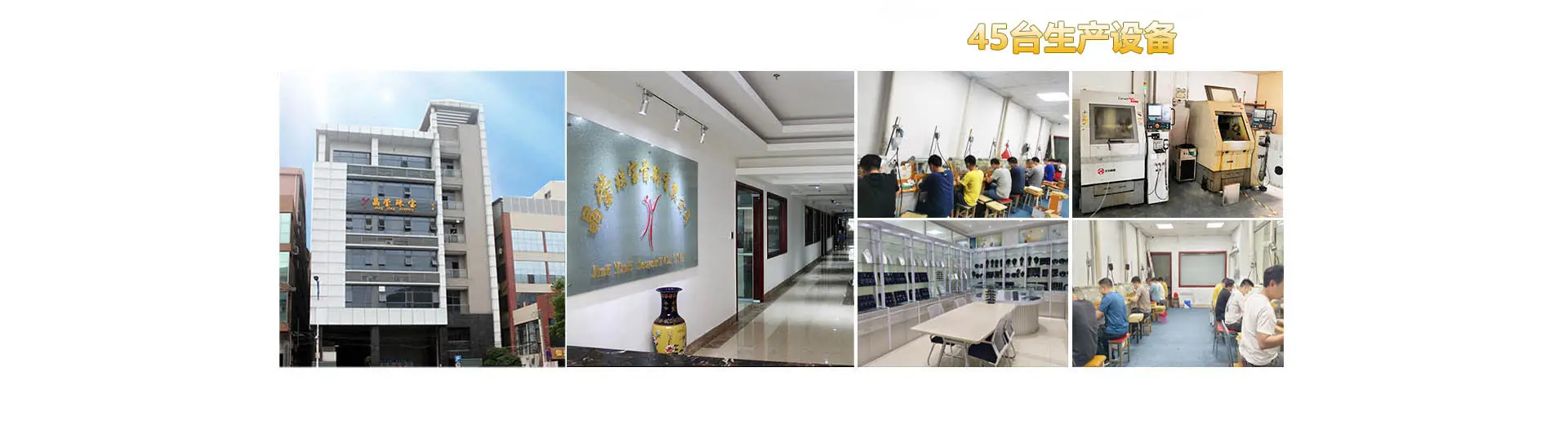
著者が広東省にあるJINGYINGのメインキャンパスを訪れたときのこと, 最初に驚いたのはそのスケールでした. 工場は工業団地全域を占めています, 鋳造用に別の建物を設置, メッキ, 石の設定, 組み立て, そして倉庫保管. 専用のR&Dセンターが離れて立つ, スタッフが配置されている 45 新しい合金の開発に取り組むエンジニア, 仕上げのテクニック, および自動化ソリューション.
生産が混沌としている小さな工房とは異なります, JINGYING は無駄のない製造原則に基づいて運営されています. すべてのワークステーションにはラベルが付けられています, すべてのツールがシャドウボード化されている, すべての従業員はスキル認定レベルを示す色分けされたユニフォームを着用しています. 床はピカピカです, 金属粉塵を除去する空気濾過システムを備えており、これは労働者の健康と製品品質の両方を尊重する表れです。.
4.2 生産ラインを歩く
私のガイド, オペレーションディレクターMs. チェン, 銀の原石からネックレスの完成までの全プロセスを説明してくれました。.
ステップ 1 - デザイン & プロトタイピング
CAD室にて, デザイナーは、ヨーロッパのファッション ブランドの秋コレクションの 3D モデルを表示するスクリーンに取り組みました. 彼らの隣に, 樹脂製3Dプリンターのハミング, 鋳造するワックスツリーを生産する 200 同じペンダントを一度に.
ステップ 2 – キャスティング
キャスティングホールが一番騒がしかった, 真空機械がシューシュー音を立て、窯が950℃でオレンジ色に光る. MS. Chen 氏は、JINGYING は複雑な部品にはロストワックス鋳造を、より単純な形状には型打ちの両方を使用していると説明しました。. 「銅の場合」, ガスの多孔性を防ぐために、フラスコをより長く予熱します。,」と彼女は指摘した.
ステップ 3 – 仕上げ
研磨旋盤が並ぶ, タンブリングバレル, 磁気仕上げ装置は粗い鋳物を鏡のような表面に変えます. 別の部屋では緑青処理、つまり銅片を硫黄の肝臓溶液に浸してアンティークブラックを実現しました。, 青緑, または赤茶色の緑青. 作業員が高い場所にある緑青を手で磨き、ツートーン効果を生み出しているのを見ました, 自動化が不可能なプロセス.
ステップ 4 – メッキ
電気めっきラインは最も制限されたエリアでした. ガラス窓越しに, ロジウム溶液の樽の中でペンダントが回転しているのを見ました. 「私たちが使っているのは、 0.5 銀に対するロジウムのミクロン - 業界標準の 2 倍," MS. チェンは言いました. 「だからこそ、私たちの作品は何年も変色しにくいのです。」
ステップ 5 - 品質 & パッケージング
最後のQC室には、 20 拡大鏡の下の検査官. 各ピースの重さを量りました, 測定された, そして視覚的にスキャンされた. 不合格品はリサイクルのために赤い箱に入れられました. 承認された製品は梱包に移されます, カスタムブランドのボックスが待っている場所.
4.3 検証: 工場を「検証済み」にするもの
多くの工場は「大規模」であると主張しています。,」しかし、JINGYINGは検証可能な証拠を提供します:
-
ISO 9001:2015 (品質管理) そして ISO 14001:2015 (環境マネジメント) 認定.
-
Sedex SMETA 監査 (4-矢印) 倫理的な労働慣行のために.
-
RJC (責任あるジュエリー評議会) 実践規範の認証.
-
オープンブックポリシー: クライアントはいつでも抜き打ち監査をスケジュールできます.
私の訪問中, リアルタイムの生産指標を表示するボードと、従業員の苦情と解決日をリストする別のボードに気づきました。これは中国の製造業ではまれなレベルの透明性です。. この工場では太陽電池パネルアレイも稼働しています。 30% エネルギー需要の, という目標を持って 70% による 2027.
パート 5: 「ソースファクトリー」の利点 – ほぼすべての設計が可能な理由
5.1 「それはできない」という神話
JINGYING が最も繰り返したフレーズの 1 つは次のとおりです。: 「描けるなら, 私たちはおそらくそれを達成できるでしょう。」この自信は、数十年にわたって蓄積されたツールとプロセスの知識から生まれています。. 長年にわたって, 工場では、以上の内部ライブラリが構築されています 15,000 鋳造金型, スタンピングダイス, そして仕上げ治具. 新しい設計にカスタム ツールが必要な場合でも, JINGYING の社内金型工場では 3 ~ 5 日で生産可能.
彼らが日常的に生み出す「難しい」デザインの例:
-
内部にガラガラが動く中空のシルバービーズ – 精密な電鋳と組み立てが必要.
-
隠しバネ蝶番が付いた銅製バングル – 厳しい公差と熱処理が必要.
-
チェーンマイユ風イヤリング 100+ インターロッキングリング – 自動リング作成と手動組み立て.
-
ツートンカラーのシルバーと銅のインレイリング – 別個の鋳造と圧入アセンブリによって実現.
-
実際に型押しされたテクスチャーのある「ハンマー」仕上げ – 変動のない一貫したパターン.
5.2 複雑なリクエストの処理: 実際の例
英国のブランドが JINGYING に挑戦的なリクエストを持ちかけました: 人間の臼歯のような形をした銅のペンダント, 軽量化のために中空にする, NFCチップ用の隠しコンパートメント付き, 外側は18Kローズゴールドメッキ、内側はマットブラックルテニウム. おお, そして彼らはそれを以下の価格で望んでいた $8 単位当たり 200 作品.
ほとんどの工場は笑うだろう. JINGYING のエンジニアは 2 週間かけてソリューションを開発しました: 歯形はロストワックス鋳造, 中空キャビティを作成するためのシリコンコア, 別途機械加工されたねじ山クロージャ, その後、めっき中に選択的にマスキングします. 最終的な単価: $7.40. その後、同ブランドは4回の再注文を行った.
5.3 標準合金を超えた材料革新
ほとんどの工場は次のことに固執していますが、 925 シルバーとベーシックな真鍮, JINGYINGは積極的に実験を行っています:
-
アルゲンチウム® シルバー (変色しにくいスターリング)
-
北欧のゴールド (銅-アルミニウム-亜鉛-錫合金, 低刺激性)
-
Shakudo® (緑青用の日本製銅金合金)
-
リサイクルされた銀 & 銅 (100% 使用済み, 認定)
-
バイメタルシート (コスト削減のために銅コアに銀を接着)
サステナビリティの認証を求めているブランド向け, JINGYING はリサイクル材料の保管管理文書を提供できます.
第 6 部: 実践ガイド – JINGYING の使い方
6.1 はじめる: 最小値, 価格設定, とタイムライン
-
Moq: 50 シルバーのデザインあたりの個数; 50 銅用 (30 非常にシンプルなデザインの場合)
-
サンプル料金: $50– デザインごとに 150 ドル (以上の注文で返金可能 500 作品)
-
サンプルのリードタイム: 7–10営業日
-
生産リードタイム: 15–50~500個の場合は20営業日; 25–500~2,000個の場合は30日
-
価格例 (2025 見積もり, FOB深セン):
-
シンプルなシルバーリング (4g): $3.20–$4.50
-
銅製ペンダント (8g): $2.10 - $ 3.00
-
シルバーフープイヤリング (ペア, 6合計g): $4.80–$6.50
-
銅カフブレスレット (15g): $3.50–$5.00
-
-
配送: JINGYING が DHL と提携, フェデックス, そして貨物運送業者. 少量の注文は航空便で発送します (3–5日), 海上からの大量注文 (20–30日).
6.2 コミュニケーション & 言語
工場には英語に堪能な専任の国際販売チームがいます, 複雑な議論には技術翻訳者が対応します. すべての引用, 請求書, QCレポートは英語と中国語の両方で提供されます. クライアントは制作中に毎週写真/ビデオの更新を受け取ります.
6.3 知的財産の保護
大手ブランドはデザインの盗用を懸念. JINGYING は厳格な NDA に署名し、ブランドのコレクションの完全なデザイン プロセスを誰一人として見ることができない、区画化された生産システムを運用しています。. ハイリスク設計向け, 顧客は生産後にすべての型とワックスパターンの破壊を要求できます, ビデオによる文書化.
6.4 工場見学
JINGYINGは真剣な潜在顧客の訪問を奨励します. 工場は位置しています 45 深セン宝安国際空港から数分. ビジターパッケージには以下が含まれます:
-
すべての製造部門を巡る半日ツアー
-
設計をレビューするためのエンジニアリング チームとのミーティング
-
キャスティングを目撃するオプション
-
工場の社員食堂で昼食 (驚くほど美味しい広東料理)
-
以上の注文の場合、リクエストに応じて空港までの往復送迎 $10,000
パート 7: 未来 – 進化するジュエリー業界におけるJINGYINGの役割
7.1 オンショアリング vs. オフショアリング: なぜ中国は依然として勝てるのか
製造業の西側への回帰が話題になっているにもかかわらず, JINGYING は西洋の工場ではできないものを提供しているため、成長を続けています: 品質を犠牲にすることなくコスト効率を高める. イタリアや米国の同等の工場では、同じ銀製品の価格が 3 ~ 5 倍になるでしょう。. その間, インドや東南アジアの低価格競合他社は、JINGYING の品質の一貫性と設計の柔軟性に欠けています。. JINGYINGが占める「スイートスポット」(アクセス可能なMOQでミッドエンドからハイエンド)は依然として中国独自のものである.
7.2 サステナビリティへの取り組み
JINGYING はめっきラインのクローズドループ水処理に多額の投資を行っています, リサイクル 95% すすぎ水の. この工場では、銀を回収する銀回収システムも稼働しています。 99.7% 研磨ダストや使用済み投資に含まれる銀粒子の除去. による 2026, 彼らはスコープのカーボンニュートラルを目指しています 1 そして 2 排出量.
7.3 次世代のジュエリー ブランドに力を与える
JINGYING が実現する最もエキサイティングなトレンドはマイクロブランドの台頭です. 50 個の MOQ 付き, デザイナーは新しいコレクションをわずかな費用でテストできます $500 生産コストの中で. デザインが売り切れの場合, 彼らは並べ替えます 200 作品. 失敗したら, 彼らは少額の投資しかしていない. 在庫リスクに対するこの無駄のないアプローチは、ジュエリー ブランドの立ち上げと拡大の方法に革命をもたらしています.
結論: JINGYING はあなたのブランドに適していますか?
あなたがジュエリー ブランドなら、フォーチュンかどうか 500 会社や個人の創業者が空いている寝室で仕事をしている場合、中級から高級の銀や銅の製品が必要です。, JINGYINGは真剣に見てみる価値がある. この工場は、大手ブランドが必要とする規模と品質管理と、新興ブランドが必要とする柔軟性と低いMOQを組み合わせています。. 個人訪問により、認定が示唆する内容を確認します: これは大きいです, プロ, ほぼすべての設計を物理的な現実に変えることができる検証済みの動作.
「何でも」約束しながら多孔性を提供する工場にうんざりしているブランド向け, 変色する, と言い訳, JINGYING は新鮮な代替品を提供します. 彼らのモットー, 「私たちはあなたが想像するものを作ります,「」は単なるマーケティングではなく、何千もの成功したコレクションによって証明された生産哲学です, ニューヨーク ファッション ウィークのランウェイから Etsy のベストセラー リストまで.
見積もりを依頼するには, 工場訪問のスケジュールを立てる, または単に技術的な質問をしてください, JINGYING の国際チームにお問い合わせください。 [公式メールアドレス] またはウェブサイト経由で. 覚えて: 素晴らしいジュエリーは素晴らしい工場から始まります. JINGYING は、あなたのものを構築するのを待っています。 50 作品.