
青い視線の彼方に: JINGYINGのカスタムメイド邪眼チャームネックレス完全ガイド
導入: 古代のお守りと現代のものづくりの交差点
邪眼は人類の歴史の中で最も古く、最も普遍的なシンボルの1つです. 地中海から中東までの文化を網羅, ラテンアメリカからアジアへ, ナザール - 濃い青色の同心円, 水色, 白, そして黒は、悪意のある視線やネガティブなエネルギーから静かに守る役割を果たします。. 何千年もの間, このシンボルはガラスでレンダリングされています, ペイント, そして粘土. 今日, 高級ジュエリーのルネッサンスを経験しています .
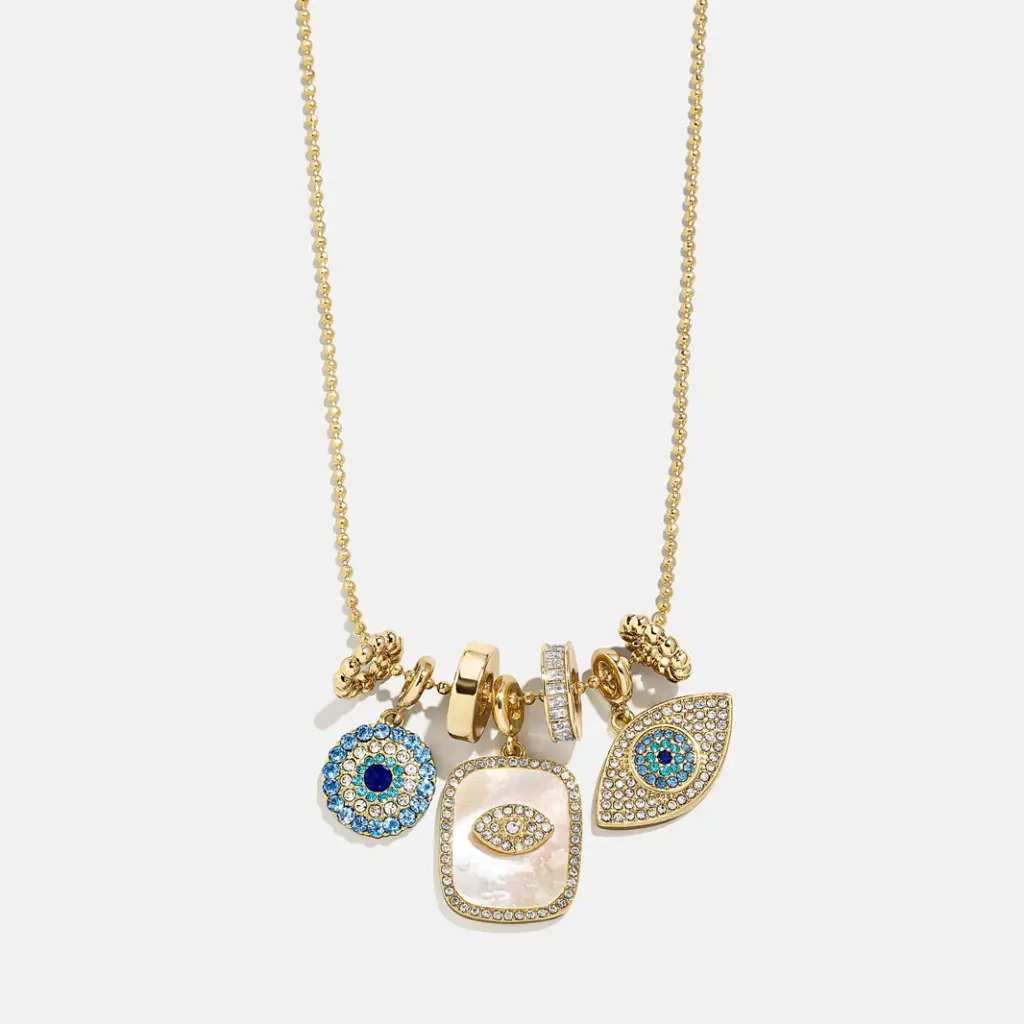
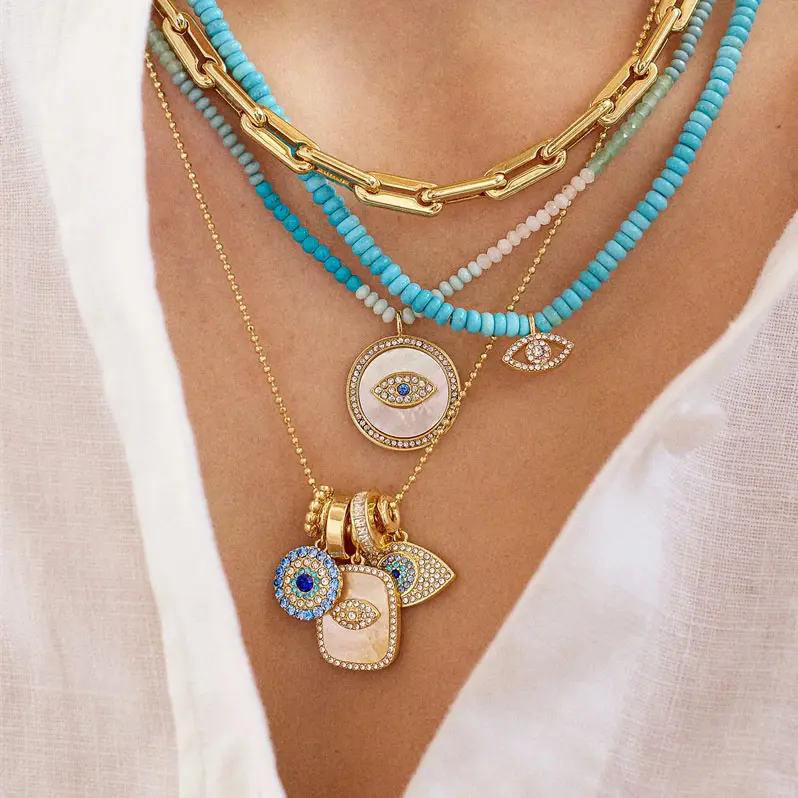
現代のジュエリー市場において, 邪眼はもはや単なる迷信ではない; それはファッションステートメントです, マインドフルネスの象徴, 世界中のブランドのベストセラー SKU. しかし, デザイナー向け, 起業家, および小売業者, 一般的な邪眼のアイテムをカタログから調達するだけでは不十分です. 現代の消費者の本物志向とパーソナライゼーションへの欲求を捉える, カスタム ソリューションが必要です.
京英に入る (Jingying Jewelry または Chingying Jewelry とも呼ばれます). 20年以上にわたって, JINGYING は自らを最高のワンストップメーカーとして位置付けています, 特に真鍮とシルバーのカスタムジュエリー部門を独占 . しかし、どうやって邪眼のような文化的アイコンを独自のものに変えることができるのでしょうか。, 上質なチャームネックレス?
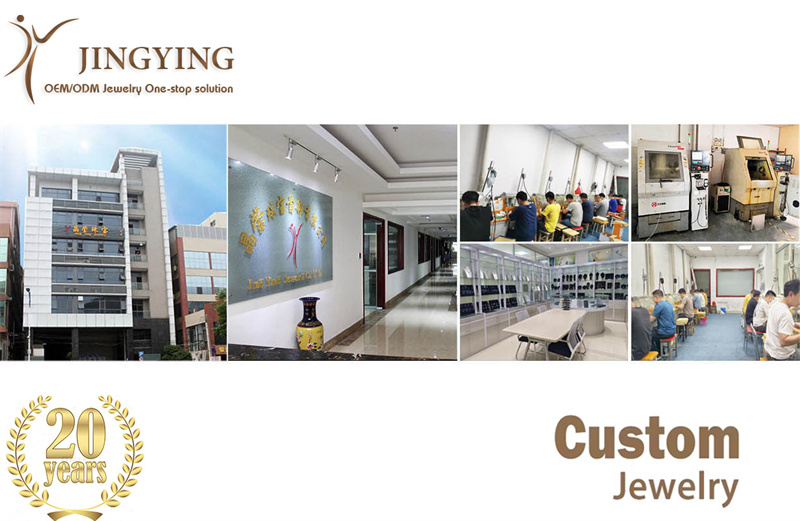
このガイドでは、JINGYING を使用したカスタム製造のマスタークラスを提供します. 最初の精神的なインスピレーションから最終的な磨きに至るまで、デザイン入力を含むワークフローを詳しく分析します。, 物質科学, 石留めの技術, そして品質保証. あなたが最初のコレクションを探している新興企業であっても、生産を拡大する確立されたブランドであっても, これは完璧なカスタム邪眼チャームネックレスを作成するための青写真です.
章 1: JINGYING の利点を理解する
一本の線をスケッチする前に, 製造エコシステムを理解する必要がある. JINGYINGは単なる金属を打ち抜く工場ではありません; ソリューションプロバイダーです. 同社は垂直統合モデルで運営されている, と呼ばれることが多い "ワンストップサービス" .
垂直統合されたワークフロー
伝統的なジュエリー制作において, ブランドはCADデザイナーと連携する必要がある, 独立したキャスター, ストーンセッター, ポリッシャー, そしてプラッター. この断片化により通信エラーが発生します, 配送の遅れ, およびコストの値上げ. JINGYING はこれらの変数を排除します.
JINGYINGと一緒に仕事をするとき, すべてのフェーズは 1 つ屋根の下で行われます:
-
デザイン & CAD: 社内アーティストがスケッチを改良します.
-
プロトタイピング: 高解像度 3D プリンターでワックス/樹脂モデルを作成.
-
鋳造: 貴金属を使用したロストワックス鋳造.
-
設定: 熟練の石留め (舗装する, ベゼル, プロング).
-
仕上げ: 研磨, メッキ (金, ロジウム, ブラックロジウム), そして酸化.
-
パッケージング: カスタムブランドボックス .
シルバーと真鍮の専門分野
多くのメーカーは金のみに焦点を当てていますが、, JINGYING は以下の点でその名声を築き上げてきました。 925 スターリングシルバー そして高品質 真鍮. これはEvil Eye市場にとって重要です. 『The Evil Eye』は大ボリュームです, 中価格帯の商品が多い. シルバーが提供するのは、 "ホワイトメタル" プラチナ値札なしの高級感, 一方、真鍮は厚手の金メッキを施した手頃な価格のファッションジュエリーを可能にします。 (朱色調). 彼らのサプライチェーンは、 92.5% 純銀は国際規格への準拠を保証します (ニッケルフリー, リードフリー, 低刺激性) .
The "邪眼" 専門知識
重要なことに, JINGYING はこの特定のモチーフに関して確かな実績を持っています. ケーススタディにより、JINGYING が大量の注文を処理したことが明らかになりました, のような 35,000 日本のクライアント向けにカスタム Evil Eye シルバー ブレスレット . このボリュームは、Evil Eye デザインの特定の課題を習得していることを示しています。: 色の同心円状の配置, の曲率 "目" 小さなお守りに, エナメルまたは石の象嵌の耐久性.
章 2: 邪眼のデザイン言語
カスタムの邪眼チャームを作成することは、象徴的なミニマリズムの実践です. デザインは小さめです, 通常、直径または高さは11mmから18mmの間です . したがって, あらゆるミクロンが重要.
魅力の構造
標準の邪眼チャームは、いくつかの異なるゾーンで構成されています:
-
外環: 通常は白または黄色の金属 (シルバー/ゴールド).
-
最初のアイリス: 伝統的に濃い青.
-
2番目のアイリス: ライトブルーまたはターコイズ.
-
生徒: 黒または紺色.
-
The "眉" / アクセント: 多くの場合、眉やまぶたを表す目の上の曲線, または装飾的な CZ 石.
JINGYING によるカスタマイズ変数
従来のアパートに限定されません, 塗装ガラスナザール. JINGYING の機能の使用, すべての変数を変更できます:
1. ジオメトリ (形)
-
ラウンド: 古典的なナザール.
-
ティアドロップ: 垂れ目のような形, 首を伸ばすこと.
-
心臓: 愛と保護の融合, アジア市場で人気 .
-
スネーク/コイル: 目に巻きつく蛇, 知恵と再生を象徴する .
2. カラーパレット (エナメル & 石)
-
伝統的: コバルトブルー, 白, 黒.
-
モダンな: パステルピンク, ラベンダー, エメラルドグリーン, または "カメレオン" 色の変化.
-
モノクロ: ミニマリスト向けのオールブラックまたはオールホワイトのCZ, ゴシック調の外観.
3. テクスチャ (フィニッシュ)
-
高ポリッシュ: 光の反射を最大限に高める鏡面仕上げ.
-
マット/サテン: モダンで繊細な起毛感のある外観.
-
ハンマー: 職人, 光を異なる方法で拡散する凹凸のあるテクスチャー .
マントラ/バックプレート機能
保護ジュエリーの最も強いトレンドの 1 つは、 "マントラバック。" JINGYINGではチャームの裏側にレーザー彫刻を施しております。 . 正面は目を表示しながら, 背面に刻印することができます:
-
"私は導かれています"
-
"手紙" (と書かれていました)
-
"私を守ってください"
-
特定の日付またはイニシャル
これにより、ジュエリーに物語のレイヤーが追加されます, アクセサリーからパーソナルアンカーに変身します。.
章 3: 入力: スケッチから 3D モデルへ
どうやって始めますか? JINGYING は 3 つの主要な入力形式を受け入れます .
1. 写真 (The "再構築")
シナリオ: あなたは博物館でビンテージの邪眼コインを見ました, または、お気に入りの特定のテクスチャの写真がある場合.
プロセス: JINGYING のデザイン チームが写真のプロポーションとテクスチャを分析します。. 彼らはコピーしません (知的財産権の侵害を避けるために), しかし彼らは 解釈する. 彼らは、 "雰囲気"—まぶたの曲線や酸化の特定の色合い—を元の 3D ファイルとして再構築します.
に最適です: ムードボードとハイコンセプトな作品.
2. 手のスケッチ (The "青写真")
シナリオ: 中央に点、下に涙型の形をした大まかな円を描きます。.
プロセス: JINGYING の CAD エンジニアはここで生計を立てています. 2D ラインを 3D ボリュームに変換します. 彼らは決定しなければなりません:
-
肉厚: スケッチに非常に細いエッジが表示されている場合, エンジニアは、鋳造中の破損を防ぐために、それを0.8mm〜1.2mmに厚くします。.
-
抜き勾配角度: チャームを型から外せるようにする.
-
人間工学: 保釈はされますか (チェーンが取り付けられるループ) 装着時に目が前を向くように正しい角度で座ってください。?
3. 3D ファイル (The "ダイレクトパス")
シナリオ: あなたは RhinoGold または Matrix のスキルを持つデザイナーです.
プロセス: .STL または .OBJ ファイルを送信する. JINGYINGは "製造のための設計" (DFM) 分析. 彼らは次のことをチェックします "非多様体エッジ" (金属に穴を開けるデジタルエラー) 石の設定が宝石のサイズに対して数学的に正しいことを確認します . これが本番環境への最速ルートです.
章 4: 材料の錬金術
デジタルデザインが承認されたら, 物理的な創造が始まります. 素材の選択がネックレスの価格と寿命を左右します。.
ベースメタル: スターリングシルバー (925)
邪眼のために, 925 スターリングシルバーはゴールドスタンダードです . で構成されています 92.5% 純銀と 7.5% 銅 (硬さ用).
-
長所: 輝くような白い光沢, 低刺激性, 高い本質的価値.
-
カスタマイズ: JINGYINGは生の銀のままにしておくことができます (自然に変色してアンティークな雰囲気になります) または皿に盛る.
プレート: Vermeil vs. スタンダードゴールドプレート
金の邪眼が欲しいなら, あなたには選択肢があります:
-
標準金メッキ: シルバー/真鍮の上に金の薄い層. 費用対効果は高いが、時間の経過とともに摩耗する可能性がある.
-
Vermeil (厚板): 少なくとも 2.5 スターリングシルバーの上に数ミクロンの金を重ねたもの. 毎日の着用に耐える高級中級製品です。 .
-
ローズゴールド & ブラックロジウム: ローズゴールドがヴィンテージ感を演出. ブラックロジウムメッキがドラマチックを演出, 鮮やかな色のエナメルの目のためのゴシック背景.
The "目": エナメル vs. 宝石
虹彩の青色はどうやって作るのですか?
-
ハードエナメル (七宝焼き): ガラス粉末を窯で高温で焼成します。. 滑らかに溶けていきます, 硝子体表面. 傷がつきにくく永久的です. JINGYING は EU/米国の安全基準に準拠するために鉛フリーのエナメルを使用しています .
-
軟質エポキシ樹脂: 風邪, プラスチックのような樹脂. 安いけど耐久性が低い (時間が経つと黄ばむ).
-
ジェムストーン パヴェ (CZ/サファイア): ペイントの代わりに, 青 "虹彩" パヴェセットされた小さなキュービックジルコニアまたはラボで作成されたサファイアで作られています. 瞳は一粒ブラックスピネル. これにより、 "ダイヤモンドアイ" 強烈に輝くエフェクト .
章 5: 製造の旅 (ステップバイステップ)
これは、JINGYING 工場を通るカスタムの Evil Eye チャームの物理的な旅です .
ステップ 1: ワックスツリー (プロトタイピング)
承認された 3D ファイルが SLA 3D プリンターに送信されます. 魅力の高解像度レジンモデルをプリント. このレジンモデルには、 "スプルーベース" (ゴム製漏斗) ワックスツリーを作成するには. このツリーを使用すると、複数のチャームを一度にキャストできます.
ステップ 2: 投資 & 燃え尽き症候群
ワックスツリーをフラスコに入れ、「ワックスツリー」と呼ばれる石膏のようなスラリーで満たします。 投資. フラスコを窯で750℃まで加熱します (1382°F). ワックスや樹脂が燃えてしまう, 石膏の中にあなたのEvil Eyeチャームの完璧なネガティブキャビティを残します.
ステップ 3: 鋳造
溶融 925 銀 (~1000℃まで加熱) 遠心分離機または真空を使用して熱いフラスコに注入されます. その力が銀を小さな空洞に押し込みます。, まぶたの細部と留め穴のキャプチャ.
ステップ 4: デザイン & 切断
高圧ウォータージェットで石膏を剥がす. 銀の木が姿を現す. チャームは超硬鋸で木から切り取られます. この段階では, チャームは灰色に見えます, 粗い, そして小さなものを持っています "スプルー" (金属が流入したナブ).
ステップ 5: 仕上げ部門 (職人のステージ)
これが最も重要な段階です. 生の鋳物はベンチジュエラーに送られます.
-
タンブリング: チャームはスチールショットが入った振動タンブラーに入れられます。. これで表面が滑らかになります.
-
研削: 宝石商はマイクロモーターを使用して、チャームの本体と同じ高さのスプルーを研磨します。.
-
研磨: 作品は研磨ホイールとルージュコンパウンドを使用してバフ研磨され、光沢が増します。.
ステップ 6: 設定 (CZを使用する場合)
あなたの邪眼が虹彩にキュービックジルコニア石を使用している場合, セッターが介入する.
-
パヴェセッティング: セッターは小さなノミを使って、CZ ストーンの端に銀の突起を押し込みます。, 所定の位置にロックする .
-
ベゼル設定: 石の端には銀の細片が巻き付けられ、滑らかな仕上がりになっています。, 現代の境界線.
ステップ 7: エナメル塗布 (色)
ハードエナメルを選んだ場合, 魅力は "カラリスト。" エナメルパウダーは (水と混ぜた) チャームの凹んだ部分に注入されます. チャームは約850℃で焼成されます. エナメルが溶ける, 銀と融合する, そして少し縮みます. このプロセスが繰り返される 3-4 銀の壁と完全に同じ高さにくぼみを埋めるのに数回.
ステップ 8: メッキ
完成したシルバーチャームを電気メッキ浴に浸します。. ゴールドの作品であれば, 銀はすぐに黄色に変わります.
ステップ 9: 品質管理検査
チャームは顕微鏡でチェックされます.
-
エナメルにピンホールはありますか? (拒否する)
-
CZ石が緩んでいませんか?? (拒否する)
-
メッキの色は均一ですか?? (拒否する)
章 6: ネックレスの組み立て
チャームはチェーンなしでは意味がありません. JINGYING は広範なチェーンのカスタマイズを提供します .
イビルアイのチェーン選択
-
シンガポールチェーン: 平らなスパイラルリンク. とてもキラキラしています. デリケートに最適, フェミニンな邪眼ペンダント.
-
ケーブルチェーン: 古典的な, ラウンドリンクチェーン. 耐久性があり、手頃な価格.
-
スネークチェーン: 滑らかな, 滑らかな表面. イビルアイチャームが引っかかることなく綺麗にスライドできます。.
-
ロープチェーン: ツイストテクスチャ. 分厚いを与える, 大胆な外観.
クラスプの革新
日本市場, 高品質で知られる, Evil Eye アイテムには特定の留め金が必要です .
-
ロブスタークラスプ: 重量のあるペンダントの標準.
-
マグネットクラスプ: 使いやすい; ファッションジュエリーとして人気.
-
セーフティチェーン: クラスプに取り付けられた補助的な小さなチェーン. メインクラスプが故障した場合, ネックレスは落ちない. これはハイエンドのカスタム製造の特徴です.
章 7: 品質管理と7つのチェックリスト
JINGYINGは出荷前に厳格な7点検査システムを採用しています。 .
-
金属重量の検証: 1.45gのチャームは実際に1.45gですか?? (シルバーの価格は重量で決まります; 精度は利益です).
-
石の気密性試験: CZはありますか "ガラガラ"? はいの場合, 輸送中に落ちてしまいます.
-
表面欠陥検査: 傷, 気孔率 (金属の中の小さな気泡), または粗いエッジ.
-
クラスプ機能テスト: ロブスタークラスプは開閉する必要があります 50 妨害なしのテスト回数.
-
めっきの密着性: テープテスト. 金が剥げるのか?
-
エナメル質の完全性: 表面は平らですか? ひび割れなし?
-
最終的な審美的レビュー: 承認されたサンプルのように見えますか?
章 8: ビジネスワークフロー (リードタイム & Moq)
起業家向け, 実用性が重要.
最小注文数量 (Moq)
JINGYINGはメーカーです, 小売店ではありません.
-
高度な複雑性 (エナメル + CZ + ゴールドプレート): MOQはおそらく 100-300 作品.
-
低複雑性 (シンプルなシルバースタンプ): MOQは可能です 50-100 作品.
-
量産: まで対応します 50,000 単位を簡単に .
リードタイム
-
CAD & サンプルの承認: 5-7 日 (レンダリング用) .
-
物理プロトタイプ (ワックス・レジン): 7-10 日.
-
生産 (入金後): 25-35 日 .
-
配送 (DDP/FOB): 5-10 場所による日数.
価格設定の要因
カスタム邪眼ネックレスの価格は次のとおりです。:
-
銀重量: 魅力が濃ければ濃いほど, 銀のコストが高くなるほど.
-
労働: 手動設定 100 CZストーンには何時間もかかります. 琺瑯は熟練した職人が必要.
-
メッキ: Vermeil (2.5 ミクロン) 標準的なフラッシュメッキよりもコストがかかります.
章 9: ケーススタディ – 日本の成功
機能を説明するには, 日本からの35,000台の注文を検討してください . クライアントが望んでいたのは、 "ポジティブなエネルギー" ブレスレット.
-
チャレンジ: 青い虹彩が正確な色合いであることを確認します。 "日本の藍" ブランドブックで必須とされている.
-
解決: 作成されたジンジー 10 青色顔料の比率を変えたエナメルサンプルプレート. 彼らは自然光の下で承認を受けるためにこれらの物理的なカラーチップを東京に発送しました.
-
結果: カラーが承認されたら, JINGYING は自動エナメル塗布機を使用しました (ベース用) そして手仕上げ (生徒のために) 届ける 35,000 不良率が以下の同一ユニット 0.5%.
章 10: The "ハウツー" まとめ
JINGYING で邪眼チャーム ネックレスをカスタマイズするには, これらに従ってください 5 ステップ:
-
USPを定義する: 特定のツイストを決定する. ですか? 蛇に包まれた 目? a ハート型 目? a マントラ 背中に? 参考画像を用意してください.
-
京英に連絡する: 公式チャンネルを通じて連絡を取る (Kingjy.com または Chingying-jewelry.com). セールスエンジニアを依頼する, 具体的に言及する "カスタム邪眼チャームプロジェクト。"
-
テックパックを送信する: スケッチを送信してください, 写真, または3Dファイル. 素材を指定してください (925 銀 / 真鍮), メッキ (銀 / 14Kゴールド / ロジウム), そしてカラーメソッド (エナメル / CZパヴェ).
-
プロトタイプの承認: 3D レンダリングが送信されます, それから物理的なサンプル. 物理サンプルをスキップしないでください. 一日着てください. クラスプをテストする. エナメルに鋭いエッジがないか確認してください.
-
サイン & 規模: 承認する "黄金のサンプル。" 製造契約に署名します. デポジット 30-50% 前もって. 待って 25-35 日. ブランドを受け取る, カスタム邪眼コレクション.
結論
邪眼は鎖上のビーズ以上のものです; それは感情です, 祈り, 心の近くに身に着ける芸術作品. ペースの速い宝飾品小売の世界, ジェネリック在庫は価格競争につながる. カスタム製造がブランドロイヤルティにつながる.
JINGYING は工業的な精度と職人の魂の間に稀有な架け橋を提供します. カスタム Evil Eye ネックレスのワンストップ サービスを活用することで、, 金属やエナメルを買うだけではありません. 調整にかかる時間を節約できます 10 さまざまなベンダー. あなたは一貫性を購入しています 10,000 ユニット. そして最終的には, 世界中のどこにも存在しない保護を顧客に提供できる能力を買うことになります。.
邪眼の視線は固定される. ジンジーで, 表示される内容を正確に制御できるようになりました.