
JINGYINGで14Kゴールドのカスタムネームプレートネックレスを製造する方法
14K ゴールドのカスタム ネームプレート ネックレスの製造は、芸術性を融合させた洗練されたプロセスです, 工学的精度, そして高度な製造技術. ジンジーで, 職人技とカスタマイズ能力で知られるプロのジュエリーメーカー, 各作品はコンセプトから完成品に至るまで慎重に管理されたプロセスを経ます. この記事では包括的な内容を提供します, 14K ゴールドのカスタム ネームプレート ネックレスの作成方法を段階的に説明します。, 技術的なプロセスを強調する, 品質基準, そして職人技が関わっている.
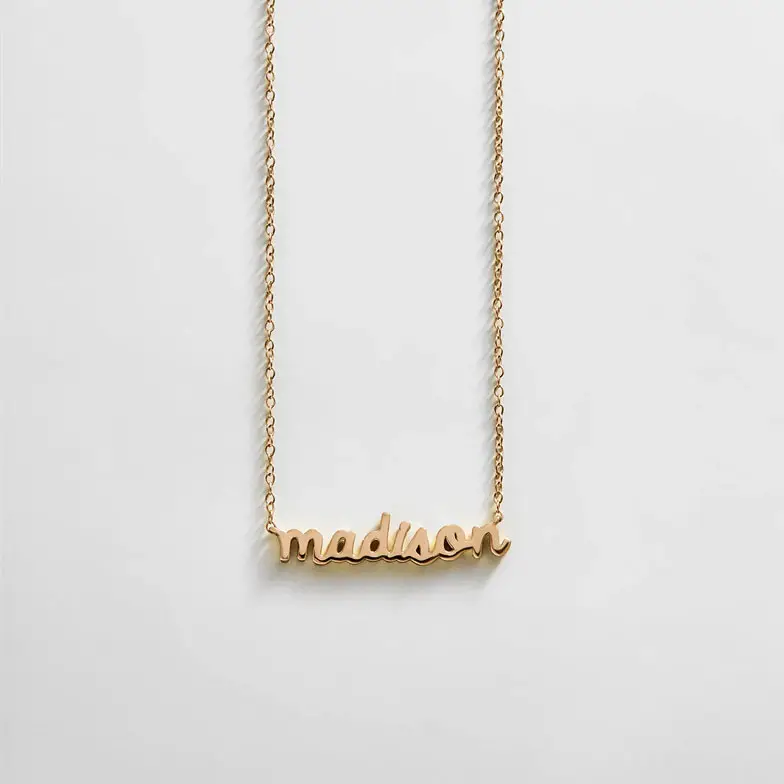
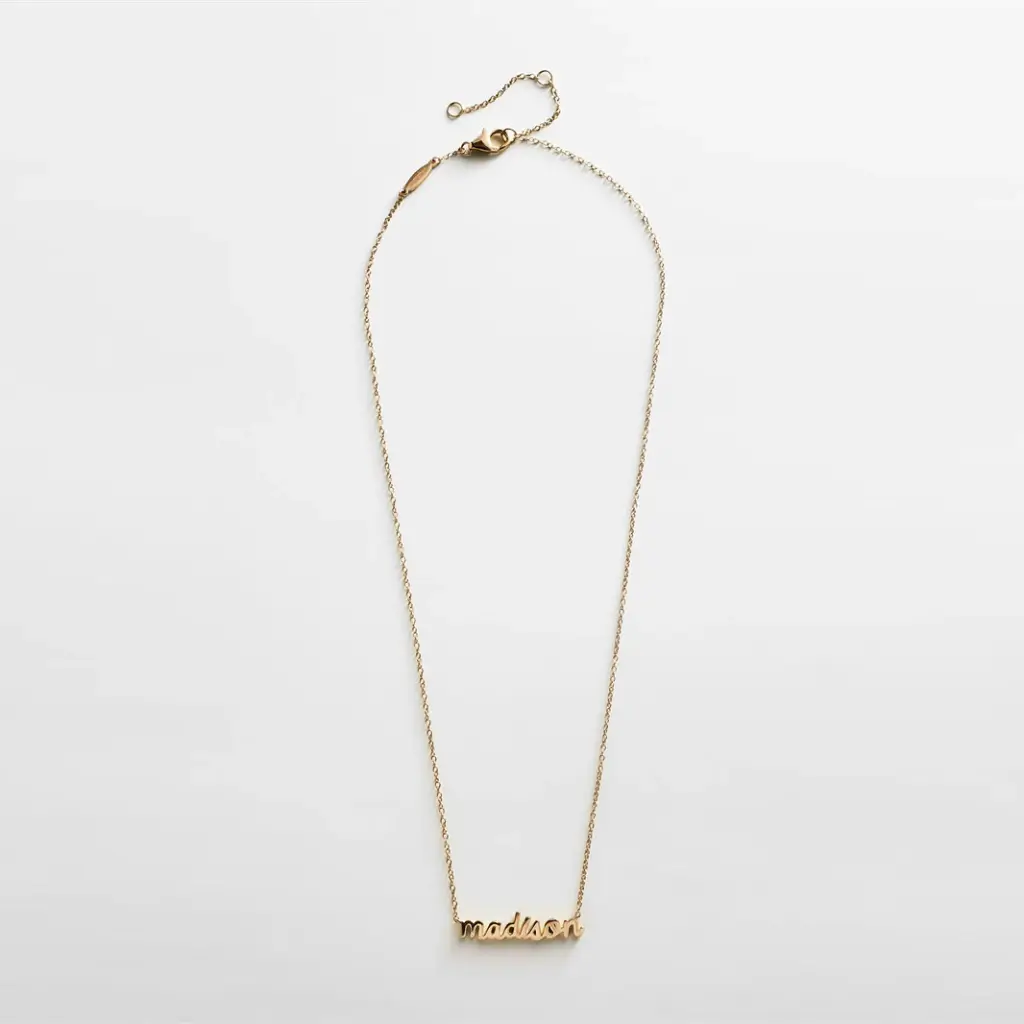
1. コンセプト開発とデザイン
プロセスはお客様のアイデアから始まります. カスタムネームプレートネックレスは本質的に個人的なものです。名前が付いている場合もあります, イニシャル, 意味のある言葉, または特定のフォントで定型化されたスクリプトでも.
ジンジーで, 設計段階では通常、次のことが行われます。:
- クライアント相談: 顧客は名前などの詳細を提供します, 好みのフォントスタイル (例えば。, 筆記体, ブロック, ゴシック), サイズ, 厚さ, ダイヤモンドやシンボルなどの追加の装飾.
- CADデザイン: デザイナーはコンピューター支援デザインを使用します (CAD) ネックレスの正確な 3D モデルを作成するソフトウェア. このデジタル モデルにより、正確な測定と視覚的なプレビューが可能になります。.
- レンダリングの承認: リアルなレンダリングが生成され、承認のために顧客と共有されます. デザインが期待どおりになるまで調整が行われます.
この段階は製造プロセス全体の基礎を築くため、非常に重要です。. 設計の正確さと明確さにより、後の段階でのエラーが少なくなります.
2. 材料の選択: 14K ゴールドを理解する
製造が始まる前に, 材料を準備しなければなりません. 14Kゴールドの構成成分は、 58.5% 純金と 41.5% 銅などの合金金属, 銀, 亜鉛, またはニッケル. これらの合金は耐久性を高め、色に影響を与えます。 (黄色, 白, またはローズゴールド).
ジンジーで:
- 金の純度検証: 原材料は14K基準を満たしていることを確認するためにテストされています.
- 合金の混合: 金属は慎重に測定され、一貫した組成を実現するために一緒に溶解されます。.
- 色のカスタマイズ: 合金比率を調整することで、さまざまなゴールドの色合いが生まれます。.
結果は耐久性のあるものになります, ゴールドの高級感を保ちながら、デイリーユースに適したウェアラブルメタル.
3. ワックスモデルの作成
設計が確定したら, 物理モデルを作成する必要がある. 通常、これはワックスを使用して行われます:
- 3D 印刷または CNC フライス加工: CAD デザインは高精度の機械を使用してワックスモデルに変換されます。.
- 細部の精度: ワックスモデルにはあらゆる曲線が含まれています, 手紙, ネックレスのデザイン要素.
- 検査: 技術者はワックスモデルに欠陥や歪みがないか検査します。.
ワックスモデルは後で鋳造用の型を作成するために使用されるため、このステップは不可欠です。.
4. 金型作り (インベストメント鋳造の準備)
次に、ワックスモデルを使用して、インベストメント鋳造として知られるプロセスを通じて金型を作成します。:
- ジャンプ: ワックスモデルはワックスの「ツリー」構造に取り付けられており、溶融金属が型に流れ込むことができます。.
- 投資: 木は金属製のフラスコに入れられ、石膏のような埋没材で覆われます。.
- 燃え尽き症候群: フラスコを窯で加熱します, ワックスが溶けて燃えてしまいます, ネックレスの形に中空の空洞を残す.
このプロセスにより、デザインの最も細かい部分も金型に確実に保存されます。.
5. ゴールドキャスティング
鋳造は製造プロセスの中で最も重要な段階の 1 つです:
- ゴールドを溶かす: 準備した14K金合金を炉内で加熱して溶融状態にします。.
- 注ぐまたは真空注型: 溶融金は真空または遠心力の下で金型に注がれ、または射出され、完全に充填されます。.
- 冷却: 金型を冷却して固化させます.
冷やしたら, 埋没材は取り除かれ、生の金の鋳造物が現れます。.
6. 洗浄と切断
キャスト後:
- デザイン: ウォータージェットまたは機械工具を使用して石膏型を取り外します。.
- 木からの切り出し: 個々の部品は鋳造木から切り出されます.
- 初期洗浄: 酸浴または超音波洗浄器で酸化物と残留物を除去します。.
この段階では, ネックレスが最終形に近づき始める, しかし、それでも大幅な改良が必要です.
7. ヤスリがけと前研磨
生の鋳物には、粗いエッジなどの小さな欠陥が含まれることがよくあります。, 縫い目, または余分な金属:
- ハンドファイリング: 熟練した職人がヤスリを使ってエッジを滑らかにし、形状を洗練します。.
- 研削: 均一な表面を実現するために回転ツールが使用されます.
- 事前磨き: さらなる仕上げに備えて作品を軽く研磨します.
この工程には精度と職人技が要求されます, 過度のヤスリがけはデザインを変える可能性があるため、.
8. 組み立て (該当する場合)
一部のカスタムネームプレートネックレスには複数のコンポーネントが含まれています:
- チェーンアタッチメント: ネームプレートをチェーンに接続するために丸カンまたはループをはんだ付けします。.
- ストーンセッティングの準備: 宝石が含まれている場合, この段階で設定が準備されます.
はんだ付けは、目に見える跡が残ったり、構造が弱くなったりしないように、慎重に行う必要があります。.
9. 石の設定 (オプション)
デザインにダイヤモンドやその他の宝石が含まれている場合:
- 石の選択: 石はサイズに基づいて選択されます, 明確さ, そして品質.
- セッティングテクニック: 一般的な方法にはプロングセッティングが含まれます, パヴェセッティング, またはベゼル設定.
- 安全な配置: 耐久性と位置合わせを確保するために、各石は手作業でセッティングされています。.
このステップにより、ネックレスに価値と視覚的な魅力が加わります。.
10. 最終的な研磨
研磨すると光沢のある完成品になります。:
- バフ掛け: 異なる配合の研磨砥石を使用し、鏡面仕上げを実現.
- 細部の研磨: 文字や曲線の周りの複雑な部分を小さなツールで磨きます.
- 表面検査: 傷やくすみがないかチェックされます.
高品質のポリッシュが14Kゴールドの輝きを高め、職人技を際立たせます。.
11. メッキ (必要な場合)
デザインによっては:
- ロジウムメッキ: 輝きを高め、変色を防ぐためにホワイトゴールドに適用されることが多い.
- ゴールドメッキ: 色を強めたり、特定の仕上がりを実現するために使用されることもあります.
- 厚さの制御: 耐久性を高めるためにメッキ層を注意深く管理.
めっきにより、最終的な美しさが顧客の期待を満たすことが保証されます.
12. 品質管理
品質保証はJINGYINGの製造プロセスの特徴です:
- 寸法チェック: 測定値は元の CAD 設計に対して検証されます.
- 構造的完全性: ネックレスの強度と耐久性はテストされています.
- 目視検査: 専門家が部品を拡大して検査し、欠陥を検出します.
厳しい品質基準をクリアしたものだけが次の段階へ進みます。.
13. 洗浄と梱包
出荷前:
- 超音波クリーニング: 残っている研磨剤や残留物を除去します。.
- 最終検査: ネックレスが完璧であることを保証します.
- パッケージング: ネックレスは保護的で魅力的なパッケージに入れられています, ブランディングでカスタマイズされることが多い.
この最後のステップにより、製品が新品の状態で届くことが保証されます。.
14. 物流と配送
JINGYING は効率的な配送をコーディネートします:
- 安全な配送: パッケージは損傷を防ぐために慎重に扱われます.
- ドキュメント: 真正性の証明書または素材の詳細が含まれる場合があります.
- カスタマーサポート: 追跡とアフターサービスで顧客満足を保証します.
15. 持続可能性と倫理的配慮
現代のジュエリー製造では持続可能性がますます重視されています:
- 責任ある調達: 金と宝石は倫理的に調達されています.
- 廃棄物の削減: リサイクルプロセスにより材料廃棄物を最小限に抑える.
- エネルギー効率: 先進的な設備で環境負荷を低減.
JINGYING はこれらの実践を統合して世界標準に適合させます.
結論
JINGYING での 14K ゴールドのカスタム ネームプレート ネックレスの製造は、高度な技術と伝統的な職人技を組み合わせた細心の注意を払ったプロセスです. 初期デザインから最終仕上げまで, 各ステップは正確かつ慎重に実行されます. その結果、顧客のアイデンティティを反映するだけでなく、品質も体現したパーソナライズされたジュエリーが生まれます。, 耐久性, そして芸術的な卓越性.
この詳細なプロセスは、カスタム ジュエリーが依然として高く評価されている理由を浮き彫りにします。: すべての作品が物語を語ります, 生産のあらゆる段階がその独自性を生み出します.