
Zargarlik buyumlarini ishga tushirish: Vakuumli elektrokaplama va boshqalar. Suvli elektrokaplama - bu rangsizlanishni oldini oladi?
Agar siz zargarlik sanoatiga kirishni rejalashtirmoqchi bo'lsangiz, ulgurji bo'ladimi, transchegaraviy elektron tijorat, yoki o'z dizayn brendingizni yaratish, Siz muqarrar ravishda duch keladigan bitta savol bor: elektr tarmog'iga oid.
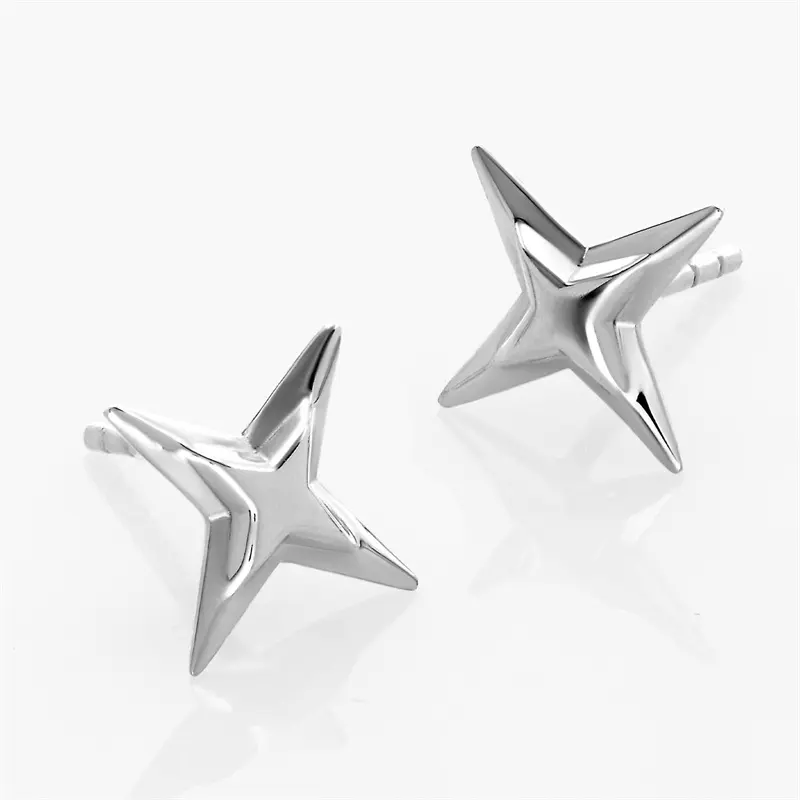
Ko'pgina yangi tadbirkorlar birinchi mahsulot partiyasini sotganidan so'ng qisqa vaqt ichida mijozlar fikrini oladilar - "U bir oydan kamroq vaqt ichida so'nib qoldi," "Marjon qora rangga aylandi," "Sirg'alar tozalandi"... O'ndan to'qqiz marta, bu muammolar elektrokaplama jarayonidan kelib chiqadi.
Zargarlik buyumlarini qayta ishlash sanoatida, ikkita eng keng tarqalgan elektrokaplama usuli - vakuumli elektrokaplama va suv bilan qoplangan elektrokaplama. Ularning orasidagi farqlar qanday? Qaysi biri rangni yaxshiroq saqlaydi? Tadbirkor sifatida, qanday tanlash kerak? Ushbu maqola buni aniq tushuntiradi.
Men. Avval, tushunish: Elektrokaplama nima? Nima uchun zargarlik buyumlari elektrolizlangan bo'lishi kerak??
Shunchaki kiying, eng arzon zargarlik buyumlari misdan foydalanadi, qotishmalar, yoki asosiy material sifatida kumush. Ushbu materiallar oksidlanishga va rangsizlanishga moyil, yoki ularning ranglari juda jozibali emas. Elektrokaplama qimmatbaho metallning yupqa qatlamini, masalan, oltinni qo'llashni o'z ichiga oladi, Rose Gold, yoki platina - zargarlik buyumlari yuzasiga, uning ko'rinishini yaxshilash va oksidlanishni kechiktirish.
Shu sababli, elektrokaplama sifati sizning zargarlik buyumlaringiz qancha vaqt davomida chiroyli bo'lib qolishini bevosita aniqlaydi.
Ii. Vakuumli elektrokaplama: A "Kiyim-kechak" Yuqori harorat va bosim ostidagi jarayon
Vakuumli elektrokaplama printsipi: Vakuumli muhitda, metall yoki kimyoviy materiallar yuqori haroratlarda gazga bug'lanadi va keyin zargarlik buyumlari yuzasiga yotqiziladi.. Butun jarayon yopiq vakuumli kamerada yakunlanadi.
Sizning tavsifingizdan, Siz aytayotgan vakuumli elektrokaplama keng tarqalgan turdagi ko'rinadi "taqlid oltin qoplama" yoki "rangli plyonka qoplamasi"- yuqori harorat va bosim ostida rang berish uchun kimyoviy suyuqliklardan foydalanish, oltin yoki kumush kabi qimmatbaho metallarsiz.
Vakuumli elektrokaplamaning xususiyatlari:
Qimmatbaho metall tarkibi yo'q - bu uning suv bilan qoplangan elektrokaplama o'rtasidagi eng asosiy farqidir. Chunki uning tarkibida oltin yo‘q, xarajati nisbatan past.
Oddiy kiyimda taxminan bir yil - oddiy kiyimda, suv bilan aloqa qilmasdan, to'g'ridan-to'g'ri quyosh nuri, yoki ishqalanish, u kamida bir yil davom etishi mumkin.
Oltin yoki elektrolizlangan toshlar bilan qoplangan zargarlik buyumlari uchun javob beradi - yuqori haroratli ishlov berish tufayli, qoplama qatlami nisbatan barqaror va keyingi tosh biriktirish jarayonlarida rang o'zgarishiga kamroq moyil bo'ladi (yelimlash va pishirish kabi). Shuning uchun toshdan yasalgan ko'plab zargarlik buyumlari vakuumli elektrokaplamani tanlaydi.
Oddiy ilovalar: Ba'zi moda aksessuarlari, tez zargarlik buyumlari, toshga yopishtirilgan zargarlik buyumlari (ko'plab rinstones yoki zirkonlar bilan uslublar kabi), va ba'zi narxlarga sezgir mahsulotlar.
Iii. Elektr tarmog'iga oid: A "Oltin po'sti" Elektron adsorbsiyasiga asoslangan jarayon
Elektrokaplama printsipi: Zargarlik buyumlari oltin eritmasi bo'lgan elektrokaplama vannasiga botiriladi. Elektron adsorbtsiya printsipidan foydalanish, metall ionlari kamayadi va zargarlik buyumlari yuzasiga yotqiziladi, qoplama qatlamini hosil qiladi.
Bu jarayon zargarlik buyumlarini berishga o'xshaydi "metall vanna."
Elektrokaplamaning xususiyatlari:
Qimmatbaho metallarni o'z ichiga oladi - elektrokaplama eritmasi haqiqiy oltinni o'z ichiga oladi, rodiy, palladiya, va boshqa qimmatbaho metallar. Shuning uchun elektrolizlangan zargarlik buyumlari ko'proq ko'rinadi "rost" rang va haqiqiy oltinga yaqinroq o'xshashlik.
Rangni yanada barqaror saqlash - qimmatbaho metallarning o'zi barqaror kimyoviy xususiyatlarga ega, va zich elektrokaplama qatlami bilan birlashtiriladi, ular yaxshi korroziyaga chidamlilik va aşınma qarshiligini ta'minlaydi.
Qalinligining aniq tavsiflari - bu elektrokaplama sifatini baholash uchun asosiy parametrdir.
Qalinligi bo'yicha sanoatning umumiy fikri (siz aytgan ma'lumotlar to'g'ri, lekin batafsilroq aytib beraman):
Oq oltin (rodium po'sti): Odatda qalinligi 0,025–0,03 mikrometr. Oq oltin birinchi navbatda rodiydan foydalanadi, bu juda qattiq va aşınmaya bardoshli; nozik bo'lsa ham, u mukammal himoya qiladi.
Atirgul oltin/K sariq oltin: Odatda qalinligi 0,05-0,1 mikrometrga teng. Atirgul oltin va K sariq oltin qoplamasi nisbatan yumshoqroq, shuning uchun chidamlilikni ta'minlash uchun qalinroq qoplama kerak.
Shuni ta'kidlash kerak: 0.05 mikrometrlar juda nozik eshitiladi (inson sochining diametrining mingdan biriga teng), lekin zargarlik sanoatida, Bu allaqachon standart qalinlikdir. Yuqori chidamlilik talablari uchun, gacha qalinlashishi mumkin 0.125 mikrometr yoki hatto 0.25 mikrometrlar, lekin xarajat sezilarli darajada oshadi.
Iv. Asosiy savol: Qaysi biri rangni yaxshiroq saqlaydi, vakuumli elektrokaplama yoki suvli elektrokaplama?
Xulosa shuki: suv bilan qoplangan elektrokaplama rangni yaxshiroq saqlaydi.
Buning uchta sababi bor:
Avval, moddiy farqlar. Suvni elektrokaplamada haqiqiy oltin ishlatiladi, rodiy, va boshqa qimmatbaho metallar, juda kuchli oksidlanish qarshiligiga ega. Vakuumli elektrokaplama kimyoviy rangli plyonkalardan foydalanadi, asosan a "rangli qoplama," metall qoplamaga qaraganda kamroq bardoshli.
Ikkinchi, yopishqoqlik farqlari. Suvli elektrokaplama metall bog'lanishlardan foydalanadi, qoplama va substrat o'rtasida atom darajasidagi yopishqoqlik bilan, uni peelingga kamroq moyil qiladi. Vakuumli elektrokaplama ham yaxshi yopishqoqlikka ega, u ishqalanish va ter korroziyasi ostida po'stlog'iga ko'proq moyil bo'ladi.
Uchinchi, qalinligini nazorat qilish qobiliyati. Suvli elektrokaplama miqdoriy nazorat qilinishi mumkin bo'lgan aniq qalinlik standartlariga ega. Vakuumli elektrokaplama odatda sanoatda qalinligini aniqlamaydi, jarayon tajribasiga ko'proq tayanadi, natijada sifat nazorati kamroq barqaror bo'ladi.
Ammo, Shuni ta'kidlash kerakki, suv bilan qoplangan elektrokaplama rangni yaxshiroq saqlaydi, bu so'nmaydi degani emas. Hatto yuqori darajadagi elektrolizlangan zargarlik buyumlari ham ter bilan aloqa qilganda asta-sekin oksidlanadi, atir, yuvish vositasi, issiq suv, va hokazo. Bu shunchaki, bir xil sharoitlarda, elektrokaplama vakuumli qoplamaga qaraganda ancha uzoq umrga ega.
Voyaga yettirmoq. Sanoat haqiqati: Nima uchun elektrokaplama bozorda ko'proq tarqalgan??
Siz mutlaqo haqsiz - zargarlik sanoatida elektrokaplama asosiy oqimdir, vakuumli qoplama nisbatan kamroq tarqalgan.
Sabablari aslida juda oddiy:
Iste'molchi odatlari: Aksariyat iste'molchilar ongsiz ravishda zargarlik buyumlari deb umid qilishadi "oltin bilan qoplangan" (juda nozik bo'lsa ham). Vakuum qoplamasida oltin mavjud emas, uni marketing va ishonch nuqtai nazaridan noqulay ahvolga solib qo'yish.
Rang va tekstura: Elektrolizlangan oltin va pushti oltin haqiqiy oltinga yaqinroq, bilan "qalin" yorqin; vakuum qoplama ranglari ko'pincha paydo bo'ladi "yuzaki" va "yorqin," bu iliqlik yetishmaydi, metall tuyg'u.
Chidamlilik va obro': Zargarlik sanoati eng ko'p qaytib kelishidan qo'rqadi. Elektr qoplamali mahsulotlar yanada bardoshlidir, sotishdan keyingi stavkalarni samarali ravishda kamaytirish.
Ammo, Bu vakuumli qoplamaning bozori yo'q degani emas. Muayyan mahsulot toifalarida, masalan, katta partiyalar bilan tezkor moda zargarlik buyumlari, past birlik narxlari, va tezkor yangilanishlar, yoki tosh biriktirishning murakkab usullariga ega uslublar - vakuumli elektrokaplama o'zining narxi va jarayonga moslashishi tufayli hali ham almashtirib bo'lmaydigan o'rinni egallaydi..
Vi. Tadbirkorlar uchun amaliy tanlov qo'llanma
Bularning barchasidan keyin, siz hali ham qiziqayotgandirsiz: qaysi birini tanlashim kerak?
Bu erda bir nechta amaliy tavsiyalar mavjud:
1. Narxlar va joylashuvingizni ko'rib chiqing
Past o'rtacha buyurtma qiymati (19-59 Rmb): Vakuumli elektrokaplama qabul qilinadi. Ushbu narx nuqtasidagi iste'molchilar katta umidlarga ega emaslar; olti oydan bir yilgacha oddiy kiyinish ostida so'nmasa, ko'pchilik mamnun bo'ladi. Asosiysi, narxingizni aniq bilish va yolg'on reklamadan qochishdir.
O'rtadan yuqoriga o'rtacha buyurtma qiymati (80 RMB va undan yuqori): Elektrokaplama qat'iy tavsiya etiladi. Ushbu narx nuqtasida iste'molchilar sifat uchun aniq umidlarga ega; so'nish haqidagi shikoyatlar samarasiz bo'ladi.
2. Mahsulotingiz turini ko'rib chiqing
Toshdan yasalgan zargarlik buyumlari, ko'plab aksessuarlarga ega zargarlik buyumlari: Agar zargarlik buyumlari ko'p sonli rinstones bo'lsa, tsirkon toshlari, akril, yoki keyingi biriktirishni talab qiladigan boshqa aksessuarlar, vakuumli elektrokaplama yanada foydalidir. Chunki elektrokaplama eritmalari yopishtiruvchi moddalarni korroziyaga olib kelishi yoki qimmatbaho toshlar rangiga ta'sir qilishi mumkin, vakuumli elektrokaplama quruq jarayon va xavfsizroqdir.
Oddiy metall buyumlar uchun, zanjirlar, va oddiy oltin: elektrokaplama birinchi tanlovdir. Ushbu mahsulotlar butunlay qoplama sifatiga bog'liq, va elektrokaplama yorqinligi va rangini sezilarli darajada yaxshi saqlash imkonini beradi.
3. Ta'minot zanjiri imkoniyatlarini ko'rib chiqing
Elektrokaplama zavodlarga yuqori talablarni qo'yadi. Ishonchli elektrokaplama zavodlari sizga ishlatiladigan oltin eritmasining kerakli qalinligi va karatini aytib beradi. Vakuumli elektrokaplama, boshqa tarafdan, kirish uchun pastroq to'siq mavjud, va hatto kichik ustaxonalar ham buni qila oladi.
Tavsiyanoma: Tanlangan usuldan qat'iy nazar, har doim zavoddan tuz purkash sinovi hisobotini so'rang. Tuz purkash testi ter korroziyasini taqlid qiluvchi sanoat standarti bo'lib, elektrokaplama sifatini bevosita aks ettiradi.. Umumiy kiyim uchun standart hisoblanadi: keyin qabariq yoki rang o'zgarishi yo'q 24-48 soatlab tuz purkagich sinovidan o'tgan hisoblanadi (malakali).
4. Haqida haqiqat "rangni saqlash vaqti"
Har qanday elektrokaplama jarayoni uchun haddan tashqari yuqori umidlarga ega bo'lmang.
Hatto qalinligi elektrokaplama bilan ham 0.1 mikrometrlar, har kuni dushda kiyiladigan marjon, mashq paytida, va parfyum bilan uch oydan ortiq davom etmaydi.
To'g'ri yondashuv mijozlarni mahsulot sahifasida parvarish qilish bo'yicha ko'rsatmalar haqida to'g'ri xabardor qilishdir - kimyoviy moddalar bilan aloqa qilishdan saqlaning, dushdan olib tashlang, va kiymagan holda yopiq idishda saqlang. Buni ham aniq ko'rsatish kerak "elektrolizlangan mahsulotlar vaqt va foydalanish bilan tabiiy ravishda oksidlanadi; ular doimiy ravishda so'nishga chidamli emas."
Halollik eng yaxshi marketingdir.
VII. Osonlik bilan e'tibordan chetda qoladigan tafsilotlar: Qalinligi yagona standart emas
Ko'plab tadbirkorlar, eshitish "elektrokaplama yaxshiroq," faqat qalinligiga e'tibor bering, zavodlarga aytadi "menga eng qalin qoplamani bering." Ammo, boshqa bir qancha omillar bir xil darajada muhimdir:
Asosiy qoplamaning sifati: Oltin qoplamadan oldin, zargarlik buyumlari, odatda, asos sifatida mis yoki nikel qatlami bilan qoplangan. Agar taglik qoplamasi yomon bo'lsa, hatto sirtdagi qalin oltin qoplama ham po'stlog'ini tozalaydi.
Talonchilik bir xillik: Ba'zi murakkab dizaynlar (zanjirli bo'g'inlar, harf qirralari) plastinka qilish qiyin, va bu joylar birinchi bo'lib yo'qoladi.
Keyingi ishlov berish: Elektrokaplamadan so'ng amalga oshirilgan muhrlanish jarayoni edi? U yaxshilab tozalanganmi? Bu omillarning barchasi yakuniy natijaga ta'sir qiladi.
Shu sababli, zavodni tanlash jarayonni tanlashdan ko'ra muhimroqdir. Yaxshi zavod, hatto vakuumli elektrokaplama yordamida ham, nisbatan chidamli mahsulotlar ishlab chiqarishi mumkin; kambag'al zavod, hatto suvga asoslangan elektrokaplama bilan ham, hali ham yarim oy ichida rangning o'chib ketishiga olib keladi.
VIII. Yakunida: Tadbirkorning kognitiv asosi
Zargarlik tadbirkori sifatida, elektrokaplama bo'yicha mutaxassis bo'lishingiz shart emas, lekin siz bu hukm asosini o'rnatishingiz kerak:
Suvga asoslangan elektrokaplama = Qimmatbaho metall qoplamasi = Rangni yaxshiroq ushlab turish = Yuqori narx = O'rta va yuqori darajadagi mahsulotlarga mos keladi
Vakuumli elektrokaplama = Kimyoviy rangli plyonka = Rangni yaxshi ushlab turish = Kamroq xarajat = Tez moda yoki tosh bilan biriktirilgan mahsulotlar uchun javob beradi
Mutlaq yaxshi yoki yomon yo'q, faqat mahsulot joylashuvi va narxlash tizimingizga mos keladimi.
Agar siz endigina boshlayotgan bo'lsangiz, cheklangan mablag'lar va kichik boshlang'ich buyurtma hajmi bilan, kichik partiyali suvga asoslangan elektrokaplama bilan boshlashingiz mumkin. Ko'pgina fabrikalar bir necha o'nlab qismlardan qoplamani qo'llab-quvvatlaydi, birlik narxi yuqoriroq bo'lsa-da, avvalo mahsulot va bozorni tekshirish imkonini beradi.
Nihoyat, buni eslang: Zargarlik sanoatida, takroriy xaridlar ishonchdan kelib chiqadi, ishonch sifatga asoslanadi, va sifatning birinchi to'sig'i elektrokaplamadir.
Zargarlik biznesingiz muvaffaqiyatli bo'lsin, rangsizlanish kabi tuzoqlardan qochish.