
JINGYING-da 14K oltin maxsus nomli marjonlarni qanday ishlab chiqarish mumkin
14K tilladan tayyorlangan marjonlarni ishlab chiqarish - bu san'atni birlashtirgan murakkab jarayon, muhandislik aniqligi, va ilg'or ishlab chiqarish texnikasi. Jing-da, hunarmandchilik va moslashtirish imkoniyatlari bilan mashhur professional zargarlik buyumlari ishlab chiqaruvchisi, har bir parcha kontseptsiyadan tayyor mahsulotgacha bo'lgan diqqat bilan nazorat qilinadigan sayohatdan o'tadi. Ushbu maqola keng qamrovli ma'lumot beradi, 14K oltin maxsus marjonlarni qanday yaratilganligi haqida bosqichma-bosqich ko'rib chiqish, texnik jarayonlarni ta'kidlash, Sifat standartlari, va hunarmandchilik bilan bog'liq.
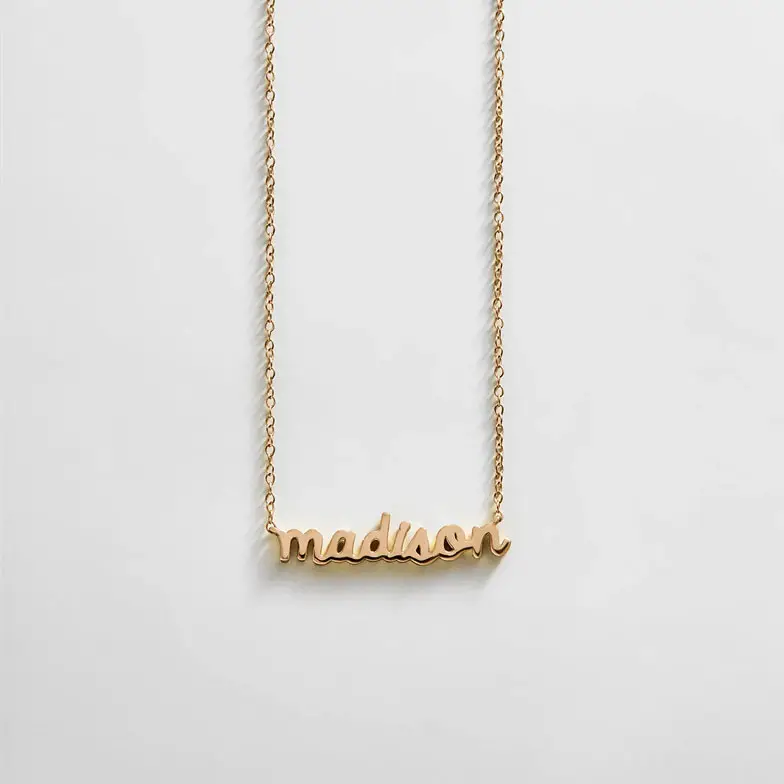
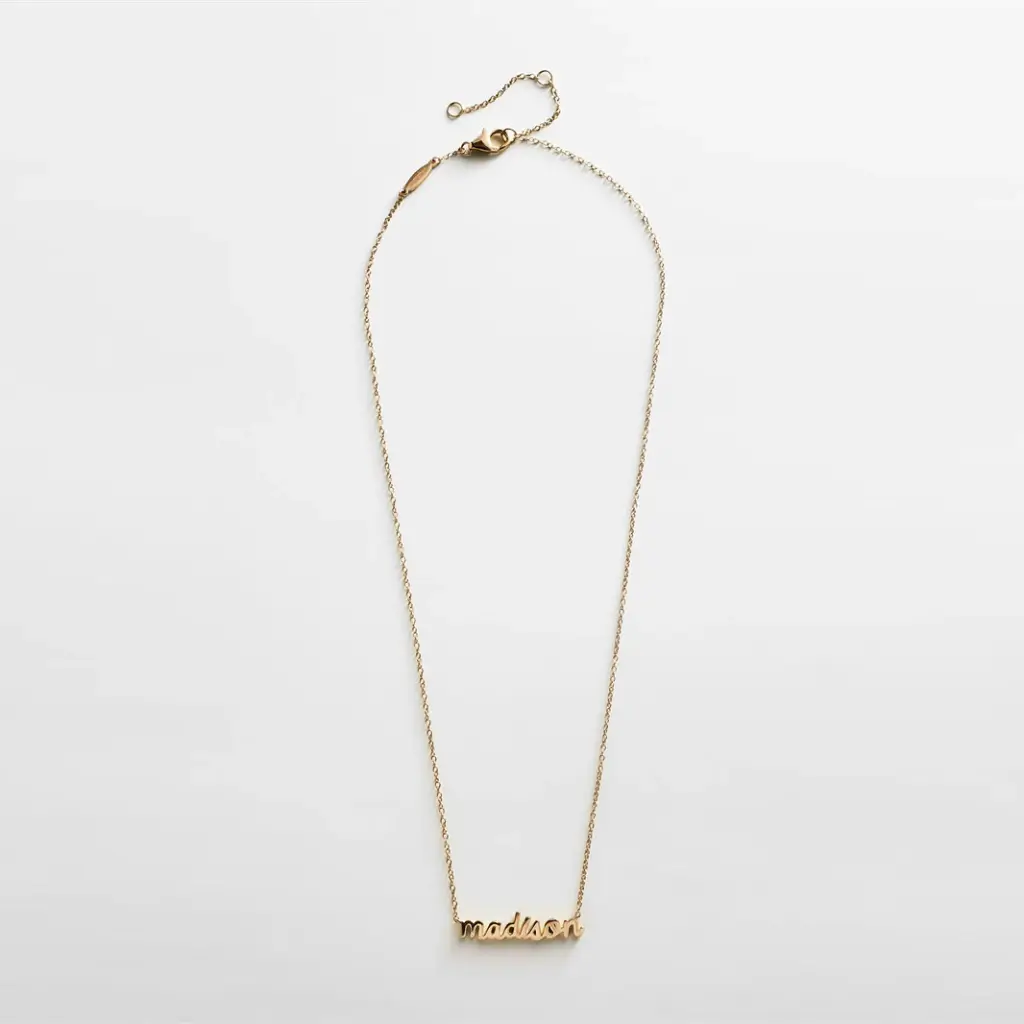
1. Kontseptsiyani ishlab chiqish va dizayn
Jarayon mijozning fikridan boshlanadi. Maxsus marjonlarni o'ziga xos xususiyatga ega - unda ism bo'lishi mumkin, bosh harflar, mazmunli so'z, yoki hatto ma'lum bir shriftda stilize qilingan skript.
Jing-da, dizayn bosqichi odatda o'z ichiga oladi:
- Mijoz maslahati: Mijozlar ism kabi ma'lumotlarni taqdim etadilar, afzal qilingan shrift uslubi (E.G., kursiv, blok, gotika), o'lcham, qalinlik, va olmos yoki belgilar kabi har qanday qo'shimcha bezaklar.
- Kamoani: Dizaynerlar kompyuter yordamida dizayndan foydalanadilar (Sado) bo'yinbog'ning aniq 3D modelini yaratish uchun dasturiy ta'minot. Ushbu raqamli model aniq o'lchovlar va vizual oldindan ko'rish imkonini beradi.
- Tasdiqlash: Haqiqiy render yaratiladi va tasdiqlash uchun mijoz bilan baham ko'riladi. Tuzatishlar dizayn kutilganlarga javob bermaguncha amalga oshiriladi.
Ushbu bosqich juda muhim, chunki u butun ishlab chiqarish jarayoni uchun asos yaratadi. Dizayndagi aniqlik va ravshanlik keyingi bosqichlarda kamroq xatolarni ta'minlaydi.
2. Moddiy materiallar: 14K oltinni tushunish
Ishlab chiqarish boshlanishidan oldin, material tayyorlanishi kerak. 14K oltindan tashkil topgan 58.5% sof oltin va 41.5% mis kabi qotishma metallar, kumush, rux, yoki nikel. Ushbu qotishmalar chidamlilikni oshiradi va rangga ta'sir qiladi (sariq, oq, yoki atirgul oltin).
Jing-da:
- Oltinning tozaligini tekshirish: Xom ashyo 14K standartlarga javob berish uchun sinovdan o'tkaziladi.
- Qotishma aralashtirish: Izchil tarkibga erishish uchun metallar ehtiyotkorlik bilan o'lchanadi va eritiladi.
- Rangni moslashtirish: Qotishma nisbatlarini sozlash turli xil oltin ohanglarni yaratadi.
Natijada bardoshli, kundalik foydalanish uchun mos bo'lgan holda oltinning hashamatli ko'rinishini saqlab turadigan kiyiladigan metall.
3. Mumiy model yaratish
Dizayn yakunlangandan so'ng, jismoniy modelini yaratish kerak. Bu odatda mum yordamida amalga oshiriladi:
- 3D Chop etish yoki CNC frezalash: SAPR dizayni yuqori aniqlikdagi mashinalar yordamida mum modeliga tarjima qilinadi.
- Tafsilotlarning aniqligi: Mum modeli har bir egri chiziqni o'z ichiga oladi, xat, va marjonning dizayn elementi.
- Tekshirish: Texniklar mum modelini nuqsonlar yoki buzilishlar uchun tekshiradi.
Ushbu qadam juda muhim, chunki mum modeli keyinchalik quyish uchun qolip yaratish uchun ishlatiladi.
4. Mog'or qilish (Investitsion kastingga tayyorgarlik)
Keyin mum modeli investitsiya quyish deb nomlanuvchi jarayon orqali qolip yaratish uchun ishlatiladi:
- archa: Mum modeli eritilgan metallning qolipga oqib ketishiga imkon beruvchi mum "daraxt" tuzilishiga biriktirilgan..
- Sarmoya: Daraxt metall kolbaga solingan va gipsga o'xshash sarmoyaviy material bilan qoplangan.
- Boshlang'ich: Flakon pechda isitiladi, mumning erishi va yonib ketishiga olib keladi, bo'yinbog' shaklida ichi bo'sh bo'shliqni qoldirish.
Bu jarayon dizaynning eng nozik detallari ham qolipda saqlanishini ta'minlaydi.
5. Oltin quyish
Quyma ishlab chiqarish jarayonidagi eng muhim bosqichlardan biridir:
- Oltinni eritish: Tayyorlangan 14K oltin qotishmasi o'choqda erigan holatga qadar isitiladi.
- To'kish yoki vakuumli quyish: To'liq to'ldirishni ta'minlash uchun eritilgan oltin vakuum yoki markazdan qochma kuch ostida qolipga quyiladi yoki AOK qilinadi..
- Sovutish: Mog'orni sovutish va qotib qolish uchun ruxsat beriladi.
Soviganida, investitsion material xom oltin quymasini aniqlash uchun parchalanadi.
6. Tozalash va kesish
Quyishdan keyin:
- Uy-joy: Gips qolipi suv oqimi yoki mexanik asboblar yordamida chiqariladi.
- Daraxtdan kesish: Individual qismlar quyma daraxtdan kesiladi.
- Dastlabki tozalash: Kislota vannalari yoki ultratovushli tozalash vositalari oksidlanish va qoldiqlarni olib tashlaydi.
Ushbu bosqichda, marjonlarni oxirgi shakliga o'xshata boshlaydi, lekin u hali ham jiddiy takomillashtirishni talab qiladi.
7. To'ldirish va oldindan silliqlash
Xom quyma ko'pincha qo'pol qirralar kabi kichik kamchiliklarni o'z ichiga oladi, tikuvlar, yoki ortiqcha metall:
- Qo'lda topshirish: Malakali hunarmandlar qirralarni tekislash va shakllarni yaxshilash uchun fayllardan foydalanadilar.
- Silliqlash: Aylanadigan asboblar bir xil sirtlarga erishish uchun ishlatiladi.
- Oldindan sayqallash: Keyinchalik pardozlashga tayyorgarlik ko'rish uchun qism engil parlatiladi.
Ushbu bosqich aniqlik va mahorat talab qiladi, chunki haddan tashqari topshirish dizaynni o'zgartirishi mumkin.
8. Yig'ish (Agar tegishli bo'lsa)
Ba'zi maxsus nomli marjonlarni bir nechta komponentlar o'z ichiga oladi:
- Zanjir biriktirma: O'tish halqalari yoki halqalar nomini zanjirga ulash uchun lehimlanadi.
- Tosh qoplamini tayyorlash: Agar qimmatbaho toshlar kiritilgan bo'lsa, sozlamalar ushbu bosqichda tayyorlanadi.
Ko'rinadigan belgilar yoki strukturani zaiflashtirmaslik uchun lehim ehtiyotkorlik bilan bajarilishi kerak.
9. Toshni sozlash (Ixtiyoriy)
Agar dizayn olmos yoki boshqa qimmatbaho toshlarni o'z ichiga olsa:
- Tosh tanlash: Toshlar hajmiga qarab tanlanadi, ravshanlik, va sifat.
- O'rnatish texnikasi: Keng tarqalgan usullar tishli sozlashni o'z ichiga oladi, qoplamani sozlash, yoki ramka sozlamalari.
- Xavfsiz joylashtirish: Har bir tosh chidamlilik va hizalanishni ta'minlash uchun qo'l bilan o'rnatiladi.
Ushbu qadam marjonga ham qiymat, ham vizual joziba qo'shadi.
10. Yakuniy parlatish
Polishing buyumni yuqori porloq tayyor mahsulotga aylantiradi:
- Buffing: Ko'zguga o'xshash qoplamaga erishish uchun turli xil birikmalarga ega abraziv g'ildiraklar qo'llaniladi.
- Tafsilotlarni parlatish: Kichik asboblar harflar va egri chiziqlar atrofidagi murakkab joylarni jilolaydi.
- Yuzaki tekshiruv: Parcha chizish yoki zerikarli joylar uchun tekshiriladi.
Yuqori sifatli jilo 14K oltinning yorqinligini oshiradi va hunarmandchilikni ta'kidlaydi..
11. Po'stloq (Agar kerak bo'lsa)
Dizaynga qarab:
- Rodium po'sti: Yorqinlikni oshirish va qorayishning oldini olish uchun ko'pincha oq oltinga qo'llaniladi.
- Oltin po'sti: Ba'zan rangni kuchaytirish yoki maxsus tugatish uchun ishlatiladi.
- Qalinligini nazorat qilish: Qoplama qatlamlari chidamlilik uchun ehtiyotkorlik bilan nazorat qilinadi.
Qoplama yakuniy estetikaning mijozlar talablariga javob berishini ta'minlaydi.
12. Sifatni boshqarish
Sifat kafolati JINGYING ishlab chiqarish jarayonining o'ziga xos belgisidir:
- O'lchovli tekshiruvlar: O'lchovlar asl SAPR dizayni bilan tasdiqlangan.
- Tarkibiy yaxlitlik: Marjon kuch va chidamlilik uchun sinovdan o'tkaziladi.
- Vizual tekshirish: Mutaxassislar nuqsonlarni aniqlash uchun buyumni kattalashtirish ostida tekshiradilar.
Faqat qat'iy sifat standartlaridan o'tgan qismlar keyingi bosqichga o'tadi.
13. Tozalash va qadoqlash
Yuk tashishdan oldin:
- Ultrasonik tozalash: Qolgan polishing aralashmalari yoki qoldiqlarini olib tashlaydi.
- Yakuniy inspeksiya: Marjonlarni beg'ubor bo'lishini ta'minlaydi.
- Qadoqlash: Marjonlarni himoya va jozibali qadoqlarga joylashtiriladi, ko'pincha brending bilan moslashtirilgan.
Ushbu yakuniy qadam mahsulotning toza holatda kelishini ta'minlaydi.
14. Logistika va etkazib berish
JINGYING samarali yetkazib berishni muvofiqlashtiradi:
- Xavfsiz yuk tashish: Paketlar shikastlanmaslik uchun ehtiyotkorlik bilan ishlanadi.
- Hujjat: Haqiqiylik sertifikatlari yoki moddiy tafsilotlar kiritilishi mumkin.
- Mijozlarni qo'llab-quvvatlash: Kuzatuv va sotishdan keyingi xizmat mijozlar ehtiyojini qondirishni ta'minlaydi.
15. Barqarorlik va axloqiy mulohazalar
Zamonaviy zargarlik buyumlari ishlab chiqarish barqarorlikni tobora ko'proq ta'kidlaydi:
- Mas'uliyatli manba: Oltin va qimmatbaho toshlar axloqiy ravishda olinadi.
- Chiqindilarni kamaytirish: Qayta ishlash jarayonlari moddiy chiqindilarni minimallashtiradi.
- Energiya samaradorligi: Murakkab uskunalar atrof-muhitga ta'sirni kamaytiradi.
JINGYING ushbu amaliyotlarni global standartlarga moslashtirish uchun birlashtiradi.
Xulosa
JINGYING-da 14K tilladan tayyorlangan marjonlarni ishlab chiqarish ilg'or texnologiyani an'anaviy hunarmandchilik bilan birlashtirgan puxta jarayondir.. Dastlabki dizayndan yakuniy jilogacha, har bir qadam aniqlik va ehtiyotkorlik bilan bajariladi. Natijada nafaqat mijozning shaxsiyatini aks ettiruvchi, balki sifatni ham o'zida mujassam etgan shaxsiylashtirilgan zargarlik buyumidir., chidamlilik, va badiiy yuksaklik.
Ushbu batafsil jarayon nima uchun maxsus zargarlik buyumlari yuqori baholanishini ta'kidlaydi: har bir parcha hikoya qiladi, va ishlab chiqarishning har bir bosqichi uning o'ziga xosligiga hissa qo'shadi.