
Cách sản xuất vòng cổ bảng tên tùy chỉnh bằng vàng 14K ở JINGYING
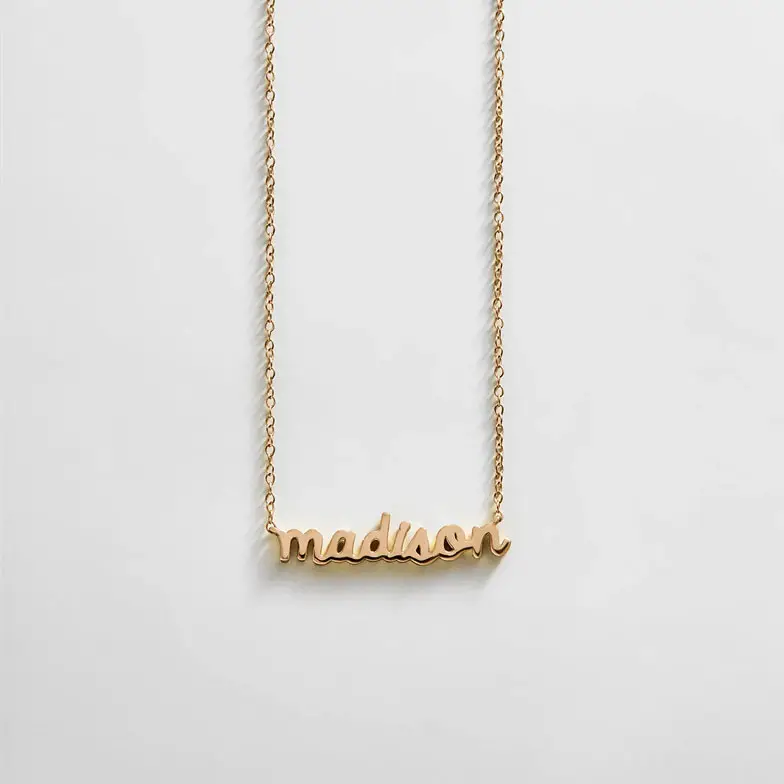
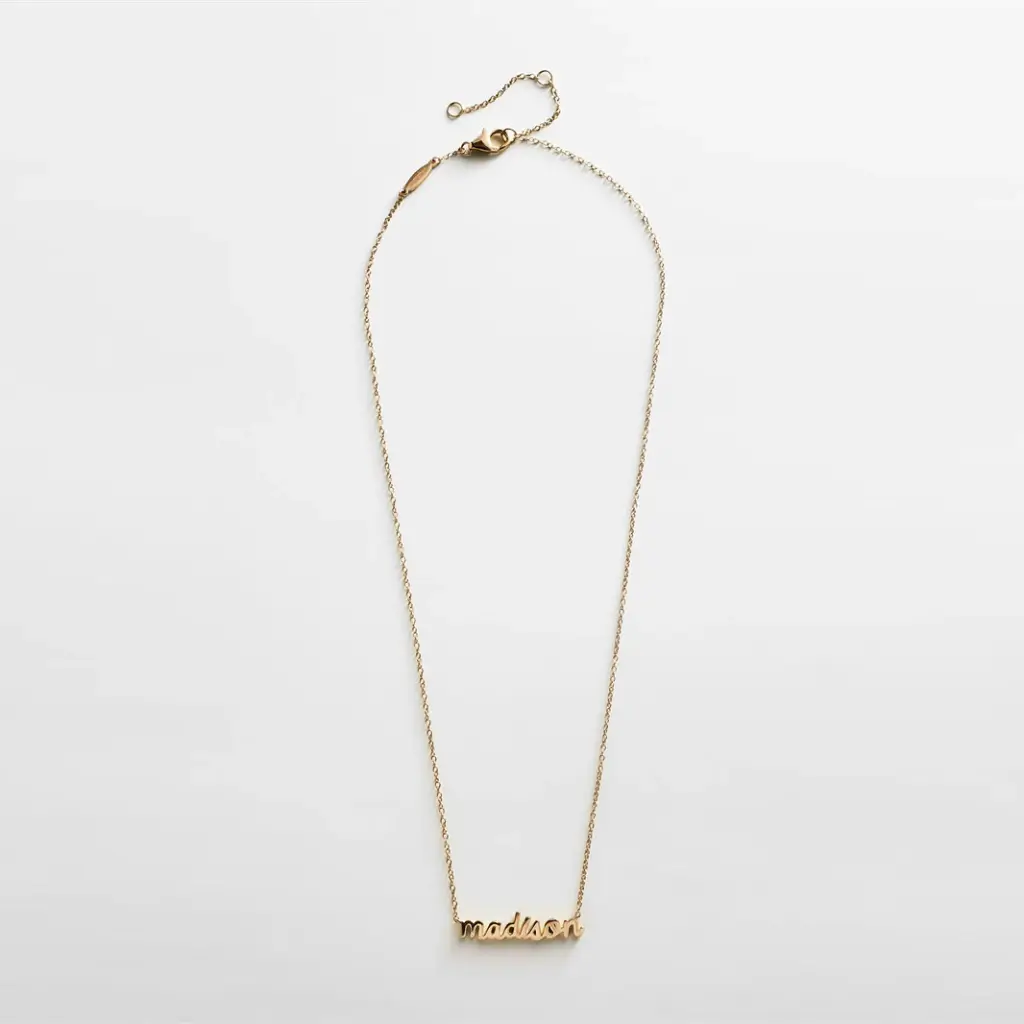
Sản xuất vòng cổ bảng tên vàng 14K theo yêu cầu là một quy trình tinh xảo kết hợp giữa tính nghệ thuật, độ chính xác kỹ thuật, và kỹ thuật sản xuất tiên tiến. Tại Jingying, một nhà sản xuất đồ trang sức chuyên nghiệp nổi tiếng với khả năng chế tạo và tùy chỉnh, mỗi sản phẩm đều trải qua một hành trình được kiểm soát cẩn thận từ ý tưởng đến thành phẩm. Bài viết này cung cấp một cái nhìn toàn diện, tổng quan từng bước về cách tạo ra chiếc vòng cổ có bảng tên tùy chỉnh bằng vàng 14K, nêu bật các quy trình kỹ thuật, tiêu chuẩn chất lượng, và nghề thủ công liên quan.
1. Phát triển ý tưởng và thiết kế
Quá trình bắt đầu từ ý tưởng của khách hàng. Một chiếc vòng cổ có bảng tên tùy chỉnh vốn mang tính cá nhân—nó có thể có tên, tên viết tắt, một từ có ý nghĩa, hoặc thậm chí là một chữ viết cách điệu trong một phông chữ cụ thể.
Tại Jingying, Giai đoạn thiết kế thường bao gồm:
- Tư vấn khách hàng: Khách hàng cung cấp thông tin chi tiết như tên, kiểu phông chữ ưa thích (VÍ DỤ., chữ thảo, khối, kiểu gô tích), kích cỡ, độ dày, và bất kỳ đồ trang trí bổ sung nào như kim cương hoặc biểu tượng.
- Thiết kế CAD: Nhà thiết kế sử dụng Thiết kế có sự hỗ trợ của máy tính (CAD) phần mềm tạo mô hình 3D chính xác của chiếc vòng cổ. Mô hình kỹ thuật số này cho phép đo chính xác và xem trước trực quan.
- Hiển thị phê duyệt: Một kết xuất thực tế được tạo và chia sẻ với khách hàng để phê duyệt. Các điều chỉnh được thực hiện cho đến khi thiết kế đáp ứng được mong đợi.
Giai đoạn này rất quan trọng vì nó đặt nền tảng cho toàn bộ quá trình sản xuất.. Độ chính xác và rõ ràng trong thiết kế đảm bảo ít lỗi hơn ở các giai đoạn sau.
2. Lựa chọn vật chất: Tìm hiểu về vàng 14K
Trước khi bắt đầu sản xuất, nguyên liệu phải được chuẩn bị. 14Vàng K được tạo thành từ 58.5% vàng nguyên chất và 41.5% kim loại hợp kim như đồng, bạc, kẽm, hoặc niken. Các hợp kim này tăng cường độ bền và ảnh hưởng đến màu sắc (màu vàng, trắng, hoặc vàng hồng).
Tại Jingying:
- Xác minh độ tinh khiết của vàng: Nguyên liệu thô được kiểm tra để đảm bảo đáp ứng tiêu chuẩn 14K.
- Trộn hợp kim: Kim loại được đo cẩn thận và nấu chảy với nhau để đạt được thành phần nhất quán.
- Tùy chỉnh màu sắc: Điều chỉnh tỷ lệ hợp kim tạo nên tông màu vàng khác nhau.
Kết quả là bền, kim loại đeo được duy trì vẻ ngoài sang trọng của vàng đồng thời phù hợp để sử dụng hàng ngày.
3. Tạo mô hình sáp
Khi thiết kế được hoàn thiện, một mô hình vật lý phải được tạo ra. Điều này thường được thực hiện bằng cách sử dụng sáp:
- 3D In hoặc Phay CNC: Thiết kế CAD được chuyển thành mô hình sáp bằng máy có độ chính xác cao.
- Độ chính xác chi tiết: Mô hình sáp bao gồm mọi đường cong, thư, và yếu tố thiết kế của chiếc vòng cổ.
- Điều tra: Kỹ thuật viên kiểm tra mô hình sáp xem có khiếm khuyết hay biến dạng không.
Bước này rất cần thiết vì mô hình sáp sau này sẽ được dùng để làm khuôn đúc.
4. Làm khuôn (Chuẩn bị đúc đầu tư)
Sau đó, mô hình sáp được sử dụng để tạo khuôn thông qua một quá trình được gọi là đúc mẫu chảy.:
- Nhảy: Mô hình sáp được gắn vào cấu trúc “cây” sáp cho phép kim loại nóng chảy chảy vào khuôn.
- Sự đầu tư: Cây được đặt trong bình kim loại và phủ vật liệu đầu tư giống như thạch cao.
- Kiệt sức: Bình được nung nóng trong lò, làm cho sáp tan chảy và cháy đi, để lại một khoang rỗng có hình chiếc vòng cổ.
Quá trình này đảm bảo rằng ngay cả những chi tiết đẹp nhất của thiết kế cũng được bảo quản trong khuôn.
5. Đúc vàng
Đúc là một trong những công đoạn quan trọng nhất trong quá trình sản xuất:
- Làm tan chảy vàng: Hợp kim vàng 14K đã chuẩn bị được nung đến trạng thái nóng chảy trong lò nung.
- Đổ hoặc đúc chân không: Vàng nóng chảy được đổ hoặc bơm vào khuôn dưới lực chân không hoặc lực ly tâm để đảm bảo lấp đầy hoàn toàn.
- làm mát: Khuôn được để nguội và đông đặc lại.
Sau khi được làm mát, vật liệu đầu tư bị vỡ ra để lộ phần đúc vàng nguyên liệu.
6. Làm sạch và cắt
Sau khi truyền:
- Giá trị: Khuôn thạch cao được loại bỏ bằng tia nước hoặc dụng cụ cơ khí.
- Cắt từ cây: Các mảnh riêng lẻ được cắt từ cây đúc.
- Làm sạch ban đầu: Tắm axit hoặc chất tẩy rửa siêu âm loại bỏ quá trình oxy hóa và cặn.
Ở giai đoạn này, chiếc vòng cổ bắt đầu giống với hình dạng cuối cùng của nó, nhưng nó vẫn đòi hỏi sự cải tiến đáng kể.
7. Nộp hồ sơ và đánh bóng trước
Vật đúc thô thường có những khiếm khuyết nhỏ như các cạnh thô, đường may, hoặc kim loại thừa:
- Nộp hồ sơ bằng tay: Các nghệ nhân lành nghề sử dụng dũa để làm mịn các cạnh và tinh chỉnh hình dạng.
- Nghiền: Dụng cụ quay được sử dụng để đạt được bề mặt đồng nhất.
- Tiền xây dựng: Mảnh được đánh bóng nhẹ để chuẩn bị hoàn thiện thêm.
Bước này đòi hỏi sự chính xác và khéo léo, vì việc giũa quá nhiều có thể làm thay đổi thiết kế.
8. Cuộc họp (Nếu có)
Một số dây chuyền bảng tên tùy chỉnh bao gồm nhiều thành phần:
- Đính kèm chuỗi: Các vòng hoặc vòng nhảy được hàn để kết nối bảng tên với dây chuyền.
- Chuẩn bị đính đá: Nếu bao gồm đá quý, cài đặt được chuẩn bị ở giai đoạn này.
Việc hàn phải được thực hiện cẩn thận để tránh các dấu vết có thể nhìn thấy hoặc làm suy yếu cấu trúc.
9. Thiết lập đá (Không bắt buộc)
Nếu thiết kế bao gồm kim cương hoặc đá quý khác:
- Lựa chọn đá: Đá được lựa chọn dựa trên kích thước, sự rõ ràng, và chất lượng.
- Kỹ thuật thiết lập: Các phương pháp phổ biến bao gồm cài đặt ngạnh, thiết lập lát đường, hoặc cài đặt bezel.
- Vị trí an toàn: Mỗi viên đá được đặt bằng tay để đảm bảo độ bền và sự liên kết.
Bước này tăng thêm cả giá trị và sự hấp dẫn trực quan cho chiếc vòng cổ.
10. Đánh bóng cuối cùng
Đánh bóng biến sản phẩm thành sản phẩm hoàn thiện có độ bóng cao:
- Đánh bóng: Bánh xe đánh bóng bằng các hợp chất khác nhau được sử dụng để đạt được độ hoàn thiện giống như gương.
- Đánh bóng chi tiết: Các công cụ nhỏ đánh bóng các khu vực phức tạp xung quanh các chữ cái và đường cong.
- Kiểm tra bề mặt: Mảnh được kiểm tra xem có vết trầy xước hoặc vết xỉn màu không.
Chất đánh bóng chất lượng cao giúp tăng cường độ sáng chói của vàng 14K và làm nổi bật sự khéo léo.
11. Mạ (Nếu được yêu cầu)
Tùy thuộc vào thiết kế:
- Rhodium mạ: Thường được áp dụng cho vàng trắng để tăng cường độ sáng và chống xỉn màu.
- Vàng mạ: Đôi khi được sử dụng để tăng cường màu sắc hoặc đạt được kết thúc cụ thể.
- Kiểm soát độ dày: Các lớp mạ được kiểm soát cẩn thận để đảm bảo độ bền.
Mạ đảm bảo tính thẩm mỹ cuối cùng đáp ứng được sự mong đợi của khách hàng.
12. Kiểm soát chất lượng
Đảm bảo chất lượng là đặc điểm nổi bật trong quy trình sản xuất của JINGYING:
- Kiểm tra kích thước: Các phép đo được xác minh dựa trên thiết kế CAD gốc.
- Tính toàn vẹn cấu trúc: Vòng cổ được kiểm tra độ bền và độ bền.
- Kiểm tra trực quan: Các chuyên gia kiểm tra mảnh dưới độ phóng đại để phát hiện sai sót.
Chỉ những sản phẩm đạt tiêu chuẩn chất lượng nghiêm ngặt mới được chuyển sang giai đoạn tiếp theo.
13. Làm sạch và đóng gói
Trước khi giao hàng:
- Làm sạch siêu âm: Loại bỏ mọi hợp chất hoặc cặn đánh bóng còn sót lại.
- Kiểm tra cuối cùng: Đảm bảo vòng cổ hoàn hảo.
- Bao bì: Vòng cổ được đặt trong bao bì bảo vệ và hấp dẫn, thường được tùy chỉnh với thương hiệu.
Bước cuối cùng này đảm bảo sản phẩm đến nơi trong tình trạng nguyên sơ.
14. Hậu cần và giao hàng
JINGYING phối hợp giao hàng hiệu quả:
- Vận chuyển an toàn: Các gói hàng được xử lý cẩn thận để tránh hư hỏng.
- Tài liệu: Giấy chứng nhận tính xác thực hoặc chi tiết tài liệu có thể được bao gồm.
- Hỗ trợ khách hàng: Dịch vụ theo dõi và hậu mãi đảm bảo sự hài lòng của khách hàng.
15. Tính bền vững và cân nhắc về mặt đạo đức
Sản xuất trang sức hiện đại ngày càng nhấn mạnh tính bền vững:
- Tìm nguồn cung ứng có trách nhiệm: Vàng và đá quý có nguồn gốc hợp pháp.
- Giảm chất thải: Quy trình tái chế giảm thiểu lãng phí vật liệu.
- Hiệu quả năng lượng: Thiết bị tiên tiến giảm tác động đến môi trường.
JINGYING tích hợp các phương pháp này để phù hợp với tiêu chuẩn toàn cầu.
Phần kết luận
Sản xuất vòng cổ bảng tên tùy chỉnh bằng vàng 14K tại JINGYING là một quá trình tỉ mỉ kết hợp công nghệ tiên tiến với nghề thủ công truyền thống. Từ thiết kế ban đầu đến đánh bóng cuối cùng, mỗi bước được thực hiện một cách chính xác và cẩn thận. Kết quả là một món đồ trang sức được cá nhân hóa không chỉ phản ánh danh tính của khách hàng mà còn thể hiện chất lượng, độ bền, và sự xuất sắc về mặt nghệ thuật.
Quá trình chi tiết này nêu bật lý do tại sao đồ trang sức tùy chỉnh vẫn được đánh giá cao: mỗi tác phẩm kể một câu chuyện, và mỗi giai đoạn sản xuất đều góp phần tạo nên tính độc đáo của nó.