
เศรษฐศาสตร์แห่งการตกแต่ง: การวิเคราะห์ที่ครอบคลุมต้นทุน OEM ต่างหูทอง 14K Dawn 14K
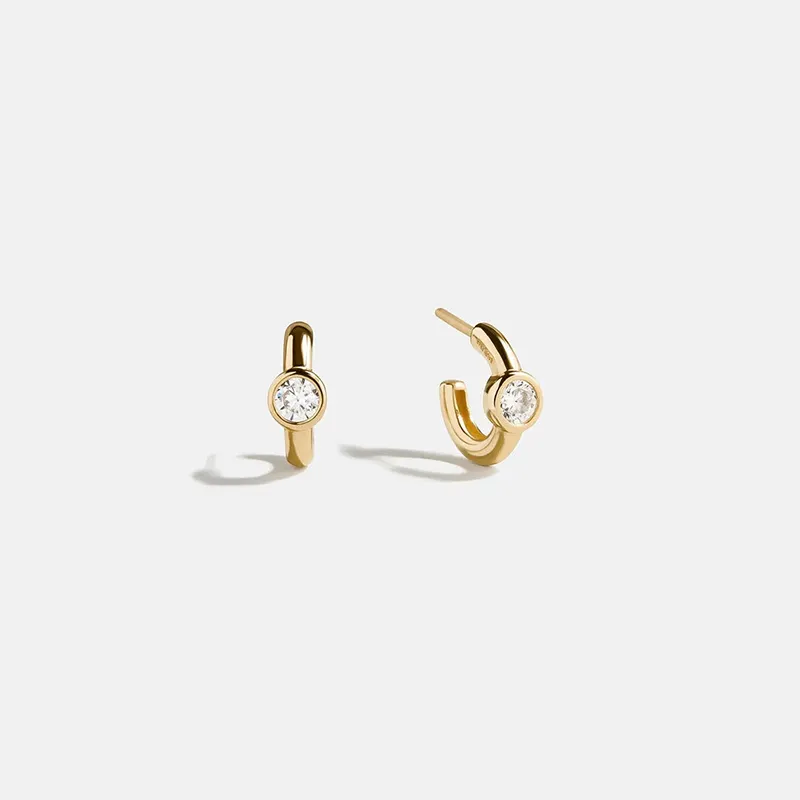
อุตสาหกรรมจิวเวลรี่ทั่วโลกเป็นระบบนิเวศที่ซับซ้อนซึ่งศิลปะมาบรรจบกับการค้า, และไม่มีที่ไหนที่ชัดเจนไปกว่าในโลกของการผลิตอุปกรณ์ดั้งเดิม (โอเอ็ม). สำหรับแบรนด์ที่ต้องการเปิดตัวไลน์ของ ต่างหูทอง 14K รุ่งอรุณ—ชื่อที่ชวนให้นึกถึงภาพแห่งความละเอียดอ่อน, แสงสีทอง การทำความเข้าใจความซับซ้อนของต้นทุน OEM ไม่ใช่แค่การดำเนินการทางบัญชีเท่านั้น; มันเป็นความจำเป็นเชิงกลยุทธ์. ราคาสุดท้ายต่อชิ้นไม่ใช่ตัวเลขเดียว แต่เป็นผลรวมของตัวแปรที่เชื่อมโยงถึงกัน: ความผันผวนของตลาดสินค้าโภคภัณฑ์, ความแม่นยำของงานฝีมือ, ขนาดของการผลิต, และเศรษฐศาสตร์อันละเอียดอ่อนของห่วงโซ่อุปทานทั่วโลก. บทความนี้จะอธิบายต้นทุนหลายแง่มุมของการผลิต OEM สำหรับต่างหูทอง 14K, ให้รายละเอียดที่ครอบคลุมสำหรับเจ้าของแบรนด์, ผู้เชี่ยวชาญด้านการจัดซื้อจัดจ้าง, และผู้ประกอบการที่สำรวจภูมิทัศน์เครื่องประดับ.
รากฐาน: ต้นทุนวัตถุดิบเป็นตัวขับเคลื่อนหลัก
ส่วนประกอบที่สำคัญที่สุดและไม่สามารถต่อรองได้ของต้นทุน OEM สำหรับต่างหูทอง 14K คือวัตถุดิบนั่นเอง. สำหรับผลิตภัณฑ์ที่กำหนดโดยปริมาณทอง 14K, ราคาโลหะเป็นพื้นฐานที่ใช้สร้างต้นทุนอื่นๆ ทั้งหมด.
ทำความเข้าใจความบริสุทธิ์และราคาของทอง 14K
ทองคำสิบสี่กะรัตเป็นโลหะผสมที่ประกอบด้วย 58.3% ทองคำบริสุทธิ์และ 41.7% โลหะอื่น ๆ (โดยทั่วไปแล้วทองแดง, เงิน, หรือสังกะสี) เพื่อเพิ่มความทนทาน. ราคาของมันเชื่อมโยงโดยตรงกับราคาสปอตทองคำทั่วโลก, ตัวเลขที่ผันผวนในแต่ละวันตามปัจจัยทางเศรษฐกิจมหภาค, เหตุการณ์ทางภูมิรัฐศาสตร์, การเคลื่อนไหวของสกุลเงิน, และอุปสงค์ทางอุตสาหกรรม. เมื่อผู้ผลิตเสนอราคาต่างหูทอง 14K, พวกเขาไม่ได้ยึดตามแต่เพียงผู้เดียว "ราคาสปอต" ปรากฏบนเครือข่ายข่าวการเงิน. ตามที่ผู้เชี่ยวชาญในอุตสาหกรรมระบุไว้, "ไม่มีใครสามารถจับต้องได้จริงๆ, ทองคำหรือเงินจริงสำหรับราคาเหล่านั้น". มีเบี้ยประกันภัยเพิ่มให้ครอบคลุมต้นทุนการกลั่น, การผสม, และแปรรูปโลหะให้เป็นรูปแบบการใช้งานที่เรียกว่า "หล่อเมล็ดพืช".
สำหรับต่างหูคู่หนึ่ง สมมติว่ามีน้ำหนักพอประมาณ 5 กรัมรวมสำหรับคู่นี้ ราคาทองคำดิบเพียงอย่างเดียวก็สูงมาก. หากราคาสปอตทองคำบริสุทธิ์อยู่ที่ประมาณ $65 ต่อกรัม, แล้วก็มีทองคำบริสุทธิ์อยู่ด้วย 5 กรัมของโลหะผสม 14K คือ 2.915 กรัม. ในราคานี้, มูลค่าทองคำที่แท้จริงเพียงอย่างเดียวก็เกือบจะแล้ว $190. นี่คือก่อนเบี้ยประกันใดๆ, ต้นทุนการผลิต, หรือเพิ่มอัตรากำไร.
ความสูญเปล่าและการสูญเสียกระบวนการ
ที่สำคัญ, ปัจจัยที่มักถูกมองข้ามในการคิดต้นทุนวัสดุก็คือ "การสูญเสีย" หรือกระบวนการสูญหาย. ในระหว่างกระบวนการผลิตไม่ว่าจะเป็นการหล่อ, การตัด, การยื่น, หรือการขัดเงา—เปอร์เซ็นต์ของโลหะมีค่าจะสูญหายไปในรูปของฝุ่นหรือเศษเล็กเศษน้อย. โดยทั่วไปมาตรฐานอุตสาหกรรมจะทำให้เกิดปัจจัยสิ้นเปลือง 5% ถึง 10% หรือมากกว่านั้น, ขึ้นอยู่กับความซับซ้อนของการออกแบบและวิธีการผลิต. ผู้ผลิตมักจะส่งต่อต้นทุนนี้ให้กับผู้ซื้อ, เพิ่มเป็นเปอร์เซ็นต์ของมูลค่าทองคำทั้งหมด. ตามรายงานอุตสาหกรรมฉบับหนึ่งระบุ, ค่าธรรมเนียมของผู้ผลิต "ที่ใดก็ได้ระหว่าง 2% และ 10% ของราคาทองคำเป็น 'การสูญเสีย' เพื่อชดเชยทองคำที่สูญเสียไปในระหว่างกระบวนการ". สำหรับสินค้ามูลค่าสูงอย่างต่างหูทอง 14K, สิ่งนี้สามารถเพิ่มผลรวมที่สำคัญให้กับต้นทุนวัสดุขั้นสุดท้ายได้.
ออกแบบ, การใช้เครื่องมือ, และวิศวกรรมที่ไม่เกิดซ้ำ (ไม่มี) ค่าใช้จ่าย
ก่อนที่จะมีการผลิตต่างหูคู่เดียวเป็นจำนวนมาก, การออกแบบจะต้องแปลจากแนวคิดไปสู่ความเป็นจริงในการผลิต. ขั้นตอนนี้มีค่าใช้จ่ายแบบครั้งเดียวที่เรียกว่าวิศวกรรมที่ไม่เกิดซ้ำ (ไม่มี) หรือค่าเครื่องมือ, ซึ่งตัดจำหน่ายตามปริมาณการสั่งซื้อทั้งหมด.
การออกแบบและการสร้างต้นแบบ CAD
กระบวนการเริ่มต้นด้วยการออกแบบโดยใช้คอมพิวเตอร์ช่วย (คิว). ช่างผู้ชำนาญจะสร้างแบบจำลอง 3 มิติของต่างหูที่มีรายละเอียดสูง, ระบุทุกโค้ง, รูปร่าง, และจุดเชื่อมต่อ. ค่าใช้จ่ายสำหรับบริการนี้โดยทั่วไปมีตั้งแต่ $100 ถึง $500 ต่อการออกแบบ. ตามนี้ครับ, มีการสร้างต้นแบบทางกายภาพ, มักใช้เครื่องพิมพ์ 3D ความละเอียดสูงเพื่อผลิตแบบจำลองขี้ผึ้งหรือเรซิน. ต้นแบบนี้ใช้ในการอนุมัติและเป็นพื้นฐานสำหรับกระบวนการทำแม่พิมพ์ที่ตามมา. การสร้างต้นแบบอาจมีค่าใช้จ่ายเพิ่มเติม $50 ถึง $300.
การทำแม่พิมพ์และผลกระทบทางเศรษฐกิจ
การสร้างแม่พิมพ์ถือเป็นค่าใช้จ่าย NRE ที่สำคัญ. แม่พิมพ์, มักทำจากยางหรือซิลิโคน, ใช้เพื่อสร้างสำเนาแว็กซ์ของต่างหูหลายชุดสำหรับกระบวนการหล่อ, เป็นที่รู้จัก "การหล่อขี้ผึ้งหาย" ความซับซ้อนของแม่พิมพ์ ไม่ว่าการออกแบบจะเรียบง่ายหรือมีลวดลายที่สลับซับซ้อน ส่งผลโดยตรงต่อต้นทุน. Simple designs might require a mold costing between $100 และ $300, while highly complex pieces can push the cost significantly higher.
For a large order, these NRE costs are negligible per unit. ตัวอย่างเช่น, อัน $1,000 NRE cost spread over 5,000 pieces adds only $0.20 ต่อหน่วย. อย่างไรก็ตาม, for a small-batch order of 100 ชิ้นส่วน, that same cost balloons to $10 ต่อหน่วย, dramatically altering the final price.
กระบวนการผลิต: แรงงาน, เทคนิค, and Complexity
The transformation of raw gold into a polished, finished earring is a labor-intensive process that constitutes the second major pillar of OEM cost. The techniques used and the level of craftsmanship required are primary determinants of the final price.
วิธีการผลิต: งานฝีมือเทียบกับ. ทำด้วยเครื่องจักร
The choice between handcrafted and machine-made production significantly influences labor costs. Handcrafted jewelry, which involves manual sawing, การยื่น, การบัดกรี, และเสร็จสิ้น, commands a premium due to the time and expertise involved. "Custom pieces are often handcrafted, ซึ่งเพิ่มต้นทุนค่าแรงและความใส่ใจในรายละเอียด". ในทางกลับกัน, ชิ้นส่วนที่ประทับด้วยเครื่องจักรหรือแบบหล่อจะมีประสิทธิภาพมากกว่าสำหรับการผลิตจำนวนมาก, ส่งผลให้ต้นทุนค่าแรงต่อหน่วยลดลง. สำหรับ "รุ่งอรุณ" ต่างหู, ซึ่งอาจมีองค์ประกอบการออกแบบโดยละเอียด, วิธีการแบบผสมผสานโดยใช้การหล่อสำหรับโครงสร้างหลักและการตกแต่งด้วยมือเพื่อดูรายละเอียดเป็นเรื่องปกติ.
การหล่อและการประกอบ
วิธีการทั่วไปสำหรับเครื่องประดับทองคือการหล่อการลงทุน, หรือ "การหล่อขี้ผึ้งหาย" กระบวนการนี้เกี่ยวข้องกับการสร้างหุ่นขี้ผึ้งของโมเดลต่างหู, ลงทุนในวัสดุคล้ายปูนปลาสเตอร์, เผาขี้ผึ้งในเตาให้หมด, แล้วจึงเททองคำหลอมลงในโพรงที่เกิดขึ้น. โดยทั่วไปต้นทุนการหล่อจะคำนวณต่อกรัมของโลหะและมีตั้งแต่ $0.15 ถึง $0.30 ต่อกรัม. หลังจากหล่อแล้ว, ต่างหูแต่ละอันถูกตัดออกจาก "ต้นไม้," และส่วนประกอบต่างๆ เช่น เสาและคลัตช์ก็ถูกบัดกรีไว้. ประกอบเพิ่มได้ $0.10 ถึง $0.80 ต่อชิ้น, ขึ้นอยู่กับความซับซ้อน.
การตกแต่ง: ศิลปะแห่งการขัดเงาชั้นสูง
ความงดงามอันโดดเด่นของเครื่องประดับชั้นดีอยู่ที่การตกแต่ง. ขั้นตอนการขัดเงา, การขัด, และสร้างเหมือนกระจกเงา "โปแลนด์สูง" พื้นผิวเป็นหนึ่งในขั้นตอนที่ต้องใช้แรงงานมากที่สุด. ต้องใช้ช่างฝีมือผู้ชำนาญซึ่งใช้ล้อและสารประกอบเฉพาะทาง "ตริโปลี" สำหรับการตัดไปที่ "รูจ" เพื่อความเงางามครั้งสุดท้าย. การตกแต่งคุณภาพสูงสามารถเพิ่มได้ $0.10 ถึง $0.25 หรือมากกว่าต่อชิ้นเป็นค่าแรงเพียงอย่างเดียว.
สำหรับทอง 14K, ในขณะที่การชุบโรเดียมพบได้น้อยกว่าทองคำขาว, กระบวนการตกแต่งก็มีความสำคัญไม่แพ้กัน. ผู้ผลิตบางรายเสนอ a "โรเดียมใส" เพิ่มความคงทนและเงางามโดยไม่ทำให้สีทองเปลี่ยนแปลง, ซึ่งสามารถเพิ่มเบี้ยประกันภัยได้ $0.50 ถึง $1.50 ต่อชิ้น.
ผลกระทบของอัญมณีและการเพิ่มประสิทธิภาพ
ถ้า "รุ่งอรุณ" ต่างหูต้องมีลักษณะเป็นอัญมณี ไม่ว่าจะเป็นเพชร, มอยซาไนต์, หรือเพทาย—ซึ่งเพิ่มความซับซ้อนและต้นทุนอีกชั้นหนึ่ง. ประเภท, ขนาด, คุณภาพ, และวิธีการฝังหินมีผลกระทบอย่างมากต่อราคาสุดท้าย.
ต้นทุนวัสดุหิน
การเปลี่ยนแปลงของต้นทุนหินนั้นมีมหาศาล. สำหรับหินเน้นเสียง, ลูกบาศก์เซอร์โคเนีย (CZ) เป็นทางเลือกที่คุ้มค่า, ด้วยหินขนาดเล็ก 1.5 มม. ซึ่งมีต้นทุนเพียงเล็กน้อย $0.10 ถึง $0.30 ต่อชิ้น. ชาวมอยไอที, ทางเลือกเพชรที่ปลูกในห้องทดลองที่มีความแวววาวที่เหนือกว่า, อยู่ในกรอบราคาระดับกลาง. เน้นเพชรธรรมชาติ, แม้แต่เพชรระยะประชิดเม็ดเล็กๆ, มีราคาแพงที่สุด, ด้วยหิน 0.01 กะรัตเพียงเม็ดเดียวอาจมีต้นทุน $5 ถึง $20, เพิ่มต้นทุนรวมต่อคู่อย่างมาก.
เทคนิคการตั้งหิน
เกินราคาของหินนั่นเอง, วิธีฝังทองต้องใช้แรงงานเฉพาะทาง. การตั้งค่ากรอบหรือง่ามธรรมดานั้นค่อนข้างมีประสิทธิภาพ, ในขณะที่เทคนิคที่ซับซ้อน เช่น การตั้งค่าแบบพาเว่หรือการตั้งค่าที่มองไม่เห็นนั้น ต้องใช้ทักษะและความแม่นยำในระดับที่สูงกว่ามาก, ทำให้ต้นทุนแรงงานเพิ่มขึ้นอย่างมาก.
การประหยัดจากขนาด: ปัจจัยขั้นต่ำ
บางทีกลไกที่ทรงพลังที่สุดในการกำหนดราคา OEM ก็คือปริมาณการสั่งซื้อขั้นต่ำ (MOQ). ต้นทุนต่อหน่วยจะแปรผกผันกับปริมาณการสั่งซื้อเนื่องจากการประหยัดต่อขนาด. ต้นทุน NRE ตัดจำหน่ายแล้ว, แรงงานจะมีประสิทธิภาพมากขึ้นด้วยการทำซ้ำ, และผู้ผลิตเสนอราคาที่ต่ำกว่าสำหรับการซื้อวัสดุจำนวนมาก.
ข้อมูลแสดงให้เห็นสิ่งนี้อย่างชัดเจน. ต่างหูเงินสเตอร์ลิงชุบทองคู่ที่คล้ายกันจากซัพพลายเออร์ OEM มีราคาอยู่ที่ $7.07 สำหรับยูนิตเดียวแต่ลดลงเหลือ $6.65 สำหรับคำสั่งของ 60 หรือมากกว่านั้น. ความอ่อนไหวด้านราคานี้ได้รับการขยายให้มากขึ้นสำหรับผลิตภัณฑ์ทอง 14K ที่เป็นของแข็ง. โรงงานขนาดเล็กอาจเสนอราคาต่อหน่วยที่สูงสำหรับการสั่งซื้อ 100 ชิ้นส่วน, ในขณะที่ผู้ผลิตรายใหญ่สามารถเสนอราคาที่ต่ำกว่ามากสำหรับการสั่งซื้อ 10,000+ หน่วย.
การเปรียบเทียบต้นทุนระดับภูมิภาคและภาพรวมของ OEM
ที่ตั้งทางภูมิศาสตร์ของผู้ผลิตเป็นปัจจัยกำหนดต้นทุนหลัก, สาเหตุหลักมาจากความแตกต่างของต้นทุนแรงงาน.
| ประเทศ/ภูมิภาค | อัตราแรงงานรายชั่วโมงโดยประมาณ | ลักษณะสำคัญ | ความเหมาะสม |
|---|---|---|---|
| จีน | $3 - $6 | คุ้มค่า, ปริมาณสูง, ความสามารถในการผลิตที่หลากหลาย. | เหมาะสำหรับการผลิตขนาดกลางถึงขนาดใหญ่; เสนอราคาที่แข่งขันได้สำหรับประเภทการออกแบบส่วนใหญ่. |
| อินเดีย | $2 - $5 | ประเพณีอันแข็งแกร่งในการเจียระไนพลอยและเครื่องประดับทอง; ลดต้นทุนค่าแรง. | เหมาะอย่างยิ่งสำหรับการออกแบบที่มีอัญมณีจำนวนมากหรืองานทองที่สลับซับซ้อน. |
| ประเทศไทย | $4 - $8 | ขึ้นชื่อเรื่องงานฝีมือคุณภาพสูงและความใส่ใจในรายละเอียด. | ตัวเลือกระดับกลางที่ดีสำหรับแบรนด์ที่สร้างความสมดุลระหว่างต้นทุนกับการตกแต่งแบบช่างฝีมือระดับสูง. |
| อิตาลี | $15 - $30 | ศูนย์กลางของการออกแบบเครื่องประดับที่หรูหราและงานฝีมือระดับสูงเป็นพิเศษ. | เหมาะสำหรับแบรนด์หรูที่มีตำแหน่งทางการตลาดทำให้ต้นทุนสูงขึ้นอย่างมาก. |
การสังเคราะห์ต้นทุน: แบบจำลองสมมุติสำหรับ "รุ่งอรุณ" 14เคต่างหู
เพื่อสังเคราะห์ปัจจัยเหล่านี้ให้เป็นค่าประมาณที่จับต้องได้, ให้เราสร้างสถานการณ์สมมติสำหรับการสั่งซื้อ 5,000 ชิ้น "รุ่งอรุณ" 14ต่างหูทองเค. การออกแบบอยู่ในระดับปานกลาง 5 กรัมต่อคู่, ด้วยการขัดเงาสูงและประดับด้วยเพชร CZ เม็ดเล็ก.
-
ต้นทุนวัตถุดิบ (ทอง): 5ก * 58.3% ปริมาณทองคำบริสุทธิ์ = ทองคำบริสุทธิ์ 2.915 กรัม. ราคาสปอตอยู่ที่ 65 เหรียญสหรัฐฯ/กรัม, เนื้อหาที่เป็นทองคำคือ $189.47. เพิ่มก 10% พรีเมี่ยมการสูญเสียและการผลิตนำมาสู่สิ่งนี้ ~$208.42 ต่อคู่.
-
ราคาอัญมณี: เพชร CZ ขนาด 2 มม. 2 เม็ด: ~$0.50 ต่อคู่.
-
การผลิต & การตกแต่ง: การหล่อ, การประกอบ, การขัด, และการควบคุมคุณภาพ: ~$2.00 - $4.00 ต่อคู่ (การตัดจำหน่ายต้นทุน NRE).
-
การบรรจุหีบห่อ & การสร้างแบรนด์: บรรจุภัณฑ์ polybag พื้นฐานพร้อมการ์ดแบบกำหนดเอง: ~$0.20 - $0.50 ต่อคู่.
-
ขอบของผู้ผลิต: เพิ่มแบบฉบับ 15-20% อัตรากำไรขั้นต้นของโรงงาน.
ราคา OEM โดยประมาณ (เอ็ด) ต่อคู่: ~$242 - $256.
ตัวเลขนี้เป็นราคาประตูโรงงานและไม่รวมค่าจัดส่ง, ประกันภัย, ภาษีศุลกากร, และมาร์กอัประดับแบรนด์ใดๆ. สอดคล้องกับข้อมูลตลาดทั่วไป, ซึ่งประมาณการว่าต่างหูสั่งทำระดับไฮเอนด์สามารถเริ่มต้นได้จากทั่วๆ ไป $111 และสามารถทำได้ไกลเกินกว่านั้น $2,000 ขึ้นอยู่กับน้ำหนักทองและคุณภาพของพลอย.
บทสรุป: การนำทางสมการ OEM
ต้นทุน OEM ของต่างหูทอง Dawn 14K เป็นผลิตภัณฑ์จากสมการที่ซับซ้อนในเรื่องการกำหนดราคาวัตถุดิบ, การออกแบบและเครื่องมือ, ความซับซ้อนในการผลิต, และปริมาณการสั่งซื้อตัดกัน. สำหรับแบรนด์ที่ต้องการนำผลิตภัณฑ์ดังกล่าวออกสู่ตลาด, ความเข้าใจอย่างลึกซึ้งเกี่ยวกับปัจจัยเหล่านี้ถือเป็นสิ่งสำคัญสำหรับการจัดทำงบประมาณ, กลยุทธ์การกำหนดราคา, และคัดเลือกพันธมิตรการผลิตที่เหมาะสม.
กระบวนการนี้ไม่ใช่แค่การค้นหาราคาต่ำสุดต่อกรัมเท่านั้น; มันเป็นเรื่องเกี่ยวกับการสร้างสมดุลระหว่างต้นทุนกับคุณภาพ, งานฝีมือ, และคุณค่าของแบรนด์. ดังที่การวิเคราะห์เตือนอย่างชาญฉลาด, "ราคาที่ต่ำมากอาจบ่งบอกถึงวัสดุคุณภาพต่ำ, การควบคุมคุณภาพลดลง, หรือกระบวนการตกแต่งแบบง่าย". สำหรับสินค้าเช่น "รุ่งอรุณ" 14ต่างหูเค, ซึ่งน่าจะบ่งบอกถึงเอกลักษณ์ของแบรนด์, คุณภาพและความสม่ำเสมอเป็นสิ่งสำคัญยิ่ง. ในที่สุด, ความร่วมมือด้าน OEM ที่ประสบความสำเร็จนั้นสร้างขึ้นจากความโปร่งใส, การสื่อสารที่ชัดเจน, และความเข้าใจร่วมกันเกี่ยวกับตัวขับเคลื่อนต้นทุนที่เปลี่ยนทองคำชิ้นธรรมดาให้เป็นผลิตภัณฑ์สำเร็จรูปที่พร้อมจะจับแสงและตลาด.