
Junge: Den förstklassiga OEM-fabriken för silver-kopparsmycken som är betrodd av stora varumärken
Introduktion
I den globala smyckesindustrin, hitta en tillverkningspartner som balanserar hantverk, skalbarhet, och flexibilitet är ingen liten bedrift. För varumärken som vill producera silver- och kopparsmycken i medelhög till hög kvalitet, namnet JINGYING har blivit synonymt med pålitlighet, kvalitet, och innovation. Beläget i ett av Kinas mest produktiva nav för smyckestillverkning, JINGYING har i tysthet byggt upp ett rykte som tillverkaren av originalutrustning (Oem) för några av världens mest kända varumärken. Ännu, trots sin omfattning och prestige, JINGYING förblir anmärkningsvärt tillgängligt – erbjuder anpassade beställningar i små partier från bara 50 bitar. Den här artikeln undersöker varför JINGYING är det föredragna valet för stora varumärken, hur dess policy med låg MOQ ger nya designers makt, och vad ett förstahandsbesök i dess vidsträckta fabrik avslöjar om framtiden för smyckesproduktion.
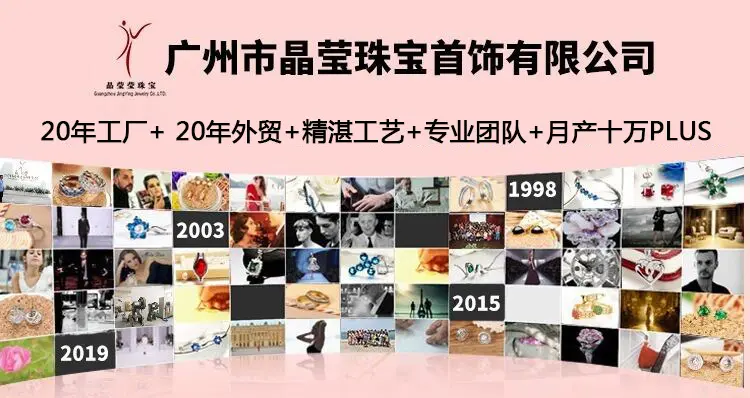
Del ett: The Rise of JINGYING – Från lokal verkstad till industrikraftverk
1.1 Ödmjuk början i Kinas smyckeshuvudstad
JINGYINGS historia börjar för över två decennier sedan i hjärtat av Kinas smyckebearbetningsregion, kallas ofta för "smyckenas Shenzhen". Det som började som en liten familjedriven verkstad har sedan dess utvecklats till en 50 000 kvadratmeter stor toppmodern anläggning som sysselsätter över 800 skickliga hantverkare, ingenjörer, och kvalitetskontrollspecialister. Företagets tillväxtbana speglar Kinas framväxt som världens nav för tillverkning av smycken, men JINGYING utmärkte sig tidigt genom att fokusera på en nisch: silver- och kopparsmycken med en mellan-till-high-end finish.
Till skillnad från massproducenter som kör ut till låg kostnad, föremål med låg hållbarhet, JINGYING investerade i precisionsgjutning, elektroformning, och handavslutningstekniker som konkurrerar med europeiska ateljéer. I början av 2010-talet, Fabriken hade redan säkrat kontrakt med inhemska kinesiska lyxbutiker. Av 2020, Kundlistan inkluderade internationella modehus, direkt till konsumenten (DTC) nystartade smycken, och även museum presentbutiker.
1.2 "Big Brands' Secret Vapen"
Fråga alla smyckesindustriinsider vilken fabrik de rekommenderar för silver-kopparbitar som inte ser ut eller känns billiga, och svaret är ofta JINGYING. Stora varumärken väljer JINGYING av tre centrala skäl: konsistens, materiell renhet, och designtrohet. Fabrikens förmåga att replikera invecklade CAD-designer med mikronnivånoggrannhet innebär att en skiss på papper blir en fysisk prototyp på så lite som fem dagar.
Dessutom, JINGYING:s interna pläteringsavdelning erbjuder rodium, guld, palladium, och anti-lack finish som överträffar internationella standarder. För kopparbitar, Fabriken har fulländat oxidations- och patineringstekniker som skapar vintage, steampunk, eller moderna matta effekter på efterfrågan. Dessa funktioner har gjort JINGYING till den osynliga handen bakom otaliga framgångsrika smyckeskollektioner.
Del två: Varför stora varumärken litar på JINGYING – En djupdykning i kvalitet och skala
2.1 Kompromisslös materialförsörjning
En av de största riskerna för alla smyckesmärken är inkonsekvent metallkvalitet. JINGYING eliminerar denna risk genom att köpa silver (925 sterling och 990 fint silver) och koppar (röd mässing, gul mässing, berylliumfri koppar) direkt från London Bullion Market Association (LBMA)-certifierade raffinaderier. Varje sats testas med röntgenfluorescens (Xrf) analysatorer för att verifiera sammansättningen innan produktionen påbörjas. Detta säkerställer att varje del som lämnar fabriken uppfyller märkningsstandarder för marknader som EU, Storbritannien, och USA.
För varumärken som är oroliga för nickelallergier eller blyhalt, JINGYING erbjuder nickelfria och blysäkra formuleringar som standard. Fabriken tillhandahåller även laboratorierapporter från tredje part på begäran, ger varumärken full spårbarhet.
2.2 Avancerade tillverkningsmöjligheter
JINGYINGS produktionsgolv läser som ett museum för modern smyckestillverkning:
-
3D Vaxtryck & Hartsgjutning: 30 Högupplösta skrivare producerar utbränningsfärdiga mönster med 0,02 mm upplösning.
-
Vakuum & Centrifugalgjutning: För silver respektive koppar, säkerställer bubbelfri, täta gjutgods.
-
CNC-fräsning & Stämpling: För geometriska konstruktioner med stora volymer eller komponenter som kräver extrem repeterbarhet.
-
Lasersvetsning & Mikro-inställning: För ömtåliga kedjemontage och stensättning ner till 0,8 mm stenar.
-
Elektroformning: För lätta men voluminösa silverpjäser som annars skulle vara för tunga eller dyra att gjuta fast.
Denna tekniska arsenal tillåter JINGYING att producera allt från minimalistiska staplingsringar till utarbetade manschettarmband, hängande halsband, örhänge, manschettknappar, och till och med små håligheter som pilleraskar och kompakta speglar.
2.3 Kvalitetskontroll: 12-Punktinspektionssystem
Stora varumärken har inte råd med avkastning på grund av porositet, svaga leder, eller pläteringsfel. JINGYINGS QC-process innefattar 12 obligatoriska kontrollpunkter:
-
Legeringsverifiering (Xrf)
-
Vaxmönsterinspektion
-
Investeringsbubbla check
-
Gjutdensitet (ultraljuds-)
-
Ytporositet visuell
-
Ledstyrka (dragprov)
-
Stensättningssäkerhet
-
Polerande enhetlighet
-
Pläteringstjocklek (XRF igen)
-
Plåga (saltspray)
-
Slitagetest (simulerad daglig användning)
-
Slutlig förpackningsintegritet
Varje del som misslyckas med en enda kontrollpunkt avvisas och återvinns. Resultatet är en dokumenterad defektfrekvens på under 0.3% för silverföremål och under 0.5% för koppar – siffror som konkurrerar med schweiziska och italienska konkurrenter till en bråkdel av kostnaden.
Del tre: Breaking the Mold – Small-Batch Customization från 50 Bitar
3.1 Industrins MOQ-problem
Traditionellt, smyckesfabriker kräver minsta beställningskvantitet (MOQs) av 500 till 5,000 bitar per design. Detta tvingar framväxande varumärken att överinvestera i lager, spela på oprövade mönster, eller överge specialtillverkning helt och hållet till förmån för generisk grossist. JINGYING upptäckte denna smärtpunkt tidigt och fattade ett strategiskt beslut: sänk barriären.
Sedan 2018, JINGYING har erbjudit anpassning i små partier från bara 50 bitar per design. Detta är nästan ovanligt för en fabrik av dess storlek som betjänar stora varumärken. Hur får de det att fungera ekonomiskt? Genom smarta modulära verktyg, delade gjutningsträd, och automatiserade efterbehandlingsprocesser som skalar ner effektivt. För kopparartiklar, MOQ kan gå så lågt som 30 bitar för enkla mönster.
3.2 Vad "anpassning" verkligen betyder vid JINGYING
När JINGYING säger "anpassad,” de betyder full kreativ kontroll:
-
Originaldesigner: Din CAD, STL, eller 3DM-fil, eller deras interna designers kan skapa från en skiss eller moodboard.
-
Materialval: Välj mellan 8 kvaliteter av silver och 12 kopparlegeringar, inklusive återvunna alternativ.
-
Ytfinish: Högpolerad, matt, borstad, sandblästrad, oxiderad, patinerad, tvåfärgad, eller selektiv plätering.
-
Stensättning: Cubic zirconia, Lab-odlade ädelstenar, naturstenar (på begäran), eller emaljinlägg.
-
Varumärke: Lasergravering av logotyper, serienummer, eller till och med QR-koder inuti pjäsen.
-
Förpackning: Anpassade påsar, rutor, eller kort med ditt varumärke, drop-ship redo.
Fabriken tillhandahåller upp till tre fysiska prover för godkännande innan massproduktion. Handläggningstid från provgodkännande till leverans av 500 stycken är vanligtvis 15–20 arbetsdagar.
3.3 Fallstudie: Hur en startup använde JINGYING:s låga MOQ för att starta framgångsrikt
Varumärket: Lune & Co., ett USA-baserat DTC-smyckemärke fokuserat på kopparstycken med himmelska tema.
Utmaningen: Behövs 12 unika SKU:er (örhänge, halsband, ringar) men hade begränsat kapital. Traditionella fabriker efterfrågade 500 per SKU = 6,000 minsta enheter.
Lösningen: JINGYING accepterade 50 stycken per SKU, total 600 enheter.
Resultatet: Lune & Co. lanserades med $18,000 i lager istället för $180,000. Deras bästsäljande ring ombeställdes tre gånger inom sex månader. Det berättade grundaren för Jewelry Insider: "Utan JINGYINGS låga MOQ, Jag skulle aldrig ha lämnat konceptstadiet.”
Del fyra: Ett fabriksbesök – hur "en storskalig verifierad fabrik" verkligen ser ut
4.1 Första intryck: Storlek som ger respekt
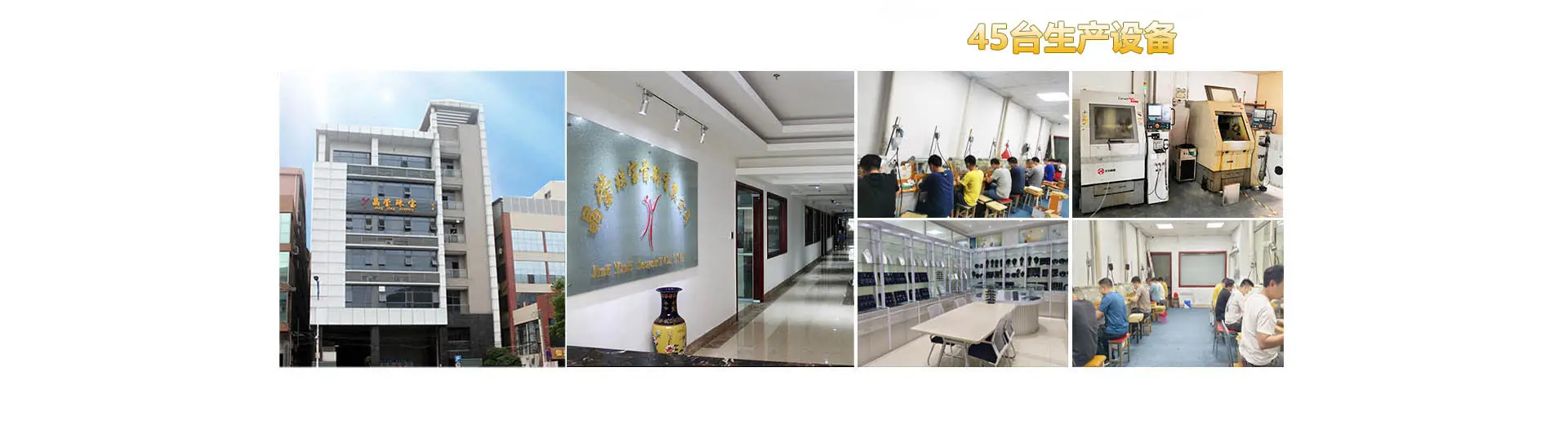
När författaren besökte JINGYINGS huvudcampus i provinsen Guangdong, det första som slog mig var skalan. Fabriken upptar en hel industriparkszon, med separata byggnader för gjutning, plätering, stensättning, montering, och lagerhållning. En dedikerad R&D-centrum skiljer sig åt, bemannad av 45 ingenjörer som arbetar med nya legeringar, efterbehandlingstekniker, och automationslösningar.
Till skillnad från mindre verkstäder där produktionen känns kaotisk, JINGYING arbetar på principer för lean manufacturing. Varje arbetsstation är märkt, varje verktyg är skuggbordat, och varje anställd bär en färgkodad uniform som anger deras kompetenscertifieringsnivå. Golven är obefläckade, med luftfiltreringssystem som tar bort metalldamm – ett tecken på respekt för både arbetarhälsa och produktkvalitet.
4.2 Går produktionslinjen
Min guide, Operations Director Ms. Chen, ledde mig genom hela processen från råa silvergranulat till färdigt halsband.
Steg 1 – Design & Prototyp
I CAD-rummet, designers arbetade på skärmar som visade 3D-modeller för ett europeiskt modemärkes höstkollektion. Bredvid dem, harts 3D-skrivare nynnade, producera vaxträd som skulle gjuta 200 identiska hängen på en gång.
Steg 2 – Casting
Castinghallen var som högst, med vakuummaskiner som väser och ugnar som lyser orange vid 950°C. MS. Chen förklarade att JINGYING använder både tappad vaxgjutning för intrikata delar och stansning för enklare former. "För koppar, vi förvärmer kolven längre för att förhindra gasporositet,” noterade hon.
Steg 3 – Avslutande
Rader av polersvarvar, tumlande fat, och magnetiska efterbehandlare förvandlade grova gjutgods till spegelliknande ytor. Ett separat rum hanterade patinering - kopparbitar nedsänkta i svavelleverlösningar för att uppnå antiksvart, blågrön, eller rödbruna patinas. Jag såg en arbetare handborsta en patina från en hög punkt för att skapa en tvåfärgseffekt, en process som är omöjlig att automatisera.
Steg 4 – Plätering
Galvaniseringslinjen var det mest begränsade området. Genom ett glasfönster, Jag såg hängen roterande i fat med rodiumlösning. "Vi använder 0.5 mikron rodium för silver – dubbla industristandarden,"Ms. sa Chen. "Det är därför våra pjäser motstår nedsmutsning i flera år."
Steg 5 – Kvalitet & Förpackning
Det sista QC-rummet hade 20 inspektörer under förstoringslampor. Varje bit vägdes, mätt, och visuellt skannade. Rejekt hamnade i en röd papperskorg för återvinning. Godkända bitar flyttade sedan till förpackning, där skräddarsydda lådor väntade.
4.3 Kontroll: Vad gör en fabrik "verifierad"
Många fabriker hävdar att de är "storskaliga,” men JINGYING ger verifierbara bevis:
-
Iso 9001:2015 (Kvalitetsledning) och Iso 14001:2015 (Miljöledning) certifieringar.
-
Sedex SMETA revision (4-pillar) för etiska arbetsmetoder.
-
Rjc (Ansvarigt smyckesråd) Code of Practices certifiering.
-
Öppen bok policy: Kunder kan schemalägga oanmälda revisioner när som helst.
Under mitt besök, Jag märkte en tavla som visar produktionsstatistik i realtid och en annan tavla som listar anställdas klagomål och beslutsdatum – en nivå av transparens som är sällsynt inom kinesisk tillverkning. Fabriken driver också en solpanelstäckning 30% av dess energibehov, med ett mål om 70% av 2027.
Del fem: "Source Factory"-fördelen – varför nästan vilken design som helst är möjlig
5.1 Myten om "Vi kan inte göra det"
En av JINGYINGs mest upprepade fraser är: "Om du kan rita det, vi kan nog klara det." Detta förtroende kommer från årtionden av ackumulerad verktygs- och processkunskap. Under åren, fabriken har byggt ett internt bibliotek på över 15,000 gjuta formar, stämplingsmatriser, och avslutande jiggar. Även om en ny design kräver anpassade verktyg, JINGYINGs interna mögelbutik kan producera den på 3–5 dagar.
Exempel på "svåra" design som de rutinmässigt producerar:
-
Ihåliga silverpärlor med rörliga invändiga skallror – Kräver precisionselektroformning och montering.
-
Koppararmringar med dolda fjädergångjärn – Kräver snäva toleranser och värmebehandling.
-
Örhängen i ringmaille-stil med 100+ sammankopplande ringar – Automatiserad ringtillverkning och manuell montering.
-
Tvåfärgade silver-koppar inläggsringar – Uppnås genom separat gjutning och presspassning.
-
Texturerade "hamrade" ytbehandlingar som faktiskt är stämplade – Konsekvent mönster utan variation.
5.2 Hantera komplexa förfrågningar: Ett riktigt exempel
Ett brittiskt varumärke kontaktade JINGYING med en utmanande begäran: ett kopparhänge format som en mänsklig molar tand, ihålig för att minska vikten, med ett dolt fack för ett NFC-chip, pläterad i 18k roséguld på utsidan och mattsvart rutenium inuti. Åh, och de ville ha det för under $8 per enhet kl 200 bitar.
De flesta fabriker skulle skratta. JINGYINGs ingenjörer ägnade två veckor åt att utveckla en lösning: tappad vaxgjutning för tandformen, en silikonkärna för att skapa den ihåliga kaviteten, en separat bearbetad skruvförslutning, sedan selektiv maskering under plätering. Den slutliga enhetskostnaden: $7.40. Varumärket har sedan gjort fyra ombeställningar.
5.3 Materialinnovation utöver standardlegeringar
Medan de flesta fabriker håller sig till 925 silver och basmässing, JINGYING experimenterar aktivt:
-
Argentium® silver (nötningsbeständig sterling)
-
Nordiskt guld (koppar-aluminium-zink-tennlegering, hypoallergena)
-
Shakudo® (Japansk koppar-guldlegering för patinering)
-
Återvunnet silver & koppar (100% efterkonsument, auktoriserad)
-
Bimetallplåtar (silver bundet till kopparkärna för kostnadsbesparingar)
För varumärken som söker hållbarhet, JINGYING kan tillhandahålla spårbarhetsdokumentation för återvunnet material.
Del sex: Praktisk guide – Hur man arbetar med JINGYING
6.1 Komma igång: Minimum, Prissättning, och tidslinjer
-
Moq: 50 bitar per design för silver; 50 för koppar (30 för mycket enkla mönster)
-
Provavgift: $50– $150 per design (återbetalas vid beställningar över 500 bitar)
-
Exempel ledtid: 7–10 arbetsdagar
-
Produktions ledtid: 15–20 arbetsdagar för 50–500 stycken; 25–30 dagar för 500–2 000 stycken
-
Prisexempel (2025 uppskattningar, FOB Shenzhen):
-
Enkel silverring (4g): $3.20– 4,50 USD
-
Kopparhänge (8g): $2.10– 3,00 USD
-
Örhängen i silver (par, 6g totalt): $4.80– 6,50 USD
-
Manschettarmband av koppar (15g): $3.50– 5,00 USD
-
-
Frakt: JINGYING samarbetar med DHL, FedEx, och speditörer. Små beställningar skickas via snabbflyg (3–5 dagar), stora beställningar till sjöss (20–30 dagar).
6.2 Kommunikation & Språk
Fabriken har ett dedikerat internationellt säljteam som talar flytande engelska, med en teknisk översättare tillgänglig för komplexa diskussioner. Alla citat, fakturor, och QC-rapporter tillhandahålls på både engelska och kinesiska. Kunder får veckovisa foto-/videouppdateringar under produktionen.
6.3 Skydd av immateriella rättigheter
Stora varumärken oroar sig för designstölder. JINGYING undertecknar strikta NDAs och driver ett fackförsett produktionssystem där ingen enskild arbetare ser hela designprocessen för ett varumärkes kollektion. För design med hög risk, kunder kan begära förstörelse av alla formar och vaxmönster efter produktion, dokumenterad med video.
6.4 Besöker fabriken
JINGYING uppmuntrar seriösa potentiella kunder att besöka. Fabriken ligger 45 minuter från Shenzhen Bao'an International Airport. Besökspaket inkluderar:
-
Halvdagstur på alla produktionsavdelningar
-
Möte med ingenjörsteamet för att granska dina konstruktioner
-
Möjlighet att bevittna en castingkörning
-
Lunch i fabrikens personalmatsal (överraskande bra kantonesisk mat)
-
Transport till/från flygplatsen på begäran för beställningar över $10,000
Part Seven: Framtiden – JINGYING:s roll i den utvecklande smyckesindustrin
7.1 Onhoring vs. Offshoring: Varför Kina fortfarande vinner
Trots tal om att tillverkningen flyttar tillbaka till väst, JINGYING fortsätter att växa eftersom det erbjuder något västerländska fabriker inte kan: kostnadseffektivitet utan kvalitetsoffer. En jämförbar fabrik i Italien eller USA skulle ta ut 3–5 gånger mer för samma silverpjäs. Under tiden, lågpriskonkurrenter i Indien eller Sydostasien saknar JINGYINGS kvalitetskonsistens och designflexibilitet. Den "sweet spot" som JINGYING upptar - från mitten till högt på tillgängliga MOQs - förblir unikt kinesiskt.
7.2 Hållbarhetsinitiativ
JINGYING satsar stort på vattenrening med sluten krets för sin pläteringslinje, återvinning 95% av sköljvatten. Fabriken driver också ett silveråtervinningssystem som återvinner 99.7% av silverpartiklar från polerdamm och använd investering. Av 2026, de syftar till att vara koldioxidneutrala för Scope 1 och 2 utsläpp.
7.3 Att stärka nästa generations smyckemärken
Den mest spännande trenden som JINGYING möjliggör är framväxten av mikrovarumärken. Med 50-delar MOQs, en designer kan testa en ny kollektion för så lite som $500 i produktionskostnad. Om en design säljer slut, de ordnar om 200 bitar. Om det floppar, de är bara ute en liten investering. Denna slanka inställning till lagerrisk revolutionerar hur smyckesmärken lanseras och skalas.
Slutsats: Är JINGYING rätt för ditt varumärke?
Om du är ett smyckesmärke - oavsett om det är en Fortune 500 företag eller en ensamgrundare som arbetar från ett extra sovrum – som kräver silver- eller kopparpjäser av medel till hög kvalitet, JINGYING förtjänar en seriös titt. Fabriken kombinerar den skala och kvalitetskontroller som stora varumärken kräver med den flexibilitet och låga MOQ som framväxande varumärken behöver. Ett personligt besök bekräftar vad certifieringarna tyder på: detta är en stor, professionell, verifierad funktion som kan förvandla nästan vilken design som helst till en fysisk verklighet.
För varumärken som tröttnat på fabriker som lovar "vad som helst" men levererar porositet, missfärgning, och ursäkter, JINGYING erbjuder ett uppfriskande alternativ. Deras motto, "Vi gör det du föreställer dig,” är inte bara marknadsföring – det är en produktionsfilosofi som bevisats av tusentals framgångsrika kollektioner, från New York Fashion Week-landningsbanor till Etsys bästsäljarlistor.
För att begära en offert, boka ett fabriksbesök, eller helt enkelt ställa en teknisk fråga, kontakta JINGYING:s internationella team på [officiella e-postadress] eller via deras hemsida. Komma ihåg: fantastiska smycken börjar med en fantastisk fabrik. Och JINGYING väntar på att bygga din – börjar med bara 50 bitar.