
Hur man tillverkar ett 14K guld anpassat namnskylthalsband i JINGYING
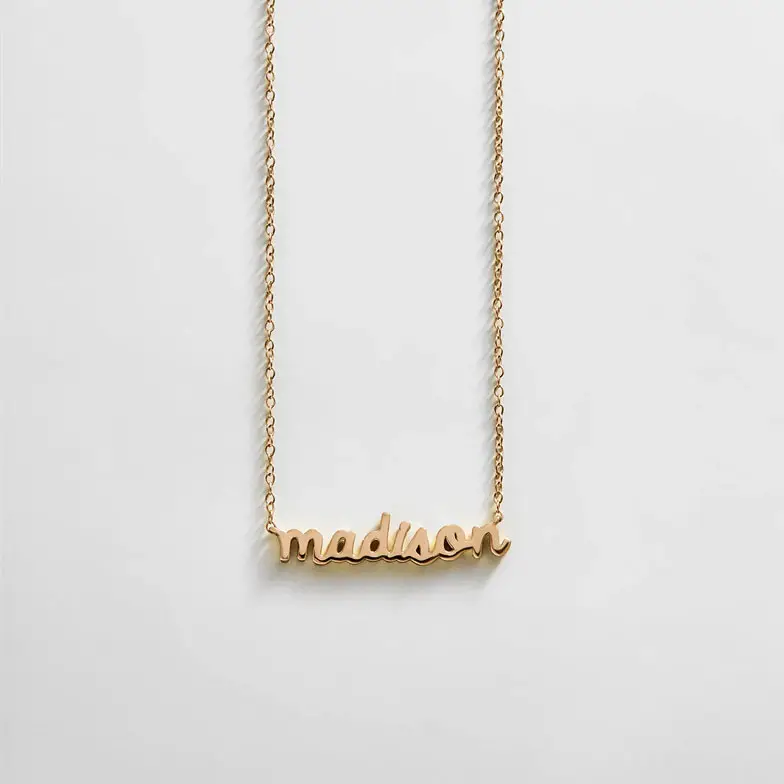
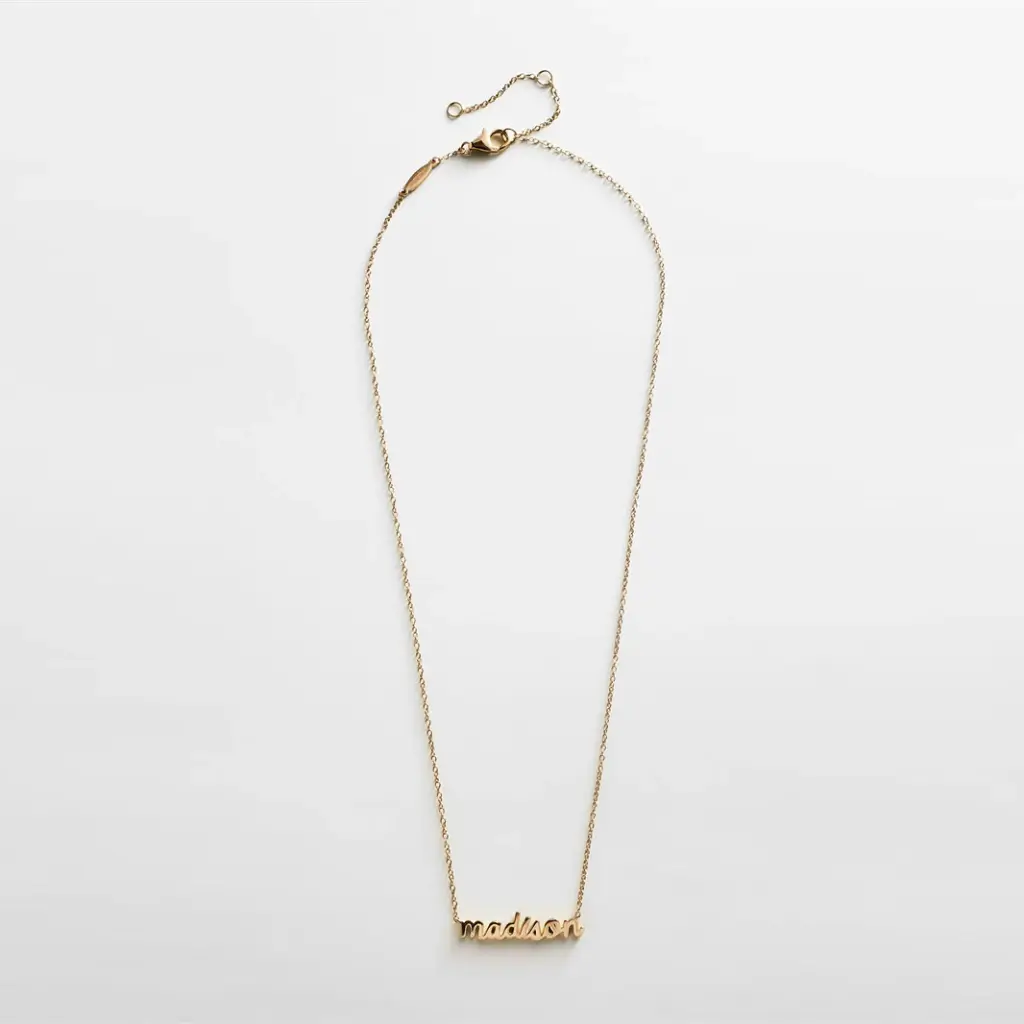
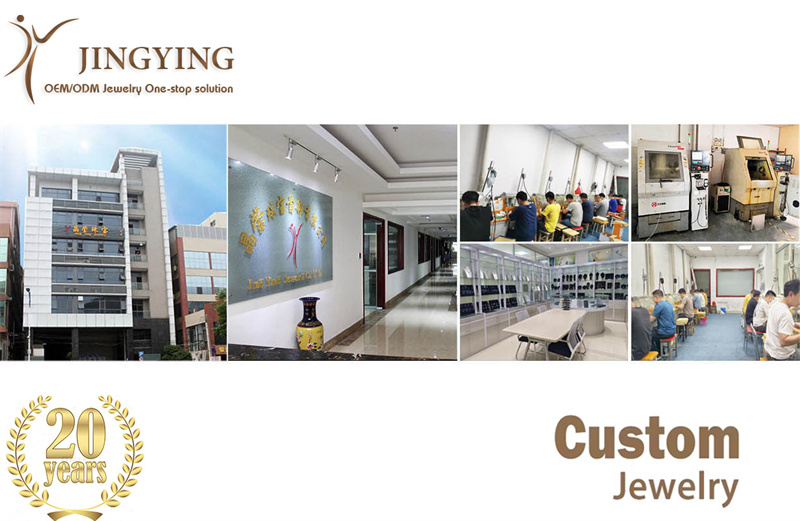
Tillverkningen av ett 14K guld anpassat namnskylthalsband är en sofistikerad process som blandar konstnärskap, teknisk precision, och avancerad tillverkningsteknik. På JINGYING, en professionell smyckestillverkare känd för sina hantverks- och anpassningsmöjligheter, varje del genomgår en noggrant kontrollerad resa från idé till färdig produkt. Denna artikel ger en omfattande, steg-för-steg översikt över hur ett 14K guld anpassat namnskylthalsband skapas, belysa de tekniska processerna, kvalitetsstandarder, och hantverk inblandat.
1. Konceptutveckling och design
Processen börjar med kundens idé. Ett anpassat namnskylthalsband är i sig personligt – det kan ha ett namn, initialer, ett meningsfullt ord, eller till och med ett stiliserat manus i ett specifikt typsnitt.
På JINGYING, designfasen innefattar vanligtvis:
- Kundkonsultation: Kunder anger detaljer som namn, önskad typsnittsstil (TILL EXEMPEL., kursiv, blockera, gotiska), storlek, tjocklek, och eventuella ytterligare utsmyckningar som diamanter eller symboler.
- CAD-design: Designers använder datorstödd design (Kad) programvara för att skapa en exakt 3D-modell av halsbandet. Denna digitala modell möjliggör exakta mätningar och visuella förhandsvisningar.
- Rendering godkännande: En realistisk rendering genereras och delas med kunden för godkännande. Justeringar görs tills designen uppfyller förväntningarna.
Denna fas är kritisk eftersom den lägger grunden för hela tillverkningsprocessen. Noggrannhet och tydlighet i designen säkerställer färre fel i senare skeden.
2. Urval: Förstå 14K guld
Innan tillverkningen påbörjas, materialet måste förberedas. 14K guld består av 58.5% rent guld och 41.5% legeringsmetaller som koppar, silver, zink, eller nickel. Dessa legeringar förbättrar hållbarheten och påverkar färgen (gul, vit, eller rosa guld).
På JINGYING:
- Guldrenhetsverifiering: Råvaror testas för att säkerställa att de uppfyller 14K-standarder.
- Legeringsblandning: Metaller mäts noggrant och smälts samman för att uppnå en konsekvent sammansättning.
- Färganpassning: Justeringar i legeringsförhållanden skapar olika guldtoner.
Resultatet är en hållbar, bärbar metall som bibehåller guldets lyxiga utseende samtidigt som den är lämplig för dagligt bruk.
3. Skapande av vaxmodeller
När designen är klar, en fysisk modell måste skapas. Detta görs vanligtvis med vax:
- 3D Tryckning eller CNC-fräsning: CAD-designen översätts till en vaxmodell med högprecisionsmaskiner.
- Detalj noggrannhet: Vaxmodellen inkluderar varje kurva, brev, och designelement i halsbandet.
- Inspektion: Tekniker inspekterar vaxmodellen för brister eller förvrängningar.
Detta steg är viktigt eftersom vaxmodellen senare kommer att användas för att skapa en form för gjutning.
4. Formframställning (Förberedelse för gjutning av investeringar)
Vaxmodellen används sedan för att skapa en form genom en process som kallas investeringsgjutning:
- Gran: Vaxmodellen är fäst vid en vax "träd" struktur som tillåter smält metall att flyta in i formen.
- Investering: Trädet placeras i en metallkolv och täcks med ett gipsliknande investeringsmaterial.
- Utbrändhet: Kolven värms i en ugn, får vaxet att smälta och bränna bort, lämnar en ihålig hålighet i form av halsbandet.
Denna process säkerställer att även de finaste detaljerna i designen bevaras i formen.
5. Guldgjutning
Gjutning är ett av de mest kritiska stegen i tillverkningsprocessen:
- Smälter guldet: Den förberedda 14K guldlegeringen värms till smält tillstånd i en ugn.
- Hällning eller vakuumgjutning: Det smälta guldet hälls eller injiceras i formen under vakuum eller centrifugalkraft för att säkerställa fullständig fyllning.
- Kyl: Formen får svalna och stelna.
När den svalnat, investeringsmaterialet bryts bort för att avslöja den råa guldgjutningen.
6. Rengöring och skärning
Efter gjutning:
- Devesting: Gipsformen avlägsnas med vattenstrålar eller mekaniska verktyg.
- Styckning från träd: Enskilda bitar skärs från gjutträdet.
- Inledande rengöring: Syrabad eller ultraljudsrengöringsmedel tar bort oxidation och rester.
I detta skede, halsbandet börjar likna sin slutliga form, men det kräver fortfarande betydande förfining.
7. Filering och förpolering
Rågjutgodset innehåller ofta små defekter som grova kanter, sömmar, eller överskott av metall:
- Handarkivering: Skickliga hantverkare använder filer för att jämna ut kanter och förfina former.
- Slipning: Roterande verktyg används för att uppnå enhetliga ytor.
- Förpolering: Biten poleras lätt för att förbereda för ytterligare efterbehandling.
Detta steg kräver precision och hantverk, eftersom överdriven arkivering kan förändra designen.
8. Montering (Om tillämpligt)
Vissa anpassade namnskylthalsband innehåller flera komponenter:
- Kedjefäste: Hoppringar eller öglor löds för att ansluta namnskylten till kedjan.
- Förberedelse av stensättning: Om ädelstenar ingår, inställningar förbereds i detta skede.
Lödning måste göras noggrant för att undvika synliga märken eller försvagning av strukturen.
9. Stenmiljö (Frivillig)
Om designen innehåller diamanter eller andra ädelstenar:
- Stenval: Stenar väljs utifrån storlek, klarhet, och kvalitet.
- Inställningstekniker: Vanliga metoder inkluderar spetsinställning, bana inställning, eller raminställning.
- Säker placering: Varje sten sätts för hand för att säkerställa hållbarhet och inriktning.
Det här steget tillför både värde och visuell tilltal till halsbandet.
10. Slutpolering
Polering förvandlar pjäsen till en färdig produkt med hög lyster:
- Buffning: Polerskivor med olika sammansättningar används för att uppnå en spegelliknande finish.
- Detaljpolering: Små verktyg polerar intrikata områden runt bokstäver och kurvor.
- Ytinspektion: Biten kontrolleras för repor eller matta fläckar.
Ett högkvalitativt lack förstärker briljansen hos 14K guld och framhäver hantverket.
11. Plåt (Om det behövs)
Beroende på design:
- Rodiumplätering: Appliceras ofta på vitt guld för att förbättra ljusstyrkan och förhindra att det blir smutsigt.
- Guldplätning: Används ibland för att intensifiera färg eller uppnå specifika finishar.
- Tjocklekskontroll: Pläteringsskikten är noggrant kontrollerade för hållbarhet.
Plätering säkerställer att den slutliga estetiken uppfyller kundernas förväntningar.
12. Kvalitetskontroll
Kvalitetssäkring är ett kännetecken för JINGYINGs tillverkningsprocess:
- Dimensionella kontroller: Mätningar verifieras mot den ursprungliga CAD-designen.
- Strukturell integritet: Halsbandet är testat för styrka och hållbarhet.
- Visuell inspektion: Experter undersöker pjäsen under förstoring för att upptäcka brister.
Endast stycken som klarar strikta kvalitetsstandarder går vidare till nästa steg.
13. Rengöring och förpackning
Före leverans:
- Ultraljudsrengöring: Tar bort eventuella kvarvarande polermedel eller rester.
- Slutbesiktning: Säkerställer att halsbandet är felfritt.
- Förpackning: Halsbandet är placerat i en skyddande och snygg förpackning, ofta anpassade med varumärke.
Detta sista steg säkerställer att produkten kommer fram i perfekt skick.
14. Logistik och leverans
JINGYING samordnar effektiv leverans:
- Säker frakt: Förpackningar hanteras varsamt för att förhindra skador.
- Dokumentation: Äkthetsintyg eller materiella detaljer kan inkluderas.
- Kundsupport: Spårning och eftermarknadsservice säkerställer kundnöjdhet.
15. Hållbarhet och etiska överväganden
Modern smyckestillverkning betonar allt mer hållbarhet:
- Ansvarsfull inköp: Guld och ädelstenar hämtas etiskt.
- Avfallsminskning: Återvinningsprocesser minimerar materialspill.
- Energieffektivitet: Avancerad utrustning minskar miljöpåverkan.
JINGYING integrerar dessa metoder för att anpassa sig till globala standarder.
Slutsats
Att tillverka ett 14K guld anpassat namnskylthalsband på JINGYING är en noggrann process som kombinerar avancerad teknik med traditionellt hantverk. Från den första designen till den slutliga poleringen, varje steg utförs med precision och omsorg. Resultatet är ett personligt smycke som inte bara speglar kundens identitet utan också förkroppsligar kvalitet, varaktighet, och konstnärlig förträfflighet.
Denna detaljerade process belyser varför anpassade smycken förblir högt värderade: varje del berättar en historia, och varje steg i produktionen bidrar till dess unika karaktär.