
Jinging: Premierowa fabryka OEM biżuterii srebrno-miedzianej średniej i wysokiej klasy, któremu zaufały główne marki
Wstęp
W światowej branży jubilerskiej, znalezienie partnera produkcyjnego, który równoważy kunszt, skalowalność, a elastyczność to nie lada wyczyn. Dla marek chcących produkować biżuterię srebrną i miedzianą średniej i wysokiej klasy, nazwa JINGYING stała się synonimem niezawodności, jakość, i innowacje. Znajduje się w jednym z najbardziej płodnych ośrodków produkcji biżuterii w Chinach, JINGYING po cichu zyskała reputację popularnego producenta oryginalnego sprzętu (OEM) dla kilku z najbardziej rozpoznawalnych marek na świecie. Już, pomimo swojej skali i prestiżu, JINGYING pozostaje niezwykle dostępny — oferuje niestandardowe zamówienia w małych partiach już od zaledwie 50 sztuki. W tym artykule wyjaśniono, dlaczego JINGYING jest preferowanym wyborem dla głównych marek, w jaki sposób polityka niskich MOQ wspiera wschodzących projektantów, i co wizyta z pierwszej ręki w jej rozległej fabryce ujawnia na temat przyszłości produkcji biżuterii.
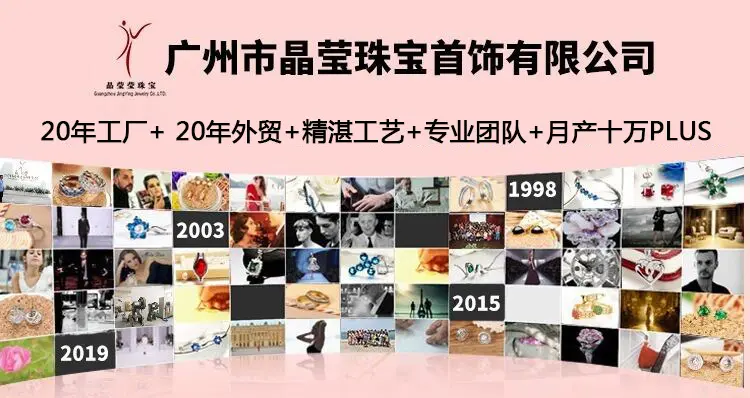
Część pierwsza: Powstanie JINGYING – od lokalnego warsztatu do potęgi przemysłowej
1.1 Skromne początki w chińskiej stolicy biżuterii
Historia JINGYING zaczyna się ponad dwie dekady temu w sercu chińskiego regionu przetwórstwa biżuterii, często nazywane „Shenzhen biżuterii”. To, co zaczęło się jako mały rodzinny warsztat, przekształciło się w najnowocześniejszy obiekt o powierzchni 50 000 metrów kwadratowych, zatrudniający ponad 800 Wykwalifikowani rzemieślnicy, inżynierowie, i specjaliści kontroli jakości. Trajektoria wzrostu firmy odzwierciedla rozwój Chin jako światowego centrum produkcji biżuterii, ale JINGYING wyróżnił się już na początku, skupiając się na niszy: biżuterię srebrną i miedzianą o wykończeniu od średniej do wysokiej.
W przeciwieństwie do masowych producentów, którzy produkują po niskich kosztach, przedmioty o niskiej trwałości, JINGYING zainwestował w odlewanie precyzyjne, Elektrobormowanie, i techniki ręcznego wykańczania, które mogą konkurować z europejskimi pracowniami. Na początku 2010 roku, fabryka miała już zapewnione kontrakty z krajowymi chińskimi luksusowymi butikami. Przez 2020, na liście jej klientów znalazły się międzynarodowe domy mody, bezpośrednio do konsumenta (DTC) startupy jubilerskie, a nawet muzealne sklepy z pamiątkami.
1.2 „Tajna broń wielkich marek”
Zapytaj dowolnego specjalistę z branży jubilerskiej, jaką fabrykę polecają do produkcji elementów ze srebra i miedzi, które nie wyglądają ani nie sprawiają wrażenia tanich, a odpowiedź często brzmi: JINGYING. Największe marki wybierają JINGYING z trzech głównych powodów: konsystencja, czystość materialna, i wierność projektu. Zdolność fabryki do replikowania skomplikowanych projektów CAD z dokładnością na poziomie mikrona oznacza, że szkic na papierze staje się fizycznym prototypem w ciągu zaledwie pięciu dni.
Ponadto, Wewnętrzny dział galwanizacji JINGYING oferuje rod, złoto, paladium, i wykończenia zapobiegające matowieniu, które przekraczają międzynarodowe standardy. Do kawałków miedzi, fabryka udoskonaliła techniki utleniania i patynowania, które tworzą vintage, steampunk, lub nowoczesne efekty matowe na zamówienie. Te możliwości sprawiły, że JINGYING stał się niewidzialną ręką stojącą za niezliczonymi, udanymi kolekcjami biżuterii.
Część druga: Dlaczego główne marki ufają JINGYING – głębokie zanurzenie się w jakość i skalę
2.1 Bezkompromisowe pozyskiwanie materiałów
Jednym z największych zagrożeń dla każdej marki biżuterii jest niestabilna jakość metalu. JINGYING eliminuje to ryzyko poprzez pozyskiwanie srebra (925 funt szterling i 990 Drobne srebro) i miedź (czerwony mosiądz, żółty mosiądz, miedź bez berylu) bezpośrednio od London Bullion Market Association (LBMA)-certyfikowane rafinerie. Każda partia jest testowana przy użyciu fluorescencji rentgenowskiej (Xrf) analizatory w celu sprawdzenia składu przed rozpoczęciem produkcji. Dzięki temu każdy egzemplarz opuszczający fabrykę spełnia standardy cechowania obowiązujące na rynkach takich jak UE, Wielka Brytania, i USA.
Dla marek zaniepokojonych alergią na nikiel lub zawartością ołowiu, JINGYING oferuje w standardzie formuły niezawierające niklu i ołowiu. Na żądanie fabryka udostępnia także raporty laboratoryjne stron trzecich, zapewniając markom pełną identyfikowalność.
2.2 Zaawansowane możliwości produkcyjne
Hala produkcyjna JINGYING przypomina muzeum nowoczesnej produkcji biżuterii:
-
3D Druk woskowy & Odlewanie żywicy: 30 drukarki o wysokiej rozdzielczości drukują gotowe do wypalenia wzory o rozdzielczości 0,02 mm.
-
Próżnia & Odlewanie odśrodkowe: Odpowiednio dla srebra i miedzi, zapewniając brak pęcherzyków powietrza, gęste odlewy.
-
Frezowanie CNC & Cechowanie: Do dużych projektów geometrycznych lub komponentów wymagających ekstremalnej powtarzalności.
-
Spawanie laserowe & Mikro ustanawianie: Do delikatnych łańcuchów i osadzania kamieni o średnicy do 0,8 mm.
-
Galwanizacja: Do lekkich, ale obszernych srebrnych kawałków, które w przeciwnym razie byłyby zbyt ciężkie lub drogie, aby odlać je w całości.
Ten technologiczny arsenał pozwala firmie JINGYING produkować wszystko, od minimalistycznych pierścionków do układania po wyszukane bransoletki mankietowe, naszyjniki z wisiorkami, kolczyki, spinki do mankietów, a nawet małe puste przestrzenie, takie jak pudełka na pigułki i kompaktowe lusterka.
2.3 Kontrola jakości: 12-System kontroli punktowej
Największe marki nie mogą sobie pozwolić na zwroty ze względu na porowatość, słabe stawy, lub uszkodzenie powłoki. Proces kontroli jakości JINGYING obejmuje 12 obowiązkowe punkty kontrolne:
-
Weryfikacja stopu (Xrf)
-
Kontrola wzoru wosku
-
Kontrola bańki inwestycyjnej
-
Gęstość odlewu (ultradźwiękowy)
-
Wizualna porowatość powierzchni
-
Wspólna siła (próba ciągnięcia)
-
Bezpieczeństwo ustawienia kamienia
-
Jednolitość polerowania
-
Grubość poszycia (Znowu XRF)
-
Opór z niszczeniem (spray solny)
-
Test zużycia (symulowane codzienne użytkowanie)
-
Ostateczna integralność opakowania
Każdy element, który nie przejdzie choćby jednego punktu kontrolnego, jest odrzucany i poddawany recyklingowi. Rezultatem jest udokumentowany wskaźnik defektów wynoszący poniżej 0.3% dla przedmiotów srebrnych i poniżej 0.5% w przypadku miedzi — wartości dorównujące szwajcarskim i włoskim konkurentom za ułamek ceny.
Część trzecia: Przełamanie formy — dostosowywanie w małych partiach od 50 Sztuki
3.1 Branżowy problem MOQ
Tradycyjnie, fabryki biżuterii wymagają minimalnych ilości zamówień (MOQS) z 500 Do 5,000 elementy na projekt. Zmusza to wschodzące marki do nadmiernych inwestycji w zapasy, stawiaj na nieprzetestowane projekty, lub całkowicie porzucić produkcję na zamówienie na rzecz hurtowej sprzedaży produktów generycznych. JINGYING wcześnie rozpoznał ten problem i podjął strategiczną decyzję: obniżyć barierę.
Od 2018, JINGYING oferuje personalizację małych partii już od zaledwie 50 elementy na projekt. Jest to prawie niespotykane w przypadku fabryki tej wielkości obsługującej główne marki. Jak oni to robią ekonomicznie? Dzięki inteligentnym narzędziom modułowym, wspólne drzewa odlewnicze, i zautomatyzowane procesy wykańczania, które można efektywnie skalować. Do artykułów miedzianych, MOQ może spaść tak nisko, jak 30 elementy do prostych projektów.
3.2 Co naprawdę oznacza „dostosowywanie” w JINGYING
Kiedy JINGYING mówi „niestandardowe”.,” oznaczają pełną kontrolę twórczą:
-
Oryginalne projekty: Twój CAD, STL, lub plik 3DM, lub ich wewnętrzni projektanci mogą tworzyć na podstawie szkicu lub tablicy nastrojów.
-
Wybór materiału: Wybierz 8 gatunki srebra i 12 stopy miedzi, w tym opcje pochodzące z recyklingu.
-
Wykończenie powierzchni: Wysoki połysk, Mat, szczotkowane, Sandblasted, utleniony, patynowany, dwukolorowy, lub selektywne powlekanie.
-
Ustawienie kamienne: Cubic Zirkonia, Klejnoty hodowane w laboratorium, kamienie naturalne (na żądanie), lub wkłady emaliowane.
-
Branding: Grawerowanie laserowe logo, numery seryjne, lub nawet kody QR wewnątrz elementu.
-
Opakowanie: Niestandardowe woreczki, pudełka, lub karty z Twoim brandingiem, gotowy do wysłania statku.
Fabryka dostarcza do zatwierdzenia do trzech próbek fizycznych przed masową produkcją. Czas realizacji od zatwierdzenia próbki do dostarczenia 500 sztuk wynosi zazwyczaj 15–20 dni roboczych.
3.3 Studium przypadku: Jak startup wykorzystał niskie MOQ JINGYING do pomyślnego uruchomienia
Marka: Luna & Współ., amerykańska marka biżuterii DTC skupiająca się na miedzianych elementach o tematyce niebiańskiej.
Wyzwanie: Wymagany 12 unikalne jednostki SKU (kolczyki, naszyjniki, pierścienie) ale miał ograniczony kapitał. Wymagały tradycyjne fabryki 500 za SKU = 6,000 jednostki minimalne.
Rozwiązanie: JINGYING zaakceptował 50 sztuk na SKU, całkowity 600 jednostki.
Wynik: Luna & Współ. uruchomiony z $18,000 w ekwipunku zamiast $180,000. Ich bestsellerowy pierścionek był zamawiany trzy razy w ciągu sześciu miesięcy. Założyciel powiedział Jewelry Insider: „Bez niskiego MOQ JINGYING, Nigdy nie opuściłbym etapu koncepcyjnego.
Część czwarta: Wizyta w fabryce – jak naprawdę wygląda „zweryfikowana fabryka na dużą skalę”.
4.1 Pierwsze wrażenia: Rozmiar budzący szacunek
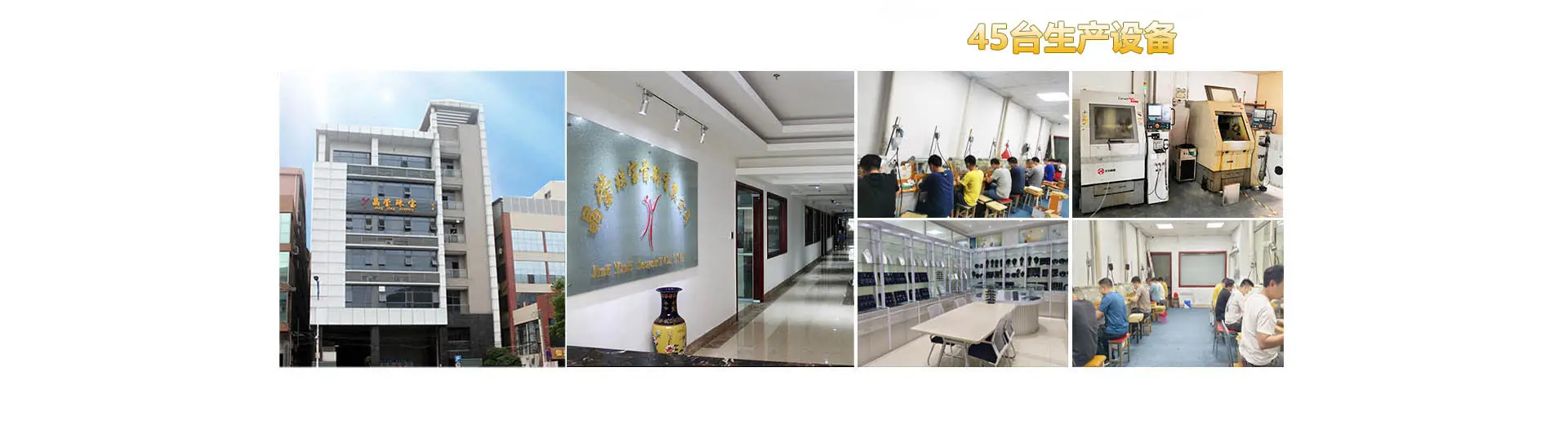
Kiedy autor odwiedził główny kampus JINGYING w prowincji Guangdong, pierwszą rzeczą, która mnie uderzyła, była skala. Fabryka zajmuje całą strefę parku przemysłowego, z oddzielnymi budynkami do odlewania, platerowanie, ustawienie kamienne, montaż, i magazynowanie. Dedykowany R&Centrum D wyróżnia się, obsadzona przez 45 inżynierowie pracujący nad nowymi stopami, techniki wykańczania, i rozwiązania automatyzacyjne.
W przeciwieństwie do mniejszych warsztatów, w których produkcja wydaje się chaotyczna, JINGYING działa w oparciu o zasady odchudzonej produkcji. Każde stanowisko pracy jest oznaczone, każde narzędzie pokryte cieniami, a każdy pracownik nosi kolorowy mundur wskazujący poziom posiadanych kwalifikacji. Podłogi są bez skazy, w systemy filtracji powietrza usuwające pył metalowy – znak szacunku zarówno dla zdrowia pracowników, jak i jakości produktu.
4.2 Spacer po linii produkcyjnej
Mój przewodnik, Dyrektor Operacyjna Pani M. Chen, przeprowadził mnie przez cały proces, od surowych granulek srebra po gotowy naszyjnik.
Krok 1 - Projekt & Prototypowanie
W pokoju CAD, projektanci pracowali na ekranach wyświetlających modele 3D dla jesiennej kolekcji europejskiej marki modowej. Obok nich, żywiczne drukarki 3D brzęczały, produkując drzewa woskowe, które rzucałyby 200 identyczne wisiorki na raz.
Krok 2 – Odlew
W sali castingowej było najgłośniej, z syczącymi maszynami próżniowymi i piecami świecącymi na pomarańczowo w temperaturze 950°C. SM. Chen wyjaśnił, że JINGYING wykorzystuje zarówno odlewanie na wosk tracony w przypadku skomplikowanych elementów, jak i wycinanie w przypadku prostszych kształtów. „Za miedź, podgrzewamy kolbę dłużej, aby zapobiec porowatości gazu,– zauważyła.
Krok 3 – Wykończenie
Rzędy tokarek polerskich, spadające beczki, a wykańczacze magnetyczne przekształciły surowe odlewy w powierzchnie przypominające lustro. W oddzielnym pomieszczeniu przeprowadzono patynowanie – kawałki miedzi zanurzane w roztworach wątroby siarki w celu uzyskania antycznej czerni, niebiesko-zielony, lub czerwono-brązowe patyny. Obserwowałem, jak robotnik ręcznie szczotkował patynę w wystającym miejscu, aby uzyskać efekt dwukolorowy, proces niemożliwy do zautomatyzowania.
Krok 4 – Platerowanie
Najbardziej ograniczonym obszarem była linia galwaniczna. Przez szklane okno, Widziałem wisiorki obracające się w beczkach z roztworem rodu. „Używamy 0.5 mikronów rodu w przypadku srebra — dwukrotnie więcej niż standard branżowy," SM. powiedział Chen. „Dlatego nasze produkty są odporne na matowienie przez lata”.
Krok 5 - Jakość & Opakowanie
Ostatni pokój kontroli jakości miał 20 inspektorzy pod lampami powiększającymi. Każdy kawałek był ważony, wymierzony, i wizualnie zeskanowane. Odrzuty trafiały do czerwonego kosza do recyklingu. Zatwierdzone elementy trafiają następnie do pakowania, gdzie czekały pudełka z niestandardową marką.
4.3 Weryfikacja: Co sprawia, że fabryka jest „zweryfikowana”
Wiele fabryk twierdzi, że są „na dużą skalę”.,”, ale JINGYING zapewnia weryfikowalny dowód:
-
ISO 9001:2015 (Zarządzanie jakością) I ISO 14001:2015 (Zarządzanie środowiskiem) certyfikaty.
-
Audyt Sedex SMETA (4-strzałka) za etyczne praktyki pracy.
-
RJC (Odpowiedzialna rada biżuterii) Certyfikat Kodeksu Praktyk.
-
Polityka otwartej księgi: Klienci mogą zaplanować niezapowiedziane audyty w dowolnym momencie.
Podczas mojej wizyty, Zauważyłem tablicę wyświetlającą dane dotyczące produkcji w czasie rzeczywistym oraz inną tablicę zawierającą listę skarg pracowników i daty ich rozstrzygnięcia – poziom przejrzystości rzadko spotykany w chińskiej produkcji. Fabryka produkuje również osłony paneli słonecznych 30% swoich potrzeb energetycznych, z celem 70% przez 2027.
Część piąta: Zaleta „Fabryki źródłowej” – dlaczego możliwy jest prawie każdy projekt
5.1 Mit „Nie możemy tego zrobić”
Jednym z najczęściej powtarzanych zwrotów JINGYING jest: „Jeśli potrafisz to narysować, prawdopodobnie nam się to uda. Ta pewność wynika z dziesięcioleci zgromadzonej wiedzy na temat narzędzi i procesów. Przez lata, fabryka zbudowała wewnętrzną bibliotekę liczącą ponad 15,000 formy odlewnicze, stemple, i przyrządy wykończeniowe. Nawet jeśli nowy projekt wymaga niestandardowego oprzyrządowania, Wewnętrzny sklep z formami JINGYING może wyprodukować go w ciągu 3–5 dni.
Przykłady „trudnych” projektów, które rutynowo wykonują:
-
Puste srebrne koraliki z ruchomymi grzechotkami wewnętrznymi – Wymaga precyzyjnego galwanizacji i montażu.
-
Miedziane bransoletki z ukrytymi zawiasami sprężynowymi – Wymaga wąskich tolerancji i obróbki cieplnej.
-
Kolczyki w stylu chainmaille z 100+ zazębiające się pierścienie – Zautomatyzowane wytwarzanie pierścieni i montaż ręczny.
-
Dwukolorowe srebrno-miedziane pierścionki z wkładką – Osiągnięto to poprzez oddzielny odlew i montaż na wcisk.
-
Teksturowane wykończenia „młotkowane”, które w rzeczywistości są stemplowane – Spójny wzór bez zmian.
5.2 Obsługa złożonych żądań: Prawdziwy przykład
Brytyjska marka zwróciła się do JINGYING z trudną prośbą: miedziany wisiorek w kształcie ludzkiego zęba trzonowego, pusty, aby zmniejszyć wagę, z ukrytą kieszenią na chip NFC, pokryty 18-karatowym różowym złotem na zewnątrz i matowym czarnym rutenem wewnątrz. Oh, i chcieli to za mniej $8 za jednostkę o godz 200 sztuki.
Większość fabryk by się roześmiała. Inżynierowie JINGYING spędzili dwa tygodnie na opracowywaniu rozwiązania: odlew z wosku traconego w celu ustalenia kształtu zęba, silikonowy rdzeń tworzący pustą wnękę, zamknięcie z gwintem wykonanym oddzielnie, następnie selektywne maskowanie podczas powlekania. Ostateczny koszt jednostkowy: $7.40. Od tego czasu marka złożyła cztery ponowne zamówienia.
5.3 Innowacje materiałowe wykraczające poza standardowe stopy
Podczas gdy większość fabryk się tego trzyma 925 srebro i podstawowy mosiądz, JINGYING aktywnie eksperymentuje:
-
Srebro Argentium® (Funt szterling odporny na matowienie)
-
Nordyckie złoto (stop miedzi, aluminium, cynku i cyny, hipoalergiczny)
-
Shakudo® (Japoński stop miedzi i złota do patynowania)
-
Srebro z recyklingu & miedź (100% postkonsumencki, atestowany)
-
Arkusze bimetaliczne (srebro połączone z rdzeniem miedzianym w celu oszczędności kosztów)
Dla marek poszukujących certyfikatów zrównoważonego rozwoju, JINGYING może dostarczyć dokumentację dotyczącą łańcucha dostaw materiałów pochodzących z recyklingu.
Część szósta: Poradnik praktyczny – Jak pracować z JINGYING
6.1 Pierwsze kroki: Minimalne wartości, Wycena, i Osie czasu
-
MOQ: 50 sztuk według wzoru dla srebra; 50 dla miedzi (30 do bardzo prostych projektów)
-
Opłata za próbkę: $50– 150 dolarów za projekt (podlega zwrotowi w przypadku zamówień powyżej 500 sztuki)
-
Przykładowy czas realizacji: 7–10 dni roboczych
-
Czas realizacji produkcji: 15–20 dni roboczych dla 50–500 sztuk; 25–30 dni dla 500–2 000 sztuk
-
Przykład ceny (2025 szacunki, FOB Shenzhen):
-
Prosty srebrny pierścionek (4G): $3.20– 4,50 dolarów
-
Miedziany wisiorek (8G): $2.10– 3,00 dolarów
-
Kolczyki koła w kolorze srebrnym (para, 6g łącznie): $4.80– 6,50 dolarów
-
Miedziana bransoletka mankietowa (15G): $3.50– 5,00 dolarów
-
-
Wysyłka: JINGYING współpracuje z DHL, FedEx, i spedytorów. Małe zamówienia wysyłane są przesyłką przyspieszoną (3–5 dni), duże zamówienia drogą morską (20–30 dni).
6.2 Komunikacja & Język
Fabryka posiada wyspecjalizowany międzynarodowy zespół sprzedaży biegle posługujący się językiem angielskim, z tłumaczem technicznym dostępnym w przypadku skomplikowanych dyskusji. Wszystkie cytaty, faktury, i raporty kontroli jakości są dostarczane w języku angielskim i chińskim. Klienci otrzymują cotygodniowe aktualizacje zdjęć/wideo podczas produkcji.
6.3 Ochrona własności intelektualnej
Największe marki obawiają się kradzieży projektów. JINGYING podpisuje rygorystyczne umowy NDA i stosuje podzielony na segmenty system produkcji, w którym żaden pojedynczy pracownik nie widzi całego procesu projektowania kolekcji marki. Do projektów wysokiego ryzyka, klienci mogą zażądać zniszczenia wszystkich form i wzorów woskowych po wyprodukowaniu, udokumentowane wideo.
6.4 Zwiedzanie fabryki
JINGYING zachęca poważnych potencjalnych klientów do odwiedzenia. Fabryka zlokalizowana 45 minut od międzynarodowego lotniska Shenzhen Bao’an. Pakiety dla gości obejmują:
-
Półdniowe zwiedzanie wszystkich działów produkcyjnych
-
Spotkanie z zespołem inżynierów w celu przeglądu projektów
-
Możliwość bycia świadkiem castingu
-
Obiad w stołówce pracowniczej fabryki (zaskakująco dobra kuchnia kantońska)
-
Transport na/z lotniska na życzenie w przypadku zamówień powyżej $10,000
Część siódma: Przyszłość – rola JINGYING w rozwijającej się branży jubilerskiej
7.1 Onshoring vs. Offshoring: Dlaczego Chiny wciąż wygrywają
Pomimo rozmów o powrocie produkcji na Zachód, JINGYING stale się rozwija, ponieważ oferuje coś, czego zachodnie fabryki nie mogą: efektywność kosztowa bez poświęcania jakości. Porównywalna fabryka we Włoszech lub w USA pobierałaby 3–5 razy więcej za tę samą sztukę srebra. Tymczasem, niedrogim konkurentom w Indiach i Azji Południowo-Wschodniej brakuje spójności jakościowej i elastyczności projektowej JINGYING. „Najlepszy punkt”, w którym znajduje się JINGYING – od średniej do wysokiej klasy przy dostępnych MOQ – pozostaje wyłącznie chiński.
7.2 Inicjatywy na rzecz zrównoważonego rozwoju
JINGYING intensywnie inwestuje w uzdatnianie wody w obiegu zamkniętym na potrzeby swojej linii galwanicznej, recykling 95% wody do płukania. W fabryce funkcjonuje również system odzysku srebra, który umożliwia regenerację 99.7% cząstek srebra z pyłu polerskiego i zużytej masy inwestycyjnej. Przez 2026, dążą do neutralności pod względem emisji dwutlenku węgla dla Scope 1 I 2 emisje.
7.3 Wzmacnianie pozycji nowej generacji marek jubilerskich
Najbardziej ekscytującym trendem, jaki umożliwia JINGYING, jest rozwój mikromarek. Z 50-częściowymi MOQ, projektant może przetestować nową kolekcję już za jedyne $500 w kosztach produkcji. Jeśli projekt się wyprzeda, zmieniają kolejność 200 sztuki. Jeśli wypadnie, brakuje im tylko niewielkiej inwestycji. To oszczędne podejście do ryzyka związanego z zapasami rewolucjonizuje sposób wprowadzania na rynek i skalowania marek jubilerskich.
Wniosek: Czy JINGYING jest odpowiedni dla Twojej marki?
Jeśli jesteś marką jubilerską – czy to Fortune 500 firmy lub jednoosobowego założyciela pracującego w wolnej sypialni – co wymaga elementów ze srebra lub miedzi średniej i wysokiej klasy, JINGYING zasługuje na poważne spojrzenie. Fabryka łączy kontrolę skali i jakości wymaganą przez główne marki z elastycznością i niskimi MOQ, których potrzebują wschodzące marki. Wizyta osobista potwierdza to, co sugerują certyfikaty: to jest duże, profesjonalny, sprawdzone działanie, które jest w stanie przekształcić niemal każdy projekt w fizyczną rzeczywistość.
Dla marek zmęczonych fabrykami, które obiecują „wszystko”, ale zapewniają porowatość, plamić, i wymówki, JINGYING oferuje orzeźwiającą alternatywę. Ich motto, „Robimy to, co sobie wyobrażasz,” to nie tylko marketing — to filozofia produkcji potwierdzona tysiącami udanych kolekcji, od wybiegów Tygodnia Mody w Nowym Jorku po listy bestsellerów Etsy.
Aby poprosić o wycenę, zaplanować wizytę w fabryce, lub po prostu zadaj pytanie techniczne, skontaktuj się z międzynarodowym zespołem JINGYING pod adresem [oficjalny adres e-mail] lub za pośrednictwem ich strony internetowej. Pamiętać: wspaniała biżuteria zaczyna się od świetnej fabryki. A JINGYING czeka, aby zbudować Twój — zaczynając od zaledwie 50 sztuki.