
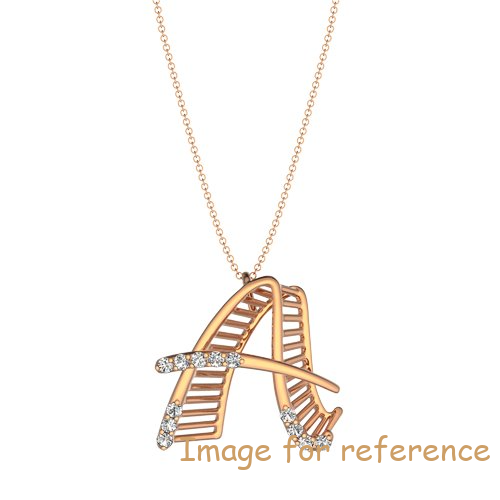
925 Naszyjnik wykonany ze srebra wysokiej próby w kolorze różowego złota, wykonany z fabryki biżuterii na zamówienie
A gem in the chrysoberyl family.
Changes color from Green to Red.
A durable gem.
Alexandrite is a gemstone in the family group “chrysoberyl” that changes color in different lighting. When outside in daylight, an Alexandrite stone is a green or greenish-Blue. But inside, under warm lightbulbs or by candlelight, it is a purplish-Red. This leads some to refer to it as an “emerald by day, ruby by night.”
comparison of color change stone
Emerald-green Alexandrite compared to Ruby-red Alexandrite. (Zdjęcie autorstwa:RODZINA)
This unique and mysterious color change is one reason couples search for an Alexandrite engagement ring. Another is that it is quite a hard gem at 8.5/10 w skali twardości Mohsa (diamond is a 10)! Innymi słowy, “Alex” stands up to everyday wear.
What is the best color for an Alexandrite engagement ring?
Green or blueish-Green to Red or purplish-Red are the best.
Lab stones are a little more blue and a little more purple.
Imitation stones don’t change color or change to the wrong color.
Like all colored gemstones, the most important factor is color. In color-change gems, this also means how completely the stone changes from one color to another!
NATURAL ALEXANDRITE ENGAGEMENT RINGS
A top quality natural Alexandrite will change fully from Green to Red under different light sources. There will be no hints of green in the red, no hints of red in the green. The gem will appear to magically, fully transform simply by turning on a light. Natural stones with this full color change are exceedingly rare and sought after. Pary powinny mieć świadomość, że naturalne klejnoty niższej jakości bardziej przypominają akwarelę, z odrobiną fioletu przechodzącego w zieleń, i odwrotnie.
Odtwarzacz wideo
00:00
00:08
Laboratorium stworzyło aleksandrytowe pierścionki zaręczynowe
Wytworzony w laboratorium aleksandryt ma tę samą twardość, zmiana koloru, i skład chemiczny jako jego naturalny imiennik. Pod względem koloru, Zielony odcień kamienia laboratoryjnego jest bardziej niebieskawy niż wersja Natural. Jego czerwony odcień ma również tendencję do przybierania bardziej fioletowego odcienia. Prawdziwe kamienie stworzone w laboratorium (w porównaniu z symulatorami, zobacz więcej poniżej) mieć pełny, spektakularna zmiana koloru.
porównanie stworzonego w laboratorium kamienia zmieniającego kolor
Laboratorium stworzyło aleksandryt w oświetleniu fluorescencyjnym (lewy) i oświetlenie żarowe (Prawidłowy).
SYMULOWANY ALEKSANDRYT
Istnieje mnóstwo „symulantów”.. To, co rozumiemy przez „płyn symulacyjny”, to klejnot, który ludzie nazywają Alex, but it is NOT an Alexandrite stone. Natural or Lab. This is important because simulants either don’t change color or change to the wrong color. Some are even the wrong color to begin with. Most simulated stones are also not nearly as durable. Due to Alex’s mystical lure, simulants have been made since the 1800’s! Więc, when looking for an Alexandrite engagement ring, know that just because it’s antique, doesn’t mean it’s real. Always buy from a source that has actually tested and examined the stone.
alexandrite engagement ring simulant in yellow gold
A ring with a simulated round Alexandrite stone.
Is Alexandrite rare?
Tak! Natural gems are exceedingly rare. More rare than diamonds, Właściwie. This is because the elements needed to form it do not regularly occur together here on Earth. W rezultacie, na całym świecie istnieje tylko kilka złóż naturalnego aleksandrytu! Oznacza to także, że istnieje realne prawdopodobieństwo, że złoża te kiedyś się wyczerpią. Rosyjskie perełki już się wyczerpały. Innymi słowy, prawdopodobnie nadejdzie czas, kiedy ten klejnot nie będzie już wydobywany. Jak można przypuszczać, to sprawia, że kamienie szlachetne są niezwykle rzadkie. W rzeczywistości, wielu jubilerów nigdy nawet nie widziało Natural Alexa. Ta spektakularna rzadkość sprawia, że pierścionek zaręczynowy aleksandrytowy jest prezentem naprawdę jedynym w swoim rodzaju.
Czy pierścionek zaręczynowy aleksandrytowy jest drogi??
Zawsze istnieje sposób na zdobycie tego, czego chcesz, za cenę, na którą Cię stać! Pary mogą umieścić kamień zmieniający kolor w swoim pierścionku zaręczynowym na kilka sposobów. Ze względu na jego niedostatek, jakość klejnotu Natural Alex osiąga wysokie ceny. Więc, many couples opt for a smaller Natural center stone or include small Natural side stones in order to make Alexandrite affordable. Another great option is Lab Alexandrite, Który, due to being made by man, is much more reasonable.
PRICE DIFFERENCE: NATURAL V. LAB ALEXANDRITE
Carat Weight AAA Natural Alex Lab Alex
.10-.20Ct $300-$1,000 $35-$70
1.00Ct $9,000-$15,000 $350
2.00Ct $20,000-$40,000 $700
How to Pick a Lab Alexandrite Engagement Ring
Couples choosing a Lab Alexandrite should first ensure their jeweler is selling true Lab Alexandrite and not a simulant. Następnie, as Lab Created Alex is formed in perfect color change and clarity, all you have to do is pick a shape, rozmiar, i ustawienie!
LAB ALEXANDRITE SHAPE & ROZMIAR
Couples choosing Lab stones have greater options when it comes to shape (cięcie) i rozmiar (waga w karatach). Innymi słowy, Lab Alex comes in heavier carat weight than Natural Alex, as well as in shapes not often faceted in natural stones (such as ro