
I hjertet av de gamle handelsrutene der øst møter vest, Republikken Tyrkia står som en koloss av smykkehåndverk. I årtusener, Anatolia har vært en smeltedigel for metallurgi, fra hetittenes delikate gullverk til det osmanske rikets overdådige keiserlige juveler. I dag, Tyrkia er blant de fem beste smykkeeksportørene i verden, en nasjon med en forbrukerbase som ikke bare bærer smykker, men krever det som en utvidelse av identiteten, kultur, og status. Ennå, innenfor dette mettede markedet av håndverkere og høyvolumprodusenter, et nytt paradigme dukker opp: den presisjonskonstruerte, spesialfokusert tilnærming til premium 925 Sterling sølv.
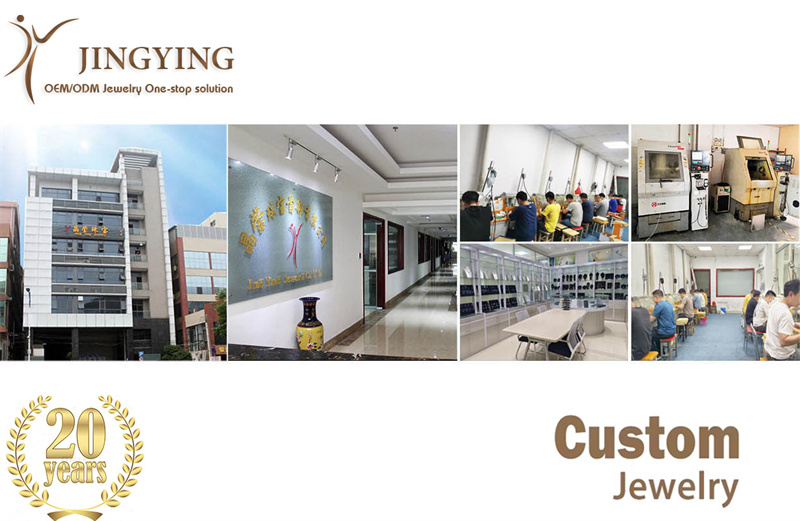
Gå inn i JINGYING Custom Jewelry. I en bransje dominert av tradisjonelle gullsmeder (gullsmeder) og masseprodusert import fra Sørøst-Asia, JINGYING posisjonerer seg ikke som bare en annen leverandør, men som en strategisk partner for det tyrkiske B2B-landskapet. Denne artikkelen utforsker den strategiske oppføringen, produktspesialisering, og kulturell tilpasning som kreves for JINGYING – en merkevare som fokuserer på premium 925 sterling sølv – for å fange den kresne tyrkiske forbrukeren. Vi vil fordype oss i den tekniske overlegenheten til produksjonen, nyansene av tilpasning i et kulturelt rikt marked, og de logistiske broene som strekker seg fra produksjonsknutepunktene til de travle basarene og luksusbutikkene i Istanbul, Ankara, og Izmir.
Del I: Det tyrkiske markedet – et landskap av kontraster
For å lykkes i Tyrkia, man må først forstå dualiteten til smykkemarkedet. På den ene siden ligger "Den store basaren" mentalitet: en dypt rotfestet tradisjon med høykarat gull (22k og 18k) sett på som en likvid eiendel, en form for sparing (besparelser). I flere tiår, sølv ble henvist til bakgrunnen, ofte oppfattet som metallet til de lavere klassene eller masseproduserte suvenirer.
Imidlertid, det siste tiåret har vært vitne til et seismisk skifte. Det flyktige økonomiske klimaet, preget av svingende valutakurser og høy inflasjon, har gjort høykaratgull uoverkommelig dyrt for middelklasseforbrukerens daglige garderobe. Samtidig, en yngre, kosmopolitisk demografi – drevet av europeiske motetrender og sosiale medier-påvirkere – søker estetisk allsidighet fremfor egenverdi. Det er her 925 Sterling sølv har gjenvunnet sin trone.
JINGYING erkjenner at den moderne tyrkiske forbrukeren ikke er ute etter spinkel, raskt anløpende sølv. De krever førsteklasses kvalitet. Den tyrkiske kjøperen er sofistikert; de forstår kjennetegn, vekt, og håndverk. De skiller mellom lav kvalitet "importert sølv" som oksiderer i løpet av uker og høy kvalitet, rhodium-ferdig sterling sølv som tåler fuktigheten i Istanbuls kystluft og surheten til den tyrkiske baderom (badehus).
Markedet er delt inn i tre forskjellige kanaler:
-
High-Street-forhandlerne: Kjeder som Atasay, Kuyumcukent, og Zen Pırlanta høyvolumsetterspørsel, konsistent kvalitet med strenge leveringstidslinjer.
-
Boutique-designerne: Spredt over Nişantaşı og Bebek, disse designerne søker lavt volum, høyunike stykker som forteller en historie. De er portvaktene til luksusoppfatningen.
-
De digitale entreprenørene: Tyrkia har et blomstrende økosystem for e-handel og salg av sosiale medier for smykker. Instagram- og Trendyol-selgere krever rask påfyll av virale trender.
JINGYINGs fokus på Tilpasset smykker fungerer som den samlende tråden over disse segmentene. Ved å tilby muligheten til å tilpasse – enten det er en spesifikk vekt for en gullbelagt variant, et unikt filigranmønster som gjenspeiler osmanske motiver, eller personlig navneskilt halskjeder med latinsk eller arabisk skrift – JINGYING går fra å være en leverandør til en samarbeidspartner.
Del II: The JINGYING Edge – Precision Engineering i sterlingsølv
Hva skiller JINGYING fra lokale tyrkiske håndverkere? Svaret ligger i syntesen av avansert produksjonsteknologi med håndverksmessig finish.
Tyrkia har en overflod av dyktige sølvsmeder i byer som İzmir og Trabzon. Imidlertid, de tradisjonelle metodene er ofte arbeidskrevende, langsom, og utsatt for inkonsekvenser ved oppskalering. JINGYING opererer på en filosofi om "Industrielt kunstnerskap."
1. Metallurgien: Bortenfor 925
Mens bransjestandarden er 92.5% rent sølv blandet med kobber for holdbarhet, JINGYINGs premiumlinje bruker en proprietær legering som inkluderer en presis prosentandel germanium eller platina. Dette skaper en "anti-anløp" eiendom som er kritisk for det tyrkiske markedet.
-
Teknisk fordel: Tyrkiske forbrukere oppbevarer ofte smykker under ikke-lufttette forhold. JINGYINGs legering sørger for at "sverting" effekt felles for sølv er forsinket med 300% sammenlignet med standard sølv.
-
Tykkelse av plating: For variantene rosa gull og gult gullbelagt (et massivt segment i Tyrkia hvor "gull-look sølv" er en stift), JINGYING bruker et 3 mikron tykt lag av 18k gull, etterfulgt av en beskyttende e-belegg. Denne tykkelsen er det dobbelte av bransjegjennomsnittet, sikre at smykkene ikke slites av etter tre måneders bruk – en vanlig klage på det tyrkiske markedet angående importert sølv.
2. 3D Design og Rapid Prototyping
Det tyrkiske markedet er impulsivt. En trend dukker opp Kjærlighet til leie (en populær TV-serie) på kvelden, og forbrukerne krever smykkene neste uke. JINGYING utnytter en robust CAD (Datastøttet design) avdeling som er i stand til å gjøre en serviettskisse til en 3D-trykt voksmodell innenfor 24 timer.
-
Tilpasning for B2B-klienten: Tyrkiske forhandlere ber ofte om eksklusivitet. JINGYINGs tjeneste lar en klient kjøpe et design direkte, sikre at ingen andre konkurrenter i stor basar (Den store basaren) vil bære det samme stykket. Dette beskytter forhandlerens margin og merkevareidentitet.
3. Stone Setting Mestring
Tyrkere er besatt av diamant (diamanter) og kunstig stein (zirkoniumoksid). JINGYING bruker høykvalitets Cubic Zirconia (CZ) og laboratoriedyrkede edelstener satt ved hjelp av mikro-pavé-teknikker som vanligvis er reservert for fine smykker. Innstillingen er avgjørende; i et marked der en stein som faller ut, anses som en fatal feil, JINGYING bruker trippelsjekk kvalitetskontroll (QC) prosesser – visjonsinspeksjon, trykktesting, og manuell bøyningstesting - for å sikre holdbarheten til utstikkerne.
Del III: Kulturell følsomhet i design – Snakker det tyrkiske språket
Skal selges i Tyrkia, du må ikke bare oversette produktbeskrivelsen til tyrkisk; du må oversette sjel av produktet. JINGYINGs designteam har investert tungt i å forstå semiotikken i tyrkisk estetikk.
Motivmatrisen
-
Det onde øyet (Nazar): Dette er ikke bare et motiv; det er et kulturelt imperativ. Imidlertid, JINGYING unngår det generiske blå glass-utseendet. I stedet, de integrerer Nazar i eksklusivt sterlingsølv ved hjelp av blå emaljeinnlegg, safirsteiner, eller intrikat gravering. Produktet markedsføres ikke bare som et motetilbehør, men som et beskytter (beskytter).
-
Osmansk vekkelse: Det er en nåværende gjenoppblomstring i tyrkisk design som ser tilbake til tulipantiden og den osmanske barokken. JINGYING spesialiserer seg på lasergraverte sterlingsølvbiter som etterligner det intrikate plogskjær (treinnlegg) mønstre funnet på historiske moskeer. Dette appellerer til de konservative, high-end kjøper som verdsetter arv.
-
Kraften til kalligrafi: Arabisk skrift (osmansk tyrkisk) er umåtelig populært for personlige smykker. JINGYING tilbyr tilpasset kalligrafigravering, hvor en kundes navn eller et viktig ord (like Kjærlighet – Kjærlighet, eller Fred – Fred) er gjengitt kunstnerisk i 925 sølv. Dette tar utgangspunkt i den personlige smykketrenden som har feid over Tyrkia, spesielt blant 18-35 demografisk.
Dimensjonering og ergonomi
Et ofte oversett aspekt er dimensjonering. Tyrkiske smykkepreferanser skiller seg fysisk fra østasiatiske eller vestlige markeder. Ringer i Tyrkia har en tendens til å ha litt bredere skaft for en mer solid følelse. Halskjeder, på grunn av populariteten til lagdeling, krever spesifikke lengder (50cm og 60 cm er standard, heller enn 45 cm). JINGYINGs produksjonsfleksibilitet gir mulighet for justering av vekter og dimensjoner for å møte disse spesifikke ergonomiske forventningene, sikre at en ring solgt i Ankara oppfyller de robuste forventningene til den lokale forbrukeren.
Del IV: Tilpasningsmotoren – en strategisk fordel
Ordet "skikk" i smykkeindustrien er ofte overbrukt. For JINGYING, tilpasning er en vertikal integrasjonsstrategi som løser et kritisk smertepunkt for tyrkiske virksomheter: lagerrisiko.
Tyrkiske forhandlere opererer i en volatil økonomi. Å holde aksjer med høy verdi i en valuta som faller er risikabelt. JINGYINGs modell tilbyr tre tilpasningsnivåer som reduserer denne risikoen:
1. Hvit merking (Private Label)
Mange tyrkiske motemerker utvider seg til smykker for å øke gjennomsnittlig ordreverdi. JINGYING tilbyr komplette white-label løsninger. Et tyrkisk merke kan bestille 925 sølvkjeder med egen logo gravert på låsen, spesialdesignet emballasje, og til og med merkede autentisitetskort. JINGYING fungerer som den usynlige R&D og produksjonsarm, slik at det tyrkiske merket kan skaleres raskt uten å investere i maskiner.
2. Moq (Minimum bestillingsmengde) Fleksibilitet
Lokale tyrkiske atelierer krever ofte høye MOQs for tilpasset arbeid for å rettferdiggjøre muggkostnadene. JINGYING bruker modulær design og 3D-utskrift for å tilby lave MOQ-er – noen ganger så lave som 10 brikker for et unikt design. Dette lar små tyrkiske influencere eller boutiqueeiere lansere sine egne "samlinger" uten å risikere konkurs. Denne smidigheten er JINGYINGs trojanske hest på markedet, fange lojaliteten til nye designere som vil vokse til store kontoer.
3. "JIT" (Just-in-Time) Produksjon for trender
Tyrkias bryllupssesong (Bryllupssesongen) er toppperioden for smykkesalg. JINGYING tilbyr en unik tjeneste: Trendprognoser & Produksjon. Ved å analysere tyrkiske sosiale medier-data, JINGYING pre-produserer halvfabrikata komponenter (kjeder, innstillinger, låser) som kan settes sammen og avsluttes med trendy steiner inni 72 timer med en bestilling. Dette sikrer at tyrkiske forhandlere aldri går glipp av en salgstopp på grunn av lagerbeholdninger.
Del V: Logistikk og tillit – Navigering i det tyrkiske importlandskapet
For ethvert internasjonalt merke, det tyrkiske toll- og logistikkmiljøet er en labyrint av tariffer, plikter, og byråkratiske krav. JINGYING har strukturert sin eksportstrategi for å løse dette direkte, posisjonerer seg som en "problemfri" partner.
1. Harmonisert system (HS) Kodens nøyaktighet
JINGYING har dedikerte logistikkspesialister som sørger for at hver forsendelse er klassifisert under den nøyaktige HS-koden for 925 sølvsmykker. Feilklassifisering er en ledende årsak til forsinkelser og bøter i Tyrkia. Ved å sikre nøyaktig dokumentasjon – inkludert opprinnelsessertifikater og detaljerte handelsfakturaer – reduserer JINGYING fortollingstiden fra uker til dager.
2. Overholdelse av tyrkiske standarder (TSE)
Tyrkia krever spesifikke kjennetegn for edle metaller. JINGYING har investert i lasermerkingsteknologi som muliggjør presisjon innstilling (finhet) frimerker (925) som kreves av tyrkisk lov. For white-label produkter, JINGYING kan også integrere den tyrkiske forhandlerens unike identifikasjonsstempel i produksjonslinjen, sikre at produktet er lovlig og klart for hylleplassering i det øyeblikket det fortolles.
3. Valuta stabilitet
Gitt volatiliteten til den tyrkiske liraen (PRØVE), JINGYING tilbyr fleksible prismodeller. Ved å prise i USD eller EUR og tilby fastrentekontrakter for 30, 60, eller 90 dager, JINGYING gir tyrkiske importører muligheten til å håndtere deres økonomiske eksponering. Denne finansielle stabiliteten er en verdiøkning som mange lokale leverandører ikke kan tilby på grunn av innenlandsk inflasjonspress.
Part VI: Konkurranselandskapet – hvordan JINGYING vinner
For å sette full pris på JINGYINGs posisjon, man må analysere konkurransen i det tyrkiske smykkemarkedet:
-
Det lokale Verksted (Verksted): Styrker: Utrolig håndverk, tillit, og ingen leveringsforsinkelser. Svakheter: Manglende evne til å skalere, mangel på moderne CAD-designegenskaper, og høye arbeidskostnader for komplekse geometrier. JINGYING konkurrerer ved å tilby kompleksitet i skala. Hvis en tyrkisk forhandler ønsker 1,000 deler av et geometrisk kompleks, sammenlåsende sølvring, den lokale atologien ville ta måneder. JINGYING kan levere inn 4 uker med perfekt konsistens.
-
Italiensk import: Styrker: Prestisje, høy design. Svakheter: Høy kostnad, lange ledetider. JINGYING tilbyr design og etterbehandling på italiensk nivå (ved hjelp av italiensk maskineri) men til en konkurransedyktig asiatisk pris.
-
Annen asiatisk import (Kina, Thailand): Styrker: Lav pris. Svakheter: Dårlig kommunikasjon, lange ledetider, mangel på tilpasning, og hyppige kvalitetsproblemer. JINGYING skiller seg gjennom service. JINGYING posisjonerer seg som en "Tyrkia-sentrisk" partner. Salgsteamene snakker flytende tyrkisk (eller engelsk med tyrkisktalende representanter), opererer i den tyrkiske tidssonen. Dette eliminerer kommunikasjonsbarrieren som ofte plager andre asiatiske leverandører.
Del VII: Kasusstudie – The "Baderom" Samling
For å illustrere JINGYINGs markedstilpasning, vurdere en hypotetisk, men realistisk case-studie: en mellomstor tyrkisk forhandler som forbereder seg på sommerturismesesongen.
Forhandleren identifiserte et gap i markedet for "Baderom" smykker - vannavstøtende, holdbare sølvstykker som turister og lokalbefolkning kan bruke til badehusene uten frykt for anløp eller skade.
Utfordringen: Forhandleren trengte en kolleksjon som inneholdt tradisjonell filigran (filigran) estetikk (en tradisjonell tyrkisk metallbearbeidingskunst) men måtte være solid nok til å tåle vann, fuktighet, og såpe.
JINGYING-løsningen:
-
Design: JINGYINGS CAD-team digitaliserte det tradisjonelle filigran mønstre, lage en 3D-modell som etterlignet det håndvevde utseendet, men ble støpt som en singel, solid stykke, eliminerer de svake loddepunktene som er typiske for tradisjonell filigran.
-
Materiale: I stedet for standard sølv, JINGYING brukte den proprietære anti-anløpslegeringen og avsluttet delene med et tykt lag rhodium (et platina-familiemetall) for å sikre at den hvite glansen forblir uberørt til tross for eksponering for vann.
-
Tilpasning: Forhandlerens logo ble lasergravert på låsen til hvert stykke, og tilpasset baderom (badehus) temaemballasje ble opprettet, inkludert små bomullsposer.
-
Leveranse: Hele bestillingen – 2500 enheter på tvers 15 SKU-er – ble levert innen 28 dager, perfekt timet for starten av turistsesongen.
Resultat: Samlingen ble utsolgt i 6 uker, med en 40% gjentatt bestillingshastighet. Forhandleren rapporterte null retur på grunn av misfarging eller brudd, styrke deres rykte for kvalitet. Denne saken fremhever JINGYINGs rolle ikke bare som produsent, men som en produktutviklingspartner som forstår det spesifikke kontekst av hvordan smykker brukes i tyrkisk kultur.
Del VIII: Bærekraft og etikk – The New Frontier
Den tyrkiske forbrukeren, spesielt Gen Z og Millennial-demografien i bysentre, er stadig mer bevisst på etiske kilder. Mens bærekraft ennå ikke er like dominerende i Tyrkia som i Vest-Europa, det er raskt i ferd med å bli en differensiator.
JINGYING posisjonerer seg proaktivt i dette rommet.
-
Resirkulert sølv: JINGYING tilbyr en linje av 925 sølv laget av 100% post-consumer resirkulert sølv. For tyrkiske merker som retter seg mot det miljøbevisste segmentet (eller de som ønsker å eksportere tilbake til EU), dette gir en kraftig markedsføringshistorie.
-
Konfliktfrie steiner: Alle edelstener som brukes er sertifisert konfliktfrie. JINGYING leverer sporbarhetsdokumentasjon som tyrkiske forhandlere kan vise til kundene sine for å bevise etisk oppkjøp.
-
Avfallsreduksjon: Bruk av 3D-utskrift og voksinjeksjon minimerer metallavfall sammenlignet med tradisjonelle utskjæringsmetoder. JINGYING markedsfører denne effektiviteten som et kostnadsbesparende tiltak som også er miljøvennlig.
Del IX: Markedsføring og B2B-engasjementstrategi
Å ha et overlegent produkt er bare halve kampen. I Tyrkia, virksomheten er bygget på tillit (tillit) og relasjoner. JINGYINGs markedsføringsstrategi i Tyrkia er bygget på tre pilarer:
1. Tilstedeværelse på nøkkelmesser
Tyrkia er vertskap for store smykkemesser, slik som Istanbul smykkeshow. JINGYINGs tilstedeværelse på disse messene er ikke bare transaksjonsbasert. Standen er utformet som en "Tilpasningsstudio" hvor potensielle kunder kan sitte med designere på stedet, endre eksisterende design på et nettbrett, og gå avgårde med en 3D-utskriftsprøve innen timer. Denne håndgripelige demonstrasjonen av hastighet og fleksibilitet bygger enorm tillit.
2. Pedagogisk innhold
JINGYING produserer tyrkiskspråklig innhold vedr "Hvordan identifisere høykvalitets sølv" og "Fordelene med Rhodium plating." Ved å utdanne de tyrkiske forhandlerne, JINGYING posisjonerer seg som eksperten. Dette innholdet deles via WhatsApp Business – det primære kommunikasjonsverktøyet for tyrkiske håndverkere – for å sikre at meldingen når beslutningstakerne direkte.
3. Ettersalgsstøtte
Forholdet slutter ikke når forsendelsen kommer. JINGYING har et dedikert ettersalgsteam som følger opp varesalget. Hvis en bestemt modell ikke beveger seg raskt nok, JINGYING samarbeider med forhandleren for å tilby "re-styling"– tar usolgt lager, erstatte en stein, eller legge til en emaljeaksent for å friske opp produktet til neste sesong. Dette reduserer forhandleravskrivninger og styrker langsiktig lojalitet.
Del X: Fremtiden – Beyond Silver
Mens kjernefokuset forblir premium 925 Sterling sølv, JINGYING ser på den langsiktige utviklingen av det tyrkiske markedet.
Gull vermeil: Det er en økende etterspørsel etter Gold Vermeil (tykk gullbelegg over sterling sølv) som en bro mellom høykost gull og sølv. JINGYING utvider sine evner til å tilby 5-mikrons gullvermeil-stykker som tilfredsstiller det tyrkiske ønsket om "gull utseende" til en brøkdel av prisen.
Integrasjon med tyrkisk e-handel: JINGYING utvikler en API-integrasjon som lar tyrkiske e-handelsplattformer koble seg direkte til JINGYINGs beholdning. Dette vil tillate tyrkiske drop-shippers å liste JINGYINGs premie 925 sølvprodukter uten varelager. JINGYING ville håndtere emballasjen og frakten direkte til sluttforbrukeren, med den tyrkiske forhandlerens merkevarebygging. Dette "dropship" Modellen er sjelden i premium sølvsektoren, men representerer en enorm mulighet i Tyrkias digitale økonomi.
Diversifisering av edelstener: Utover CZ, JINGYING henter naturlige halvedelstener som er populære i Tyrkia, slik som Røykkvarts (Røykkvarts) og Om yrket (Ametyst), for å skape høyere marginer, unike kolleksjoner for tyrkiske designere som ønsker å skille seg fra standard zirconia-baserte konkurrenter.
Konklusjon: En symbiotisk allianse
Det tyrkiske smykkemarkedet er ikke for sarte sjeler. Det er et marked bygget på århundrer med ekspertise, hvor forbrukeren er utdannet, konkurransen er hard, og den kulturelle innsatsen er høy. Ennå, for de som navigerer i farvannet med respekt og presisjon, belønningene er enorme.
JINGYING Custom Jewelry prøver ikke å slå den tyrkiske håndverkeren i sitt eget spill med tradisjonelt håndverk; i stedet, den tilbyr et nytt verktøysett. Det gir fleksibiliteten til tilpasning, påliteligheten til moderne metallurgi, og skalerbarheten til industriell presisjon. Ved å fokusere strengt på Premium 925 Sterling sølv, JINGYING har en unik nisje – luksuriøs nok til å avtvinge respekt, men likevel tilgjengelig nok til å fange opp det enorme volumet på mellommarkedet som driver Tyrkias smykkeforbruk i dag.
For den tyrkiske forhandleren, JINGYING representerer mer enn en leverandør; det er en strategisk partner som reduserer risikoen for varelager, akselererer time-to-market, og sikrer at sluttforbrukeren får et smykke som vil beholde sin skjønnhet i årevis. I et land hvor grensen mellom en økonomisk investering og et motekjøp ofte er uklar, JINGYING leverer det beste fra to verdener: den iboende verdien av sterling sølv og den kunstneriske verdien av skreddersydd design.
Ettersom Tyrkia fortsetter å styrke sin rolle som et globalt mote- og handelsknutepunkt, partnerskapet mellom den dynamiske detaljhandelen og JINGYINGs produksjonskvalitet er klar til å sette en ny standard for hva sølvsmykker kan være. Det er en smiing av futures - en perfekt legering av øst og øst (Tyrkisk visjon med asiatisk produksjonsdyktighet), skjebnebestemt til å skinne i det pulserende, krevende, og vakkert tyrkisk marked.