
동서양이 만나는 고대 무역로의 중심에 위치, 터키 공화국은 보석 장인 정신의 거대 국가로 우뚝 서 있습니다.. 수천년 동안, 아나톨리아는 야금의 도가니였습니다, 히타이트의 섬세한 금세공품부터 오스만 제국의 호화로운 황실 보석까지. 오늘, Turkey ranks among the top five jewelry exporters in the world, a nation with a consumer base that does not merely wear jewelry but demands it as an extension of identity, 문화, 그리고 상태. 아직, within this saturated market of artisans and high-volume manufacturers, a new paradigm is emerging: the precision-engineered, custom-focused approach of premium 925 스털링 실버.
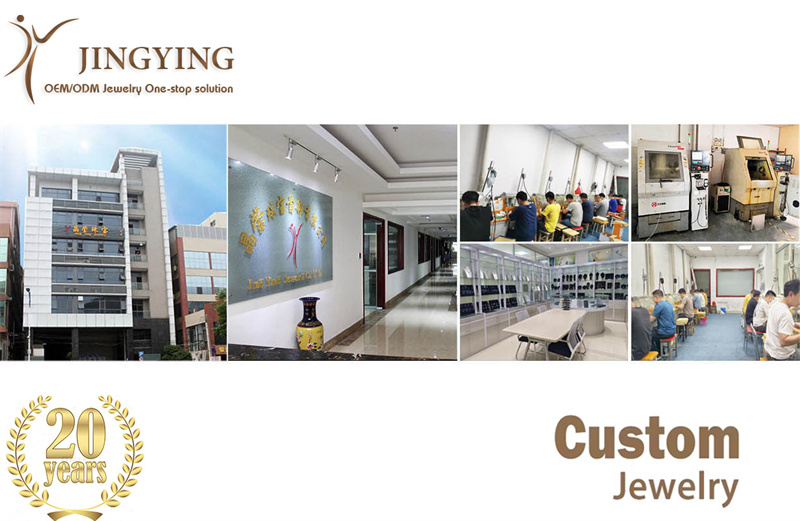
Enter JINGYING Custom Jewelry. In an industry dominated by traditional kuyumcular (goldsmiths) and mass-produced imports from Southeast Asia, JINGYING is positioning itself not as just another supplier, but as a strategic partner for the Turkish B2B landscape. This article explores the strategic entry, product specialization, and cultural alignment required for JINGYING—a brand focusing on premium 925 sterling silver—to capture the discerning Turkish consumer. We will delve into the technical superiority of its manufacturing, the nuances of customization in a culturally rich market, and the logistical bridges spanning from its production hubs to the bustling bazaars and luxury boutiques of Istanbul, Ankara, and Izmir.
1부: The Turkish Market—A Landscape of Contrasts
To succeed in Turkey, one must first understand the duality of its jewelry market. On one side lies the "Grand Bazaar" 심리: a deep-rooted tradition of high-karat gold (22k and 18k) viewed as a liquid asset, a form of tasarruf (저금). 수십 년 동안, silver was relegated to the background, often perceived as the metal of the lower classes or mass-produced souvenirs.
하지만, the last decade has witnessed a seismic shift. The volatile economic climate, characterized by fluctuating exchange rates and high inflation, has made high-karat gold prohibitively expensive for the middle-class consumer’s daily wardrobe. 동시에, a younger, cosmopolitan demographic—driven by European fashion trends and social media influencers—is seeking aesthetic versatility over intrinsic value. This is where 925 스털링 실버 has reclaimed its throne.
JINGYING recognizes that the modern Turkish consumer is not looking for flimsy, quickly tarnishing silver. They demand premium quality. The Turkish buyer is sophisticated; they understand hallmarks, 무게, 그리고 장인정신. They distinguish between low-quality "imported silver" that oxidizes within weeks and high-quality, rhodium-finished sterling silver that withstands the humidity of Istanbul’s coastal air and the acidity of the Turkish hamam (bathhouse).
The market is segmented into three distinct channels:
-
The High-Street Retailers: Chains like Atasay, Kuyumcukent, and Zen Pırlanta demand high-volume, consistent quality with strict delivery timelines.
-
The Boutique Designers: Scattered across Nişantaşı and Bebek, these designers seek low-volume, high-uniqueness pieces that tell a story. They are the gatekeepers of luxury perception.
-
The Digital Entrepreneurs: Turkey has a booming e-commerce and social media sales ecosystem for jewelry. Instagram and Trendyol sellers require rapid restocking of viral trends.
JINGYING’s focus on 맞춤 보석 acts as the unifying thread across these segments. By offering the ability to customize—whether it is a specific weight for a gold-plated variant, a unique filigree pattern that echoes Ottoman motifs, or personalized nameplate necklaces in Latin or Arabic script—JINGYING moves from being a vendor to a collaborator.
2부: The JINGYING Edge – Precision Engineering in Sterling Silver
What sets JINGYING apart from local Turkish artisans? The answer lies in the synthesis of advanced manufacturing technology with artisanal finish.
Turkey has an abundance of skilled silversmiths in cities like İzmir and Trabzon. 하지만, the traditional methods are often labor-intensive, 느린, and prone to inconsistencies when scaling up. JINGYING operates on a philosophy of "Industrial Artistry."
1. The Metallurgy: Beyond 925
While the industry standard is 92.5% pure silver mixed with copper for durability, JINGYING’s premium line utilizes a proprietary alloy that includes a precise percentage of germanium or platinum. This creates an "변색 방지" property that is critical for the Turkish market.
-
Technical Benefit: Turkish consumers often store jewelry in non-airtight conditions. JINGYING’s alloy ensures that the "blackening" effect common to silver is delayed by 300% compared to standard silver.
-
도금두께: For the rose gold and yellow gold plated variants (a massive segment in Turkey where "gold-look silver" is a staple), JINGYING employs a 3-micron thick layer of 18k gold, followed by a protective e-coating. This thickness is double the industry average, ensuring that the jewelry does not wear off after three months of use—a common complaint in the Turkish market regarding imported silver.
2. 3D Design and Rapid Prototyping
The Turkish market is impulsive. A trend appears on Kiralık Aşk (a popular TV series) in the evening, and consumers demand the jewelry the next week. JINGYING leverages a robust CAD (컴퓨터 보조 디자인) department capable of turning a napkin sketch into a 3D printed wax model within 24 시간.
-
Customization for the B2B Client: Turkish retailers often request exclusivity. JINGYING’s service allows a client to purchase a design outright, ensuring that no other competitor in the Kapalıçarşı (Grand Bazaar) will carry the same piece. This protects the retailer's margin and brand identity.
3. Stone Setting Mastery
Turks are obsessed with pırlanta (다이아 패 한 벌) 그리고 yapay taş (지르코니아). JINGYING utilizes high-quality Cubic Zirconia (CZ) and lab-grown gems set using micro-pavé techniques typically reserved for fine jewelry. The setting is crucial; in a market where a stone falling out is considered a fatal flaw, JINGYING employs triple-check quality control (QC) processes—vision inspection, pressure testing, and manual flex testing—to ensure the durability of the prongs.
3부: Cultural Sensitivity in Design – Speaking the Turkish Language
To sell in Turkey, you must not only translate the product description into Turkish; you must translate the 영혼 of the product. JINGYING’s design team has invested heavily in understanding the semiotics of Turkish aesthetics.
The Motif Matrix
-
The Evil Eye (Nazar): This is not just a motif; it is a cultural imperative. 하지만, JINGYING avoids the generic blue glass look. 대신에, they integrate the Nazar into high-end sterling silver using blue enamel inlay, sapphire stones, or intricate engraving. The product is marketed not merely as a fashion accessory but as a koruyucu (protector).
-
Ottoman Revival: There is a current resurgence in Turkish design that looks back to the Tulip Era and Ottoman Baroque. JINGYING specializes in laser-engraved sterling silver pieces that mimic the intricate kündekari (wooden inlay) patterns found on historical mosques. This appeals to the conservative, high-end buyer who values heritage.
-
The Power of Calligraphy: Arabic script (Ottoman Turkish) is immensely popular for personalized jewelry. JINGYING offers custom calligraphy engraving, where a customer’s name or a significant word (좋다 Aşk – Love, 또는 Huzur – Peace) is rendered artistically in 925 은. This taps into the personalized jewelry trend that has swept across Turkey, particularly among the 18-35 인구통계학적.
Sizing and Ergonomics
An often-overlooked aspect is sizing. Turkish jewelry preferences differ physically from East Asian or Western markets. Rings in Turkey tend to have slightly wider shanks for a more substantial feel. 목걸이, due to the popularity of layering, require specific lengths (50cm and 60cm are standard, rather than 45cm). JINGYING’s manufacturing flexibility allows for the adjustment of weights and dimensions to meet these specific ergonomic expectations, ensuring that a ring sold in Ankara fits the robust expectations of the local consumer.
4부: The Customization Engine – A Strategic Advantage
단어 "관습" in the jewelry industry is often overused. 징징을 위해, customization is a vertical integration strategy that solves a critical pain point for Turkish businesses: 재고 위험.
Turkish retailers operate in a volatile economy. Holding high-value stock in a currency that is depreciating is risky. JINGYING’s model offers three tiers of customization that mitigate this risk:
1. White Labeling (개인 상표)
Many Turkish fashion brands are expanding into jewelry to increase average order value. JINGYING offers complete white-label solutions. A Turkish brand can order 925 silver necklaces with their own logo engraved on the clasp, custom-designed packaging, and even branded authenticity cards. JINGYING acts as the invisible R&D and manufacturing arm, allowing the Turkish brand to scale quickly without investing in machinery.
2. 모크 (최소 주문 수량) 유연성
Local Turkish ateliers often require high MOQs for custom work to justify the mold cost. JINGYING utilizes modular design and 3D printing to offer low MOQs—sometimes as low as 10 pieces for a unique design. This allows small Turkish influencers or boutique owners to launch their own "컬렉션" without risking bankruptcy. This agility is JINGYING’s Trojan horse into the market, capturing the loyalty of emerging designers who will grow into large-scale accounts.
3. "JIT" (적시) Manufacturing for Trends
Turkey’s wedding season (Düğün Sezonu) is the peak period for jewelry sales. JINGYING offers a unique service: 추세 예측 & 생산. By analyzing Turkish social media data, JINGYING pre-manufactures semi-finished components (쇠사슬, 설정, 걸림돌) that can be assembled and finished with trendy stones within 72 hours of an order. This ensures that Turkish retailers never miss a sales peak due to stockouts.
파트 5: Logistics and Trust – Navigating the Turkish Import Landscape
For any international brand, the Turkish customs and logistics environment is a labyrinth of tariffs, 직장, and bureaucratic requirements. JINGYING has structured its export strategy to address this head-on, positioning itself as a "hassle-free" 파트너.
1. 하모나이즈드 시스템 (고등학교) Code Accuracy
JINGYING employs dedicated logistics specialists who ensure that every shipment is classified under the precise HS code for 925 은 보석. Misclassification is a leading cause of delays and fines in Turkey. By ensuring accurate documentation—including certificates of origin and detailed commercial invoices—JINGYING reduces customs clearance time from weeks to days.
2. Compliance with Turkish Standards (TSE)
Turkey requires specific hallmarks for precious metals. JINGYING has invested in laser marking technology that allows for precise ayar (훌륭함) 우표 (925) as required by Turkish law. For white-label products, JINGYING can also integrate the Turkish retailer’s unique identification stamp into the production line, ensuring that the product is legally compliant and ready for shelf placement the moment it clears customs.
3. Currency Stability
Given the volatility of the Turkish Lira (TRY), JINGYING offers flexible pricing models. By pricing in USD or EUR and offering fixed-rate contracts for 30, 60, 또는 90 날, JINGYING provides Turkish importers with the ability to manage their financial exposure. This financial stability is a value-add that many local suppliers cannot offer due to domestic inflationary pressures.
제6부: The Competitive Landscape – How JINGYING Wins
To fully appreciate JINGYING’s position, one must analyze the competition in the Turkish jewelry market:
-
The Local Atölye (Workshop): 강점: Incredible craftsmanship, 신뢰하다, and no shipping delays. 약점: Inability to scale, lack of modern CAD design capabilities, and high labor costs for complex geometries. JINGYING competes by offering complexity at scale. If a Turkish retailer wants 1,000 pieces of a geometrically complex, interlocking silver ring, the local atölye would take months. JINGYING can deliver in 4 weeks with perfect consistency.
-
Italian Imports: 강점: Prestige, high design. 약점: High cost, 긴 리드타임. JINGYING offers Italian-level design and finishing (using Italian machinery) but at a competitive Asian price point.
-
Other Asian Imports (중국, 태국): 강점: Low price. 약점: 의사소통 불량, 긴 리드타임, lack of customization, and frequent quality issues. JINGYING differentiates itself through 서비스. JINGYING positions itself as a "Turkey-centric" 파트너. Sales teams are fluent in Turkish (or English with Turkish-speaking representatives), operating in the Turkish timezone. This eliminates the communication barrier that often plagues other Asian suppliers.
파트 7: Case Study – The "Hamam" 수집
To illustrate JINGYING’s market fit, consider a hypothetical but realistic case study: a mid-sized Turkish retailer preparing for the summer tourism season.
The retailer identified a gap in the market for "Hamam" jewelry—water-resistant, durable silver pieces that tourists and locals could wear to the bathhouses without fear of tarnishing or damage.
도전: The retailer needed a collection that featured traditional Telkari (선조) 미학 (a traditional Turkish metalworking art) but had to be sturdy enough to withstand water, 습기, and soap.
JINGYING 솔루션:
-
설계: JINGYING’s CAD team digitized the traditional telkari 패턴, creating a 3D model that mimicked the hand-woven look but was cast as a single, solid piece, eliminating the weak soldering points typical of traditional filigree.
-
재료: Instead of standard silver, JINGYING used the proprietary anti-tarnish alloy and finished the pieces with a thick layer of rhodium (백금족 금속) to ensure the white shine remained pristine despite exposure to water.
-
사용자 정의: The retailer’s logo was laser-engraved on the clasp of every piece, and custom hamam (bathhouse) themed packaging was created, including small cotton pouches.
-
배달: The entire order—2,500 units across 15 SKUs—was delivered within 28 날, perfectly timed for the start of the tourist season.
결과: 컬렉션이 매진되었습니다 6 주, a 40% 반복 주문 비율. The retailer reported zero returns due to tarnishing or breakage, solidifying their reputation for quality. This case highlights JINGYING’s role not just as a manufacturer, but as a product development partner that understands the specific context of how jewelry is used in Turkish culture.
Part VIII: Sustainability and Ethics – The New Frontier
The Turkish consumer, particularly the Gen Z and Millennial demographics in urban centers, is increasingly conscious of ethical sourcing. While sustainability is not yet as dominant in Turkey as in Western Europe, it is rapidly becoming a differentiator.
JINGYING is proactively positioning itself in this space.
-
재활용 은: JINGYING offers a line of 925 silver made from 100% post-consumer recycled silver. For Turkish brands targeting the environmentally conscious segment (or those looking to export back to the EU), this provides a powerful marketing story.
-
충돌 없는 돌: All gemstones used are certified conflict-free. JINGYING provides traceability documentation that Turkish retailers can show to their customers to prove ethical sourcing.
-
폐기물 감소: The use of 3D printing and wax injection minimizes metal waste compared to traditional carving methods. JINGYING markets this efficiency as a cost-saving measure that is also eco-friendly.
Part IX: Marketing and B2B Engagement Strategy
Having a superior product is only half the battle. In Turkey, business is built on güven (신뢰하다) and relationships. JINGYING’s marketing strategy in Turkey is built on three pillars:
1. Presence at Key Trade Fairs
Turkey hosts major jewelry fairs, 와 같은 Istanbul Jewelry Show. JINGYING’s presence at these fairs is not merely transactional. The booth is designed as a "Customization Studio" where potential clients can sit with designers on-site, modify existing designs on a tablet, and walk away with a 3D print sample within hours. This tangible demonstration of speed and flexibility builds immense trust.
2. Educational Content
JINGYING produces Turkish-language content regarding "How to identify high-quality silver" 그리고 "The benefits of Rhodium plating." By educating the Turkish retailers, JINGYING positions itself as the expert. This content is shared via WhatsApp Business—the primary communication tool for Turkish tradesmen—ensuring that the message reaches the decision-makers directly.
3. 판매 후 지원
The relationship does not end when the shipment arrives. JINGYING employs a dedicated after-sales team that follows up on inventory sell-through. If a particular model is not moving fast enough, JINGYING collaborates with the retailer to offer "re-styling"—taking unsold stock, replacing a stone, or adding an enamel accent to refresh the product for the next season. This reduces retailer write-offs and solidifies long-term loyalty.
Part X: The Future – Beyond Silver
While the core focus remains premium 925 스털링 실버, JINGYING is looking at the long-term evolution of the Turkish market.
금: There is a growing demand for Gold Vermeil (스털링 실버 위에 두꺼운 금도금) as a bridge between high-cost gold and silver. JINGYING is expanding its capabilities to offer 5-micron gold vermeil pieces that satisfy the Turkish desire for the "gold look" at a fraction of the price.
Integration with Turkish E-Commerce: JINGYING is developing an API integration that allows Turkish e-commerce platforms to connect directly to JINGYING’s inventory. This would allow Turkish drop-shippers to list JINGYING’s premium 925 silver products without holding inventory. JINGYING would handle the packaging and shipping directly to the end consumer, with the Turkish retailer’s branding. 이것 "dropship" model is rare in the premium silver sector but represents a massive opportunity in Turkey’s digital economy.
Gemstone Diversification: Beyond CZ, JINGYING is sourcing natural semi-precious stones popular in Turkey, ~와 같은 Dumanlı Kuvars (스모키 쿼츠) 그리고 Ametist (자수정), to create higher-margin, unique collections for Turkish designers who want to differentiate themselves from standard zirconia-based competitors.
결론: A Symbiotic Alliance
The Turkish jewelry market is not for the faint of heart. It is a market built on centuries of expertise, where the consumer is educated, the competition is fierce, and the cultural stakes are high. 아직, for those who navigate its waters with respect and precision, the rewards are immense.
JINGYING Custom Jewelry is not attempting to beat the Turkish artisan at their own game of traditional handcraft; 대신에, it is offering a new toolkit. It is providing the agility of customization, the reliability of modern metallurgy, and the scalability of industrial precision. By focusing strictly on 프리미엄 925 스털링 실버, JINGYING occupies a unique niche—luxurious enough to command respect, yet accessible enough to capture the massive mid-market volume that is driving Turkey’s jewelry consumption today.
For the Turkish retailer, JINGYING represents more than a supplier; it is a strategic partner that de-risks inventory, accelerates time-to-market, and ensures that the end consumer receives a piece of jewelry that will retain its beauty for years. In a country where the line between a financial investment and a fashion purchase is often blurred, JINGYING delivers the best of both worlds: the intrinsic value of sterling silver and the artistic merit of bespoke design.
As Turkey continues to solidify its role as a global fashion and trade hub, the partnership between its dynamic retail sector and JINGYING’s manufacturing excellence is poised to set a new standard for what silver jewelry can be. It is a forging of futures—a perfect alloy of East and East (Turkish vision with Asian manufacturing prowess), destined to shine in the vibrant, 요구하는, and beautiful Turkish market.