
適切なジュエリーメーカーを見つけるための創業者の正直なガイド
あなたはデザインを持っています. ブランドのビジョンを持っています. 質問し続けるフォロワーのリストが増えています, "これはいつ買えますか?" あなたにないものは、あなたのスケッチを販売可能な在庫に変えてくれる製造パートナーです. 検索に少しでも時間を費やした場合, 発見のプロセスは、目隠しをして迷路を歩いているような気分になることはすでにご存知でしょう。数十のサプライヤーは皆、そう主張しています。 "工場," すべて約束された低価格, 全員が品質が最優先事項だと言う.
ここに不都合な真実があります: ほとんどのジュエリー ブランドが失敗するのはデザインが悪いからではありません, しかし、製造上の提携関係が悪かったため、. 選択した工場は、ビジネスのあらゆる側面、つまり利益に影響します。, お客様のレビュー, your ability to restock your bestsellers, and ultimately your brand's reputation. This guide is designed to help you avoid the mistakes that have cost founders months of delays and tens of thousands of dollars.
Start With Self-Definition, Not Supplier Search
Most failed factory searches begin with the wrong question: "Find me a jewelry manufacturer." The right starting point is defining what your brand actually needs. Linton Group's sourcing guide recommends answering five questions before contacting any factory: What jewelry category are you producing? What is your production model (make-to-order vs. bulk inventory)? What are your quality, 小売価格, and margin targets? What is your current and projected order volume? And what manufacturing techniques does your design require?
These answers determine everything downstream. A brand producing personalized engraved pendants needs a factory with laser engraving capability and one-piece minimums. A brand producing cast fashion jewelry needs casting, メッキ, and stone-setting lines. A brand targeting the $80–$150 demi-fine price point needs a factory that can deliver vermeil plating at 2.5 microns or higher—not a factory whose default is 0.3-micron gold flash over brass.
The temptation to skip this step is real. Founders want to start sampling immediately. But without a clear product definition, you will end up evaluating factories that cannot serve your business, wasting weeks on dead-end conversations.
Price Is the Last Filter, Not the First
The single most damaging mistake a jewelry startup can make is choosing a manufacturer based on price alone. When a factory quotes 30% below the market average, that discount has to come from somewhere. Eon Gems' analysis of hundreds of jewelry startups identifies the most common hidden compromises: base metal substitutions (brass sold as sterling silver), substandard plating thickness without XRF verification, outsourced production with no quality control, commercial-grade stones substituted for good-grade without disclosure, and inflated shipping or packaging charges that appear only after the order is placed.
This does not mean you should ignore cost. It means you need to understand what cost actually consists of. Custom jewelry pricing typically breaks down into three buckets: approximately 30–40% covers raw materials, another 30–40% goes to labor and craftsmanship, and the remaining 20–30% covers design fees, オーバーヘッド, and profit margins. When a quote looks unusually low, one of these buckets is being shorted—and it is rarely the factory's own margin.
Volume leverage is real but misunderstood. A standard brass ring with 18K gold plating might cost around $8.00 per unit at 50–100 pieces, drop to roughly $5.50 at 300–500 pieces, and reach approximately $3.80 で 1,000+ 作品. The goal is not the lowest possible unit price—it is cost-per-unit optimization at a volume you can actually sell through. Over-ordering to chase a lower unit price ties up capital in inventory that may not move.
What a transparent quote should specify: base metal grade (H62 brass vs. zinc alloy vs. S925スターリングシルバー), plating thickness in microns (not vague "金メッキ" 言語), stone quality grade (AAA CZ vs. 天然宝石), 金型費用は含まれており、いくらの金額で返金可能か, 梱包と検査が見積価格に含まれているかどうか. 工場がこのレベルでコストを分解できない場合, それは交渉戦術ではなく、警告サインです.
サンプリングプロセス: 品質が証明されるか失われるか
サンプリングはオプションではありません, そしてそれをスキップすることはスタートアップが犯す2番目に大きな代償を伴う間違いである. CAD レンダリングで寸法と比率が表示される. 重みを示さない, 仕上がり品質, 実際の光で見た石の色, またはクラスプ機構がスムーズに動作するかどうか. 物理サンプル - 業界で呼ばれるもの "黄金のサンプル"—その後のすべての実行の生産標準になります.
ただし、すべてのサンプリングが均等に行われるわけではありません. 具体的に質問する: サンプルは手作業で作られたものですか、それとも生産用の金型を使用して作られたものですか? Will bulk production use the same materials and plating as the approved sample? What changes typically occur between sample and bulk? These questions reveal whether the sample represents a best-case scenario or actual production reality.
A thorough sample evaluation should include plating thickness verification (request XRF test results, not verbal assurance), stone-setting stability checks (prong evenness, bezel wall thickness, no glue where mechanical setting should exist), hardware durability testing (soldered jump rings, clasp cycle testing), and finish consistency across the entire piece. Plating is the number-one driver of returns in fashion and demi-fine jewelry, and visual inspection alone is insufficient—micron thickness must be measured and documented.
Protecting Your Intellectual Property Before You Share Anything
Your jewelry designs are intellectual property, and if you share them without proper protection, you may lose control of them permanently. 毎年, designers send concepts to factories without legal safeguards and discover nearly identical products on wholesale platforms months later.
Before you share a single sketch, CAD file, or 3D rendering, require a signed Non-Disclosure Agreement. A professional factory should already have NDA procedures in place—if a supplier avoids signing one or insists it is unnecessary, that is a red flag. The NDA should cover hand-drawn sketches, CADファイル, 3Dレンダリング, 技術仕様, logo designs, 石のセッティング, and pricing structures.
Three clauses deserve particular attention. 初め, the scope of confidentiality must cover all design stages—from initial sketch through 3D modeling, プロトタイピング, そして最終生産. Factories that only protect "finished design" リークが最も発生しやすいプロトタイピング段階を露出したままにしておく. 2番, 秘密保持期間は、協力終了後も少なくとも 3 ~ 5 年間有効である必要があります。; コレクションは 2 年間発売されない可能性があります, 1年で期限が切れる契約には何の保護もありません. 三番目, 契約では、曖昧ではなく、違反に対する具体的な罰則を明記する必要があります "善意" 言語, ただし、補償メカニズムは定義されている.
工場の検査: 本物のパートナーとリスクのあるサプライヤーを分ける質問
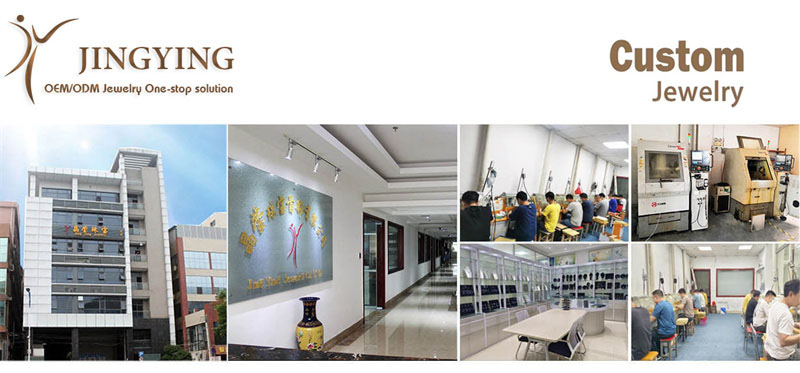
リストを絞り込んだら, 精査プロセスにより、真面目なメーカーと工場を装った商社が区別される. 最初の質問は直接的なものです: "生産施設を所有していますか?" 複数の工場に委託している商社では品質管理ができない, タイムライン, または説明責任. Ask for a live video tour of the production floor—not stock photos. Verify the factory's business license, employee count, and which processes are completed in-house.
A capable factory should clearly explain its minimum order quantity, monthly production capacity, リードタイム, available materials, and which processes—CNC machining, レーザー切断, 鋳造, 研磨, PVDメッキ, stone setting—are handled internally versus subcontracted. The more processes completed in-house, the better the factory can control quality and delivery.
Quality control deserves particular scrutiny for small orders. Small batches are where most quality problems occur because factories may deprioritize them. Ask whether quality inspection differs for small versus large orders, whether they check each piece or only random samples, and how defects found before shipment are handled. A professional manufacturer should describe step-by-step QC procedures, not simply state "we have QC."
Certifications matter depending on your target market. For sales to Europe or North America, confirm REACH compliance, RoHS, nickel-release standards, and material test reports. Factories with ISO 9001 certification have standardized document control and work processes. RJC (責任あるジュエリー評議会) 認証, which covers supply chain transparency and business ethics, is increasingly relevant as sustainability regulations across major markets become more prescriptive.
Communication Infrastructure and Logistics Planning
How a factory communicates before you place an order predicts how it will communicate during production. Response time matters: top-tier suppliers maintain average response times under four hours, and some industry leaders achieve under one hour. A factory that takes a week to respond to a sample feedback email will cause cascading delays across your entire production schedule.
Ask who will be your main point of contact, how time zones are managed, and what happens when an issue arises mid-production. Slow or vague pre-production communication often signals larger problems during the actual run.
On logistics, treat shipping as a chain of stages rather than a single delivery date. Production completion, 検査, final packing, carrier handoff, export processing, and customs movement each add time before goods move toward you. Standard custom jewelry production typically requires 25–45 days after sample approval, depending on order quantity and plating process. Express shipping to North America and Europe takes 5–7 days; sea freight takes 20–35 days. Build buffer time into your launch calendar—customs review, carrier congestion, and weather disruption can shift delivery even when the factory is reliable.
The Emerging Factor: Sustainability and Traceability
Sustainability is no longer a marketing buzzword—it is becoming a compliance requirement and a consumer expectation. CIBJO's 2026 pre-congress reports emphasize that growing supply chain scrutiny will make provenance, traceability, and ESG credentials increasingly important for competitiveness and consumer trust.
スタートアップ向け, this translates into practical questions for your factory: Can they provide the origin of gemstones and precious metals? Do they offer recycled silver or gold options? Are their plating processes REACH-compliant and free from harmful levels of lead, カドミウム, そしてニッケル? Lab-grown diamonds and gemstones have gained mainstream attention for their ethical sourcing and reduced ecological impact, and consumers increasingly expect suppliers to provide traceable recycled materials and adhere to fair labor and environmental standards.
Choosing a factory that cannot answer these questions may save money today but will limit your brand's ability to make credible sustainability claims tomorrow—and that limitation will only grow more costly.
A Practical Framework for Final Selection
After you have completed the discovery and vetting process, compare your shortlisted factories across five dimensions: category-specific production experience, confirmed production capacity for both current and projected volume, documented QC standards and processes, communication infrastructure and responsiveness, 大量生産と比較したサンプル品質. スコアカードを使用する. ブランドにとって最も重要なものに基づいて重み付けを割り当てる. 価格が若干高くても品質が安定している工場は、返品を最小限に抑えて全体のコストを削減します。, 遅れ, そしてやり直し.
永続的な生産関係を構築するブランドは、明確な基準に投資しています, 構造化されたコミュニケーション, 長期的な工場調整. 製造パートナーは、最低価格を求めて絞り出すベンダーではありません。ブランドが顧客との約束を果たすかどうかをその運営規律が直接決定するパートナーです。. 応じて選択してください.