
真珠はとても美しいです. いわゆる真珠 "ジュエリー" 真珠を指します. 真珠はその色によって3つに分類されます:
(1) 白いビーズ: テクスチャのベースカラーは白です, これをベースに様々な色の真珠光沢が現れます. これが主な真珠の品種です, 約を占める 90% of pearl output.
(2) Black beads: The texture base is black, and pearl luster appears on the black base. The black color is caused by the organic matter on the surface of the pearl. Black pearls are mainly produced in black butterfly oysters, and black pearls have been cultivated in the Lingshui Farm in Hainan, 私の国. Since black pearls are scarce, they are more expensive than white pearls of the same size.
(3) Variegated beads: or colorful beads. Pearls show colors other than white and black. They can be named according to their specific colors, のような "blue beads", "purple beads", "brown beads", "yellow beads" 等々.
それで, what are "Mumbai beads", "オーストラリアンビーズ" そして "Persian beads"?
The pearls produced in India are called Bombay pearls; the silver-white pearls produced in Australia are called Australian pearls; the pearls produced in the Persian Gulf are called "Persian pearls." Persian pearls are well-known pearls in the world, especially along the coasts of Iran, Oman and Saudi Arabia, which have a long history of producing pearls for more than 2,000 年. Pearls come in a variety of colors, shapes and sizes depending on the environment in which they are produced, so there are many ways to classify pearls. According to the output environment, it can be divided into three categories:
(1) Sea beads (つまり, sea water beads): pearls produced in sea water, also known as salt water beads.
(2) Freshwater pearls: pearls produced in fresh water. Those produced in rivers are called river beads; those produced in lakes are called lake beads. my country is the main producer of freshwater pearls. Taihu Lake, Dongting Lake, Poyang Lake and Hongze Lake produce relatively large freshwater pearls.
(3) Cultured pearls: pearls cultivated artificially.
Pearls are often processed into necklaces, ペンダント, リング, ブレスレットとその他の宝石, which are deeply loved by people.
OEM/ODMジュエリーメーカーのデザインカスタム独自のジュエリー
始めましょう : mo@kingjy.com
広州ジンジーカスタム卸売リングネックレスブレスレットイヤリングスターリングシルバーに焦点を当てる 925 ジュエリー,スターリングシルバーゴールドは18Kでメッキされています,14k,24Kイエローゴールド,ホワイトゴールドとローズゴールド。それはカスタムスターリングシルバージュエリーさまざまなデザインをカスタムすることができます,顧客の要件に従ってレーザー彫刻によるロゴブランドまたはその他の言葉.
私たちの毎月の生産能力は順調です 50,000 ピースブレスレットネックレスイヤリングリングジュエリー。スーパーマーケットとのパートナーシップに参加する,ジュエリーチェーンショップ,アウトレットストア,ジュエリー卸売業者,トレーダーとジュエリーブランド会社,専門家はカスタマイズされたジュエリーを作成し、高品質の大量生産を提供します 925 スターリングシルバージュエリーサービス.

ジンジーカスタムメイドのシルバーイヤリングジュエリーメーカー 生産プロセス
ジンジージュエリーの質の高い保証の理由
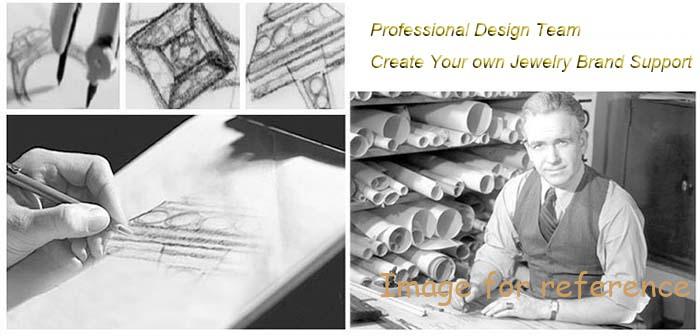
1. オリジナルのデザイン
デザインのアイデアやサンプルが変更されたときに始まります ,あなたの要求としてスケッチでオリジナルのデザインを開始します. カスタムネックレスメーカー
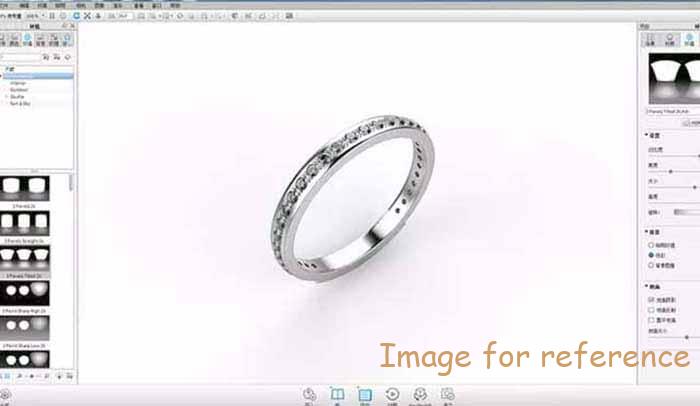
2.3D金型の作成
これが単純なスケッチであろうと完全なプロトタイプであろうと, 私たちは経験豊富で成熟したデザインチームです。.カスタム 925 シルバーブレスレット.
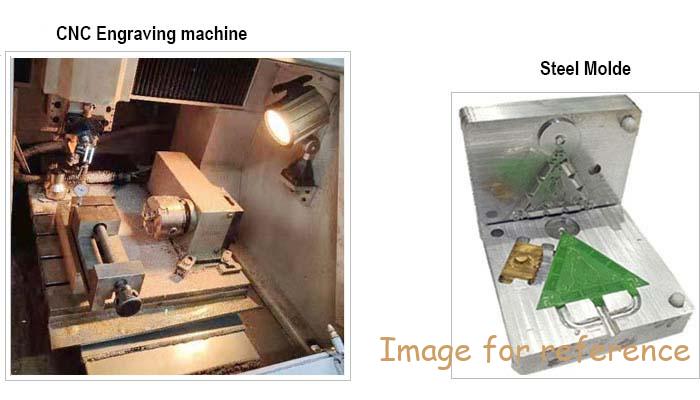
3.型の作成 ( メタルマスター)
私たちはCNC加工機の彫刻ジュエリーモデルを使用して、私たちの宝石商品を確保します 100% 高品質のスターリングシルバージュエリーは高級ジュエリーの表面と同じ滑らかで失われた石と同じ .カスタムイヤリングスターリングシルバーメーカー
4.鋳造
注入ワックス型は石膏型になります ,高温暖房後、宝石の金属製品ベースを手に入れました. カスタムメイドのリングシルバージュエリー

5. 成形 & 研磨
ジュエリー商品のモデリングがより美しい ,表面滑らか. カスタムメイドのシルバージュエリーメーカー

6. ハンド設定宝石
私たちは、日本から輸入された5A cz石のために設定されたマイクロインセルマシンを使用します ,可能です 99% 失われた石ワックス設定技術はありません . カスタムメイドの男性シルバージュエリー

7. メッキ
私たちはすべての人のために2回のメッキをします 925 スターリングシルバージュエリー ,最初にベースで厚い銀メッキをします ,ダブルポッシュは表面を滑らかに確認し、本物の金メッキを続けてください ,厚さまで 3 マイクロンは、1年間続くことを保証します ,私たちはそれを頂点と呼びます .

8. 完璧なQCプロセス
品質チェックは、生産ライン全体で最も重要なプロセスです。各プロセスごとに質の高いチェック制御を行う10エンジニアのチームがあります .
失われた石-1、私たちはプロのスチールニードルを使用して石を一つずつ叩きます ,0.2の脱落はないことを確認してください。 3 石をチェックするメートルは落ちません .
メッキ- 1,顧客は、メッキの厚さに関する機械テストからレポートを取得できます。 ,金属表面を5分間手動でこすります ,コートの品質が良いことを確認してください . カスタム卸売スターリングシルバー

9. パッケージング & 配送
独立したパッケージ ,または顧客の要求に応じて;DHLによるエクスプレス配信 ,UPS,TT

ジンジーカスタムメイドのシルバーイヤリングジュエリーメーカー 925 スターリングシルバーメーカー アドバンテージ
1:20-年シニアハイエンド 925 スターリングシルバーカスタム卸売ジュエリーMaunfacturer
2:数千のファッションジュエリーカスタマイズされたプロダクションエクスペリエンス ,毎月の生産能力 100000 作品
3: 絶妙な仕上がり ,Surfface滑らか.
4:効率的な生産,7-日のサンプル時間 ,30-1日の大量生産時間
5:高品質の製品,色は変わりません, 石を落とさないでください, 人間以外の理由で製品品質の質問がある場合, 保証されています 3-6 修理のための月.

過去に 20 年, ジンジージュエリーは、完璧を追求し、改善するという目的に従っています 925 シルバージュエリー Technology.私たちの設計チームは、スキルの学習と改善を続けています ,ファッショナブルなデザイン, フェミニンのためのロマンチックなアクセサリー。絶妙なデザインプロセスと優れた品質に頼る, ジンジージュエリーは、国内外でチェーンブランドの馴染みのある認識を獲得しました.
機会:モダンジュエリー製造 パーティーや毎日のトレンディーな女性向けジュエリーリングの卸売レディースジュエリーカスタム

ジュエリーカスタムメイドのシルバーイヤリングジュエリーメーカーの品質保証 :
あなたの宝石のデザインと商品は出荷前に写真を撮る必要があります。問題があるかどうかを注文する .
あなたが商品を手に入れたら、あなたがカスタムジュエルデザインや大量注文に問題があるものは何でも ,私たちと連絡してください (mo@kingjy.com) ,品質の問題がある場合は払い戻しを受ける可能性があります ,私たちと一緒にビジネスをすることは安全です .
2.3D金型の作成
これが単純なスケッチであろうと完全なプロトタイプであろうと, 私たちは経験豊富で成熟したデザインチームです。.カスタム 925 シルバーブレスレット.
3.型の作成 ( メタルマスター)
私たちはCNC加工機の彫刻ジュエリーモデルを使用して、私たちの宝石商品を確保します 100% 高品質のスターリングシルバージュエリーは高級ジュエリーの表面と同じ滑らかで失われた石と同じ .カスタムイヤリングスターリングシルバーメーカー
4.鋳造
注入ワックス型は石膏型になります ,高温暖房後、宝石の金属製品ベースを手に入れました. カスタムメイドのリングシルバージュエリー
5. 成形 & 研磨
ジュエリー商品のモデリングがより美しい ,表面滑らか. カスタムメイドのシルバージュエリーメーカー
6. ハンド設定宝石
私たちは、日本から輸入された5A cz石のために設定されたマイクロインセルマシンを使用します ,可能です 99% 失われた石ワックス設定技術はありません . カスタムメイドの男性シルバージュエリー
7. メッキ
私たちはすべての人のために2回のメッキをします 925 スターリングシルバージュエリー ,最初にベースで厚い銀メッキをします ,ダブルポッシュは表面を滑らかに確認し、本物の金メッキを続けてください ,厚さまで 3 マイクロンは、1年間続くことを保証します ,私たちはそれを頂点と呼びます .
8. 完璧なQCプロセス
品質チェックは、生産ライン全体で最も重要なプロセスです。各プロセスごとに質の高いチェック制御を行う10エンジニアのチームがあります .
いいえ