
14k Argent sterling plaqué or: Vraie valeur, Contenu en or réel, et ce que vous devez savoir
Introduction
Dans le monde vaste et souvent déroutant des bijoux abordables, peu de descriptions de produits suscitent autant de débats que « l’argent sterling plaqué or 14 carats ». Entrez dans n’importe quel grand magasin, faire défiler Amazon, ou parcourez Etsy, et tu trouveras des milliers de boucles d'oreilles, colliers, anneau, et bracelets portant cette étiquette. La phrase est alléchante: il promet le luxe de l'or 14 carats sans le prix faramineux de l'or massif. Mais pour quoi payez-vous exactement? Quelle quantité d'or véritable se trouve réellement sur ce bijou? Et « l’argent sterling plaqué or 14 carats » est-il un achat intelligent, un gadget marketing, ou quelque chose entre les deux?
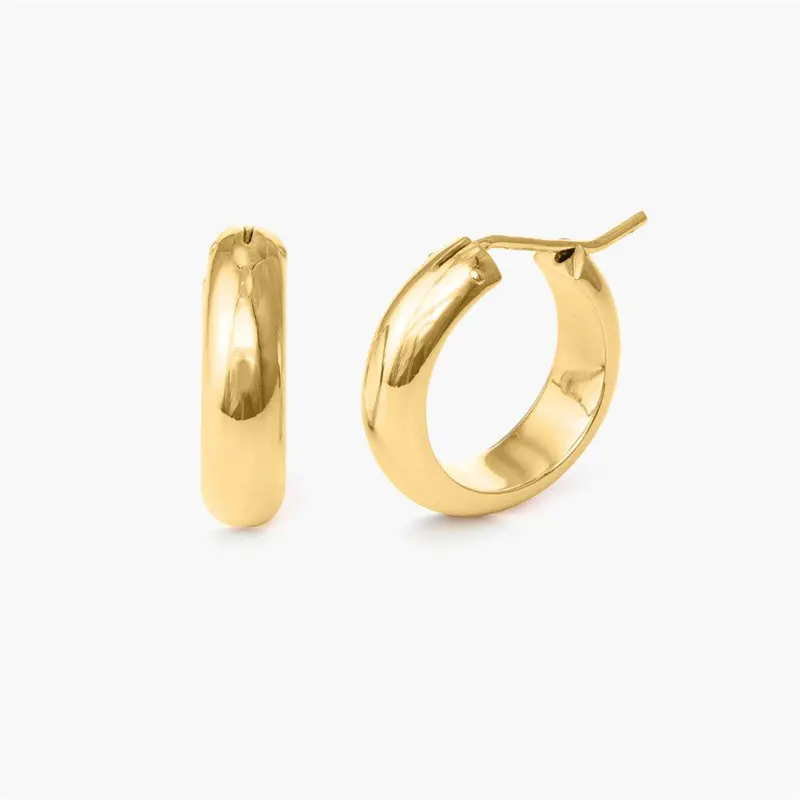
Cet article donne une idée définitive, réponse basée sur les données. Nous décortiquerons chaque terme, calculer la teneur en or microscopique, comparer les épaisseurs de placage, évaluer la durabilité, analyser le coût par rapport à la valeur intrinsèque du métal, et offrir des conseils pratiques aux consommateurs. À la fin, vous comprendrez exactement ce que signifie « argent sterling plaqué or 14 carats » et s'il mérite une place dans votre boîte à bijoux..
Partie 1: Déconstruire la terminologie
Avant de pouvoir évaluer la valeur, nous devons comprendre la langue. L’expression « argent sterling plaqué or 14 carats » contient quatre affirmations distinctes. Chacun a une signification juridique et technique spécifique.
1.1 Que signifie « or 14 carats »?
La pureté de l'or se mesure en carats (abrégé « k » ou « Kt »), allant de 1 à 24. L'or pur est 24 carats, signification 24 de 24 les pièces sont en or – pur à 99,9 %. Cependant, l'or pur est extrêmement doux et malléable; une bague en or 24 carats se plierait et se rayerait en quelques jours. Pour rendre les bijoux durables, l'or est allié (mixte) avec d'autres métaux comme le cuivre, argent, zinc, ou du nickel.
14k or moyens 14 pièces hors de 24 sont de l'or pur. Le reste 10 les pièces sont d'autres métaux. Mathématiquement:
-
Fraction d'or pur: 14 ÷ 24 = 0.58333 (58.333%)
-
Fraction d'alliage: 41.667%
Ainsi, tout matériau étiqueté « or 14 carats » contient 58.3% or pur en poids. L'autre 41.7% est une combinaison de métaux de base qui fournissent de la dureté, variation de couleur (rose, jaune, blanc), et résistance à la corrosion.
1.2 Que signifie « plaqué or » ??
« Plaqué » est un modificateur critique. Selon les États-Unis. Commission du commerce fédéral (FTC) Guides de bijoux (16 Partie CFR 23), « plaqué or » décrit un produit comportant une couche d'or liée à un métal de base par galvanoplastie., moyens mécaniques, ou d'autres processus. La distinction clé: la couche d'or est mince-souvent mesuré en microns (millionièmes de mètre).
Normes de l'industrie (ISO 27874, ASTMB488) définir les épaisseurs minimales:
-
Plaqué or (général): Pas de minimum légal universel, mais le placage commercial typique varie de 0.05 à 2.5 microns.
-
Or flashé ou lavé: Encore plus mince (<0.05 microns), souvent utilisé pour les bijoux de mode jetables.
-
Rempli d'or (à ne pas confondre avec plaqué): Couche d'or liée mécaniquement, généralement 5 à 50 microns d'épaisseur, généralement 5% ou 10% du poids total de l'article.
-
Vermeil (prononcé « ver-may »): Placage d'or sur argent sterling, mais avec une épaisseur minimale de 2.5 microns (aux États-Unis) et une base en argent sterling. Le vermeil est un sous-ensemble de plaqué or de qualité supérieure..
Surtout, la norme « plaqué or » ne garantit pas une épaisseur spécifique. De nombreux produits grand public de marques comme JINGYING, Pavoï, ou Amazon Basics utilise un placage aussi fin que 0,1 à 0,3 microns pour réduire les coûts.
1.3 Que signifie « argent sterling »?
L'argent sterling est un alliage d'argent avec une composition définie: 92.5% argent pur et 7.5% Autres métaux (traditionnellement en cuivre). Le terme « argent sterling 925 » apparaît comme un signe distinctif. Argent pur (99.9%) est trop mou pour des bijoux fonctionnels, un peu comme de l'or pur. L'ajout de cuivre offre résistance et durabilité.
L'argent sterling a une réelle valeur intrinsèque. Aux prix actuels du marché (environ 0.80-0.90 par gramme d'argent pur), la valeur de la ferraille d'argent sterling est d'environ 0.74-0.83 par gramme. Une bague en argent sterling de 10 grammes contient environ 7.50-8.30 valeur d'argent.
1.4 « Argent sterling plaqué or 14 carats » – La définition complète
Mettre tout cela ensemble: un bijou dont le corps principal (substrat) est 92.5% argent pur (sterling), sur laquelle une couche extrêmement fine de 58.3% or pur (14k) a été électrolytique. La couche d'or se situe généralement entre 0.1 et 1.0 microns d'épaisseur pour les pièces grand public.
Ce n'est pas un objet en or massif. Ce n'est même pas rempli d'or. C'est un bijou en argent avec une surface dorée.
Partie 2: Quantification de la teneur réelle en or
C'est le coeur du problème. Combien de grammes d'or pur contient réellement une pièce typique en argent sterling plaqué or 14 carats? La réponse pourrait vous surprendre.
2.1 La méthode de calcul
Pour calculer la masse d'or, nous avons besoin:
-
Surface du bijou (en centimètres carrés ou millimètres carrés)
-
Épaisseur (en microns)
-
Densité de l'or 14 carats (environ 13,0 à 13,5 g/cm³ selon les métaux d'alliage)
-
Fraction d'or pur (0.583)
Formule:
Masse d'or (grammes) = (Superficie en cm²) × (Épaisseur du placage en cm) × (Densité de l'or 14 carats en g/cm³)
Puis multipliez par 0.583 pour obtenir de la masse d'or pur.
2.2 Exemples concrets – Articles de bijoux courants
Calculons trois scénarios réalistes: une boucle d'oreille plaquée fine, un pendentif en métal moyen, et un plaqué épais (vermeil) anneau.
Exemple 1: Boucles d'oreilles économiques (Placage fin)
-
Article: Petite paire de boucles d'oreilles clous, superficie totale ≈ 4 cm²
-
Épaisseur: 0.2 microns (0.00002 cm) – commun pour 15-25 boucles d'oreilles
-
Volume d'or 14 carats: 4 cm² × 0.00002 cm = 0.00008 cm³
-
Masse d'or 14 carats: 0.00008 cm³ × 13.2 g/cm³ = 0.001056 grammes
-
Teneur en or pur: 0.001056 g × 0.583 = 0.000616 grammes
Au prix de l'or de 65par gramme d'or pur,la valeur de l'or est∗∗0.04** (quatre cents).
Exemple 2: Pendentif milieu de gamme (Placage standard)
-
Article: Petit pendentif, superficie ≈ 6 cm²
-
Épaisseur: 0.5 microns (0.00005 cm) – meilleure qualité, mais toujours standard
-
Volume: 6 × 0.00005 = 0.0003 cm³
-
Messe 14k: 0.0003 × 13.2 = 0.00396 g
-
Or pur: 0.00396 × 0.583 = 0.00231 grammes
Valeur de l'or: 0.00231 g × 65/g=∗∗0.15** (quinze cents).
Exemple 3: Bague qualité vermeil (Placage épais)
-
Article: Anneau, superficie ≈ 10 cm² (intérieur et extérieur combinés)
-
Épaisseur: 2.5 microns (0.00025 cm) – minimum pour la norme vermeil américaine
-
Volume: 10 × 0.00025 = 0.0025 cm³
-
Messe 14k: 0.0025 × 13.2 = 0.033 g
-
Or pur: 0.033 × 0.583 = 0.0192 grammes
Valeur de l'or: 0.0192 g × 65/g=∗∗1.25**.
2.3 Tableau de comparaison: Teneur en or dans tous les types de bijoux
| Type de bijoux | Épaisseur (microns) | 14k Masse d'or (grammes) | Masse d'or pur (grammes) | Environ. Valeur de l'or (à 65$/g pur) |
|---|---|---|---|---|
| Plaqué ultra fin (Par exemple, mode pas cher) | 0.1 | 0.0005 | 0.0003 | $0.02 |
| Marché de masse typique (Jinging, etc.) | 0.2–0,3 | 0.001–0,0015 | 0.0006–0,0009 | 0.04-0.06 |
| Qualité modérée | 0.5 | 0.004 | 0.0023 | $0.15 |
| Placage de bonne qualité | 1.0 | 0.008 | 0.0047 | $0.30 |
| Vermeil (Minimum américain) | 2.5 | 0.033 | 0.019 | $1.25 |
| Rempli d'or (5% de poids) | ~30-50 | 0.5–2,0 (dépend du poids de l'article) | 0.3–1,2 | 20-80 |
| Or massif 14 carats (2g pendentif) | N / A (morceau entier) | 2.0 | 1.166 | $75.80 |
À retenir: Un article typique en « argent sterling plaqué or 14 carats » contient entre 0.04et0.30 valeur d'or pur. L'or est essentiellement un revêtement de couleur, pas une réserve de valeur.
Partie 3: La vraie valeur – L’argent sterling comme fondement
Si l'or est négligeable, où est la valeur? Dans la base en argent sterling.
3.1 Valeur de rebut de l’argent sterling
Contrairement à l'acier, laiton, ou du cuivre (métaux de base courants pour les bijoux plaqués or bon marché), l'argent sterling est un métal précieux. Il négocie sur les marchés des matières premières. Même après que la plaque d'or se soit dissipée, tu possèdes toujours un objet en argent.
Marché actuel de l'argent (à partir de 2025-2026):
-
Prix de l'argent pur: environ 0.80-0.90 par gramme
-
Argent sterling (92.5% pureté): valeur = 0.925 × prix au comptant de l'argent ≈ 0.74-0.83 par gramme
Reprenons nos exemples:
-
Boucles d'oreilles (2g d'argent sterling total): valeur argent ≈ 1.50-1.66
-
Pendentif (4g argent sterling): valeur argent ≈ 3.00-3.32
-
Anneau (6g argent sterling): valeur argent ≈ 4.50-5.00
Comparez cela à la valeur de l'or (centimes). L'argent sterling représente 95–99% de la valeur du métal précieux dans ces articles.
3.2 Qu’en est-il des coûts de fabrication et de conception?
Le prix de détail des bijoux en argent sterling plaqué or 14 carats varie généralement de 15à80. La valeur du métal brut (argent + or microscopique) est généralement 2à15. Le reste couvre:
-
Travail de fabrication (fonderie, polissage, assemblage)
-
Processus de placage (équipement de galvanoplastie, produits chimiques, travail)
-
Conditionnement, commercialisation, expédition
-
Balisage de marque et marge bénéficiaire
UN 40collierpourrait avoir6 de l'argent, 0.10d'or,8 de fabrication, et $25.90 de marque, conception, et des bénéfices. Vous payez pour l’esthétique et l’image de marque, pas d'investissement dans le métal.
Partie 4: Durabilité – Combien de temps dure la plaque d’or?
La valeur n’est pas seulement une question de poids du métal; c'est aussi une question de longévité. UN 30une paire de boucles d'oreilles qui dure trois mois a moins de valeur que Thana100 pièce qui dure dix ans.
4.1 Motifs d'usure et épaisseur
La plaque d'or s'use à cause de:
-
Abrasion: Frotter contre la peau, vêtements, d'autres bijoux.
-
Exposition chimique: Transpirer (sel, acide lactique, urée), parfums, lotions, chlore, et même un pH cutané acide.
-
Impact physique: Gratter contre des surfaces dures.
La durée de vie du plaqué or est à peu près proportionnelle à son épaisseur. Données empiriques des laboratoires de tests de bijoux (Par exemple, SGS, Bureau Véritas) montre:
| Épaisseur (microns) | Durée de vie typique (tenue quotidienne) | Remarques |
|---|---|---|
| 0.1 | 1–4 semaines | S'estompe rapidement; souvent appelé « lavage à l’or » |
| 0.2 | 1–3 mois | Commun dans les bijoux de mode économiques |
| 0.5 | 3–9 mois | Modéré; acceptable pour un port occasionnel |
| 1.0 | 9–18 mois | Idéal pour le week-end |
| 2.5 (vermeil) | 2–5 ans | Peut durer avec une utilisation prudente |
| 10+ (plaque épaisse) | 5–10+ ans | Rare en pièces commerciales |
Articles à haute friction (anneau, fermoirs de bracelets, maillons de chaîne) porter plus rapidement que les articles à faible friction (boucles d'oreilles, pendentifs).
4.2 Sous-or et argent exposé
Une fois la plaque d'or usée, l'argent sterling sous-jacent est exposé. L'argent ternit (réagit avec le soufre présent dans l'air pour former du sulfure d'argent noir). Le ternissement peut être poli, mais l'objet n'aura plus un aspect doré. Le replating est possible mais coûte cher 10-30 – souvent plus que le prix initial du bijou.
4.3 Comparaison de la durabilité
-
Or massif 14 carats: Ne s'use jamais; peut être poli indéfiniment.
-
Rempli d'or: La couche d'or externe est épaisse (5–10% du poids total); peut durer des décennies.
-
Plaqué or (standard): Couche externe mesurée en microns; mesuré en mois.
-
Plaqué or (vermeil): 2.5+ microns; mesuré en années avec soin.
Partie 5: L'argent sterling plaqué or 14 carats est-il une bonne valeur ?? – Avantages et inconvénients
5.1 Avantages
-
Aspect doré abordable: Pour moins $50, vous pouvez avoir des bijoux qui ressemblent à de l'or massif 14 carats pour l'observateur occasionnel.
-
Base hypoallergénique: Argent sterling (surtout quand il est sans nickel) est moins allergène que le laiton ou l’acier nickelé.
-
Valeur réelle de l'argent: Contrairement au laiton plaqué ou au cuivre, vous conservez la valeur de la ferraille d'argent après la disparition de l'or.
-
Léger et confortable: L'argent est plus léger que de nombreux métaux de base utilisés dans le placage bon marché.
-
Facilement remplaçable: Un bijoutier peut décaper et replaquer des objets en argent.
5.2 Inconvénients
-
Teneur en or négligeable: Vous possédez des centimes d'or, pas des dollars.
-
Durée de vie courte pour un usage quotidien: Attendez 3 à 12 mois avant une usure visible.
-
Ternissement de l'argent exposé: Une fois que la plaque tombe en panne, tu as une couleur argentée (peut-être terni) article.
-
Commercialisation trompeuse: De nombreux vendeurs mettent l’accent sur « l’or 14 carats » et enterrent le « plaqué » en petits caractères.
-
Mauvaise valeur de revente: Les prêteurs sur gages et les acheteurs d’or ne paieront que la valeur de la ferraille d’argent. (quelques centimes sur le dollar de détail).
5.3 Verdict de valeur
-
Pour la mode et les vêtements occasionnels: Bon rapport qualité/prix. Vous obtenez un look luxueux à un faible coût initial.
-
Pour un usage quotidien ou des pièces d'héritage: Mauvaise valeur. Vous devrez remplacer ou replaquer fréquemment.
-
Pour investissement: Valeur zéro. Aucune appréciation financière.
-
Pour les besoins hypoallergéniques: Bien, mais en argent sterling massif (non plaqué) est tout aussi hypoallergénique et moins cher.
Partie 6: Marketing contre. Réalité – Comment les vendeurs induisent en erreur
6.1 L’ancre « Or 14 carats »
Les vendeurs savent que les yeux des consommateurs sont fixés sur « l’or 14 carats ». Ils affichent souvent cette phrase en grand, police en gras, tandis que « plaqué » apparaît en caractères plus petits ou dans une couleur différente. Un titre d'annonce typique: « Collier infini en argent sterling plaqué or 14 carats – Hypoallergénique, Résistant au ternissement » – le mot « plaqué » est facilement négligé.
6.2 Omission d'épaisseur
Très peu de marques grand public divulguent l’épaisseur du placage. Jinging, Par exemple, ne précise pas les microns sur ses pages produits. Cela leur permet d'utiliser la couche la plus fine possible (0.1–0,2 microns) tout en revendiquant légalement « plaqué or 14 carats ». Seuls le vermeil et l'or rempli ont des normes définies.
6.3 Fausses allégations « Vermeil »
Certains vendeurs étiquettent leurs pièces « vermeil » mais utilisent le placage en dessous 2.5 microns. Aux États-Unis, la FTC exige que le vermeil ait un minimum de 2.5 microns d'or sur argent sterling. Cependant, l'application est laxiste, notamment sur les places de marché internationales. Vérifiez toujours via des examens ou des tests indépendants.
6.4 Le mythe de la « résistance au ternissement »
L'or ne ternit pas (ne réagit pas avec l'air ou l'humidité). Cependant, quand les vendeurs prétendent « résistant au ternissement,"Ils impliquent que la pièce entière résiste au ternissement. En réalité, seule la couche de surface dorée résiste au ternissement – et une fois qu'elle s'estompe, l'argent sterling se ternit facilement. L'affirmation est techniquement vraie pour la plaque d'or, mais trompeur en pratique.
Partie 7: Guide du consommateur – Comment acheter intelligemment
Si vous décidez d'acheter de l'argent sterling plaqué or 14 carats, suivez ces règles pour maximiser la valeur et minimiser la déception.
7.1 Recherchez les spécifications d’épaisseur
Rechercher des vendeurs qui indiquent l'épaisseur du placage en microns. Des marques fiables (Par exemple, Plaque d'or lourde, quelques artisans Etsy) fournir ceci. Minimums idéaux:
-
Port occasionnel: 0.5 microns
-
Port régulier: 1.0 microns
-
À porter au quotidien: 2.5 microns (vermeil) ou supérieur
Si l'épaisseur n'est pas indiquée, supposer 0,1 à 0,3 microns.
7.2 Préférez les vendeurs réputés
-
Grandes plateformes: Amazone, Etsy, eBay – vérifiez les avis récents pour « le placage s'est dissipé ». Recherchez « après 3 mois » ou « l’or s’est fané ».
-
Marques spécialisées: Recherchez les entreprises qui utilisent des « plaques d’or lourdes » (≥1 micron) ou vermeil certifié.
-
Évitez les articles étrangement bon marché: UN $9.99 La bague en « argent sterling plaqué or 14 carats » a presque certainement une plaque extrêmement fine.
7.3 Considérez plutôt l’or rempli
Pour une légère augmentation de prix (souvent 2 à 5 fois le coût du plaqué), le remplissage d'or fournit une couche d'or 10 à 50 fois plus épaisse. UN 40collier plaqué orevsa100 collier rempli d'or: celui rempli d'or peut durer 20 années, pendant que dure celui plaqué 6 mois. Au fil du temps, l'or rempli est moins cher.
7.4 Instructions d'entretien pour prolonger la vie
-
Retirez les bijoux avant de vous doucher, natation, ou faire de l'exercice.
-
Évitez tout contact avec les parfums, lotions, et de la laque.
-
Essuyer avec un chiffon doux après chaque port.
-
Conserver dans une pochette souple ou une boîte doublée, loin des autres bijoux.
-
N’utilisez pas de polissoirs abrasifs – ils enlèvent plus d’or.
7.5 Des attentes réalistes
Comprenez que vous achetez un finition dorée temporaire sur base argentée. Profitez du look, mais ne vous attendez pas à une permanence. Quand l'or s'estompe, vous possédez une pièce en argent – qui peut être portée telle quelle, brillant, ou replaqué.
Partie 8: Étude de cas – Analyser un produit réel
Appliquons ces connaissances à un produit représentatif d'une marque générique (similaire aux offres de JINGYING).
Produit: «Boucles d'oreilles halo en argent sterling plaqué or 14 carats et zircones cubiques»
Prix: $25.99
Poids: 3.2 grammes au total (paire)
Métal revendiqué: 925 argent sterling avec plaque d'or 14 carats
Épaisseur: Non spécifié
Étape 1 – Estimer l’épaisseur du placage de manière réaliste
Compte tenu des prix et des normes du marché, supposer 0.2 microns.
Étape 2 – Calculer la valeur de l'argent
3.2g argent sterling × 0.925 pureté = 2,96 g d'argent pur
2.96g × 0.85/g(marché intermédiaire)=∗∗2.52 valeur argent**
Étape 3 – Calculer la valeur de l’or
Surface par boucle d'oreille ≈ 3 cm² (total 6 cm²)
Volume d'or 14 carats = 6 cm² × 0.00002 cm = 0.00012 cm³
Messe 14k = 0.00012 × 13.2 = 0.001584 g
Or pur = 0.001584 × 0.583 = 0.000924 g
Valeur de l'or = 0.000924 × 65=∗∗0.06**
Étape 4 – Valeur totale du métal
2.52(argent)+0.06 (or) = $2.58
Étape 5 - Conclusion
Vous payez 25.99pour2.58 de métaux précieux – une majoration de 10×. Sur 90% de votre argent sert au design, zircone cubique (peu coûteux), travail de placage, conditionnement, commercialisation, et des bénéfices.
Est-ce juste? Pour les bijoux de mode, oui – comparable aux majorations des grands magasins. Mais si vous avez été induit en erreur en pensant que vous possédez une quantité substantielle d'or, Non.
Partie 9: Paysage juridique et éthique
9.1 Lignes directrices de la FTC (États-Unis)
Les guides de bijoux de la FTC indiquent:
-
« Plaqué or » doit être qualifié avec le métal de base (Par exemple, "argent sterling plaqué or").
-
Si le placage est inférieur à 0.5 microns, certains régulateurs considèrent que le « gold flashed » ou le « gold lavé » sont plus précis.
-
Le vermeil nécessite au moins 2.5 microns et base en argent sterling.
Cependant, la FTC n'exige pas la divulgation de l'épaisseur. Les vendeurs peuvent légalement appeler le placage de 0,1 micron « plaqué or 14 carats ».
9.2 Poinçonnage de l'Union européenne
Règlements de l'UE (Par exemple, Directive 2011/67/UE) exiger le poinçonnage des articles en argent dépassant certains poids. Mais l'épaisseur du placage n'est pas strictement contrôlée. Certains États membres ont des règles supplémentaires – France, par exemple, requires “plaqué” (plaqué) être clairement lisible.
9.3 Normes d'exportation chinoises
De nombreuses pièces en argent sterling plaqué or 14 carats proviennent de Chine. (Par exemple, de marques comme JINGYING, qui est souvent un revendeur de produits fabriqués en Chine). Les normes chinoises GB autorisent le « plaqué or » pour toute couche électrolytique. L’application est minime pour les exportations.
9.4 Mouvements émergents pour la transparence
Certains bijoutiers éthiques divulguent désormais volontairement l’épaisseur du placage et offrent une « garantie au micron ». La pression des consommateurs pourrait éventuellement forcer les grandes marques à suivre.
Partie 10: Alternatives à l’argent sterling plaqué or 14 carats
Si vous voulez un look doré avec plus de durabilité ou de valeur réelle, considérez ces options.
10.1 Or massif 14 carats ou 10 carats
-
Pros: Durabilité à vie, valeur de revente élevée, ne s'estompe jamais.
-
Inconvénients: Cher (200-2,000+ pour la plupart des pièces).
-
Mieux pour: Bagues de fiançailles, objets de famille, pièces à porter au quotidien.
10.2 Rempli d'or
-
Pros: 5–10% d’or en poids (beaucoup plus épais que le placage), dure 10 à 30 ans, coûte 2 à 5 × plaqué.
-
Inconvénients: Toujours pas d'or massif; le métal de base est généralement du laiton ou du cuivre (pas d'argent).
-
Mieux pour: Des bijoux de tous les jours où l'apparence compte mais où le budget est limité.
10.3 Vermeil (Plaque d'or lourde sur argent)
-
Pros: Plus épais que la plaque standard (2.5+ microns), socle en argent, on dirait de l'or massif depuis des années.
-
Inconvénients: Plus cher que le plaqué standard (50-150), il finit toujours par le porter.
-
Mieux pour: Look doré « Investment-lite » sans prix de l'or massif.
10.4 Acier inoxydable avec revêtement PVD doré
-
Pros: Extrêmement durable (Le PVD est plus dur que l'or galvanisé), très abordable, hypoallergénique.
-
Inconvénients: Le métal de base n’a aucune valeur de rebut (contrairement à l'argent).
-
Mieux pour: Modes de vie actifs, bijoux pour hommes, tenue quotidienne à petit budget.
10.5 Argent sterling non plaqué
-
Pros: Valeur honnête du métal, peut être poli pour obtenir un éclat blanc brillant, pas de placage susceptible de s'user.
-
Inconvénients: Pas de couleur or (évidemment en argent).
-
Mieux pour: Ceux qui aiment vraiment l'argent.
Partie 11: Questions fréquemment posées
T1: L'argent sterling plaqué or 14 carats est-il de l'or véritable ??
Oui, le placage est en or véritable 14 carats (58.3% or pur). Cependant, c'est une couche extrêmement fine.
T2: Combien de temps dure le placage en or 14 carats sur l’argent sterling?
Généralement 3 à 12 mois avec un port régulier, en fonction de l'épaisseur. Vermeil (2.5+ microns) peut durer 2 à 5 ans.
T3: Puis-je porter de l'argent sterling plaqué or 14 carats tous les jours ??
Tu peux, mais attendez-vous à une usure visible d'ici quelques semaines, voire quelques mois.. Pour un usage quotidien, choisissez de l'or rempli ou de l'or massif.
T4: L'argent sterling plaqué or 14 carats ternit-il?
Le revêtement doré ne ternit pas. Cependant, une fois que l'or aura disparu, l'argent sterling exposé ternira (devenir noirâtre). Vous pouvez polir l'argent.
Q5: L'argent sterling plaqué or 14 carats vaut-il quelque chose pour la ferraille?
Oui – la base en argent sterling a une valeur de rebut (typiquement 0.75-0.85 par gramme de sterling). La teneur en or est négligeable.
Q6: Comment puis-je savoir si mes bijoux sont véritablement en argent sterling plaqué or 14 carats ??
Recherchez le tampon « 925 » sur l'argent (indique la livre sterling). Recherchez « 14k GP » ou « 14k HGE » (galvanoplastie d'or lourd). Cependant, les timbres peuvent être falsifiés; acheter auprès de vendeurs réputés est la clé.
Q7: Le vermeil est-il le même que le plaqué or ??
Le vermeil est un sous-ensemble du plaqué or: il nécessite une base en argent sterling et un minimum 2.5 microns d'or. La norme « plaqué or » n’a aucune exigence d’épaisseur.
Q8: Puis-je faire replaquer mon argent sterling plaqué or 14 carats ??
Oui. Un bijoutier peut démonter l'ancienne plaque et appliquer du nouvel or. Le coût est généralement 10-30, qui peut dépasser le prix initial de l’article.
Partie 12: Conclusion – L’essentiel
Après une analyse approfondie de la composition, calculs, durabilité, et pratiques de marché, nous pouvons répondre à la question centrale: Quelle est la vraie valeur et la teneur en or de l'argent sterling plaqué or 14 carats?
Teneur en or: Pour une pièce typique du marché de masse (Par exemple, de JINGYING ou similaire), la teneur en or pur varie de 0.0003 à 0.005 grammes – vaut entre 2 et 30 centimes aux prix actuels de l'or. L'or est essentiellement un revêtement coloré, pas une quantité significative de métal précieux.
Valeur totale du métal: La base en argent sterling fournit la grande majorité de la valeur intrinsèque – généralement 2à15 en fonction du poids, par rapport à un prix de détail de 15à80.
Meilleur cas d'utilisation: 14L'argent sterling plaqué or k est idéal pour avant-gardiste, bijoux à porter occasionnellement où l'objectif est une esthétique dorée à un faible coût initial. Il sert bien pour les événements, saisons, ou des designs tendance qui peuvent se démoder avant que le placage ne tombe en panne.
Pire cas d'utilisation: C'est médiocre pour les articles du quotidien (anneau, bracelets), objets de famille, ou toute pièce où la longévité ou la valeur d'investissement compte. La plaque d’or s’usera en quelques mois, laisser un objet en argent qui peut nécessiter un polissage ou un replaquage.
Conseils aux consommateurs:
-
Ne payez jamais plus que 50-60 pour l'argent sterling plaqué or 14 carats standard, sauf s'il s'agit de vermeil certifié (2.5+ microns).
-
Spécifications d’épaisseur de demande. Si un vendeur ne peut pas fournir des microns, supposer un placage mince.
-
Pour un budget légèrement plus élevé, mise à niveau vers de l'or ou du vermeil pour une durabilité bien supérieure.
-
Pensez à l'argent sterling non plaqué si vous appréciez l'honnêteté et la valeur de la ferraille plutôt que la couleur or..
Verdict final: 14L'argent sterling plaqué or K est une catégorie de produits légitime, mais son nom est plus marketing que métallurgie. La partie « or 14 carats » est réelle en composition mais insignifiante en quantité. La partie « argent sterling » est le véritable atout. Achetez-le pour le look, pas pour l'or. Comprenez ce que vous possédez: un bijou en argent avec une surface temporaire de couleur dorée. Profitez-en pendant qu'il brille, et quand l'or disparaît, appréciez l’argent en dessous – ou remplacez-le simplement.
Appendice: Tableau de référence rapide
| Propriété | Spécification |
|---|---|
| Pureté de l'or en plaque | 58.3% or pur (14k) |
| Épaisseur typique du placage | 0.1–0,5 microns (marché de masse); 2.5+ microns (vermeil) |
| Masse typique d'or pur (par article) | 0.0003–0,005 grammes (standard); 0.02–0,10 grammes (vermeil) |
| Valeur de l'or (à 65$/g pur) | 0.02-0.30 (standard); 1.30-6.50 (vermeil) |
| Métal commun | 92.5% argent (sterling) |
| Valeur de la ferraille d'argent (10g article) | ~7.50-8.50 |
| Gamme de prix de détail | 15-80 (standard); 50-150 (vermeil) |
| Durabilité (tenue quotidienne) | 3–12 mois (standard); 2–5 ans (vermeil) |
| Mieux pour | Vêtements de mode occasionnels |
| Le pire pour | À porter au quotidien, objets de famille, investissement |