
So wählen Sie den richtigen Schmuckhersteller für Ihr Online-Schmuckstück aus 925 Marke aus Sterlingsilber
Einführung: Die Herausforderungen, es richtig zu machen
Für eine Online-Schmuckmarke, Der von Ihnen gewählte Fertigungspartner ist nicht nur ein Lieferant – er ist die Grundlage für die Qualität Ihres Produkts, Marke Ruf, und Kundenbindung werden aufgebaut. Im 925 speziell für das Sterlingsilber-Segment, Der Spielraum für Fehler ist gering. Silber befindet sich in einer schwierigen Mittelstellung: Es verursacht höhere Materialkosten als unedle Metalle, Dennoch bietet sein Preis nicht die gleiche Fehlertoleranz wie feiner Goldschmuck. Ein Hersteller, der inkonsistente Beschichtungen liefert, poröse Gussteile, oder nicht konforme Legierungen können eine Retourenwelle auslösen, Negative Bewertungen, und Plattformstrafen, die für ein Digital-First-Unternehmen unverhältnismäßig schädlich sind.
Der globale Markt für Sterlingsilber wächst rasant. Sterlingsilber profitiert von seiner Erschwinglichkeit, kulturelle Relevanz, und Designvielfalt, supporting higher unit sales and wider assortment testing than many competing categories. Dieses Wachstum hat eine Vielzahl von Herstellern angezogen – und mit ihnen, eine Vielzahl von Fallstricken. Dieser Leitfaden bietet einen strukturierten Rahmen für die Bewertung, Überprüfung, und Partnerschaft mit a 925 silver manufacturer suited to the demands of online retail.
1. Compliance Comes First, Not Last
Before you discuss design, Preisgestaltung, or MOQ, you must confirm that a manufacturer can produce jewelry that legally enters your target markets. Compliance ist kein Kontrollkästchen nach der Produktion; Es handelt sich um eine Produktionsfähigkeit, die von der Materialbeschaffung abhängt, Legierungskontrolle, und Oberflächenveredelungsverfahren.
Für Verkäufer mit Ausrichtung auf die Europäische Union, Die Nickelfreisetzung ist das kritischste Compliance-Problem. Gemäß REACH Anhang XVII, Eintrag 27, die Nickelfreisetzungsgrenze beträgt 0.5 μg/cm²/Woche für die meisten Schmuckstücke mit Hautkontakt, während Piercing-Pfosten strenger sind 0.2 Grenzwert μg/cm²/Woche. Kritisch, Die Reinheit des Silbers allein garantiert keine EN 1811 Einhaltung. Sogar ein 925 Silberbasis kann versagen, wenn die Legierung Spuren von Nickel enthält oder wenn der Galvanisierungsprozess zu einer Nickelmigration führt. Ihr Hersteller sollte in der Lage sein, EN bereitzustellen 1811 Prüfberichte für Fertigprodukte, nicht nur materielle Zertifikate.
Für den chinesischen Markt, das neue GB 28480-2026 Standard, gültig ab April 2027, represents a significant expansion of safety requirements. It moves beyond simple harmful-element limits to establish a multi-dimensional system covering mechanical safety (small parts, scharfe Kanten, magnetic hazards), chemische Sicherheit (tightened lead limits, new restrictions on phthalates, formaldehyde, and short-chain chlorinated paraffins), und Kennzeichnungspflichten. Lieferanten, die sowohl Inlands- als auch Exportmärkte bedienen, müssen nachweisen, dass sie sich auf diesen Übergang vorbereiten.
Ein Hersteller, der REACH proaktiv einhält, Rohs, und EN 1811 Dokumentation – und kann aktuelle Testberichte von akkreditierten Drittlaboren erstellen – signalisiert sowohl technische Kompetenz als auch Marktbewusstsein. Fordern Sie die aktuellen Berichte an, nicht nur ein Anspruch auf Einhaltung.
2. Unterscheiden Sie zwischen Fabriken und Handelsunternehmen
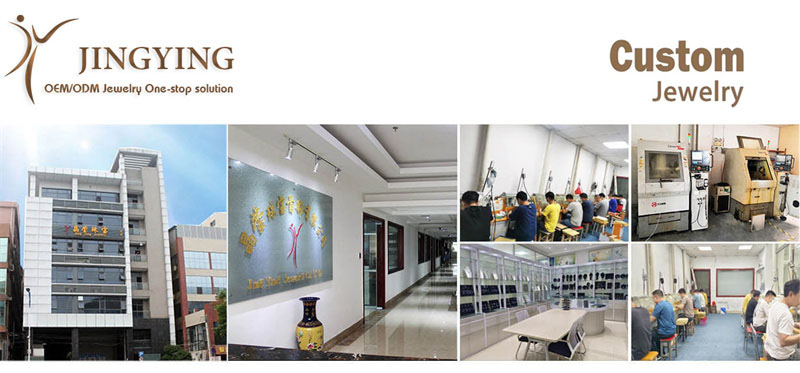
Ein erheblicher Teil der auf B2B-Plattformen gelisteten Lieferanten geben sich als Hersteller aus, sind aber tatsächlich Handelsunternehmen oder Beschaffungsmittler. Diese Unterscheidung ist für die Qualitätskontrolle von enormer Bedeutung, Preistransparenz, und Verantwortung. Eine echte Fabrik kann es vorführen: ein registriertes Produktionsunternehmen (nicht nur eine Gewerbeerlaubnis), a factory address that matches production activity, nachweisbare Produktionsanlagen und Montagelinien, and a workforce consistent with claimed output capacity.
Die Überprüfung kann aus der Ferne durchgeführt werden. Fordern Sie die Gewerbelizenz an und vergleichen Sie die registrierte Adresse mit Industrieparkunterlagen oder Kartierungsdiensten. Bitten Sie um einen Echtzeit-Videorundgang durch die Produktionshalle – in echten Fabriken gibt es den Lärm, Aktivität, and imperfection of an actual workshop, while trading offices tend to look like showrooms. For higher-stakes orders, a third-party factory audit (through SGS, Bureau Veritas, or a specialized sourcing agent) provides independent verification.
3. Evaluate OEM and ODM Capabilities Against Your Business Model
The choice between OEM and ODM is not merely operational—it defines your brand's competitive position. OEM means you provide the design, Zeichnungen, or specifications, and the factory manufactures to your requirements. This model costs more upfront (mold and development fees) but grants design exclusivity. ODM means the factory has pre-existing designs and molds; you select from their catalog and order production quantities. There are no mold fees, making it suitable for testing new designs before committing to custom development.
A capable OEM/ODM partner should support the entire production chain: design collaboration, 3D-Modellierung, Prototyping, Casting, Polieren, Überzug, Steineinstellung, Qualitätskontrolle, und Verpackung. For online brands managing rapid assortment turnover, the ability to move seamlessly between ODM (for trend-responsive testing) and OEM (for signature pieces) is a significant operational advantage.
4. Assess Quality Systems with Specificity
"Hohe Qualität" is meaningless without verifiable criteria. When evaluating a 925 Silberhersteller, examine these concrete dimensions:
Material transparency. Ask for the silver content verification method. Röntgenfluoreszenz (Xrf) testing is the industry standard for rapid, non-destructive silver content analysis, with typical precision of ±1‰. A manufacturer should provide batch-level XRF reports, not a single certificate from years ago.
Haltbarkeit der Beschichtung. For rhodium-plated or gold-plated silver, request plating thickness measurements and accelerated corrosion test results. Standard tests include salt spray testing (typically 24–48 hours for fashion jewelry, with premium suppliers offering 240-hour results) and coating adhesion testing per ASTM standards.
Casting and finishing quality. Review high-resolution images or physical samples for porosity, surface finish consistency, solder joint integrity, and stone-setting security. Weak factories rely on visual inspection alone; strong factories use measurement tools, Toleranzen, and documented defect-tracking systems.
QC infrastructure. Look for in-process inspection at multiple stages (incoming materials, Casting, Polieren, Vorplattieren, post-plating, final assembly), a dedicated QC team, and willingness to permit third-party audits. ISO 9001 certification is a useful baseline, though many agile exporters operate rigorous systems without it.
5. Understand the Real Cost Structure
The lowest quoted unit price is rarely the lowest actual cost. Several hidden factors frequently erode margins for first-time buyers.
Sample and mold fees. Most factories charge sample fees (often $50–$200 per design, with 3D modeling fees around $100) and mold charges ($30–$100 per design). Some factories will refund these upon reaching volume thresholds. Clarify refund conditions before committing.
MOQ economics. MOQs are not arbitrary; they reflect the fixed costs of machine calibration, labor allocation, and material batch preparation. A factory offering an extremely low MOQ may compensate through higher unit pricing or reduced QC intensity. Für Silberschmuck, typical MOQs range from 25 Zu 50 Stücke pro Design, though more flexible suppliers may accept 10–20 pieces for initial testing.
Currency and payment friction. When paying Chinese suppliers in USD, buyers typically absorb 1.5% Zu 4% in FX markups plus $25–$75 per transfer in intermediary fees. Some suppliers add a 2–3% surcharge for USD invoicing to offset their own conversion costs. Factor these into your landed-cost calculations.
Customs and duties. Silver jewelry entering the EU or US attracts import duties (typically around 2% of declared value for silver jewelry in the UK/EU context), and these compound with shipping, Versicherung, and compliance testing costs. Always calculate landed cost, not factory-gate cost.
6. Align with 2026 Manufacturing Trends
The sterling silver manufacturing landscape is evolving in ways that directly affect brand positioning. Two trends warrant particular attention when selecting a partner.
Recycled silver capability. Consumer demand for sustainability has made recycled silver a meaningful differentiator. Manufacturers incorporating recycled materials must source from refiners holding RJC Chain of Custody certification, which traces recycled content through every stage of the supply chain. If sustainability is part of your brand narrative, verify that your manufacturer can provide CoC documentation for recycled silver batches—not merely a general sustainability claim.
Advanced production technology. 3D printing has matured considerably, offering design flexibility that traditional casting cannot match, insbesondere für organische oder geometrisch komplexe Formen. Laserschweiß- und PVD-Beschichtungstechnologien verbessern die Verbindungsfestigkeit und die Haltbarkeit der Beschichtung. Ein Hersteller, der in diese Fähigkeiten investiert, ist besser in der Lage, zeitgemäße Designvorgaben konsequent umzusetzen.
7. Schützen Sie Ihr geistiges Eigentum, bevor Sie es teilen
Der Diebstahl geistigen Eigentums in der Schmuckherstellung ist eine dokumentierte Realität. Bevor Sie Designdateien teilen, CAD-Modelle, oder proprietäre Spezifikationen, eine unterzeichnete Geheimhaltungsvereinbarung abschließen. In der IP-Eigentumsklausel sollte ausdrücklich angegeben werden, dass alle Designs, CAD -Dateien, Formen, und abgeleitete Werke bleiben Ihr ausschließliches Eigentum, und dass der Hersteller nicht produzieren darf, verkaufen, oder ein auf Ihren Entwürfen basierendes Produkt an Dritte vertreiben.
Für Designs mit kommerzieller Bedeutung, Erwägen Sie eine Registrierung vor Produktionsbeginn. Document the design development process (dated sketches, CAD file timestamps, email correspondence) to establish provenance. If a manufacturer resists signing an NDA or requests broad production rights, treat this as a disqualifying signal.
A Practical Screening Framework
When evaluating potential manufacturers, prioritize these indicators in order:
| Priority | Indicator | Red Flag |
|---|---|---|
| 1 | Verifiable factory status with production address | Only a trading office; evasive about facility |
| 2 | Current EN 1811 / ERREICHEN / GB compliance documentation | "Compliant" claims without test reports |
| 3 | Documented multi-stage QC process | Visual inspection only; no measurement data |
| 4 | Transparent sample/mold fee structure with refund terms | Undisclosed fees added after sampling |
| 5 | Willingness to sign NDA and IP ownership clause | Resistance to written IP protection |
| 6 | Realistic MOQ aligned with your testing budget | Very low MOQ paired with very high unit price |
| 7 | Responsive communication (unter 24 Std.) | Delayed replies before the order, worse after |
Abschluss
Choosing a 925 silver manufacturer for an online brand is an exercise in risk management as much as cost optimization. The right partner reduces your exposure to compliance failures, quality inconsistencies, and supply chain disruptions—factors that disproportionately harm digital-first businesses where reviews and return rates directly affect platform visibility and customer acquisition costs.
The framework above is deliberately conservative: it prioritizes verifiable evidence over promises, and long-term partnership potential over short-term price advantage. Für aufstrebende Marken, starting with a manufacturer that supports moderate MOQs and transparent development costs is often wiser than chasing the absolute lowest quote from a supplier whose reliability is unproven. The goal is not to find the cheapest manufacturer. It is to find the one whose quality systems, compliance posture, and communication discipline allow you to build a brand that customers trust—order after order.