
14k Vergoldetes Sterlingsilber: Wahrer Wert, Tatsächlicher Goldgehalt, und was Sie wissen müssen
Einführung
In der riesigen und oft verwirrenden Welt des erschwinglichen Schmucks, Nur wenige Produktbeschreibungen lösen so viele Diskussionen aus wie „14-karätig vergoldetes Sterlingsilber“. Gehen Sie in ein beliebiges Kaufhaus, Scrollen Sie durch Amazon, oder stöbere auf Etsy, und Sie werden Tausende von Ohrringen finden, Halsketten, Ringe, und Armbänder mit diesem Etikett. Der Satz ist verlockend: Es verspricht den Luxus von 14-Karat-Gold ohne den atemberaubenden Preis von massivem Gold. Aber wofür genau bezahlen Sie?? Wie viel echtes Gold steckt tatsächlich in diesem Schmuckstück?? Und ist „14-karätig vergoldetes Sterlingsilber“ ein kluger Kauf?, ein Marketinggag, oder etwas dazwischen?
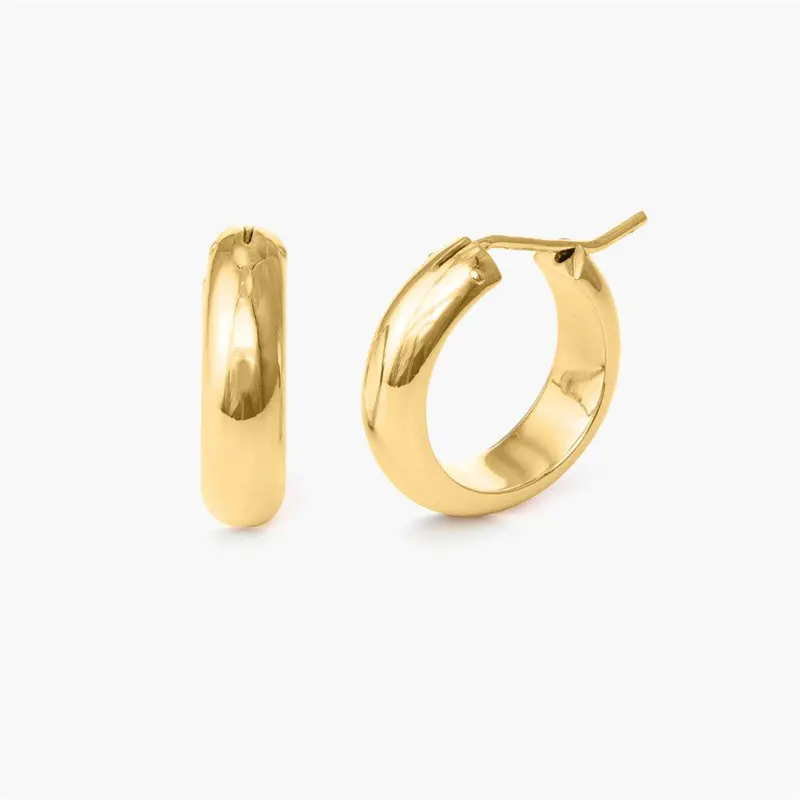
Dieser Artikel bietet eine endgültige Lösung, datengesteuerte Antwort. Wir werden jeden Begriff analysieren, Berechnen Sie den mikroskopischen Goldgehalt, Vergleichen Sie die Beschichtungsdicken, Haltbarkeit bewerten, Analysieren Sie die Kosten im Vergleich zum inneren Metallwert, und bieten Verbrauchern praktische Orientierungshilfen. Am Ende, Sie werden genau verstehen, was „14-karätig vergoldetes Sterlingsilber“ bedeutet – und ob es einen Platz in Ihrer Schmuckschatulle verdient.
Teil 1: Dekonstruktion der Terminologie
Bevor wir den Wert beurteilen können, wir müssen die Sprache verstehen. Der Ausdruck „14-karätig vergoldetes Sterlingsilber“ enthält vier verschiedene Behauptungen. Jedes hat eine spezifische rechtliche und technische Bedeutung.
1.1 Was bedeutet „14-karätiges Gold“??
Der Reinheitsgrad von Gold wird in Karat gemessen (abgekürzt „k“ oder „Kt“), reicht von 1 Zu 24. Reines Gold ist 24 Karat, Bedeutung 24 von 24 Teile sind aus Gold – 99,9 % rein. Jedoch, Reines Gold ist extrem weich und formbar; Ein Ring aus 24-karätigem Gold würde sich innerhalb weniger Tage verbiegen und zerkratzen. Um Schmuck langlebig zu machen, Gold ist legiert (gemischt) mit anderen Metallen wie Kupfer, Silber, Zink, oder Nickel.
14k Gold bedeutet 14 Teile aus 24 sind pures Gold. Der Rest 10 Teile sind andere Metalle. Mathematisch:
-
Reine Goldfraktion: 14 ÷ 24 = 0.58333 (58.333%)
-
Legierungsanteil: 41.667%
Daher, Jedes Material mit der Aufschrift „14-karätiges Gold“ enthält 58.3% reines Gold nach Gewicht. Der andere 41.7% ist eine Kombination unedler Metalle, die für Härte sorgen, Farbvariation (Rose, Gelb, Weiß), und Korrosionsbeständigkeit.
1.2 Was bedeutet „vergoldet“??
„Plated“ ist ein kritischer Modifikator. Nach Angaben der USA. Federal Trade Commission (FTC) Schmuckführer (16 CFR Teil 23), „vergoldet“ beschreibt ein Produkt, bei dem eine Goldschicht durch Galvanisieren mit einem Grundmetall verbunden ist, mechanische Mittel, oder andere Prozesse. Der entscheidende Unterschied: die Goldschicht ist dünn– oft in Mikrometern gemessen (Millionstel Meter).
Branchenstandards (ISO 27874, ASTM B488) Definieren Sie Mindestdicken:
-
Vergoldet (allgemein): Kein allgemeingültiges gesetzliches Minimum, aber typische kommerzielle Beschichtungen reichen von 0.05 Zu 2.5 Mikrometer.
-
Gold blitzte oder verwaschen: Noch dünner (<0.05 Mikrometer), Wird oft für Einweg-Modeschmuck verwendet.
-
Mit Gold gefüllt (nicht zu verwechseln mit plattiert): Mechanisch gebundene Goldschicht, typischerweise 5–50 Mikrometer dick, normalerweise 5% oder 10% vom Gesamtgewicht des Artikels.
-
Vermeil (ausgesprochen „ver-may“): Vergoldung über Sterlingsilber, jedoch mit einer Mindestdicke von 2.5 Mikrometer (in den USA) und eine Basis aus Sterlingsilber. Bei Vermeil handelt es sich um eine höherwertige Untergruppe von Goldplattierungen.
Entscheidend, Standard „vergoldet“ garantiert keine bestimmte Dicke. Viele Massenmarktprodukte von Marken wie JINGYING, Pavoi, oder Amazon Basics verwendet eine Beschichtung mit einer Dicke von nur 0,1–0,3 Mikrometern, um die Kosten zu senken.
1.3 Was bedeutet „Sterlingsilber“??
Sterlingsilber ist eine Silberlegierung mit einer definierten Zusammensetzung: 92.5% reines Silber Und 7.5% Andere Metalle (traditionell Kupfer). Als Markenzeichen erscheint die Bezeichnung „925er Sterlingsilber“.. Reines Silber (99.9%) ist zu weich für funktionellen Schmuck, ähnlich wie reines Gold. Der Kupferzusatz sorgt für Festigkeit und Haltbarkeit.
Sterlingsilber hat einen echten inneren Wert. Zu aktuellen Marktpreisen (etwa 0.80- -0.90 pro Gramm reines Silber), Der Schrottwert von Sterlingsilber beträgt ungefähr 0.74- -0.83 pro Gramm. Ein 10-Gramm-Ring aus Sterlingsilber enthält ca 7.50- -8.30 im Wert von Silber.
1.4 „14-karätig vergoldetes Sterlingsilber“ – die vollständige Definition
Alles zusammenfügen: ein Schmuckstück, dessen Hauptkörper (Substrat) Ist 92.5% reines Silber (Sterling), worauf eine hauchdünne Schicht aufgetragen wird 58.3% reines Gold (14k) wurde galvanisiert. Die Goldschicht liegt typischerweise dazwischen 0.1 Und 1.0 Mikrometer dick für Massenmarktstücke.
Dies ist kein Artikel aus massivem Gold. Es ist nicht einmal mit Gold gefüllt. Es handelt sich um Silberschmuck mit goldfarbener Oberfläche.
Teil 2: Quantifizierung des tatsächlichen Goldgehalts
Das ist der Kern der Sache. Wie viele Gramm reines Gold befinden sich tatsächlich auf einem typischen 14-karätig vergoldeten Sterlingsilberstück?? Die Antwort könnte Sie überraschen.
2.1 Die Berechnungsmethode
Zur Berechnung der Goldmasse, wir brauchen:
-
Oberfläche des Schmuckstücks (in Quadratzentimetern oder Quadratmillimetern)
-
Dicke der Überlieferung (in Mikrometern)
-
Dichte von 14 Karat Gold (ca. 13,0–13,5 g/cm³, je nach Legierungsmetall)
-
Reine Goldfraktion (0.583)
Formel:
Goldmasse (Gramm) = (Fläche in cm²) × (Beschichtungsdicke in cm) × (Dichte von 14-karätigem Gold in g/cm³)
Dann multiplizieren Sie mit 0.583 um reine Goldmasse zu erhalten.
2.2 Ausgearbeitete Beispiele – Gängige Schmuckstücke
Berechnen wir drei realistische Szenarien: ein dünn plattierter Ohrring, ein mittelgroßer Anhänger, und eine dicke plattierte (Vermeil) Ring.
Beispiel 1: Budget-Ohrringe (Dünne Beschichtung)
-
Artikel: Kleines Ohrsteckerpaar, Gesamtoberfläche ≈ 4 cm²
-
Dicke der Überlieferung: 0.2 Mikrometer (0.00002 cm) – häufig für 15- -25 Ohrringe
-
Volumen aus 14 Karat Gold: 4 cm² × 0.00002 cm = 0.00008 cm³
-
Masse aus 14 Karat Gold: 0.00008 cm³ × 13.2 g/cm³ = 0.001056 Gramm
-
Reiner Goldgehalt: 0.001056 g × 0.583 = 0.000616 Gramm
Bei einem Goldpreis von 65pro Gramm reines Gold,Der Goldwert ist∗∗0.04** (vier Cent).
Beispiel 2: Mittelklasse-Anhänger (Standardbeschichtung)
-
Artikel: Kleiner Anhänger, Oberfläche ≈ 6 cm²
-
Dicke der Überlieferung: 0.5 Mikrometer (0.00005 cm) – bessere Qualität, aber immer noch Standard
-
Volumen: 6 × 0.00005 = 0.0003 cm³
-
Masse 14k: 0.0003 × 13.2 = 0.00396 G
-
Reines Gold: 0.00396 × 0.583 = 0.00231 Gramm
Goldwert: 0.00231 g × 65/g=∗∗0.15** (fünfzehn Cent).
Beispiel 3: Ring in Vermeil-Qualität (Dicke Beschichtung)
-
Artikel: Ring, Oberfläche ≈ 10 cm² (innen und außen kombiniert)
-
Dicke der Überlieferung: 2.5 Mikrometer (0.00025 cm) – Minimum für US-Vermeil-Standard
-
Volumen: 10 × 0.00025 = 0.0025 cm³
-
Masse 14k: 0.0025 × 13.2 = 0.033 G
-
Reines Gold: 0.033 × 0.583 = 0.0192 Gramm
Goldwert: 0.0192 g × 65/g=∗∗1.25**.
2.3 Vergleichstabelle: Goldgehalt in allen Schmuckarten
| Schmucktyp | Dicke der Überlieferung (Mikrometer) | 14k Goldmasse (Gramm) | Reine Goldmasse (Gramm) | Ca. Goldwert (bei 65 $/g pur) |
|---|---|---|---|---|
| Ultradünn plattiert (Z.B., billige Mode) | 0.1 | 0.0005 | 0.0003 | $0.02 |
| Typischer Massenmarkt (Jingying, usw.) | 0.2–0,3 | 0.001–0,0015 | 0.0006–0,0009 | 0.04- -0.06 |
| Mäßige Qualität | 0.5 | 0.004 | 0.0023 | $0.15 |
| Hochwertige Beschichtung | 1.0 | 0.008 | 0.0047 | $0.30 |
| Vermeil (US-Minimum) | 2.5 | 0.033 | 0.019 | $1.25 |
| Mit Gold gefüllt (5% vom Gewicht) | ~30–50 | 0.5–2,0 (hängt vom Gewicht des Artikels ab) | 0.3–1.2 | 20- -80 |
| Massives 14-karätiges Gold (2g-Anhänger) | N / A (ganzes Stück) | 2.0 | 1.166 | $75.80 |
Schlüssel zum Mitnehmen: Ein typischer Artikel aus „14 Karat vergoldetem Sterlingsilber“ enthält dazwischen 0.04Und0.30 Wert von reinem Gold. Das Gold ist im Wesentlichen eine Farbbeschichtung, kein Wertaufbewahrungsmittel.
Teil 3: Der wahre Wert – Sterlingsilber als Grundlage
Wenn das Gold vernachlässigbar ist, Wo liegt der Wert?? In der Basis aus Sterlingsilber.
3.1 Schrottwert von Sterlingsilber
Im Gegensatz zu Stahl, Messing, oder Kupfer (gängige unedle Metalle für billigen vergoldeten Schmuck), Sterlingsilber ist ein Edelmetall. Es wird auf Rohstoffmärkten gehandelt. Auch nachdem die Goldplatte abgenutzt ist, Sie besitzen immer noch einen Silbergegenstand.
Aktueller Silbermarkt (ab 2025–2026):
-
Reiner Silberpreis: etwa 0.80- -0.90 pro Gramm
-
Sterlingsilber (92.5% Reinheit): Wert = 0.925 × Silber-Spotpreis ≈ 0.74- -0.83 pro Gramm
Schauen wir uns unsere Beispiele noch einmal an:
-
Ohrringe (2g Sterlingsilber insgesamt): Silberwert ≈ 1.50- -1.66
-
Anhänger (4g Sterlingsilber): Silberwert ≈ 3.00- -3.32
-
Ring (6g Sterlingsilber): Silberwert ≈ 4.50- -5.00
Vergleichen Sie dies mit dem Goldwert (Cent). Das Sterlingsilber entfällt 95–99 % des Edelmetallwertes in diesen Artikeln.
3.2 Wie sieht es mit den Herstellungs- und Designkosten aus??
Der Verkaufspreis für 14-karätig vergoldeten Sterlingsilberschmuck liegt normalerweise zwischen 15Zu80. Der Rohmetallwert (Silber + mikroskopisch kleines Gold) ist normalerweise 2Zu15. Der Rest deckt ab:
-
Fertigungsarbeit (Casting, Polieren, Zusammenbauen)
-
Beschichtungsprozess (Galvanikausrüstung, Chemikalien, Arbeit)
-
Verpackung, Marketing, Versand
-
Markenaufschlag und Gewinnspanne
A 40Halskettekönntehaben6 aus Silber, 0.10aus Gold,8 der Fertigung, Und $25.90 der Marke, Design, und Gewinn. Sie zahlen für Ästhetik und Branding, keine Metallinvestition.
Teil 4: Haltbarkeit – Wie lange hält die Goldplatte??
Beim Wert geht es nicht nur um das Gewicht des Metalls; es geht auch um Langlebigkeit. A 30Ein Paar Ohrringe, die drei Monate halten, ist weniger wertvoll als ein Paar100 Stück, das zehn Jahre hält.
4.1 Tragemuster und Dicke
Die Goldplatte verschleißt dadurch:
-
Abrieb: Reiben an der Haut, Kleidung, anderer Schmuck.
-
Chemische Belastung: Schweiß (Salz, Milchsäure, Harnstoff), Parfüme, Lotionen, Chlor, und sogar einen sauren pH-Wert der Haut.
-
Physische Auswirkungen: Kratzen an harten Oberflächen.
Die Lebensdauer einer Goldplatte ist ungefähr proportional zur Dicke. Empirische Daten aus Schmuckprüflaboren (Z.B., SGS, Bureau Veritas) zeigt:
| Dicke der Überlieferung (Mikrometer) | Typische Lebensdauer (tägliches Tragen) | Notizen |
|---|---|---|
| 0.1 | 1–4 Wochen | Verblasst schnell; oft als „Goldwäsche“ bezeichnet |
| 0.2 | 1–3 Monate | Häufig bei preisgünstigem Modeschmuck |
| 0.5 | 3–9 Monate | Mäßig; akzeptabel für gelegentliches Tragen |
| 1.0 | 9–18 Monate | Gut zum Tragen am Wochenende |
| 2.5 (Vermeil) | 2–5 Jahre | Kann bei sorgfältiger Verwendung lange halten |
| 10+ (Grobblech) | 5–10+ Jahre | Selten in kommerziellen Stücken |
Artikel mit hoher Reibung (Ringe, Armbandverschlüsse, Kettenglieder) verschleißen schneller als Artikel mit geringer Reibung (Bolzenohrringe, Anhänger).
4.2 Untergold und freiliegendes Silber
Sobald die Goldplatte abgenutzt ist, Das darunter liegende Sterlingsilber liegt frei. Silber läuft an (reagiert mit Schwefel in der Luft und bildet schwarzes Silbersulfid). Anlauffarben können wegpoliert werden, aber der Gegenstand wird nicht mehr goldfarben aussehen. Eine Neubeschichtung ist möglich, aber kostenpflichtig 10- -30 – oft mehr als der Originalpreis des Schmucks.
4.3 Vergleich der Haltbarkeit
-
Massives 14-karätiges Gold: Verschleißt nie; Kann unbegrenzt poliert werden.
-
Mit Gold gefüllt: Die äußere Goldschicht ist dick (5–10 % des Gesamtgewichts); kann Jahrzehnte dauern.
-
Vergoldet (Standard): Außenschicht gemessen in Mikrometern; gemessen in Monaten.
-
Vergoldet (Vermeil): 2.5+ Mikrometer; sorgfältig in Jahren gemessen.
Teil 5: Ist „14-karätig vergoldetes Sterlingsilber“ ein gutes Preis-Leistungs-Verhältnis?? – Vor- und Nachteile
5.1 Vorteile
-
Erschwinglicher Gold-Look: Für unter $50, Sie können Schmuck haben, der für den Gelegenheitsbeobachter wie massives 14-karätiges Gold aussieht.
-
Hypoallergene Basis: Sterlingsilber (vor allem, wenn es nickelfrei ist) ist weniger allergen als Messing oder vernickelter Stahl.
-
Echter Silberwert: Im Gegensatz zu plattiertem Messing oder Kupfer, Sie behalten den Wert des Altsilbers, nachdem das Gold verblasst ist.
-
Leicht und bequem: Silber ist leichter als viele unedle Metalle, die für billige Beschichtungen verwendet werden.
-
Leicht austauschbar: Ein Juwelier kann Silbergegenstände abtrennen und neu plattieren.
5.2 Nachteile
-
Vernachlässigbarer Goldgehalt: Sie besitzen Gold im Wert von Cent, nicht Dollar.
-
Kurze Lebensdauer für den täglichen Gebrauch: Es kann mit 3–12 Monaten rechnen, bis sichtbare Abnutzungserscheinungen auftreten.
-
Anlaufen von freiliegendem Silber: Sobald die Platte versagt, Du hast ein silberfarbenes (möglicherweise angelaufen) Artikel.
-
Irreführendes Marketing: Viele Verkäufer betonen „14-karätiges Gold“ und vergraben „plattiert“ im Kleingedruckten.
-
Schlechter Wiederverkaufswert: Pfandleiher und Goldkäufer zahlen nur den Altsilberwert (Pennys auf den Einzelhandelsdollar).
5.3 Werturteil
-
Für Mode und Gelegenheitskleidung: Guter Wert. Sie erhalten einen luxuriösen Look zu geringen Vorabkosten.
-
Für den täglichen Gebrauch oder als Erbstücke: Schlechter Wert. Sie müssen häufig ersetzen oder neu beschichten.
-
Für Investitionen: Nullwert. Keine finanzielle Wertschätzung.
-
Für hypoallergene Bedürfnisse: Gut, aber massives Sterlingsilber (unbeschichtet) ist gleichermaßen hypoallergen und günstiger.
Teil 6: Marketing vs. Realität – Wie Verkäufer irreführen
6.1 Der Anker aus „14-karätigem Gold“.
Verkäufer wissen, dass die Augen der Verbraucher auf „14-karätiges Gold“ fixiert sind. Sie zeigen diesen Satz oft groß an, fette Schriftart, während „plattiert“ in kleinerer Schrift oder einer anderen Farbe erscheint. Ein typischer Eintragstitel: „Infinity-Halskette aus 14-karätigem vergoldetem Sterlingsilber – hypoallergen, Anlaufgeschützt“ – Das Wort „plattiert“ wird leicht übersehen.
6.2 Weglassen der Dicke
Nur sehr wenige Massenmarktmarken geben die Dicke der Beschichtung bekannt. Jingying, Zum Beispiel, gibt auf seinen Produktseiten keine Mikrometer an. Dadurch können sie eine möglichst dünne Schicht verwenden (0.1–0,2 Mikrometer) während immer noch gesetzlich behauptet wird, dass es „14-karätig vergoldet“ sei. Nur Vermeil und Goldfill haben definierte Standards.
6.3 Gefälschte „Vermeil“-Behauptungen
Einige Verkäufer kennzeichnen ihre Stücke mit „Vermeil“, verwenden aber unten eine Beschichtung 2.5 Mikrometer. In den USA, Die FTC verlangt, dass Vermeil ein Minimum von hat 2.5 Mikrometer Gold auf Sterlingsilber. Jedoch, Die Durchsetzung ist lax, insbesondere auf internationalen Marktplätzen. Überprüfen Sie dies immer durch unabhängige Bewertungen oder Tests.
6.4 Der Mythos „anlaufbeständig“.
Gold läuft nicht an (reagiert nicht mit Luft oder Feuchtigkeit). Jedoch, wenn Verkäufer „anlaufgeschützt“ behaupten,„Sie implizieren, dass das gesamte Stück dem Anlaufen widersteht. In Wirklichkeit, Nur die goldene Oberflächenschicht ist beständig gegen Anlaufen – und sobald sie sich abnutzt, Sterlingsilber läuft leicht an. Die Behauptung gilt technisch gesehen für die Goldplatte, aber in der Praxis irreführend.
Teil 7: Verbraucherratgeber – So kauft man smart
Wenn Sie sich für den Kauf von 14-karätig vergoldetem Sterlingsilber entscheiden, Befolgen Sie diese Regeln, um den Wert zu maximieren und Enttäuschungen zu minimieren.
7.1 Achten Sie auf Dickenangaben
Suchen Sie nach Verkäufern, die die Beschichtungsdicke in Mikrometern angeben. Zuverlässige Marken (Z.B., Schwere Goldplatte, einige Etsy-Kunsthandwerker) stellen Sie dies bereit. Ideale Mindestwerte:
-
Gelegentliche Abnutzung: 0.5 Mikrometer
-
Regelmäßiges Tragen: 1.0 Mikrometer
-
Tägliches Tragen: 2.5 Mikrometer (Vermeil) oder höher
Wenn die Dicke nicht angegeben ist, Gehen Sie von 0,1–0,3 Mikrometern aus.
7.2 Bevorzugen Sie seriöse Verkäufer
-
Große Plattformen: Amazonas, Etsy, eBay – Überprüfen Sie aktuelle Bewertungen auf „Beschichtung abgenutzt“. Suchen Sie nach „nachher 3 Monate“ oder „Gold verblasst“.
-
Spezialmarken: Suchen Sie nach Unternehmen, die „Heavy Gold Plate“ verwenden (≥1 Mikrometer) oder zertifiziertes Vermeil.
-
Vermeiden Sie verdächtig billige Artikel: A $9.99 Der Ring „14 Karat vergoldetes Sterlingsilber“ hat mit ziemlicher Sicherheit eine verschwindend dünne Platte.
7.3 Ziehen Sie stattdessen „Gold Filled“ in Betracht
Für eine bescheidene Preiserhöhung (oft das 2- bis 5-fache der Kosten für plattiertes Material), Goldgefüllt sorgt für eine 10- bis 50-fach dickere Goldschicht. A 40vergoldete Halsketteevsa100 goldgefüllte Halskette: Der mit Gold gefüllte kann überleben 20 Jahre, solange der plattierte hält 6 Monate. Im Laufe der Zeit, Gold gefüllt ist billiger.
7.4 Pflegehinweise zur Verlängerung des Lebens
-
Legen Sie den Schmuck vor dem Duschen ab, Baden, oder trainieren.
-
Vermeiden Sie den Kontakt mit Parfümen, Lotionen, und Haarspray.
-
Nach jedem Tragen mit einem weichen Tuch abwischen.
-
In einem weichen Beutel oder einer gefütterten Schachtel aufbewahren, weg von anderem Schmuck.
-
Verwenden Sie keine abrasiven Polierer – sie entfernen mehr Gold.
7.5 Realistische Erwartungen
Verstehen Sie, dass Sie ein kaufen temporäres Goldfinish auf silberner Basis. Genießen Sie den Look, aber erwarte keine Beständigkeit. Wenn das Gold verblasst, Sie haben ein Silberstück – das Sie so tragen können, wie es ist, poliert, oder neu beschichtet.
Teil 8: Fallstudie – Analyse eines realen Produkts
Wenden wir dieses Wissen auf ein repräsentatives Produkt einer generischen Marke an (ähnlich den Angeboten von JINGYING).
Produkt: „Halo-Ohrstecker aus 14-karätigem vergoldetem Sterlingsilber mit Zirkonia“
Preis: $25.99
Gewicht: 3.2 Gramm insgesamt (Paar)
Behauptetes Metall: 925 Sterlingsilber mit 14-Karat-Goldplattierung
Dicke der Überlieferung: Nicht angegeben
Schritt 1 – Schätzen Sie die realistische Beschichtungsdicke
Angesichts der Preis- und Marktnormen, annehmen 0.2 Mikrometer.
Schritt 2 – Silberwert berechnen
3.2g Sterlingsilber × 0.925 Reinheit = 2,96 g reines Silber
2.96g × 0.85/G(Mittelstand)=∗∗2.52 Silberwert**
Schritt 3 – Goldwert berechnen
Fläche pro Ohrring ≈ 3 cm² (gesamt 6 cm²)
Volumen von 14 Karat Gold = 6 cm² × 0.00002 cm = 0.00012 cm³
Masse 14k = 0.00012 × 13.2 = 0.001584 G
Reines Gold = 0.001584 × 0.583 = 0.000924 G
Goldwert = 0.000924 × 65=∗∗0.06**
Schritt 4 – Gesamtmetallwert
2.52(Silber)+0.06 (Gold) = $2.58
Schritt 5 - Abschluss
Sie zahlen 25.99für2.58 von Edelmetallen – ein 10-facher Aufschlag. Über 90% Ihr Geld wird für Design ausgegeben, Kubikzirkonie (preiswert), Beschichtungsarbeit, Verpackung, Marketing, und Gewinn.
Ist das fair?? Für Modeschmuck, ja – vergleichbar mit Kaufhausaufschlägen. Aber wenn Sie zu der Annahme verleitet wurden, dass Sie einen beträchtlichen Goldgehalt besitzen, NEIN.
Teil 9: Rechtliche und ethische Landschaft
9.1 FTC-Richtlinien (Vereinigte Staaten)
In den Schmuckleitfäden der FTC heißt es::
-
„Vergoldet“ muss mit dem Grundmetall qualifiziert sein (Z.B., „vergoldetes Sterlingsilber“).
-
Wenn die Beschichtung kleiner ist als 0.5 Mikrometer, Einige Aufsichtsbehörden halten „Gold Flashed“ oder „Gold Washed“ für zutreffender.
-
Vermeil erfordert mindestens 2.5 Mikron und Basis aus Sterlingsilber.
Jedoch, Die FTC schreibt keine Offenlegung der Dicke vor. Verkäufer können eine 0,1-Mikrometer-Beschichtung legal als „14-karätig vergoldet“ bezeichnen.
9.2 Punze der Europäischen Union
EU -Vorschriften (Z.B., Richtlinie 2011/67/EU) Für Silbergegenstände ab einem bestimmten Gewicht ist eine Punzierung erforderlich. Die Dicke der Beschichtung wird jedoch nicht streng kontrolliert. Einige Mitgliedsstaaten haben zusätzliche Regeln – Frankreich, zum Beispiel, erfordert „überzogen“ (plattiert) klar lesbar sein.
9.3 Chinesische Exportstandards
Viele Stücke aus 14-karätigem vergoldetem Sterlingsilber stammen aus China (Z.B., von Marken wie JINGYING, Dies ist häufig ein Wiederverkäufer von in China hergestellten Waren). Chinesische GB-Standards erlauben „vergoldet“ für jede galvanisierte Schicht. Bei Exporten ist die Durchsetzung minimal.
9.4 Aufkommende Transparenzbewegungen
Einige ethische Juweliere geben mittlerweile freiwillig die Dicke der Beschichtung offen und bieten eine „Mikron-Garantie“ an. Der Druck der Verbraucher könnte die Mainstream-Marken letztendlich dazu zwingen, diesem Beispiel zu folgen.
Teil 10: Alternativen zu 14 Karat vergoldetem Sterlingsilber
Wenn Sie einen goldenen Look mit mehr Haltbarkeit oder echtem Wert wünschen, Erwägen Sie diese Optionen.
10.1 Massives 14-karätiges oder 10-karätiges Gold
-
Profis: Lebenslange Haltbarkeit, hoher Wiederverkaufswert, lässt nie nach.
-
Nachteile: Teuer (200- -2,000+ für die meisten Stücke).
-
Am besten für: Verlobungsringe, Erbstücke, Alltagskleidung.
10.2 Goldgefüllt
-
Profis: 5–10 % Gold nach Gewicht (viel dicker als Beschichtung), dauert 10–30 Jahre, kostet 2–5× plattiert.
-
Nachteile: Immer noch kein massives Gold; Basismetall ist normalerweise Messing oder Kupfer (nicht silber).
-
Am besten für: Alltagsschmuck, bei dem das Aussehen wichtig ist, das Budget jedoch begrenzt ist.
10.3 Vermeil (Schwere Goldplatte auf Silber)
-
Profis: Dicker als Standardplatte (2.5+ Mikrometer), silberner Sockel, sieht seit Jahren aus wie massives Gold.
-
Nachteile: Teurer als standardmäßig plattiert (50- -150), trägt sich irgendwann immer noch.
-
Am besten für: „Investment-lite“-Gold-Look ohne solide Goldpreise.
10.4 Edelstahl mit PVD-Goldbeschichtung
-
Profis: Extrem langlebig (PVD ist härter als galvanisiertes Gold), sehr erschwinglich, hypoallergen.
-
Nachteile: Basismetall hat keinen Schrottwert (im Gegensatz zu Silber).
-
Am besten für: Aktiver Lebensstil, Herrenschmuck, Budget-Tageskleidung.
10.5 Unplattiertes Sterlingsilber
-
Profis: Ehrlicher Metallwert, lässt sich auf strahlend weißen Glanz polieren, Keine Beschichtung, die sich abnutzen kann.
-
Nachteile: Nicht goldfarben (offensichtlich Silber).
-
Am besten für: Diejenigen, die Silber wirklich mögen.
Teil 11: Häufig gestellte Fragen
Q1: Ist 14 Karat vergoldetes Sterlingsilber, echtes Gold?
Ja – die Beschichtung besteht aus echtem 14-Karat-Gold (58.3% reines Gold). Jedoch, es ist eine extrem dünne Schicht.
Q2: Wie lange hält eine 14-Karat-Vergoldung auf Sterlingsilber??
Normalerweise 3–12 Monate bei regelmäßigem Tragen, je nach Dicke. Vermeil (2.5+ Mikrometer) kann 2–5 Jahre dauern.
Q3: Kann ich jeden Tag 14-karätig vergoldetes Sterlingsilber tragen??
Du kannst, Erwarten Sie jedoch innerhalb von Wochen bis Monaten sichtbare Abnutzungserscheinungen. Für den täglichen Gebrauch, Wählen Sie goldgefülltes oder massives Gold.
Q4: Läuft 14-karätig vergoldetes Sterlingsilber an??
Die Goldbeschichtung läuft nicht an. Jedoch, Sobald das Gold abgenutzt ist, Das freigelegte Sterlingsilber wird anlaufen (schwärzlich werden). Sie können das Silber polieren.
F5: Ist 14-karätig vergoldetes Sterlingsilber als Schrott überhaupt etwas wert??
Ja – die Basis aus Sterlingsilber hat einen Schrottwert (Typischerweise 0.75- -0.85 pro Gramm Sterling). Der Goldgehalt ist vernachlässigbar.
F6: Wie kann ich feststellen, ob es sich bei meinem Schmuck wirklich um 14-karätig vergoldetes Sterlingsilber handelt??
Achten Sie auf den Stempel „925“ auf dem Silber (gibt Pfund an). Suchen Sie nach „14k GP“ oder „14k HGE“ (schwere Goldgalvanisierung). Jedoch, Briefmarken können gefälscht sein; Der Kauf bei seriösen Verkäufern ist der Schlüssel.
F7: Ist Vermeil dasselbe wie vergoldet?
Vermeil ist eine Untergruppe von vergoldetem Material: Es erfordert eine Basis und ein Minimum aus Sterlingsilber 2.5 Mikrometer Gold. Bei der Standardausführung „vergoldet“ ist keine Dicke erforderlich.
F8: Kann ich mein mit 14 Karat vergoldetes Sterlingsilber neu vergolden lassen??
Ja. Ein Juwelier kann die alte Platte entfernen und neues Gold auftragen. Die Kosten betragen normalerweise 10- -30, Dies kann den Originalpreis des Artikels übersteigen.
Teil 12: Fazit – Das Fazit
Nach einer gründlichen Analyse der Zusammensetzung, Berechnungen, Haltbarkeit, und Marktpraktiken, Wir können die zentrale Frage beantworten: Was ist der wahre Wert und Goldgehalt von 14-karätig vergoldetem Sterlingsilber??
Goldgehalt: Für ein typisches Massenmarktstück (Z.B., von JINGYING oder ähnlich), Der reine Goldgehalt reicht von 0.0003 Zu 0.005 Gramm – Wert zwischen 2 Und 30 Cent zum aktuellen Goldpreis. Das Gold ist im Wesentlichen eine farbige Beschichtung, keine nennenswerte Menge Edelmetall.
Gesamtmetallwert: Die Basis aus Sterlingsilber stellt in der Regel den größten Teil des inneren Wertes dar 2Zu15 je nach Gewicht, im Vergleich zu einem Verkaufspreis von 15Zu80.
Bester Anwendungsfall: 14K-vergoldetes Sterlingsilber ist ideal für Mode, gelegentlich getragener Schmuck bei dem das Ziel eine goldene Ästhetik zu geringen Vorabkosten ist. Es eignet sich gut für Veranstaltungen, Jahreszeiten, oder trendige Designs, die möglicherweise aus der Mode geraten, bevor die Beschichtung versagt.
Schlimmster Anwendungsfall: Es ist schlecht für Alltagskleidung (Ringe, Armbänder), Erbstücke, oder jedes Stück, bei dem Langlebigkeit oder Investitionswert wichtig sind. Die Goldplatte nutzt sich innerhalb von Monaten ab, Sie hinterlassen einen Silbergegenstand, der möglicherweise poliert oder neu beschichtet werden muss.
Verbraucherberatung:
-
Zahlen Sie niemals mehr als 50- -60 für Standard-Sterlingsilber mit 14-Karat-Vergoldung, es sei denn, es handelt sich um zertifiziertes Vermeil-Silber (2.5+ Mikrometer).
-
Dickenangaben sind erforderlich. Wenn ein Verkäufer keine Mikrometer liefern kann, Gehen Sie von einer dünnen Beschichtung aus.
-
Für nur ein etwas höheres Budget, Upgraden Sie auf Gold gefüllt oder Vermeil für eine deutlich höhere Haltbarkeit.
-
Ziehen Sie unplattiertes Sterlingsilber in Betracht, wenn Ihnen Ehrlichkeit und Schrottwert wichtiger sind als die Farbe Gold.
Endgültiges Urteil: 14k-vergoldetes Sterlingsilber ist eine legitime Produktkategorie, aber sein Name ist eher Marketing als Metallurgie. Der Teil „14-karätiges Gold“ ist von der Zusammensetzung her echt, aber von der Menge her unbedeutend. Der „Sterlingsilber“-Teil ist der eigentliche Vermögenswert. Kaufen Sie es wegen der Optik, nicht für Gold. Verstehen Sie, was Sie besitzen: ein silbernes Schmuckstück mit vorübergehend goldfarbener Oberfläche. Genießen Sie es, während es glänzt, und wenn das Gold verblasst, Schätzen Sie das Silber darunter – oder ersetzen Sie es einfach.
Anhang: Kurzreferenztabelle
| Eigentum | Spezifikation |
|---|---|
| Goldreinheit in der Platte | 58.3% reines Gold (14k) |
| Typische Beschichtungsdicke | 0.1–0,5 Mikrometer (Massenmarkt); 2.5+ Mikrometer (Vermeil) |
| Typische reine Goldmasse (pro Artikel) | 0.0003–0,005 Gramm (Standard); 0.02–0,10 Gramm (Vermeil) |
| Goldwert (bei 65 $/g pur) | 0.02- -0.30 (Standard); 1.30- -6.50 (Vermeil) |
| Unedles Metall | 92.5% Silber (Sterling) |
| Silberschrottwert (10g Artikel) | ~7.50- -8.50 |
| Einzelhandelspreisspanne | 15- -80 (Standard); 50- -150 (Vermeil) |
| Haltbarkeit (tägliches Tragen) | 3–12 Monate (Standard); 2–5 Jahre (Vermeil) |
| Am besten für | Gelegentliche Modekleidung |
| Am schlimmsten für | Tägliches Tragen, Erbstücke, Investition |