
اقتصاديات الزينة: تحليل شامل لتكلفة تصنيع المعدات الأصلية لأقراط الذهب عيار 14 قيراط من Dawn
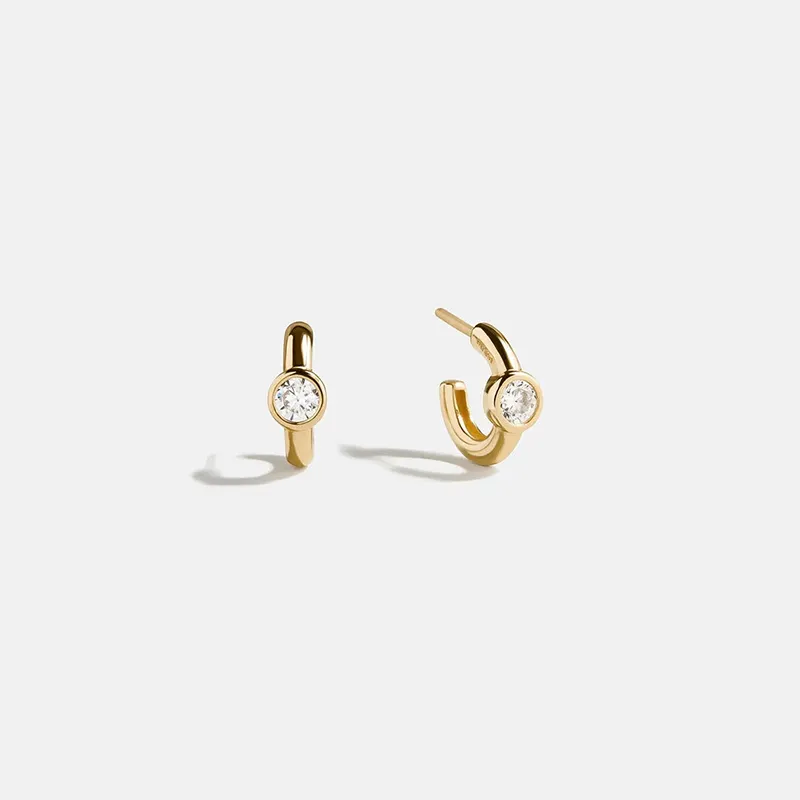
تعد صناعة المجوهرات العالمية نظامًا بيئيًا معقدًا حيث يلتقي الفن بالتجارة, وليس هناك مكان يتجلى فيه هذا الأمر أكثر مما يظهر في عالم تصنيع المعدات الأصلية (OEM). للعلامات التجارية التي تتطلع إلى إطلاق خط من أقراط الفجر 14K الذهب- اسم يستحضر صورة حساسة, الضوء الذهبي - إن فهم تعقيدات تكلفة تصنيع المعدات الأصلية ليس مجرد عملية محاسبية; إنها ضرورة استراتيجية. السعر النهائي للقطعة الواحدة ليس رقمًا واحدًا بل مجموع المتغيرات المترابطة: الرقصة المتقلبة لأسواق السلع الأساسية, دقة الصنعة, حجم الإنتاج, والاقتصاديات الدقيقة لسلاسل التوريد العالمية. تحلل هذه المقالة التكلفة المتعددة الأوجه لتصنيع المعدات الأصلية لأقراط الذهب عيار 14 قيراط, providing a comprehensive breakdown for brand owners, procurement specialists, and entrepreneurs navigating the jewelry landscape.
الأساس: Raw Material Costs as the Primary Driver
The most significant and non-negotiable component of the OEM cost for 14K gold earrings is the raw material itself. For a product defined by its 14K gold content, the metal price is the bedrock upon which all other costs are built.
Understanding 14K Gold Purity and Pricing
Fourteen-karat gold is an alloy consisting of 58.3% الذهب الخالص و 41.7% المعادن الأخرى (عادة النحاس, فضي, أو الزنك) to enhance durability. Its cost is directly tied to the global spot price of gold, a figure that fluctuates daily based on macroeconomic factors, geopolitical events, currency movements, and industrial demand. When a manufacturer provides a quote for a 14K gold earring, they do not base it solely on the "spot price" displayed on financial news networks. كما لاحظ خبراء الصناعة, "nobody can actually get tangible, physical gold or silver for those prices". There is a premium added to cover the cost of refining, alloying, and fabricating the metal into a usable form known as "صب الحبوب".
For a pair of earrings—let's assume a modest weight of 5 grams total for the pair—the raw gold cost alone can be substantial. If the spot price of pure gold is approximately $65 لكل جرام, then the pure gold content in 5 grams of 14K alloy is 2.915 غرام. بهذا السعر, the intrinsic gold value alone is nearly $190. This is before any premium, manufacturing costs, or profit margins are added.
Wastage and Process Loss
A critical, often overlooked factor in material costing is "الهدر" or process loss. During the manufacturing process—whether it is casting, قطع, الايداع, or polishing—a percentage of the precious metal is lost as fine dust or scrap. Industry standards typically account for a wastage factor of 5% ل 10% أو أكثر, depending on the design complexity and production methods. Manufacturers usually pass this cost on to the buyer, adding it as a percentage of the total gold value. As one industry report states, the manufacturer charges "anywhere between 2% و 10% of the gold price as 'wastage' to account for the gold lost during the process". For a high-value product like 14K gold earrings, this can add a significant sum to the final material cost.
تصميم, الأدوات, and the Non-Recurring Engineering (NRE) يكلف
Before a single pair of earrings is mass-produced, the design must be translated from concept to manufacturable reality. This phase incurs one-time costs known as Non-Recurring Engineering (NRE) or tooling fees, which are amortized across the total order quantity.
CAD Design and Prototyping
The process begins with Computer-Aided Design (CAD). A skilled technician creates a highly detailed 3D model of the earring, specifying every curve, contour, and connection point. The cost for this service typically ranges from $100 ل $500 لكل تصميم. بعد هذا, a physical prototype is created, often using a high-resolution 3D printer to produce a wax or resin model. This prototype is used for approval and forms the basis for the subsequent mold-making process. Prototyping can cost an additional $50 ل $300.
Mold Making and Its Economic Impact
The creation of the mold is a pivotal NRE expense. The mold, typically made of rubber or silicone, is used to create multiple wax copies of the earring for the casting process, المعروف باسم "lost-wax casting." The complexity of the mold—whether the design is simple or features intricate filigree—directly affects the cost. Simple designs might require a mold costing between $100 و $300, while highly complex pieces can push the cost significantly higher.
For a large order, these NRE costs are negligible per unit. على سبيل المثال, أ $1,000 NRE cost spread over 5,000 pieces adds only $0.20 لكل وحدة. لكن, for a small-batch order of 100 قِطَع, that same cost balloons to $10 لكل وحدة, dramatically altering the final price.
عملية التصنيع: تَعَب, تقنية, and Complexity
The transformation of raw gold into a polished, finished earring is a labor-intensive process that constitutes the second major pillar of OEM cost. The techniques used and the level of craftsmanship required are primary determinants of the final price.
طرق الإنتاج: اليدوية مقابل. من صنع الآلة
The choice between handcrafted and machine-made production significantly influences labor costs. Handcrafted jewelry, which involves manual sawing, الايداع, لحام, والتشطيب, commands a premium due to the time and expertise involved. "Custom pieces are often handcrafted, which increases labor costs and attention to detail". على العكس, machine-stamped or cast pieces are more efficient for mass production, resulting in lower per-unit labor costs. ل "Dawn" الأقراط, which may feature detailed design elements, a hybrid approach using casting for the main structure and hand-finishing for details is common.
الصب والتجمع
The most common method for gold jewelry is investment casting, أو "lost-wax casting." This process involves creating wax trees of the earring models, investing them in a plaster-like material, burning out the wax in a kiln, and then pouring molten gold into the resulting cavities. The cost of casting is typically calculated per gram of metal and can range from $0.15 ل $0.30 لكل جرام. بعد الصب, the individual earrings are cut from the "شجرة," and components like posts and clutches are soldered on. Assembly can add $0.10 ل $0.80 لكل قطعة, depending on the complexity.
الانتهاء: The Art of the High Polish
The defining aesthetic of fine jewelry lies in its finish. The process of buffing, تلميع, and creating a mirror-like "عالية البولندية" surface is one of the most labor-intensive steps. It requires skilled artisans who use specialized wheels and compounds—from "طرابلس" for cutting to "Rouge" for the final shine. High-quality finishing can add $0.10 ل $0.25 or more per piece in labor alone.
For 14K gold, while rhodium plating is less common than for white gold, the finishing process is equally crucial. Some manufacturers offer a "clear rhodium" finish to enhance durability and shine without altering the gold color, which can add a premium of $0.50 ل $1.50 لكل قطعة.
The Impact of Gemstones and Enhancements
إذا "Dawn" earrings are to feature gemstones—whether diamonds, مويسانيت, or zircon—this adds another layer of complexity and cost. النوع, مقاس, جودة, and setting method of the stone significantly impact the final price.
Stone Material Costs
The variation in stone costs is immense. للحجارة لهجة, الزركونيا المكعبة (CZ) is a cost-effective option, with a small 1.5mm stone costing as little as $0.10 ل $0.30 لكل قطعة. مويسانيت, a lab-grown diamond alternative with superior brilliance, sits in a mid-range price bracket. Natural diamond accents, even tiny melee diamonds, are the most expensive, with a single 0.01-carat stone potentially costing $5 ل $20, dramatically increasing the total cost per pair.
تقنيات وضع الحجر
Beyond the cost of the stone itself, the method used to set it in the gold requires specialized labor. Simple bezel or prong settings are relatively efficient, while intricate techniques like pavé or invisible settings demand a much higher level of skill and precision, زيادة تكاليف العمالة بشكل كبير.
وفورات الحجم: عامل موك
ولعل أقوى رافعة في تسعير OEM هي الحد الأدنى لكمية الطلب (مو). تتناسب تكلفة الوحدة عكسيا مع حجم الطلب بسبب وفورات الحجم. يتم إطفاء تكاليف NRE, يصبح العمل أكثر كفاءة مع التكرار, وتقدم الشركات المصنعة أسعارًا أقل لشراء المواد السائبة.
وتوضح البيانات ذلك بوضوح. يتم تسعير زوج مماثل من الأقراط الفضية الإسترلينية المطلية بالذهب من مورد OEM $7.07 لوحدة واحدة ولكن يسقط ل $6.65 لأوامر 60 أو أكثر. يتم تضخيم حساسية السعر هذه لمنتجات الذهب الصلب عيار 14 قيراط. قد تقتبس ورشة عمل صغيرة تكلفة عالية لكل وحدة مقابل طلب 100 قِطَع, في حين أن الشركة المصنعة الكبيرة يمكن أن تقدم سعرًا أقل بكثير مقابل طلب 10,000+ الوحدات.
مقارنات التكلفة الإقليمية ومشهد تصنيع المعدات الأصلية
The geographic location of the manufacturer is a major cost determinant, primarily due to differences in labor costs.
| البلد/المنطقة | Estimated Hourly Labor Rate | الخصائص الرئيسية | Suitability |
|---|---|---|---|
| الصين | $3 - $6 | فعالة من حيث التكلفة, high volume, versatile manufacturing capabilities. | Ideal for mid-to-large scale production; offers competitive pricing across most design types. |
| الهند | $2 - $5 | Strong tradition in gemstone cutting and gold jewelry; انخفاض تكاليف العمالة. | Excellent for designs heavily featuring gemstones or intricate gold work. |
| تايلاند | $4 - $8 | Known for high-quality craftsmanship and attention to detail. | A good middle-ground option for brands that balance cost with a higher degree of artisan finish. |
| إيطاليا | $15 - $30 | Epicenter of luxury jewelry design and ultra-high-end craftsmanship. | Suitable for luxury brands whose market positioning justifies a significantly higher cost. |
Cost Synthesis: A Hypothetical Model for "Dawn" 14أقراط ك
To synthesize these factors into a tangible estimate, let us construct a hypothetical scenario for a 5,000-piece order of "Dawn" 14K Gold Earrings. The design is a moderate 5-gram per pair, with a high-polish finish and a small CZ accent stone.
-
تكلفة المواد الخام (ذهب): 5ز * 58.3% pure gold content = 2.915g pure gold. At a spot price of $65/g, محتوى الذهب هو $189.47. إضافة أ 10% wastage and fabrication premium brings this to ~$208.42 لكل زوج.
-
تكلفة الأحجار الكريمة: Two 2mm CZ stones: ~$0.50 لكل زوج.
-
تصنيع & الانتهاء: صب, حَشد, تلميع, و QC: ~$2.00 - $4.00 لكل زوج (amortizing NRE costs).
-
التغليف & العلامة التجارية: Basic polybag packaging with a custom card: ~$0.20 - $0.50 لكل زوج.
-
Manufacturer's Margin: Adding a typical 15-20% profit margin for the factory.
سعر OEM المقدر (exw) لكل زوج: ~$242 - $256.
This figure represents the factory gate price and is exclusive of shipping, تأمين, customs duties, and any brand-level markups. It aligns with the general market data, which estimates high-end custom earrings can start from around $111 and can far exceed $2,000 depending on gold weight and gemstone quality.
خاتمة: Navigating the OEM Equation
The OEM cost of Dawn 14K Gold Earrings is the product of a sophisticated equation where raw material pricing, design and tooling, manufacturing complexity, and order volume intersect. For a brand looking to bring such a product to market, a deep understanding of these factors is essential for budgeting, pricing strategy, and selecting the right manufacturing partner.
The process is not merely about finding the lowest price per gram; it is about balancing cost with quality, الحرفية, and brand values. As one analysis wisely cautions, "very low pricing may indicate lower-quality materials, reduced quality control, or simplified finishing processes". For a product like "Dawn" 14K earrings, which likely signifies a brand’s identity, quality and consistency are paramount. أخيرًا, a successful OEM partnership is built on transparency, اتصال واضح, and a mutual understanding of the cost drivers that transform a simple piece of gold into a finished product ready to capture the light and the market.