
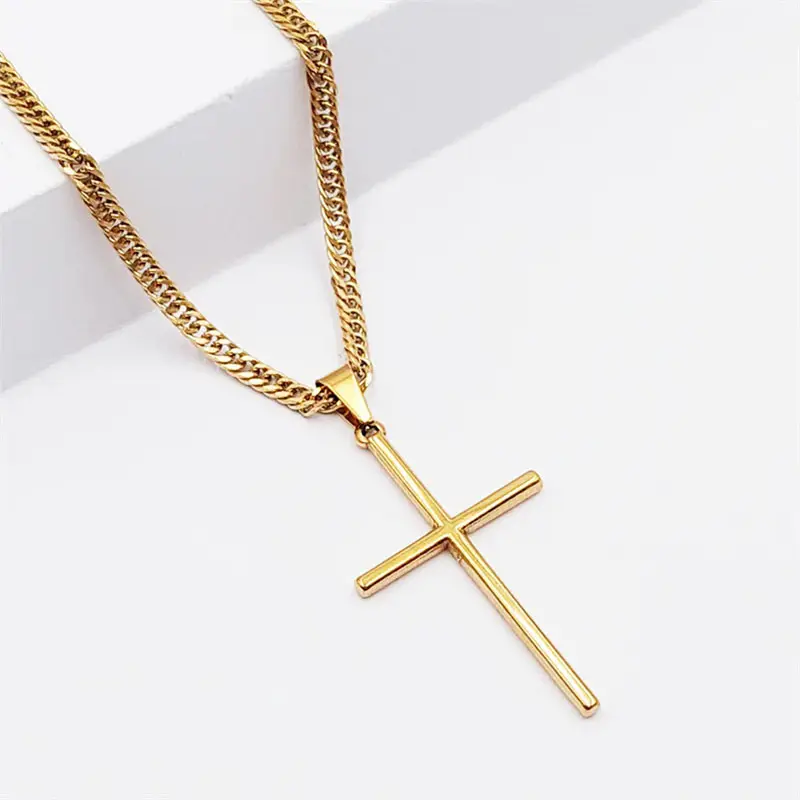
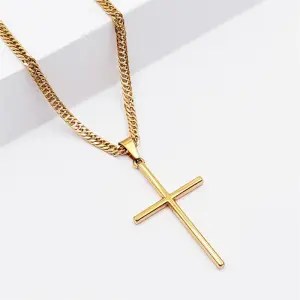
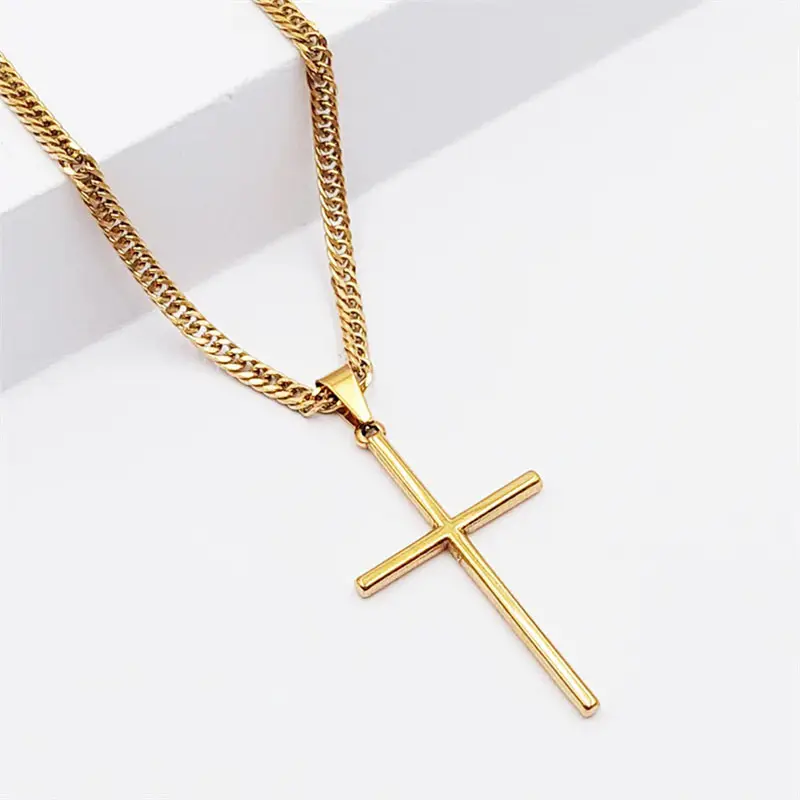
Quy trình tùy chỉnh của vòng cổ chữ thập trơn tại JINGYING
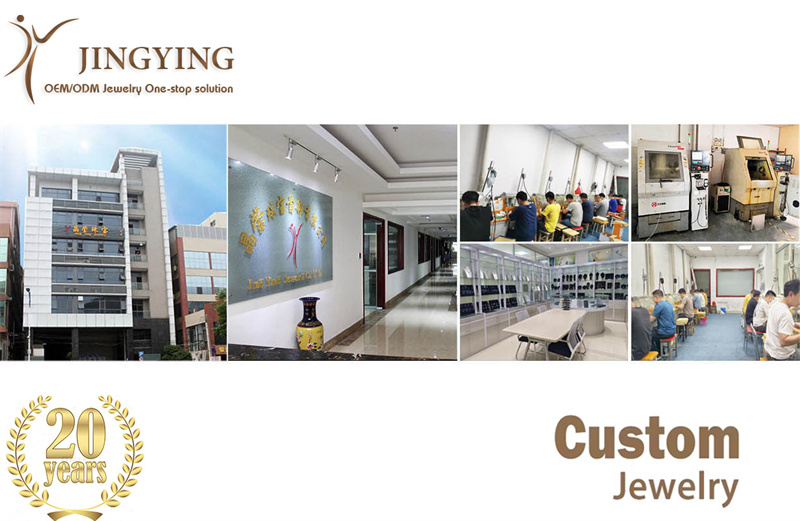
Nhà sản xuất trang sức OEM/ODM Thiết kế tùy chỉnh đồ trang sức của riêng bạn
Hãy để bắt đầu : mo@kingjy.com
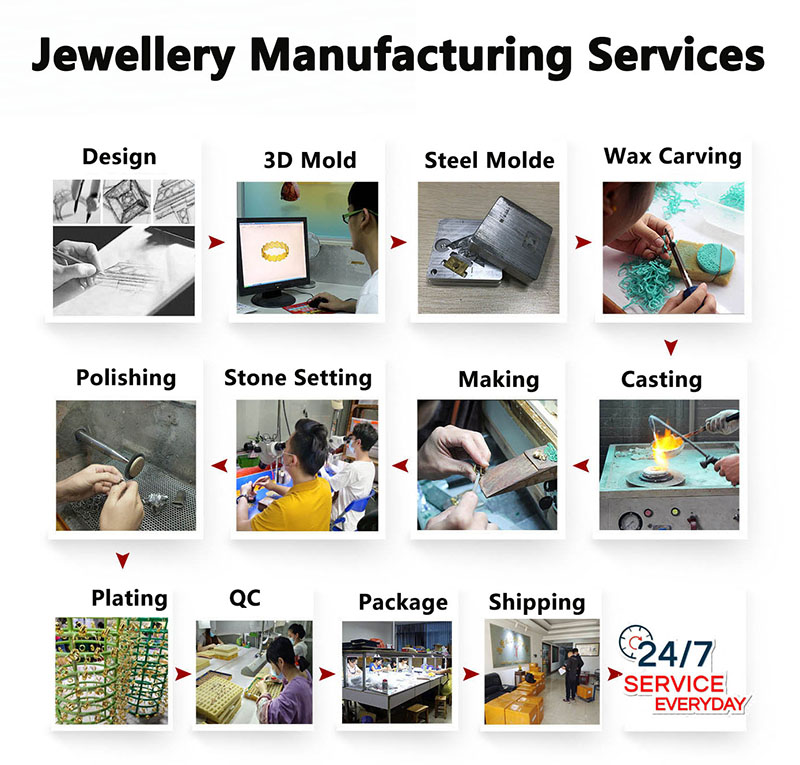
Vượt xa dàn diễn viên tiêu chuẩn: Quy trình tùy chỉnh của vòng cổ chữ thập trơn tại JINGYING
Trong thời đại sản xuất hàng loạt, khái niệm về "đơn giản" thường bị nhầm lẫn với "đơn giản." Tuy nhiên, trong bối cảnh nghề thủ công trang sức cao cấp—đặc biệt là ở một nhà sản xuất như JINGYING—từ "đơn giản" mang một ý nghĩa hoàn toàn mới. Nó không có nghĩa là thiếu nỗ lực, mà đúng hơn là khả năng kiềm chế thành thạo. Quy trình tùy chỉnh một chiếc vòng cổ hình chữ thập đơn giản tại JINGYING là một sự phân đôi hấp dẫn: đó là một hành trình đòi hỏi mức độ chính xác kỹ thuật cao nhất để tạo ra một vật thể có cảm giác tối giản một cách dễ dàng.
Đối với con mắt chưa được đào tạo, một hình chữ thập đơn giản chỉ là một thanh dọc cắt một thanh ngang. Gửi các nhà luyện kim và thợ kim hoàn bậc thầy tại JINGYING, nó là một bài toán hình học được điều chỉnh bởi vật lý, một biểu tượng tâm linh tựa vào xương ức con người, và một bức tranh ánh sáng và bóng tối.
Hướng dẫn này trình bày chi tiết về quy trình bảy giai đoạn để đưa ra một tùy chỉnh "đơn giản" vòng cổ chéo với cuộc sống, tiết lộ kỹ thuật nghiêm ngặt, Khoa học vật chất, và cần phải hoàn thiện bằng tay để đạt được sự hoàn hảo mà không có nơi nào để che giấu.
Giai đoạn I: Hình học của niềm tin (Tư vấn & Triết lý)
Quá trình bắt đầu từ rất lâu trước khi kim loại tan chảy. Tại Jingying, Việc tạo ra một hình chữ thập đơn giản bắt đầu bằng một cuộc tư vấn có cảm giác giống một cuộc họp ngắn về kiến trúc hơn . Vì thiết kế thiếu đá trang trí hoặc đồ chạm khắc phức tạp để đánh lạc hướng mắt, tỷ lệ phải thần thánh về mặt toán học.
Xác định nguyên mẫu:
Quyết định đầu tiên mang tính lịch sử. Khách hàng đang tìm kiếm một Chữ thập Latinh (hình dáng thon dài truyền thống tượng trưng cho Cuộc Khổ Nạn), Một Chữ Thập Hy Lạp (với bốn cánh tay bằng nhau, phổ biến trong truyền thống Byzantine), hoặc a Thánh giá Celtic (phiên bản đơn giản với giao điểm vòng đặc trưng)?
Các "vàng" Tỷ lệ:
Vì không có đá quý, trọng lượng hình ảnh của mặt dây chuyền phụ thuộc hoàn toàn vào tỷ lệ giữa chiều rộng và chiều dài. Các kỹ sư CAD của JINGYING thường tham khảo Tỷ lệ vàng (khoảng 1:1.618) để đảm bảo hình chữ thập "Phải" đến mắt người. Tuy nhiên, yêu cầu tùy chỉnh thường thách thức điều này. Một cây thánh giá đơn giản dành cho nam giới có thể yêu cầu một cây thánh giá, mạnh mẽ hơn "mập mạp" cảm thấy (Một 1:3 tỷ lệ), trong khi mặt dây chuyền của phụ nữ có thể thon dài và tinh tế (1:5 tỷ lệ).
Kết cấu là vật trang trí duy nhất:
Trong trường hợp không có đá, kết cấu là vua. Khách hàng phải lựa chọn "đơn giản" hoàn thành:
-
Ba Lan cao: Độ phản chiếu giống như gương.
-
Satin/Chải: Một mờ, kết cấu mượt mà khuếch tán ánh sáng.
-
Rèn: Bề mặt lõm bắt ánh sáng tự nhiên, mang lại cảm giác được rèn bằng tay .
Giai đoạn II: Luyện kim vật chất (Lựa chọn kim loại)
JINGYING thực hiện chính sách không ô nhiễm trong các xưởng của mình . Bởi vì một cây thánh giá trơn không có lớp mạ để che đi những khuyết điểm (như độ xốp hoặc hố), kim loại cơ bản phải hoàn hảo.
-
Bạc Sterling (925): Sự lựa chọn phổ biến nhất cho những cây thánh giá trơn do có ánh trắng sáng, tượng trưng cho sự tinh khiết. Sử dụng jingying 92.5% bạc nguyên chất hợp kim với đồng để tăng sức mạnh. Tuy nhiên, bạc bị xỉn màu. Đối với một "đơn giản" nhìn vẫn trắng, nhiều khách hàng nâng cấp lên Rhodium mạ trên bạc .
-
Vàng rắn (14k & 18k): Đối với một chữ thập đơn giản, vàng mang lại sự ấm áp. Vàng vàng nhấn mạnh vinh quang tinh thần, trong khi vàng trắng mang đến sự thắt lưng buộc bụng hiện đại. Vàng hồng, với tông màu đồng của nó, thường được yêu cầu làm những cây thánh giá nhằm tượng trưng cho tình yêu của Chúa Kitô hoặc để tưởng nhớ người phối ngẫu .
-
Bạch kim: Sự lựa chọn cuối cùng cho một "đơn giản" vật gia truyền. Nó nặng, cảm giác đáng kể (trọng lượng riêng) kim loại giá rẻ đó thiếu. Ánh trắng tự nhiên của nó không bao giờ phai hoặc cần mạ .
Giai đoạn III: Nồi nấu kim loại kỹ thuật số (CAD & 3D tạo mẫu)
Một khi phép tính được tính toán, thiết kế bước vào lĩnh vực kỹ thuật số. Tại Jingying, câu thần chú là "đo hai lần, đúc một lần."
Kỹ sư nhập thông số kỹ thuật vào phần mềm CAD nâng cao. Đây, họ phân tích tính toàn vẹn cấu trúc. Một vấn đề phổ biến với dây chuyền hình chữ thập đơn giản là ngã ba—nơi cánh tay dọc gặp cánh tay ngang. Nếu góc trong là góc nhọn 90 độ, nó tạo ra sự gia tăng căng thẳng. Dưới sự căng thẳng, một cây thánh giá bằng bạc hoặc vàng có thể gãy ở cổ.
Để ngăn chặn điều này, Các kỹ sư của JINGYING giới thiệu một thiết bị hiển vi phi lê bán kính (một đường cong nhẹ) ở góc trong. Điều này phân phối trọng lượng và ứng suất trên kim loại, đảm bảo "đơn giản" thập giá tồn tại suốt đời .
Kết xuất 3D:
Khách hàng nhận được thông tin 360 độ, video độ nét cao của chữ thập kỹ thuật số. Bởi vì không có đính đá để điều chỉnh những bất đối xứng nhỏ, kết xuất được xem xét kỹ lưỡng về tính đối xứng. Cánh tay trái có cùng chiều dài với cánh tay phải không? Kết cấu có nhất quán không? Chỉ khi đăng xuất kỹ thuật số thì quy trình mới được tiến hành .
Giai đoạn IV: Cuộc cách mạng sáp (In tạm thời)
Với tập tin đã được phê duyệt, JINGYING tạo ra một vật thể vật lý bằng cách sử dụng in 3D có độ phân giải cao—cụ thể, Một SLA (In li-tô lập thể) Máy in nhựa .
Máy in tạo hình chữ thập bằng nhựa lỏng, từng lớp một (thường ở độ phân giải 25 micron). Nhựa này "sáp" chính xác là gấp đôi của miếng bạc hoặc vàng cuối cùng.
Tại sao sáp lại quan trọng đối với một cây thánh giá đơn giản:
Trong một món đồ đính đá quý, sáp là một phần giữ chỗ. Trong một chữ thập đơn giản, sáp là một bài kiểm tra. Người thợ kim hoàn kiểm tra trọng lượng và "cảm giác tay." Các cạnh có cảm thấy sắc nét không? Kết cấu satin có đủ thô để giữ lớp sơn hoàn thiện bằng cọ không?? Sáp có thể được chà nhám, cạo, hoặc đánh bóng bằng tay ngay lập tức—một quá trình rẻ hơn và nhanh hơn nhiều so với việc sửa chữa các lỗi kim loại sau này .
Giai đoạn V: Việc đúc sáp bị mất (Lễ rửa tội bằng lửa)
Chữ thập bằng nhựa được gắn vào đế cao su bằng một "cây" dây sáp. Sau đó nó được đưa vào một bình chứa đầy vật liệu đầu tư giống như thạch cao..
-
sự kiệt sức: Bình được đặt trong lò nung ở nhiệt độ khắc nghiệt (khoảng. 750°C/1382°F). Sáp nhựa bay hơi hoàn toàn, để lại một sự hoàn hảo, khoang không gian âm của chữ thập bên trong thạch cao.
-
buổi casting: JINGYING sử dụng máy đúc ly tâm hoặc chân không . Bạc nóng chảy (960° C.) hoặc vàng bị nấu chảy trong nồi nấu kim loại. Máy quay bình ở tốc độ cao, buộc kim loại lỏng vào mọi kẽ hở cực nhỏ của khoang.
Đối với "đơn giản" đi qua, Đội ngũ casting đặc biệt chú ý đến các cạnh. Nếu kim loại nguội đi quá chậm, các cạnh sắc của chữ thập sẽ tròn lại. Nếu nó nguội đi quá nhanh, nó có thể bị nứt. Bộ điều khiển nhiệt độ của JINGYING được hiệu chỉnh để đảm bảo vật đúc thô cuối cùng ra khỏi bình với độ sắc nét như dao cạo .
Giai đoạn VI: Nghệ thuật trừ (Dòng hoàn thiện)
Đây là nơi "đơn giản" chéo được thực hiện hoặc bị hỏng. Vật đúc thô được phủ một lớp oxit đen từ thạch cao nóng và có một lớp nhỏ "Sprue" (một cái nub nơi kim loại chảy vào).
Một thợ kim hoàn bậc thầy tiếp quản. Họ cắt cuống và dũa nó xuống cùng với kim loại. Điều này được thực hiện dưới độ phóng đại. Trên một cây thánh giá đơn giản, bất kỳ dấu tập tin nào còn sót lại trên bề mặt là vĩnh viễn. Người thợ kim hoàn phải hòa trộn khu vực sửa chữa một cách liền mạch với kết cấu xung quanh.
Đuổi theo dòng:
Nếu khách hàng yêu cầu một cây thánh giá có độ bóng cao, người thợ kim hoàn bắt đầu với giấy nhám 400 grit, di chuyển lên 600, sau đó 1000, sau đó 2000, và cuối cùng là bánh xe đánh bóng bằng hợp chất đánh phấn. Mục tiêu là một kết thúc gương.
Nếu khách hàng đặt mua một hoàn thiện chải / satin, người thợ kim hoàn sử dụng bàn chải sợi hoặc đá mài mòn để vẽ thẳng hoàn toàn, các đường liền nhau trên bề mặt kim loại. Trên một cây thánh giá, những đường này phải chạy theo hướng của cánh tay—những đường thẳng đứng trên thân cây, các đường ngang trên cánh tay—để tạo vẻ tôn dáng, tác dụng giảm béo .
Giai đoạn VII: Nồi nấu kim loại chất lượng (QC & Đáng kể)
Trước khi gắn dây chuyền, vòng cổ bước vào giai đoạn Kiểm soát chất lượng. Cho trò đùa, một chữ thập trơn tùy chỉnh trải qua một "Không có khuyết tật" chính sách .
-
Phép đo phổ XRF: Cây thánh giá được đặt dưới súng chụp X-quang. Điều này xác minh độ tinh khiết của kim loại (VÍ DỤ., "Bạn có chắc đây là vàng 14k chứ không phải 13,5k?"). Nó đảm bảo hỗn hợp hợp kim là chính xác.
-
Kiểm tra vi mô: Tác phẩm được xem dưới kính lúp 10x. Thanh tra đang tìm "rỗ" (lỗ nhỏ từ bọt khí trong quá trình đúc). Ngay cả một cái hố cũng làm hỏng lớp hoàn thiện sa tanh.
-
Kiểm tra độ xốp: Sử dụng hình ảnh X-quang nếu cần thiết, họ kiểm tra các bọt khí bên trong có thể làm kim loại yếu đi theo thời gian .
Khi đi qua, cây thánh giá được đóng dấu. Ở mặt sau, một bản khắc laser nhỏ đánh dấu hàm lượng kim loại ("925" hoặc "750") và thường là nhãn hiệu của nhà sản xuất JINGYING .
Giai đoạn VIII: Bài thuyết trình (Ngoài mặt dây chuyền)
Cuối cùng, một cây thánh giá đơn giản cần có dây xích. JINGYING cung cấp nhiều kiểu dây chuyền khác nhau, nhưng đối với một chữ thập đơn giản tối giản, các Xích cáp (liên kết hình bầu dục cổ điển) hoặc Chuỗi hộp (liên kết vuông tạo sự mượt mà, cảm giác hình ống) được ưu tiên .
Cây thánh giá được xâu vào dây chuyền. Bảo lãnh (vòng lặp ở đầu thập tự giá) được bóp nhẹ để thu hẹp khoảng cách nhưng không quá chặt, vì nó phải lắc lư tự do.
Phần kết luận: Sự im lặng ồn ào của chủ nghĩa tối giản
Quy trình tùy chỉnh một chiếc vòng cổ hình thánh giá đơn giản tại JINGYING là một bài tập về kỷ luật. Bởi vì thiết kế loại bỏ sự phân tâm của đá quý, sự khéo léo cơ bản trở nên lộ ra. Không có ngạnh nào để giấu một hòn đá cong; chỉ có dòng, góc, và ánh sáng.
Đối với khách hàng, cầm thành phẩm là một sự khám phá bằng xúc giác. Nó nặng hơn dự kiến. Các cạnh sắc nét ở nơi cần có, mềm mại nơi cơ thể chạm vào chúng. Nó là "đơn giản" chỉ trong thiết kế, nhưng vô cùng phức tạp trong quá trình thực hiện—một minh chứng thực sự cho ý tưởng rằng trong sản xuất hiện đại, ít hơn là vô cùng khó khăn hơn để đạt được.