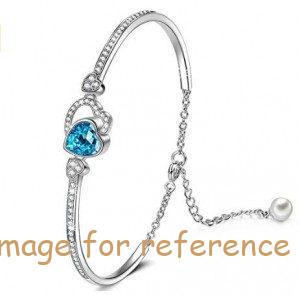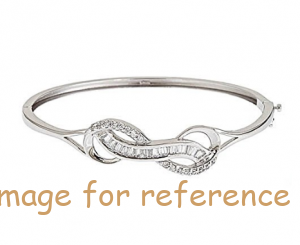

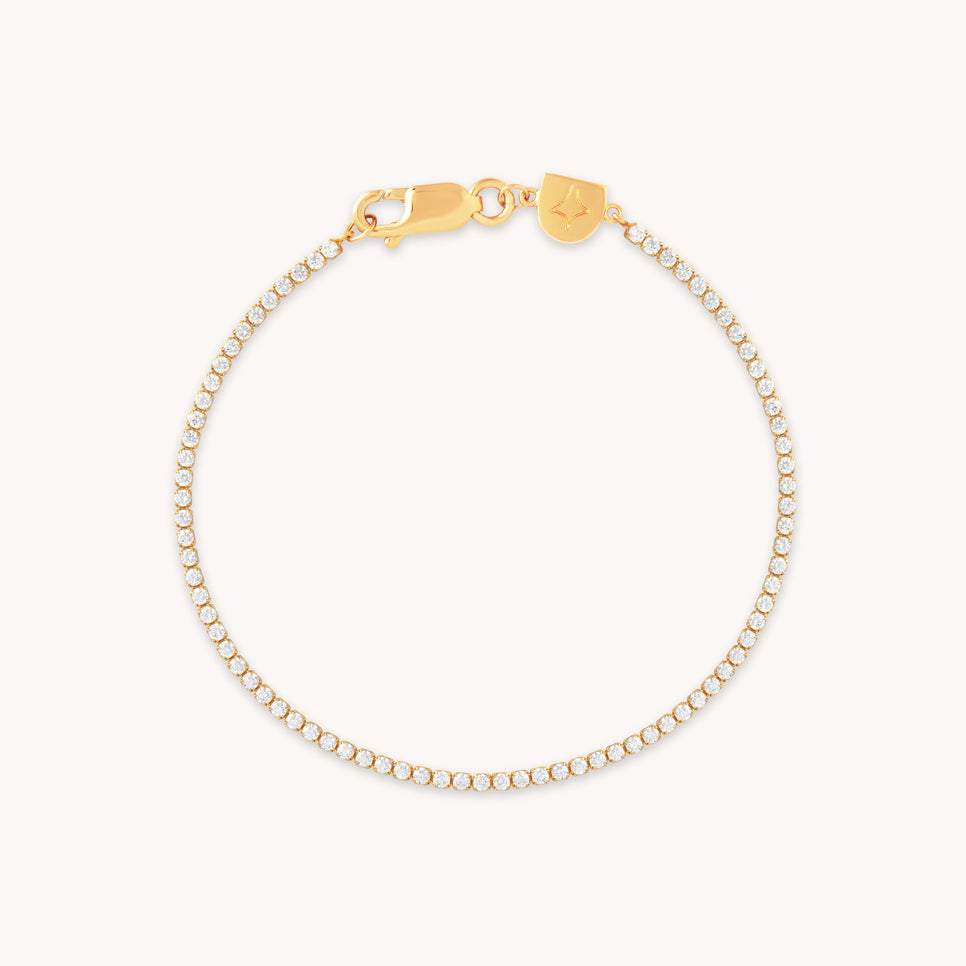
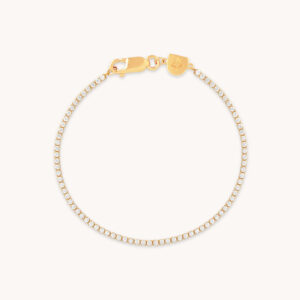
Oddiy zargarlik buyumlari fabrikasi fabrikasining omoni oltin tennis zanjiri bilakeli uchun
OEM / ODM Zargarlik buyumlari ishlab chiqaruvchisi o'z zargarlik buyumlarini ojizlashtiradi
Keling, boshlaymiz : Mo@kingjy.com

The Alchemy of Precision: Oddiy zargarlik buyumlari fabrikasi fabrikasining omoni oltin tennis zanjiri bilakeli uchun
Zarir zargarlik buyumlari dunyosida, few pieces capture the essence of timeless elegance and modern brilliance quite like the tennis chain bracelet. Characterized by a continuous line of uniformly set, individually gleaming stones held in place by a minimal metal framework, it is a masterpiece of symmetry, yorug'lik, va tarkibiy yaxlitlik. Brend uchun, chakana sotuvchi, or private client looking to create their own version of this classic, the journey unfolds within the specialized realm of a custom jewelry factory operating on an OEM (Asl uskunalar ishlab chiqaruvchisi) asos.
This process is a symphony of art, ilm-fan, and meticulous engineering. An OEM partnership means the factory does not simply sell a pre-existing product; it brings a client’s unique vision to life, handling every step from initial concept to final, professionally packaged piece. This article will provide an exhaustive, step-by-step exploration of the OEM process for creating a bespoke gold tennis chain bracelet, demystifying the transformation of a creative idea into a wearable heirloom.
Faza 1: Conception and Design Engineering
This initial phase is the foundation upon which the entire project is built. It is a collaborative dance between the client’s aspirations and the factory’s technical expertise.
Qadam 1: The Client Brief and Creative Consultation
The process begins with a dialogue. The client—whether an established jewelry brand, a startup, or an individual—approaches the factory with a vision. This can range from a vague idea (“a classic, but chunky, tennis Bracelet”) to highly detailed specifications including sketches, CAD renders, or even an inspiration board.
Key discussion points include:
-
Metall tanlash: Oltinni tanlash juda muhim.
-
Poklik: 10K, 14K, 18K, yoki hatto 22K oltin. Yuqori karat sof oltinning yuqori foizini bildiradi, natijada boyroq rang, lekin yumshoqroq material. 14K va 18K tennis bilaguzuklari uchun eng mashhurlari, chunki ular go'zallikning mukammal muvozanatini ta'minlaydi, chidamlilik, va qiymati.
-
Rang: Sariq oltin, oq oltin, yoki atirgul oltin. Oq oltin odatda yorqinligi uchun rodiy bilan qoplangan, kumush rangli qoplama, vaqt o'tishi bilan qayta qoplamani talab qilishi mumkin.
-
-
Tosh xususiyatlari: Tennis bilaguzukning ruhi.
-
Tur: An'anaviy ravishda olmos bilan o'rnatilgan (Tabiiy yoki laboratoriyada yetishtirilgan), zamonaviy talqinlar safirlardan foydalanadi, mivali, yoki boshqa qimmatbaho toshlar. Ushbu misol uchun, biz olmoslarga e'tibor qaratamiz.
-
Hajmi va karat og'irligi: Toshlarning diametri, millimetrda o'lchanadi (E.G., 2.5mm, 3.0mm, 4.0mm), bilaguzukning kengligiga bevosita ta'sir qiladi, porlash, va umumiy karat og'irligi. 3,0 mm tosh o'lchami juda mashhur tanlovdir.
-
Sifat: Bu “4 Cs” olmoslar uchun belgilangan: Kesmoq (maksimal porlash uchun odatda yorqin dumaloq), Rang (E.G., G-H for near-colorless), Ravshanlik (E.G., VS-SI for eye-clean stones), and Carat (the total weight of all stones combined).
-
-
Bracelet Dimensions:
-
Uzunligi: Standard women’s lengths are 7 dyuym, but custom sizes are common.
-
Width/Profile: Determined by the stone size and the metal links. A 3.0mm stone bracelet will have a width of approximately 3.0mm.
-
-
Tsş: A critical functional and aesthetic component. Options include a spring-ring clasp, a fold-over clasp with safety latch, or a more decorative box clasp, often personalized with a logo.
-
Budget and Quantity: The factory needs to understand the target price point and the production volume (E.G., a one-off piece, a small batch of 50, or a large order of 1000+ birliklar).
Qadam 2: Technical Design and CAD Modeling
Once the brief is finalized, the factory’s design engineers translate the artistic vision into a precise technical blueprint using Computer-Aided Design (Sado) dasturiy ta'minot.
This stage is where the “unseen” magic happens:
-
O'lchovli aniqlik: The CAD model ensures every component is measured to the micron. The diameter of each diamond seat, the thickness of the gold links, and the tolerances for the clasp mechanism are all digitally defined.
-
Tarkibiy yaxlitlik: The engineer designs the links and the setting style to ensure the bracelet is durable. A tennis chain’s strength lies in its interconnectedness; the CAD model simulates stress points to prevent failure.
-
Vizualizatsiya: The client receives photorealistic 3D renders of the bracelet, often in different gold colors. This is the client’s first true look at their creation before any metal is poured. Revisions are made at this stage—adjusting proportions, modifying the clasp design, or fine-tuning the aesthetics. This digital prototype is crucial for avoiding costly mistakes later.
Qadam 3: Quotation and Contract Finalization
With the finalized CAD model, the factory’s costing department can generate a precise quotation. This quote breaks down the costs:
-
Gold Cost: Calculated based on the exact weight of gold required (calculated from the CAD model’s volume), the current market price of gold, and the manufacturing wastage (a crucial factor).
-
Stone Cost: Based on the quoted price per carat for the specified diamond quality and the total carat weight needed.
-
Mehnat xarajatlari: Encompassing modeling, kasting, sozlamoq, sayoz, va tugatish.
-
Asbob narxi: Agar kerak bo'lsa, for custom molds or stamping dies.
-
Unit Price and Total Order Value.
Upon client approval, a formal purchase order and manufacturing agreement are signed, locking in the specifications, narx, vaqt jadvali, and terms of the partnership.
Faza 2: Pre-Production and Prototyping
Before full-scale production commences, a single prototype is often created to validate the design in a physical form.
Qadam 4: Prototipni yaratish (The First Sample)
There are two primary methods for creating the prototype:
-
3D bosib chiqarish (Stereolithography): The approved CAD file is sent to a high-resolution 3D printer, which builds the bracelet model layer-by-layer using a UV-sensitive resin. This resin model is incredibly detailed and accurate.
-
Hand Fabrication by a Master Jeweler: For exceptionally complex or unique designs, a skilled jeweler may hand-carve the bracelet from a block of wax or even fabricate it directly in metal, using traditional tools and techniques.
This prototype, deb nomlanuvchi “first sample” yoki “oltin namunasi,” keyin quyish uchun qolip yaratish uchun ishlatiladi, yoki 3D bosib chiqarishda, to'g'ridan-to'g'ri keyingi bosqichga o'tadi.
Qadam 5: Mijozning namunani tasdiqlashi
Jismoniy namuna to'liq tekshirish uchun mijozga yuboriladi. Mijoz dizaynni baholaydi, nisbat, vazn, va umuman his. Bu har qanday tuzatishlar uchun oxirgi nazorat punkti. Agar tasdiqlangan bo'lsa, zavod ommaviy ishlab chiqarishni boshlash uchun tozalanadi. Agar kichik o'zgarishlar kerak bo'lsa, SAPR modeli yangilanadi, va yangi namuna yaratiladi.
Faza 3: Ishlab chiqarish – Zavodning yuragi
Bu erda xom ashyo tayyor zargarlik buyumlariga aylanadi. Tennis bilaguzuk uchun jarayon uning bog'langan konstruktsiyasi tufayli ayniqsa murakkab.
Qadam 6: Oltin bog'lamlarni qolip tayyorlash va quyish
-
Daraxt qurish: O'nlab bir xil bilaguzuk bog'lanish naqshlari, mumda 3D-bosilgan yoki rezina qolipga AOK qilingan, are attached to a central wax column called a “Daraxt.” A single tree can hold the components for many bracelets, making the casting process efficient.
-
Sarmoya: Daraxt po'lat kolba ichiga joylashtirilgan va suyuq gipsga o'xshash modda bilan o'ralgan “investitsiya.” The investment hardens into a solid block, capturing every minute detail of the wax patterns inside.
-
Boshlang'ich: Platka bir kilogrammga joylashtirilgan va yuqori haroratgacha qizdirilgan. This process melts away the wax (shuning uchun “yo'qolgan mum quyish”), leaving behind perfect, hollow cavities in the hardened investment.
-
Kasting: Flakon, now containing the empty cavities, kasting mashinasiga o'tkaziladi. Crucibles of the chosen gold alloy are melted using a high-frequency induction furnace or, in more advanced factories, a vacuum casting machine. The molten gold is then forced into the flask by centrifugal force or vacuum pressure, filling every cavity.
-
Olib tashlash va kesish: Once the gold has cooled and solidified, the investment block is quenched in water, causing it to break away and reveal the “gold tree.” The individual gold links are then carefully cut from the central sprue.
Qadam 7: The Chain-Making Process
This is a defining stage for the tennis bracelet. Unlike a solid bangle, its flexibility and comfort come from its linked structure.
-
Tumbling and Initial Finishing: Xom, cast links are often placed in a “tumbling machine” with steel shot and a cleaning solution. This process, which can last for hours, work-hardens the gold, removes surface imperfections from casting, and begins to smooth and polish the metal.
-
Linking and Assembly: Highly skilled chain assemblers, using precision tools like tweezers and micro-pliers, meticulously link the individual components together. For a tennis bracelet, this involves connecting each diamond-bearing link to its neighbors in a precise, alternating pattern that ensures perfect alignment and fluid movement. This is a painstaking, manual process that requires a keen eye for detail.
-
Soldering the Clasp: The assembled chain is fitted with the custom-designed clasp. The clasp components are carefully aligned and then permanently attached using a process called soldering. A jeweler uses a torch to melt a small piece of solder (a lower-melting-point gold alloy) at the joint, fusing the clasp to the chain without melting the main components. This requires immense skill to avoid damaging the delicate links.
Qadam 8: Toshni sozlash
The setting process is what gives the tennis bracelet its iconic continuous sparkle. The chosen method is the “shared prong” yoki “invisible” sozlamoq, where each stone is held by four prongs, and each prong is shared between two adjacent stones.
-
Prepping the Settings: A setter first uses a handheld graver to clean up each “o'rindiq” yoki “bearing” olmos qayerda o'tiradi, uning mukammal shaklga ega bo'lishini va har qanday quyma qoldiqlarini ta'minlash.
-
Toshlarni o'rnatish: Mikroskopdan mislsiz aniqlik uchun foydalanish, o'rnatuvchi har bir olmosni joylashtirishning nozik vazifasini boshlaydi. Birma-bir, o'rindiqlariga toshlar qo'yilgan. Keyin, maxsus sozlash vositasi yordamida, sozlovchi mitti tilla tirgaklarni ehtiyotkorlik bilan belbog‘ ustiga suradi (eng keng qismi) har bir olmosdan, uni mahkam o'rnida ta'minlash.
-
Sifatni tekshirish: Sozlagich doimo xavfsizlik va hizalanishni tekshiradi. Har bir tosh harakatga qarshi mahkam bo'lishi kerak, va butun qator mukammal tekis bo'lishi kerak. Bitta noto'g'ri chiziqli tosh bilaguzukning butun vizual oqimini buzishi mumkin. Bu butun jarayondagi eng muhim va mahorat talab qiladigan bosqichlardan biridir.
Qadam 9: Bezash va parlatish
Endi bilaguzuk to'liq yig'ilgan va o'rnatilgan, lekin u oxirgi yorqinlikdan mahrum. Tugatish jarayoni uning yorqinligini keltirib chiqaradi.
-
Oldindan sayqallash: Bilaguzuk yana bir burilishdan o'tishi yoki barcha sirtlarni tekislash uchun motorli cho'tkalar va silliqlash aralashmalari bilan ishlov berilishi mumkin., sozlamalardan asboblar belgilarini olib tashlang, va metallni porlashni boshlang.
-
Qo'lda silliqlash: Jilolash moslamasi egiluvchan mil mashinasidan foydalanadi (a “Oldinlik” asbob) turli g'ildiraklar bilan, cho'tkalar, va polishing aralashmalari (chaqqon “rublik”) turli xil maydalagichlardan. Ular har bir bo'g'in va tirgakning har bir ko'rinadigan yuzasini sinchkovlik bilan jilolaydi, toshni bo'shatishi mumkin bo'lgan ortiqcha bosim o'tkazmaslikka ehtiyot bo'ling. Ushbu bosqich har bir burchakka etib borish uchun buyumning geometriyasini chuqur bilishni talab qiladi.
-
Rodium po'sti (Oq oltin uchun): Agar bilaguzuk oq oltin bo'lsa, u endi elektrokaplama jarayonidan o'tadi. U rodiy eritmasiga botiriladi, va u orqali elektr toki o'tadi, depositing a thin, yorqin, oq, and highly reflective layer of rhodium over the entire piece. This enhances the whiteness and provides a protective, scratch-resistant coating.
-
Ultrasonic Cleaning and Steam Blowing: The finished bracelet is placed in an ultrasonic cleaner, where high-frequency sound waves in a special solution agitate away every last speck of polishing compound, chang, and oil. It is then rinsed and given a final blast of steam from a steam cleaner, which removes any remaining moisture and leaves the diamonds and metal sparkling immaculately.
Faza 4: Quality Assurance and Finalization
A reputable OEM factory has a multi-layered QC process that is as rigorous as the production itself.
Qadam 10: Qattiq sifatli nazorat
The bracelet is inspected by a dedicated QC team, often separate from the production floor. They use a checklist:
-
Metal Integrity: Har qanday quyma chuqurlarni tekshirish, yoriqlar, yoki zaif lehim birikmalari.
-
Tosh xavfsizligi: O'tkir probdan foydalanish, toshlar bo'shashmasligiga ishonch hosil qilish uchun ular har bir tirgakni sinab ko'rishadi. Shuningdek, ular mikroskop ostida toshlarni o'rnatish paytida yuzaga kelgan har qanday zararni tekshiradilar.
-
Tosh sifatini tekshirish: Olmoslarning belgilangan rangga mos kelishini ta'minlash, ravshanlik, va dastlabki kelishuvga muvofiq kesib oling.
-
Qulflash funktsiyasi: Qulf mexanizmini yuzlab marta sinovdan o'tkazing, u silliq va xavfsiz tarzda ochilib, yopiladi.
-
Tugatish va polyak: Kamchiliksiz tekshirish, ko'rinadigan tirnalgan yoki asbob izlarisiz oynaga o'xshash jilo.
-
O'lchamlar va vazn: Yakuniy uzunlikni tekshirish, kenglik, va spetsifikatsiyalarga nisbatan umumiy oltin og'irligi.
Tekshiruvning biron bir qismida muvaffaqiyatsiz bo'lgan har qanday qism qayta ishlash uchun tegishli bo'limga yuboriladi.
Qadam 11: Belgilash va lazerli o'yma
Haqiqiyligi va kelib chiqishini kafolatlash uchun, bilaguzuk belgilangan.
-
Yorliq: This involves laser-engraving tiny symbols onto the clasp or an inner link. Standard hallmarks include:
-
Karat Mark: E.G., “14K,” “18K.”
-
Manufacturer’s Mark/Trademark: The factory’s or client’s registered logo.
-
Assay Mark (if required): An independent verification of metal purity.
-
-
Bojdukt o'yma: If the client requested personalization (E.G., a signature, a special message, or a serial number), it is done at this stage with a high-precision laser engraver.
Qadam 12: Final Presentation and Packaging
The approved bracelet is given one last ultrasonic clean and steam to ensure it is in pristine condition. It is then carefully placed in its presentation packaging—a branded box, a velvet pouch, or a custom-designed case as specified by the client. An authentication card or certificate, detailing the gold karat and diamond specifications, is included.
Faza 5: Delivery and Post-Production Support
Qadam 13: Secure Shipping and Logistics
The factory’s logistics team prepares the shipment, creating a detailed packing list and invoice. High-value orders are typically shipped via insured, tracked courier services (like DHL or FedEx) with all necessary customs documentation. The client is provided with tracking information, and the factory ensures a smooth handover.
Qadam 14: After-Sales Service
A professional OEM relationship does not end at delivery. Reputable factories offer after-sales support, which may include warranty against manufacturing defects, assistance with repairs (E.G., re-tipping worn prongs years later), or support for future orders.
Xulosa: The Synthesis of Vision and Craftsmanship
The journey of a custom gold tennis chain bracelet through an OEM jewelry factory is a profound testament to human ingenuity. Bu ko'p asrlik zardo'zlik texnikasini ilg'or raqamli texnologiyalar bilan uyg'unlashtirgan jarayondir. Mijoz ongida g'oyaning dastlabki uchqunlaridan tortib to yakuniygacha, bilakni bezab turgan yaltiroq buyum, har bir qadam aniqlik bilan boshqariladi, ishtiyoq, va sifatga sodiqlik.
Mijoz uchun, bu murakkab jarayonni tushunish kuch beradi. Bu nafaqat oltinning og'irligi yoki olmosning porlashida emas, balki buyumning haqiqiy qiymatini ochib beradi., lekin yuzlab soatlik malakali mehnatda, sifat nazorati qatlamlari, va hayotga noyob tasavvurni olib keladigan hamkorlik ruhi. Natijada paydo bo'lgan tennis bilaguzuk shunchaki aksessuar emas; bu dizaynning taqiladigan hikoyasidir, muhandislik, va hunarmandchilikning mukammalligi, ijodkor va ijodkor o'rtasidagi ajoyib hamkorlik orqali yaratilgan abadiy asar.