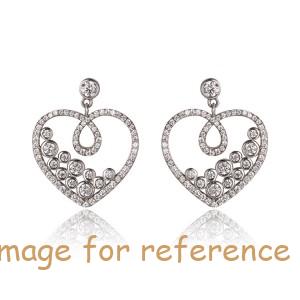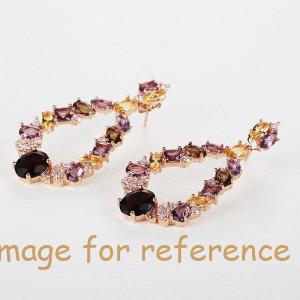
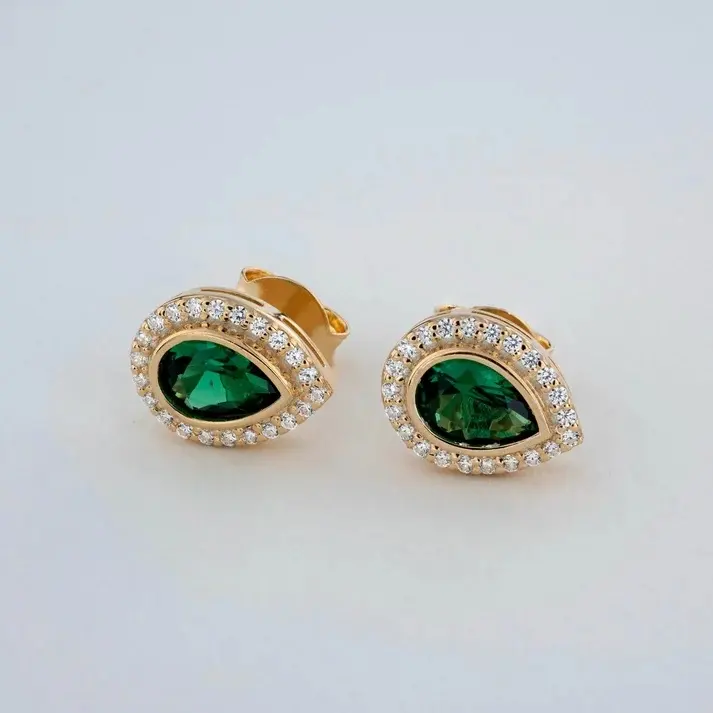
8K / 10K / 14K qattiq oltin rangdagi zumraddan yasalgan to'qmoqli sirg'alarning maxsus OEM ODM xizmati
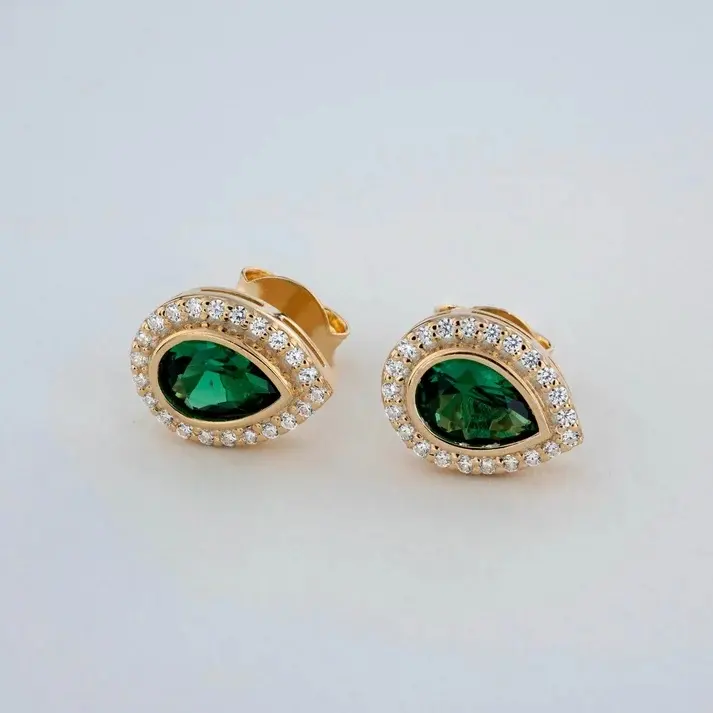
OEM / ODM Zargarlik buyumlari ishlab chiqaruvchisi o'z zargarlik buyumlarini ojizlashtiradi
Keling, boshlaymiz : Mo@kingjy.com
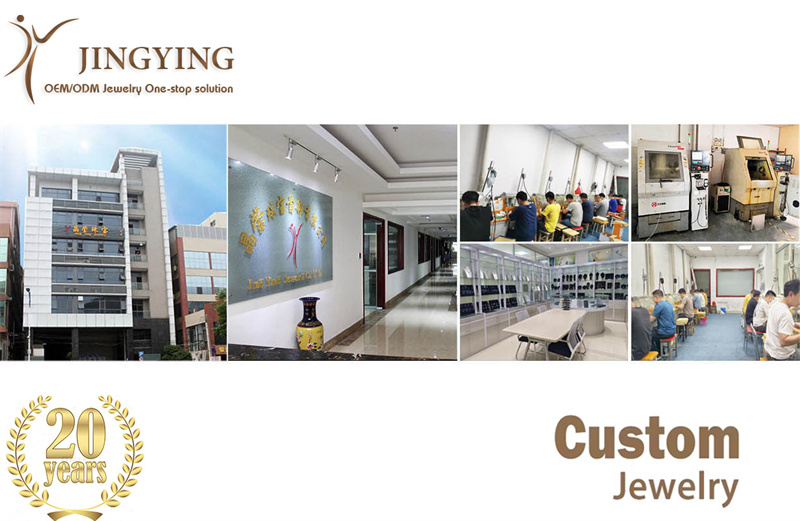
JINGYING-da 8K/10K/14K qattiq oltinda zumraddan yasalgan sirg'alarni qanday ishlab chiqarish mumkin
Kirish: Qimmatbaho tosh va metallning qo'shilishi
Chiroyli zargarlik buyumlari ierarxiyasida, bir nechta kombinatsiyalar zumrad va oltinning sokin hokimiyatiga ega. Chuqur, yaxshi kesilgan zumradning yashil yashil - o'ziga xos xususiyati bilan jardin uning tabiiy kelib chiqishini tasdiqlovchi qo'shimchalar - qattiq oltinning iliq porlashida o'zining eng xushmuomalalik joyini topadi. Jing-da, OEM va ODM zargarlik buyumlarini ishlab chiqarishda yigirma yildan ortiq tajribaga ega ishlab chiqaruvchi, 8K o'lchamdagi zumraddan yasalgan sirg'alarni yaratish, 10K, yoki 14K qattiq oltin an'anaviy hunarmandchilik va ilg'or ishlab chiqarish aniqligining murakkab o'zaro ta'sirini ifodalaydi. This article provides a comprehensive technical account of how JINGYING transforms raw materials into a finished pair of these highly coveted earrings.
The Metallurgical Foundation: 8K, 10K, and 14K Solid Gold
Before a single CAD file is opened, the selection of the gold alloy establishes the parameters for the entire production process. JINGYING’s expertise lies in navigating the specific metallurgical requirements of different karat golds to achieve a balance of durability, rang, and workability.
Understanding the Karat System
Qattiq oltin, as distinct from gold-plated or gold-filled alternatives, forms the structural core of the earrings. 24K oltin (99.9% toza) is too soft for jewelry that requires structural integrity for setting stones. Shunday qilib, JINGYING works with alloys where gold is mixed with other metals. 14K gold comprises 58.3% oltin, while 10K gold contains 41.7% oltin. 8K oltin, at approximately 33.3% oltin, offers the greatest durability but requires careful alloying to achieve an appealing color.
The Alloying Challenge: Color and Castability
Producing high-quality solid gold castings requires precise control over the alloy composition. JINGYING employs proprietary master alloy recipes to control both the color and the castability of the metal. Masalan; misol uchun, achieving a rich yellow hue in 10K gold without a greenish tint involves blending palladium, kumush, and copper in specific proportions. For the casting process itself, the alloy must be optimized for fluidity to ensure it fills the fine details of the mold.
One critical aspect of gold casting is the management of oxygen. Porosity—microscopic air bubbles—is the enemy of high-integrity jewelry, particularly in prongs and bezel walls that must be structurally sound. JINGYING's expertise includes the use of oxygen scavengers in the alloy, such as germanium. In yellow karat gold casting alloys, germanium (up to approximately 1% og'irlik bilan) serves as an effective deoxidizer, reducing the need for elements like silicon or boron that can create hard spots and compromise the final finish.
For the production of the drop stud earrings, JINGYING's technicians select the specific gold alloy based on the client's requirements. 14K oltin, with its higher gold content, offers a richer color and is perceived as more luxurious, making it ideal for higher-end collections. 10K oltin, being harder and more scratch-resistant, is chosen for pieces intended for daily wear or more active lifestyles.
The Design and Prototyping Phase: From Concept to Casting Tree
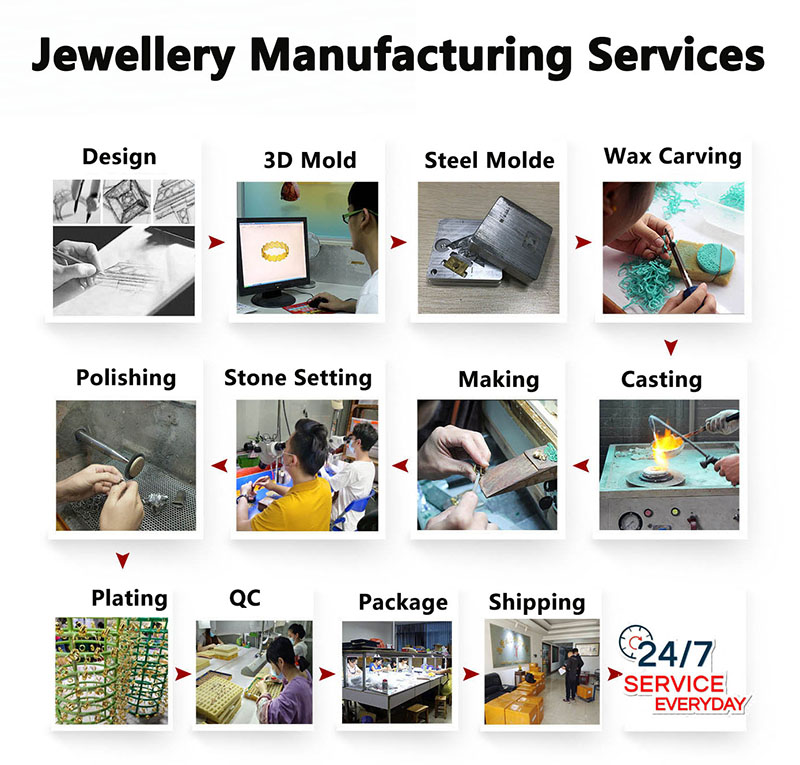
The journey from a designer's sketch to a physical product begins in the digital and physical modeling phase. JINGYING utilizes a structured "Collaborative Odyssey" to ensure that the client's vision is translated accurately into a manufacturable piece.
Faza 1: Design Translation and CAD Modeling
The process begins with the client providing a design concept. JINGYING’s in-house engineering team translates this into a 3D model using advanced CAD software like Rhino 7 or MatrixGold. This is not merely a visual exercise; it is a structural one. The engineers calculate the precise weight of gold required for the piece using density algorithms. They also engineer the "fixing pipes" and structural connections that will become the earring post and the drop element, ensuring the earring is balanced and wear-resistant. For a bezel-set emerald, the CAD model must define the exact dimensions of the emerald's seat to ensure a secure fit without placing undue stress on the gemstone.
Faza 2: Wax 3D Printing and Tree Assembly
Raqamli model tasdiqlangandan keyin, JINGYING utilizes high-resolution 3D printers to create a physical prototype in wax. This is typically a "wax-like resin" printed via Stereolithography (SLA), achieving a layer thickness of approximately 33 microns for a smooth surface finish. The 3D-printed wax model is then meticulously cleaned, and support structures are removed.
Multiple wax models of the earring are then assembled into a "Daraxt." Using a heated tool, the wax sprues are welded to a central wax rod, creating an arrangement that allows molten gold to flow into all cavities of the mold. JINGYING follows strict spacing protocols: each model on the tree is spaced at least 2mm apart from its neighbors to ensure adequate metal flow and a uniform casting.
Yo'qotilgan mumni quyish jarayoni: The Birth of the Gold Master
The wax tree is the sacrificial element in the lost-wax casting process, one of the most pivotal stages in jewelry manufacturing.
Qadam 1: Creating the Investment (Plaster) Qolib
The assembled wax tree is placed inside a stainless steel flask. A fine plaster, deb tanilgan "sarmoya," is mixed with water and poured over the tree. This plaster is then placed in a vacuum to remove air bubbles—a critical step, as any trapped air could create a void in the final gold casting.
Qadam 2: Burnout and Pre-Heating
The investment flask, now containing the wax tree, is placed in a kiln. Bu "charchash" phase is a gradual, two-stage heating process. Avval, the temperature is raised to 150–200°C to soften the wax, allowing most of it to melt and flow out of the mold. The temperature is then increased to 300–400°C to vaporize any remaining wax residues. If any residue remains, it would carbonize during the final high-temperature phase (750-850 ° C), contaminating the mold cavity and ruining the surface finish of the casting. JINGYING often uses "Ashless" casting investment powder to further ensure that zero residue remains, guaranteeing a flawless surface for the molten gold.
Qadam 3: Melting and Casting the Gold
The precious metal—whether 8K, 10K, or 14K solid gold—is melted in a specialized crucible. JINGYING employs multiple methods, including electric induction melting (in an "electro-melting" mashina) or using an oxygen-acetylene torch for specific applications. To prevent oxidation and porosity, the melting is often performed in a protective atmosphere, such as argon gas, or within a sealed vacuum casting machine. The molten gold is then poured or forced (via vacuum or centrifugal force) into the hot investment mold. The high temperature of the flask (750-850 ° C) ensures that the gold remains fluid long enough to fill the thinnest sections of the mold, including the intricate bezel walls.
Qadam 4: Devestment and Quenching
Oltin sovigan va qattiqlashgandan keyin, the flask is quenched in cold water. The plaster investment, still hot from the casting process, shatters upon contact with the water due to thermal shock. This crude yet effective method releases the gold tree from its plaster cocoon. Some residual plaster may remain, which is removed using high-pressure water or, in stubborn cases, a weak acid solution.
The Finishing and Assembly Process: Precision and Craft
The gold tree that emerges from the flask is a rough, interconnected cluster of emerald drop earring models. It is now time to transform it into a finished piece of jewelry.
Qadam 1: Cutting and Polishing
The individual earring castings are carefully cut from the tree, a process known as "de-sprueing." The small nubs where the sprues were attached are filed and sanded down. Ushbu bosqichda, the rough castings undergo a series of mechanical and manual polishing operations to bring them to their final luster. The first phase involves grinding and polishing to remove major casting imperfections and to define the metal's shape. This is followed by a more delicate phase of "wheeling" va "qo'llarni tugatish" using rotating wheels and abrasive compounds to create the desired finish—whether it be high-polish, mo'yil, or satin. JINGYING's artisans employ a range of tools, from rotary wheels to "collet blocks" (or bezel blocks), to precisely size and shape the bezel setting for the emerald.
Qadam 2: The Bezel Setting
The defining feature of the earring is its bezel setting, a continuous metal rim that encircles and protects the emerald. Setting an emerald is a particularly delicate operation. Olmosdan farqli o'laroq, emeralds are more brittle (classified as Type III gemstones) and prone to cracking under pressure. JINGYING's master setters are adept at a technique that minimizes risk: the diamond halo (if the design includes one) is set first, and the emerald is added last. Bu "floating bezel" technique involves gently lowering the emerald into a meticulously polished seat and carefully pushing the soft gold bezel wall over the stone's girdle, rather than applying direct pressure to the stone itself.
Qadam 3: Assembly and Quality Control
Yakuniy yig'ilish sirg'a ustunini va kelebekni lehimlashni o'z ichiga oladi (orqaga qaytish) sirg'aning asosiy tanasiga mos keladi. To'qilgan sirg'alar uchun, tirgak komponentiga ilgak yoki qattiq bog'lam biriktirilgan. Har bir bosqichda, JINGYINGning sifat nazorati guruhi ishni tekshiradi. Ular sirt kamchiliklarini aniqlash va tuzatishga o'rgatiladi, tasdiqlangan namuna bilan taqqoslaganda rangning mustahkamligi va tugatish sifatini ta'minlash.
Yakuniy sifatni tekshirish uchun, JINGYING ishlaydi a Sigma Metallytics qimmatbaho metallar identifikatori oltin buyumning 10K yoki 14K tozaligini tasdiqlash uchun. Qo'shimcha ravishda, Rentgen florecence (Xrf) sinov karat tarkibini va har qanday qo'llaniladigan qoplamaning qalinligini tekshirish uchun standart amaliyotdir, kelishilgan spetsifikatsiyalarga mos kelishini ta'minlash. Faqatgina ushbu qattiq tekshiruvlardan va yakuniy sinovdan o'tgandan keyin 100% vizual tekshirish - bu unga tayyor deb hisoblangan sirg'a "SIZ" hallmark and final delivery.
Xulosa
The production of emerald bezel drop stud earrings at JINGYING is a journey of meticulous transformation. It begins with the selection of a sophisticated 8K, 10K, or 14K gold alloy, engineered for the dual demands of castability and durability. It proceeds through the digital precision of CAD design and 3D wax printing, and culminates in the ancient alchemy of lost-wax casting. The rough castings are then brought to life through a blend of industrial polishing and artisanal hand-finishing, culminating in the delicate, risk-laden art of setting a natural emerald in a protective gold bezel. It is this synthesis of technical rigor, industrial efficiency, and refined craftsmanship that positions JINGYING as a premier manufacturer for custom fine jewelry, chiroyli bo'lganidek bardoshli bo'laklarni etkazib berishga qodir.