
According to the place of origin, it is divided into Changhua Soapstone and Bahraini Soapstone.
Soapstone is said to be “southern blood in the north”. “Southern blood” refers to the Changhua bloodstone produced by the guide, with bright and pure blood color; “Northland” refers to the Bahraini bloodstone produced in the north, with fine and moist texture, few lumps (nails), and easy to carve.
นอกจากนี้, the chicken blood in Changhua bloodstone is often completely separated from the surrounding non-chicken blood. The blood shape distribution has obvious directionality, and the high-grade blood has a high degree of aggregation. The color of the chicken blood in the Bahraini Soapstone and the surrounding non-chicken blood often gradually transitions, the blood is not directional, and the blood shape is relatively scattered. The color of the Bahraini Soapstone often turns dark red when exposed to light.
Quartz phenocrysts are often found in Changhua bloodstones, ที่รู้จักกันทั่วไปว่าเป็น “nails”; while Bahraini phenocrysts are absent.
Soapstone has a high economic value and enjoys a high reputation at home and abroad.
The evaluation of bloodstones firstly looks at blood, and it is better to have a lot of blood, หนา, สีสดใส, และสวยงาม. ตัวอย่างเช่น, the seal stone is full of blood and red as the top grade, ซึ่งเรียกว่า “Dahongpao”; red on all sides comes next; red on the top, red on one side, and red on some parts.
ที่สอง, look at the texture, which is generally determined by color, ความโปร่งใส, ความมันวาว, และความแข็ง. There are usually frozen ground, soft ground, rigid ground, and hard ground. ในหมู่พวกเขา, the frozen ground is the best. It has white, สีชมพู, สีเหลือง, สีเทา, สีเขียว, สีดำและสีอื่น ๆ, and the pure and clear mutton jelly is the top grade.
Soapstone is better with uniform color, ความโปร่งใสสูง, low hardness and fine quality.
Defects directly affect the quality of bloodstone, and it is better to have less impurities and cracks.
Identification of Soapstone:
Due to the depletion of soapstone resources, the output is decreasing and the price is increasing. Driven by high profits, the treatment and imitation of bloodstone have appeared one after another. The common treatment methods are as follows:
The filling process is to fill the cracks or pits with red pigment or cinnabar powder with glue or resin, and then apply a layer of resin after drying.
The surface is waxy or grease luster, hot needle can melt, visible “เลือด” color is single, mostly distributed along cracks or pits, the dye particles are amorphous, floating in the glue.
The coating process is to mix cinnabar powder or red pigment with glue and apply it on the surface to increase the “เลือด” สี. It can be seen that the “เลือด” color floats in the transparent layer, and occasionally there are traces of painting.
The splicing and inlay processing is to splice and inlay the bloodless bloodstone slices with glue, and then do carving or polishing. This kind of bloodstone texture pattern and blood shape distribution are unnatural and discontinuous. Carefully observe the splicing and inlaid traces of the joint.
Imitation soapstone is made of artificial synthetic material or colorless soapstone powder, plus cinnabar powder or red pigment.
The identification method is to carefully observe the structural features, such as the color of the ground is monotonous, almost opaque, the blood shape distribution is abnormal, the density characteristics are also different, and the touch is warm.
OEM/ODM ผู้ผลิตเครื่องประดับออกแบบที่กำหนดเองเครื่องประดับของคุณเอง
เริ่มต้นกันเถอะ : mo@kingjy.com
กวางโจวการพูดคุยกันเรื่องสร้อยคอแหวนที่กำหนดเองต่างหูสร้อยข้อมือ 925 เครื่องประดับ,เงินสเตอร์ลิงทองชุบด้วย 18K,14K,24k ทองเหลือง,ทองคำขาวและกุหลาบทองคำมันสามารถกำหนดเองเครื่องประดับเงินสเตอร์ลิงที่กำหนดเองการออกแบบที่หลากหลาย,แบรนด์โลโก้หรือคำอื่น ๆ โดยการแกะสลักด้วยเลเซอร์ตามความต้องการของลูกค้า.
กำลังการผลิตรายเดือนของเราขึ้นอยู่กับ 50,000 สร้อยข้อมือสร้อยคอชิ้นต่างหูแหวนแหวนแหวนการเข้าร่วมเป็นหุ้นส่วนกับซุปเปอร์มาร์เก็ต,ร้านขายเครื่องประดับ,ร้านค้าทางออก,ผู้ค้าส่งเครื่องประดับ,ผู้ค้าและ บริษัท แบรนด์เครื่องประดับ,ให้ความสำคัญกับการสร้างเครื่องประดับที่กำหนดเองและการผลิตมวลคุณภาพสูง 925 บริการเครื่องประดับเงินสเตอร์ลิง.

ผู้ผลิตเครื่องประดับสีเงินทำเองทำเอง กระบวนการผลิต
เหตุผลของการรับประกันคุณภาพของเครื่องประดับ jingying
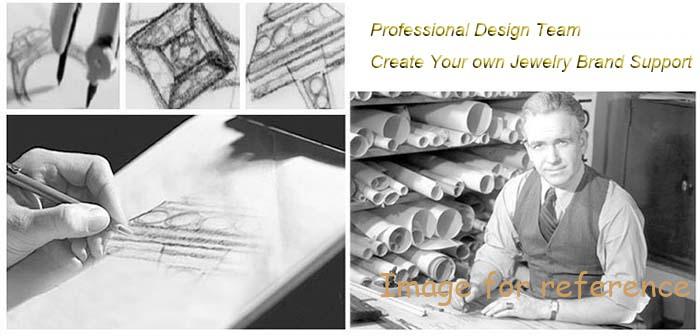
1. การออกแบบดั้งเดิม
มันเริ่มต้นเมื่อคุณนำแนวคิดการออกแบบหรือตัวอย่างเปลี่ยนแปลงมาให้เรา ,เราเริ่มต้นการออกแบบดั้งเดิมโดย Sketch เป็นคำขอของคุณ. ผู้ผลิตสร้อยคอที่กำหนดเอง
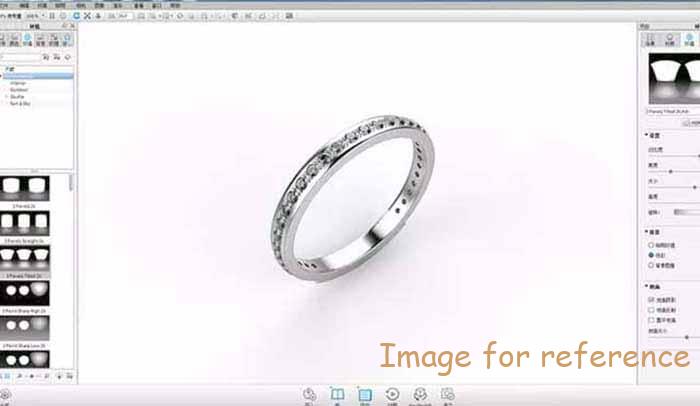
2.การสร้างแม่พิมพ์ 3 มิติ
ไม่ว่านี่จะเป็นภาพร่างที่เรียบง่ายหรือต้นแบบเต็มรูปแบบ, เราเป็นทีมออกแบบที่มีประสบการณ์และเป็นผู้ใหญ่ช่วยให้คุณทำงานเพื่อนำมันมาสู่ชีวิตเป็นเครื่องประดับที่รับรู้ได้อย่างเต็มที่.กำหนดเอง 925 สร้อยข้อมือสีเงิน.
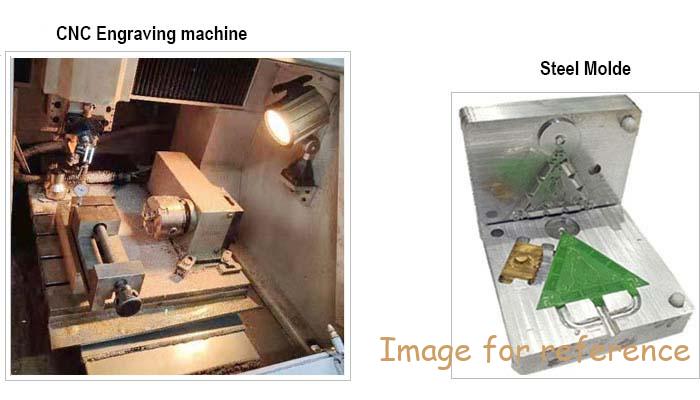
3.การสร้างแม่พิมพ์ ( Metal Master)
เราใช้เครื่องตัดเฉือน CNC แบบจำลองการแกะสลักเครื่องประดับให้แน่ใจว่าเครื่องประดับของเรา 100% เครื่องประดับเงินสเตอร์ลิงคุณภาพสูงเช่นเดียวกับพื้นผิวเครื่องประดับชั้นดีเรียบและไม่มีหินที่หายไป .ต่างหูที่กำหนดเองผู้ผลิตเงินสเตอร์ลิง
4.การหล่อ
แม่พิมพ์ขี้ผึ้งฉีดกลายเป็นแม่พิมพ์ปูนปลาสเตอร์ ,หลังจากความร้อนที่อุณหภูมิสูงมีฐานสินค้าโลหะเครื่องประดับ. เครื่องประดับสีเงินที่ทำเองทำเอง

5. การปั้น & ขัด
การสร้างแบบจำลองเครื่องประดับที่สวยงามยิ่งขึ้น ,พื้นผิวเรียบ. ผู้ผลิตเครื่องประดับเงินทำเอง

6. อัญมณีการตั้งค่ามือ
เราใช้เครื่องจักรขนาดเล็กที่นำเข้าจากญี่ปุ่น DO ตั้งค่าสำหรับหิน 5A CZ ,สามารถ 99% ไม่มีเทคโนโลยีการตั้งค่าขี้ผึ้งหินที่หายไป . เครื่องประดับเงินที่กำหนดเอง

7. การชุบ
เราทำการชุบ 2 ครั้งสำหรับทุกคน 925 เครื่องประดับเงินสเตอร์ลิง ,ก่อนอื่นให้ชุบเงินหนาโดยฐาน ,Posh สองครั้งให้แน่ใจว่าพื้นผิวเรียบจากนั้นไปต่อด้วยการชุบทองจริง ,ความหนาถึง 3 ไมครอนให้แน่ใจว่าสามารถใช้เวลา 1 ปีได้ ,เราเรียกมันว่า vermail .

8. กระบวนการ QC ที่สมบูรณ์แบบ
การตรวจสอบคุณภาพเป็นกระบวนการที่สำคัญที่สุดในสายการผลิตทั้งหมดเรามีทีมนักวิศวกรรม 10 คนในการควบคุมการตรวจสอบคุณภาพโดยแต่ละกระบวนการ .
No Lost Stone -1 เราจะใช้เข็มเหล็กมืออาชีพในการเอาชนะหินทีละคน ,ตรวจสอบให้แน่ใจว่าไม่ตก. 2 เราจะวางของเครื่องประดับที่ 3 เมตรเพื่อตรวจสอบหินไม่หลุดออกมา .
การชุบ- 1,ลูกค้าสามารถรับรายงานจากการทดสอบเครื่องเกี่ยวกับความหนาของการชุบตรวจสอบให้แน่ใจว่าได้มาตรฐานของคุณ. 2 เราใช้เครื่องมือระดับมืออาชีพ ,ถูพื้นผิวโลหะด้วยตนเองเป็นเวลาห้านาที ,ตรวจสอบให้แน่ใจว่าคุณภาพเสื้อโค้ทดี . เงินที่กำหนดเอง

9. การบรรจุหีบห่อ & การส่งสินค้า
บรรจุภัณฑ์อิสระ ,หรือตามคำขอของลูกค้า;การจัดส่งด่วนโดย DHL ,อัพ,TT

ผู้ผลิตเครื่องประดับสีเงินทำเองทำเอง 925 ผู้ผลิตเงินสเตอร์ลิง ข้อได้เปรียบ
1:20-ปีมัธยมปลายปี 925 เครื่องประดับเครื่องประดับขายส่งเงินที่กำหนดเอง
2:ประสบการณ์การผลิตเครื่องประดับแฟชั่นหลายพันคน ,กำลังการผลิตรายเดือนถึง 100000 ชิ้นส่วน
3: ฝีมือที่ยอดเยี่ยม ,Surfface ราบรื่น.
4:การผลิตที่มีประสิทธิภาพ,7-เวลาตัวอย่างวัน ,30-เวลาผลิตมวลชนวัน
5:ผลิตภัณฑ์คุณภาพ,ไม่เปลี่ยนสี, ไม่ทิ้งหิน, หากมีคำถามคุณภาพผลิตภัณฑ์ในเหตุผลที่ไม่ใช่มนุษย์, รับประกัน 3-6 เดือนสำหรับการซ่อมแซม.

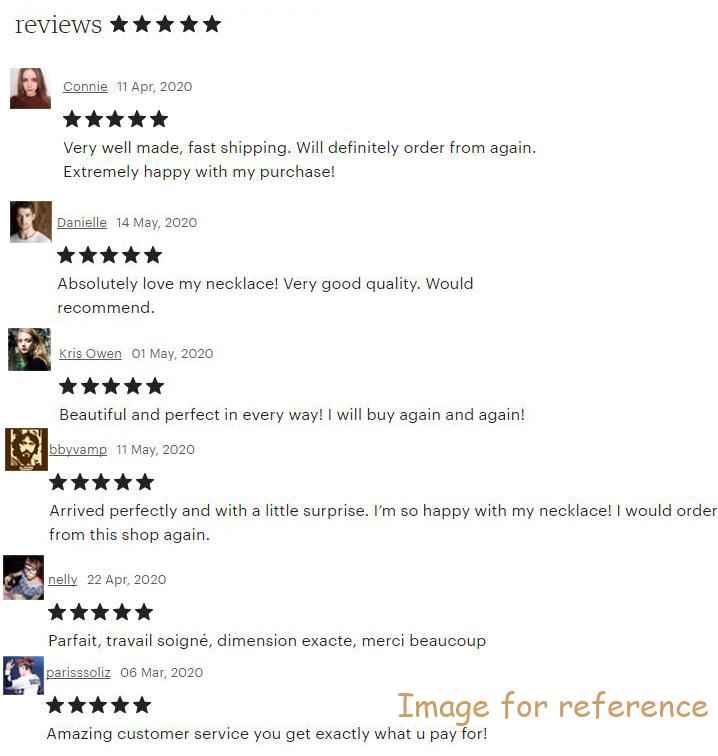
ในอดีตที่ผ่านมา 20 ปี, Jingying Jewelry ได้รับการติดตามเป้าหมายของการใฝ่หาความสมบูรณ์แบบและปรับปรุง 925 เครื่องประดับเงิน เทคโนโลยีทีมออกแบบของเรายังคงเรียนรู้และพัฒนาทักษะ ,ออกแบบแฟชั่น, อุปกรณ์เสริมที่โรแมนติกสำหรับผู้หญิง. การออกแบบที่สวยงามและคุณภาพดีเยี่ยม, Jingying Jewelry ได้รับรางวัลที่คุ้นเคยและเป็นที่ยอมรับของแบรนด์โซ่ทั้งที่บ้านและต่างประเทศ.
โอกาส:การผลิตเครื่องประดับที่ทันสมัย ประเพณีเครื่องประดับของผู้หญิงขายส่งสำหรับปาร์ตี้และแหวนเครื่องประดับอินเทรนด์ประจำวันสำหรับผู้หญิง

เครื่องประดับที่กำหนดเองทำต่างหูเครื่องประดับเครื่องประดับประกันคุณภาพการประกันคุณภาพ :
การออกแบบและสินค้าของคุณจะต้องถ่ายภาพก่อนจัดส่งตรวจสอบคำสั่งซื้อของคุณว่ามีปัญหา .
ไม่ว่าคุณจะมีปัญหาใด ๆ กับการออกแบบที่กำหนดเองหรือสั่งซื้อมวลชนเมื่อคุณได้รับสินค้า ,ติดต่อกับเรา (mo@kingjy.com) ,สามารถรับเงินคืนได้หากปัญหาคุณภาพ ,ทำธุรกิจกับเราอยู่ในความปลอดภัย .
OEM/ODM ผู้ผลิตเครื่องประดับออกแบบที่กำหนดเองเครื่องประดับของคุณเอง
เริ่มต้นกันเถอะ : mo@kingjy.com
กวางโจวการพูดคุยกันเรื่องสร้อยคอแหวนที่กำหนดเองต่างหูสร้อยข้อมือ 925 เครื่องประดับ,เงินสเตอร์ลิงทองชุบด้วย 18K,14K,24k ทองเหลือง,ทองคำขาวและกุหลาบทองคำมันสามารถกำหนดเองเครื่องประดับเงินสเตอร์ลิงที่กำหนดเองการออกแบบที่หลากหลาย,แบรนด์โลโก้หรือคำอื่น ๆ โดยการแกะสลักด้วยเลเซอร์ตามความต้องการของลูกค้า.
กำลังการผลิตรายเดือนของเราขึ้นอยู่กับ 50,000 สร้อยข้อมือสร้อยคอชิ้นต่างหูแหวนแหวนแหวนการเข้าร่วมเป็นหุ้นส่วนกับซุปเปอร์มาร์เก็ต,ร้านขายเครื่องประดับ,ร้านค้าทางออก,ผู้ค้าส่งเครื่องประดับ,ผู้ค้าและ บริษัท แบรนด์เครื่องประดับ,ให้ความสำคัญกับการสร้างเครื่องประดับที่กำหนดเองและการผลิตมวลคุณภาพสูง 925 บริการเครื่องประดับเงินสเตอร์ลิง.
ผู้ผลิตเครื่องประดับสีเงินทำเองทำเอง กระบวนการผลิต
เหตุผลของการรับประกันคุณภาพของเครื่องประดับ jingying
1. การออกแบบดั้งเดิม
มันเริ่มต้นเมื่อคุณนำแนวคิดการออกแบบหรือตัวอย่างเปลี่ยนแปลงมาให้เรา ,เราเริ่มต้นการออกแบบดั้งเดิมโดย Sketch เป็นคำขอของคุณ. ผู้ผลิตสร้อยคอที่กำหนดเอง
2.การสร้างแม่พิมพ์ 3 มิติ
ไม่ว่านี่จะเป็นภาพร่างที่เรียบง่ายหรือต้นแบบเต็มรูปแบบ, เราเป็นทีมออกแบบที่มีประสบการณ์และเป็นผู้ใหญ่ช่วยให้คุณทำงานเพื่อนำมันมาสู่ชีวิตเป็นเครื่องประดับที่รับรู้ได้อย่างเต็มที่.กำหนดเอง 925 สร้อยข้อมือสีเงิน.
3.การสร้างแม่พิมพ์ ( Metal Master)
เราใช้เครื่องตัดเฉือน CNC แบบจำลองการแกะสลักเครื่องประดับให้แน่ใจว่าเครื่องประดับของเรา 100% เครื่องประดับเงินสเตอร์ลิงคุณภาพสูงเช่นเดียวกับพื้นผิวเครื่องประดับชั้นดีเรียบและไม่มีหินที่หายไป .ต่างหูที่กำหนดเองผู้ผลิตเงินสเตอร์ลิง
4.การหล่อ
แม่พิมพ์ขี้ผึ้งฉีดกลายเป็นแม่พิมพ์ปูนปลาสเตอร์ ,หลังจากความร้อนที่อุณหภูมิสูงมีฐานสินค้าโลหะเครื่องประดับ. เครื่องประดับสีเงินที่ทำเองทำเอง
5. การปั้น & ขัด
การสร้างแบบจำลองเครื่องประดับที่สวยงามยิ่งขึ้น ,พื้นผิวเรียบ. ผู้ผลิตเครื่องประดับเงินทำเอง
6. อัญมณีการตั้งค่ามือ
เราใช้เครื่องจักรขนาดเล็กที่นำเข้าจากญี่ปุ่น DO ตั้งค่าสำหรับหิน 5A CZ ,สามารถ 99% ไม่มีเทคโนโลยีการตั้งค่าขี้ผึ้งหินที่หายไป . เครื่องประดับเงินที่กำหนดเอง
7. การชุบ
เราทำการชุบ 2 ครั้งสำหรับทุกคน 925 เครื่องประดับเงินสเตอร์ลิง ,ก่อนอื่นให้ชุบเงินหนาโดยฐาน ,Posh สองครั้งให้แน่ใจว่าพื้นผิวเรียบจากนั้นไปต่อด้วยการชุบทองจริง ,ความหนาถึง 3 ไมครอนให้แน่ใจว่าสามารถใช้เวลา 1 ปีได้ ,เราเรียกมันว่า vermail .
8. กระบวนการ QC ที่สมบูรณ์แบบ
การตรวจสอบคุณภาพเป็นกระบวนการที่สำคัญที่สุดในสายการผลิตทั้งหมดเรามีทีมนักวิศวกรรม 10 คนในการควบคุมการตรวจสอบคุณภาพโดยแต่ละกระบวนการ .
No Lost Stone -1 เราจะใช้เข็มเหล็กมืออาชีพในการเอาชนะหินทีละคน ,ตรวจสอบให้แน่ใจว่าไม่ตก. 2 เราจะวางของเครื่องประดับที่ 3 เมตรเพื่อตรวจสอบหินไม่หลุดออกมา .
การชุบ- 1,ลูกค้าสามารถรับรายงานจากการทดสอบเครื่องเกี่ยวกับความหนาของการชุบตรวจสอบให้แน่ใจว่าได้มาตรฐานของคุณ. 2 เราใช้เครื่องมือระดับมืออาชีพ ,ถูพื้นผิวโลหะด้วยตนเองเป็นเวลาห้านาที ,ตรวจสอบให้แน่ใจว่าคุณภาพเสื้อโค้ทดี . เงินที่กำหนดเอง
9. การบรรจุหีบห่อ & การส่งสินค้า
บรรจุภัณฑ์อิสระ ,หรือตามคำขอของลูกค้า;การจัดส่งด่วนโดย DHL ,อัพ,TT
ผู้ผลิตเครื่องประดับสีเงินทำเองทำเอง 925 ผู้ผลิตเงินสเตอร์ลิง ข้อได้เปรียบ
1:20-ปีมัธยมปลายปี 925 เครื่องประดับเครื่องประดับขายส่งเงินที่กำหนดเอง
2:ประสบการณ์การผลิตเครื่องประดับแฟชั่นหลายพันคน ,กำลังการผลิตรายเดือนถึง 100000 ชิ้นส่วน
3: ฝีมือที่ยอดเยี่ยม ,Surfface ราบรื่น.
4:การผลิตที่มีประสิทธิภาพ,7-เวลาตัวอย่างวัน ,30-เวลาผลิตมวลชนวัน
5:ผลิตภัณฑ์คุณภาพ,ไม่เปลี่ยนสี, ไม่ทิ้งหิน, หากมีคำถามคุณภาพผลิตภัณฑ์ในเหตุผลที่ไม่ใช่มนุษย์, รับประกัน 3-6 เดือนสำหรับการซ่อมแซม.
ในอดีตที่ผ่านมา 20 ปี, Jingying Jewelry ได้รับการติดตามเป้าหมายของการใฝ่หาความสมบูรณ์แบบและปรับปรุง 925 เครื่องประดับเงิน เทคโนโลยีทีมออกแบบของเรายังคงเรียนรู้และพัฒนาทักษะ ,ออกแบบแฟชั่น, อุปกรณ์เสริมที่โรแมนติกสำหรับผู้หญิง. การออกแบบที่สวยงามและคุณภาพดีเยี่ยม, Jingying Jewelry ได้รับรางวัลที่คุ้นเคยและเป็นที่ยอมรับของแบรนด์โซ่ทั้งที่บ้านและต่างประเทศ.
โอกาส:การผลิตเครื่องประดับที่ทันสมัย ประเพณีเครื่องประดับของผู้หญิงขายส่งสำหรับปาร์ตี้และแหวนเครื่องประดับอินเทรนด์ประจำวันสำหรับผู้หญิง
เครื่องประดับที่กำหนดเองทำต่างหูเครื่องประดับเครื่องประดับประกันคุณภาพการประกันคุณภาพ :
การออกแบบและสินค้าของคุณจะต้องถ่ายภาพก่อนจัดส่งตรวจสอบคำสั่งซื้อของคุณว่ามีปัญหา .
ไม่ว่าคุณจะมีปัญหาใด ๆ กับการออกแบบที่กำหนดเองหรือสั่งซื้อมวลชนเมื่อคุณได้รับสินค้า ,ติดต่อกับเรา (mo@kingjy.com) ,สามารถรับเงินคืนได้หากปัญหาคุณภาพ ,ทำธุรกิจกับเราอยู่ในความปลอดภัย .