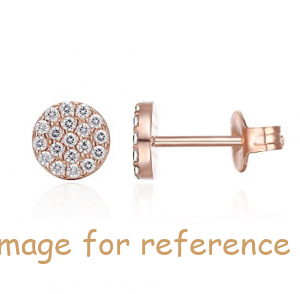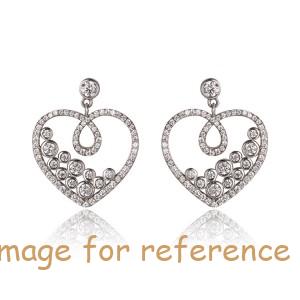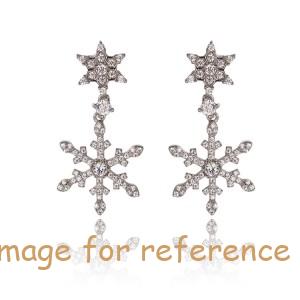
การพูดพล่าม : บริษัทปรับแต่งต่างหู Ella จำนวนมาก
OEM/ODM ผู้ผลิตเครื่องประดับออกแบบที่กำหนดเองเครื่องประดับของคุณเอง
เริ่มต้นกันเถอะ : mo@kingjy.com
JINGYING และต่างหู Ella: การศึกษาเรื่องการปรับแต่งจำนวนมาก
การแนะนำ
อุตสาหกรรมเครื่องประดับ, กำหนดไว้อย่างยาวนานตามประเพณี, งานฝีมือ, และความพิเศษ, พบว่าตัวเองอยู่บนทางแยกที่สำคัญ. ด้านหนึ่ง, บ้านมรดกช่วยปกป้องการออกแบบที่มีอายุหลายศตวรรษ; ในอีกทางหนึ่ง, ผู้บริโภคยุคใหม่ต้องการความเป็นส่วนตัว, ความเร็ว, และความโปร่งใส. ความตึงเครียดนี้ก่อให้เกิดกลยุทธ์ทางธุรกิจที่ทรงพลัง: การปรับแต่งจำนวนมาก. บทความนี้จะตรวจสอบแนวคิดนี้ผ่านเลนส์ที่แตกต่างกันสองแบบ: ที่ "ต่างหูเอลล่า," ชื่อผลิตภัณฑ์ที่ใช้ร่วมกันระหว่างแบรนด์ช่างฝีมือหลายแห่ง, และจินหยิง, ผู้ผลิตเครื่องประดับจีนที่เป็นแบบอย่างของแกนหลักทางอุตสาหกรรมที่ทำให้สามารถปรับแต่งได้ตามต้องการ.
ต่างหู Ella ที่หันหน้าเข้าหาผู้บริโภค: เรื่องราวของสองผลิตภัณฑ์
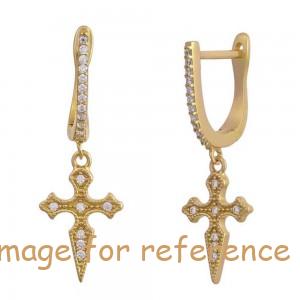
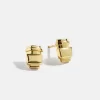
ชื่อ "ต่างหูเอลล่า" ปรากฏในตลาดเครื่องประดับหรูหรา, แต่ความหมายของมันเปลี่ยนไปอย่างมากขึ้นอยู่กับแบรนด์. ที่ เจนนิเฟอร์ แบร์, ต่างหูเอลล่านั้นบอบบาง, โดดเด่นด้วยชิ้นงานพร้อมสวมใส่ "ผีเสื้อสองตัวที่มีรายละเอียดแกะสลักเหมือนจริง," สร้างขึ้นด้วยมือในนิวยอร์กจากทองเหลืองชุบทอง . เวอร์ชันนี้จำหน่ายเป็นผลิตภัณฑ์สำเร็จรูปโดยมีขนาดมาตรฐานและมีการปรับแต่งอย่างจำกัด นอกเหนือจากตัวเลือกขายปลีกมาตรฐาน.
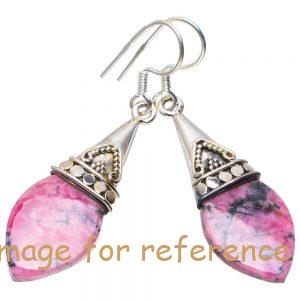
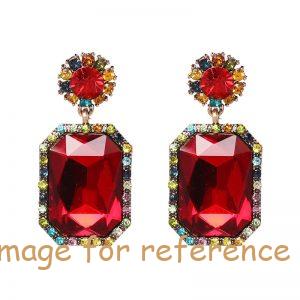
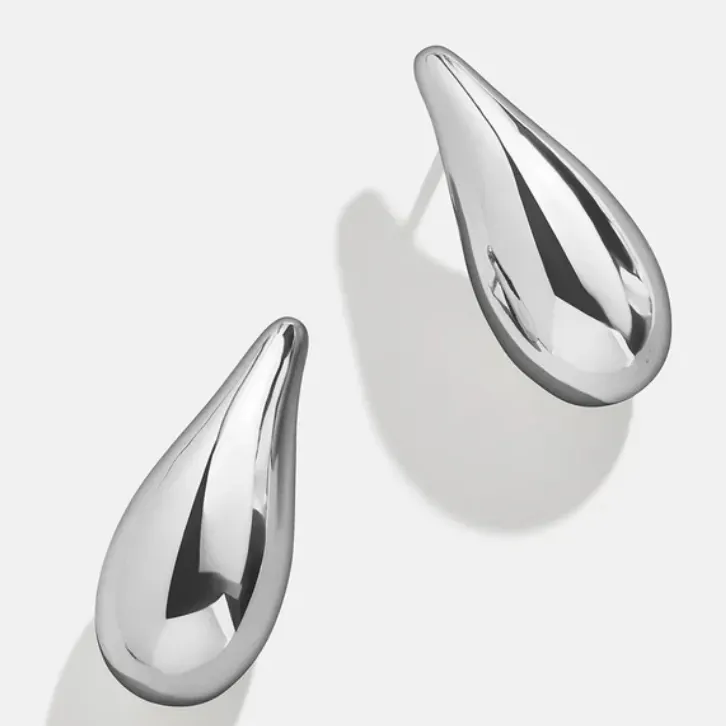
ในทางตรงกันข้าม, บังกิต เสนอข้อเสนอที่แตกต่างไปจากเดิมอย่างสิ้นเชิง. ต่างหูเอลล่าของพวกเขา, ราคาที่มากกว่า $600, เป็น "ทำด้วยมือและปรับแต่งได้อย่างเต็มที่" กับ "พู่ด้านล่างถอดได้[ส]" . บุญกิจเชิญชวนลูกค้าอย่างชัดเจนให้ร่วมสร้างสรรค์: "ทุกชิ้นได้รับการออกแบบและสั่งทำเฉพาะตัว, ให้อิสระในการสร้างสรรค์แก่คุณในการทำให้วิสัยทัศน์ของคุณเป็นจริง" . ในทำนองเดียวกัน, แบรนด์ออสเตรเลีย ทาเนีย มารัส เสนอ "เอลล่า" ต่างหูมุกที่สามารถ "ปรับแต่งให้เหมาะกับคุณ," โดยมีการปรับเปลี่ยนขนาดและรายละเอียดโดยจะหารือเป็นกรณีไป .
ตัวอย่างเหล่านี้แสดงให้เห็นถึงขอบเขตของการปรับแต่งในภาคส่วนเครื่องประดับ. ที่ปลายด้านหนึ่งอยู่ "กำหนดค่าตามสั่ง" แบบอย่าง (เจนนิเฟอร์ แบร์), โดยที่สินค้าได้รับการแก้ไขแต่เป็นการผลิตตามสั่ง. ที่อื่นอยู่ "ร่วมออกแบบ" แบบอย่าง (บังกิต, ทาเนีย มารัส), โดยที่ลูกค้ามีอิทธิพลโดยตรงต่อการออกแบบ. ทั้งสองเป็นรูปแบบของการปรับแต่งจำนวนมาก, แต่พวกเขาต้องการความสามารถด้านซัพพลายเชนที่แตกต่างกันอย่างมาก .
การพูดพล่าม: เครื่องยนต์ OEM/ODM ที่อยู่เบื้องหลังการปรับแต่ง
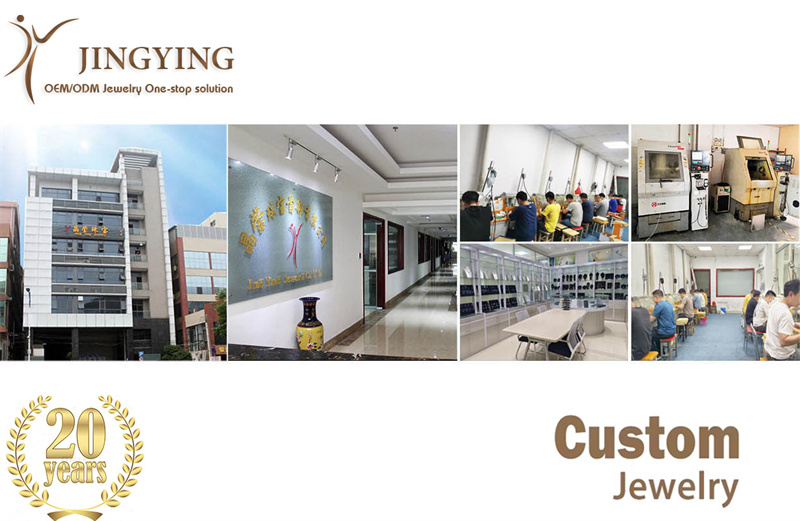
หากแบรนด์อย่าง Bounkit เป็นตัวแทนของการปรับแต่งแบบสาธารณะ, เครื่องประดับจิงจิง แสดงถึงโครงสร้างพื้นฐานที่ซ่อนอยู่. ก่อตั้งเมื่อปี พ.ศ 1998, JINGYING เป็นผู้ผลิตในกวางโจวที่ให้บริการ OEM/ODM แบบครบวงจร (ผู้ผลิตอุปกรณ์ดั้งเดิม / ผู้ผลิตการออกแบบดั้งเดิม) บริการ . พวกเขาไม่ได้ขายโดยตรงกับผู้บริโภค; แทน, ช่วยให้แบรนด์อื่นๆ สามารถนำเสนอเครื่องประดับสั่งทำพิเศษได้.
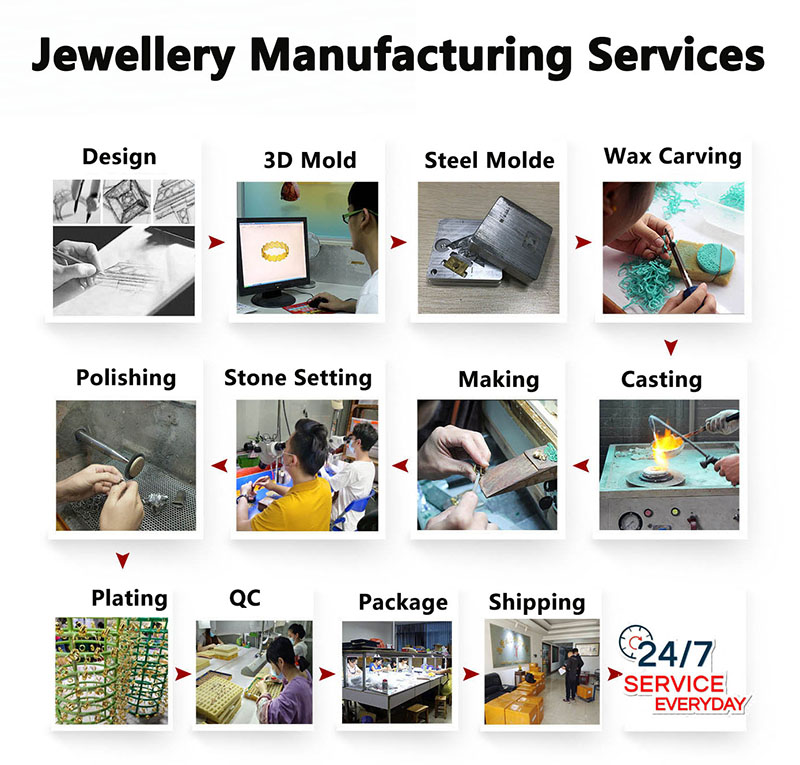
ความสามารถหลักของ JINGYING อยู่ที่ความยืดหยุ่นของวัสดุ. พวกเขาผลิตใน "ทองแดงชุบทอง, เงินสเตอร์ลิง (925) ชุบทองคำ, และตัวเลือกทองคำที่แข็งแกร่ง," รวมทั้ง 9K ด้วย, 10K, 14K, และทอง 18K . ซึ่งช่วยให้แบรนด์อย่าง Bounkit สามารถเสนอทางเลือกให้กับลูกค้าประเภทโลหะได้, การชุบ, และการฝังหินโดยไม่ต้องมีโรงหล่อ. บริการของ JINGYING รวมถึงความสามารถอย่างชัดเจน "สร้างคอลเลกชันเครื่องประดับศิลปะที่ยอดเยี่ยมในการทำเครื่องประดับชั้นดีโดยใช้เพียงความคิดของคุณ, รูปถ่าย, หรือการออกแบบ CAD" .
นี่คือแก่นแท้ของ "มวล" ในการปรับแต่งจำนวนมาก. JINGYING ใช้ประโยชน์จากประสบการณ์กว่าสองทศวรรษและการจัดตั้งโรงงานที่ปรับขนาดได้เพื่อผลิตชุดเล็ก (หรือแม้แต่ชิ้นเดียว) ในราคาที่แข่งขันได้ . พวกเขาดูดซับความซับซ้อนในการจัดหาวัสดุ, การหล่อ, การชุบ, และการควบคุมคุณภาพ, ทำให้แบรนด์ต่างๆ มุ่งความสนใจไปที่การออกแบบ, การตลาด, และการโต้ตอบกับลูกค้า.
เทคโนโลยีเป็นตัวขับเคลื่อน: จาก CAD สู่การพิมพ์ 3 มิติ
ความเป็นไปได้ทางเทคนิคของการปรับแต่งเครื่องประดับจำนวนมากได้ก้าวหน้าไปอย่างมากผ่านเทคโนโลยีดิจิทัล. การวิจัยเกี่ยวกับ "จิวเวลโคดีไซน์" แนวคิดเน้นย้ำวิธีการ "การปรับแต่งจำนวนมาก, เครือข่ายทางสังคม, อีคอมเมิร์ซและการผลิตที่รวดเร็ว (อาคา. 3D การพิมพ์) ถูกนำมาใช้ในบริบทของเครื่องประดับอันล้ำค่า" . จากการศึกษาพบว่าลูกค้า "สนุกกับประสบการณ์การออกแบบโค้ด" และเป็น "ประหลาดใจกับการออกแบบของพวกเขา" .
ผลงานทางวิชาการล่าสุดเกี่ยวกับการออกแบบทางคอมพิวเตอร์และการผลิตแบบเติมเนื้อจะแสดงให้เห็นว่า "ลูกค้าที่ต้องการปรับแต่งสินค้าเอง" สามารถปรับเปลี่ยนโมเดลดิจิทัลได้, เปิดใช้งาน "ใหม่, มีส่วนร่วม, และประสบการณ์การช้อปปิ้งแบบโต้ตอบ" . กระบวนการนี้มักจะเกี่ยวข้องกับการสร้างแบบจำลอง CAD ที่สามารถทำได้ "3D พิมพ์ด้วยขี้ผึ้งและหล่อด้วยโลหะมีค่าที่คุณเลือก" . JINGYING เชิญชวนลูกค้าให้ส่งอย่างชัดเจน "การออกแบบ CAD" สำหรับการผลิต , บ่งชี้ว่าสิ่งเหล่านี้ถูกรวมเข้ากับเวิร์กโฟลว์ดิจิทัลนี้.
แนวคิดที่สำคัญอีกประการหนึ่งคือก่อนการประกอบ, ซึ่งเกี่ยวข้องกับ "จัดส่งสินค้าทันทีที่ได้รับคำสั่งซื้อจากลูกค้า" . ในขณะที่แบรนด์อย่างบุญกิจสร้างผลงานขึ้นมา "สั่งทำ" ตั้งแต่เริ่มต้น , บทบาทของ JINGYING รวมถึงการรักษาระดับความเป็นโมดูลในการผลิต. ส่วนประกอบที่ประกอบไว้ล่วงหน้า (เช่น, การตั้งค่าทั่วไปหรือโซ่) สามารถปรับแต่งได้อย่างรวดเร็วด้วยหินเฉพาะ, แกะสลัก, หรือเสร็จสิ้น, ลดระยะเวลารอคอยสำหรับลูกค้าปลายทาง .
ที่ "เอลล่า" กรณี: กรอบสำหรับการวิเคราะห์
ความแตกต่างระหว่างต่างหู Jennifer Behr Ella และต่างหู Bounkit Ella ไม่ใช่แค่เรื่องของสไตล์เท่านั้น; มันเป็นภาพสะท้อนของรูปแบบห่วงโซ่อุปทาน. เวอร์ชันของ Jennifer Behr เป็น SKU ที่ได้มาตรฐานซึ่งผลิตในปริมาณที่มากขึ้น, มีแนวโน้มร่วมกับพันธมิตรการผลิตแบบดั้งเดิม. เวอร์ชั่นของบุญกิจ, อย่างไรก็ตาม, อาศัยพันธมิตรเช่น JINGYING หรือ OEM ที่มีความยืดหยุ่นสูงที่คล้ายกัน.
โดยนำเสนอการปรับแต่ง, Bounkit สามารถเพิ่มมูลค่าการรับรู้ของผลิตภัณฑ์ได้ ($608.88 VS. ของเจนนิเฟอร์ แบร์ $198) ในขณะที่จัดการความเสี่ยงด้านสินค้าคงคลัง—พวกเขาผลิตแต่ละชิ้นหลังจากสั่งซื้อแล้ว . นี่คือการประยุกต์ใช้ทฤษฎีการปรับแต่งแบบจำนวนมากแบบคลาสสิก: การเลื่อนออกไป. ความสามารถของ JINGYING ในการสลับระหว่างวัสดุ (ทอง, เงิน, ทองแดง) และกระบวนการต่างๆ (การหล่อ, การชุบ, การตั้งหิน) อนุญาตให้บุญกิตเสนอ "พู่ด้านล่างถอดได้" และ "การออกแบบที่ได้แรงบันดาลใจจากวินเทจและอาร์ตเดคโค" ที่กำหนดผลิตภัณฑ์ที่เป็นเอกลักษณ์ของตน .
บทสรุป
กรณีของต่างหู Ella และ JINGYING Jewelry เผยให้เห็นว่าการปรับแต่งจำนวนมากในอุตสาหกรรมจิวเวลรี่ไม่ใช่กระบวนการเดียว แต่เป็นระบบนิเวศที่ร่วมมือกัน. มันขึ้นอยู่กับ:
-
ตัวกลางของแบรนด์ (บังกิต, ทาเนีย มารัส) ที่ดูแลจัดการประสบการณ์ของลูกค้าและรวบรวมคำขอปรับแต่ง.
-
พันธมิตรด้านการผลิต (การพูดพล่าม) ที่ให้ความเชี่ยวชาญด้านวัสดุ, สายการผลิตที่ยืดหยุ่น, และการบูรณาการทางดิจิทัล (CAD/CAM) จำเป็นในการดำเนินการตามคำขอเหล่านั้นในวงกว้าง.
-
เทคโนโลยี (3D การพิมพ์, การออกแบบการคำนวณ) that lowers the cost of producing unique geometries.
สำหรับผู้บริโภค, this means the Ella Earrings can be a fixed-price luxury good or a unique, co-created heirloom. For the industry, it signals a shift from "made to stock" ถึง "สั่งทำ"—a shift where companies like JINGYING are not just suppliers but strategic partners in the personalization economy. As one study noted, mass customization allows "a more detailed cost and price management," which is essential for profitability . The future of luxury lies not in uniformity, but in the ability to deliver individuality—efficiently, beautifully, and at scale.