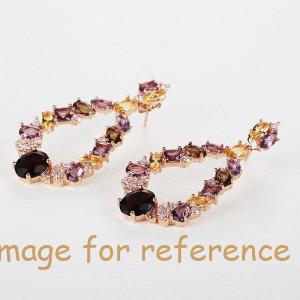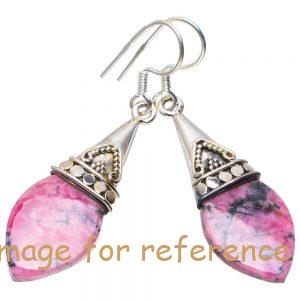
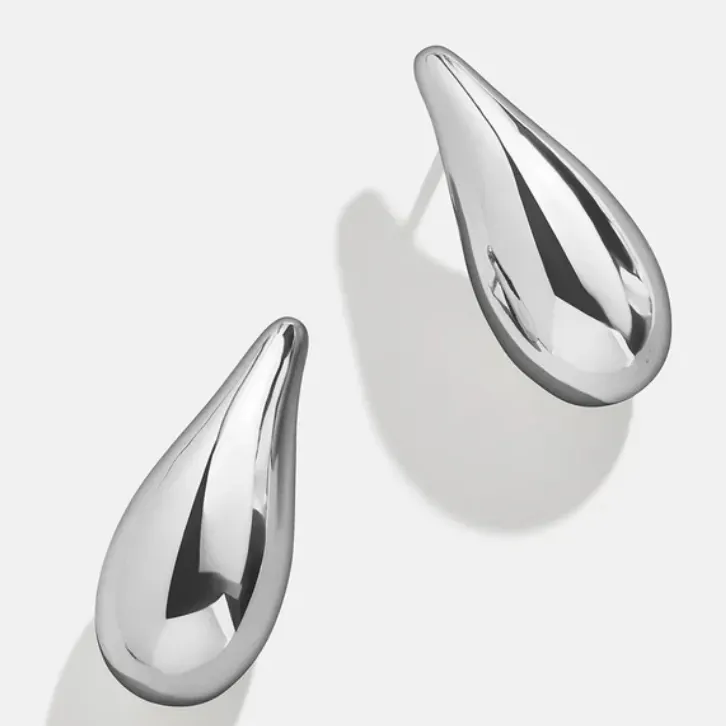
Jingying : Cercei Ella Companii de personalizare în masă
Producătorul de bijuterii OEM/ODM Proiectarea personalizată propriile tale bijuterii
Să începem : mo@kingjy.com
JINGYING and the Ella Earrings: A Study in Mass Customization
Introducere
The jewelry industry, long defined by tradition, măiestrie, și exclusivitate, finds itself at a critical crossroads. On one side, heritage houses protect century-old designs; pe de alta, a new generation of consumers demands personalization, viteză, și transparență. This tension has given rise to a powerful business strategy: personalizare în masă. This article examines the concept through two distinct lenses: the "Ella Earrings," a product name shared across multiple artisanal brands, and JINGYING, a Chinese jewelry manufacturer that exemplifies the industrial backbone enabling customization at scale.
The Consumer-Facing Ella Earrings: A Tale of Two Products
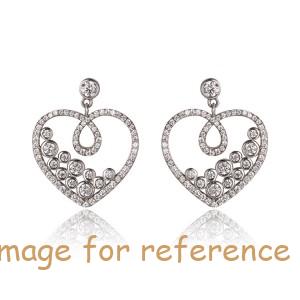
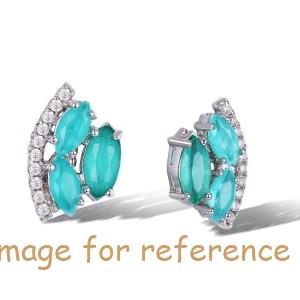
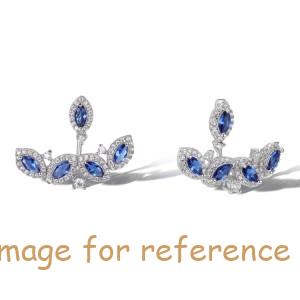
Numele "Ella Earrings" appears across the luxury accessory market, but its meaning shifts dramatically depending on the brand. La Jennifer Behr, the Ella Earring is a delicate, ready-to-wear piece featuring "two butterflies with lifelike engraved details," crafted by hand in New York from gold-tone plated brass . This version is sold as a finished product with standardized sizing and limited customization beyond standard retail options.
În contrast, Bounkit offers an entirely different proposition. Their Ella Earrings, priced at over $600, sunt "handcrafted and fully customized" cu "tassel removable bottom[s]" . Bounkit explicitly invites customers to co-create: "Every piece is individually designed and made to order, providing you with the creative freedom to bring your vision to life" . În mod similar, Australian brand Tania Maras offers an "Ella" pearl earring that can be "customised to suit you," with modifications to size and details discussed on a case-by-case basis .
These examples illustrate the spectrum of customization in the jewelry sector. At one end lies the "configure-to-order" model (Jennifer Behr), unde produsul este fix dar producția este realizată la comandă. La celălalt se află "co-proiectare" model (Bounkit, Tania Maras), unde clientul influențează direct designul. Ambele sunt forme de personalizare în masă, dar necesită capacități foarte diferite ale lanțului de aprovizionare .
Jingying: Motorul OEM/ODM din spatele personalizării
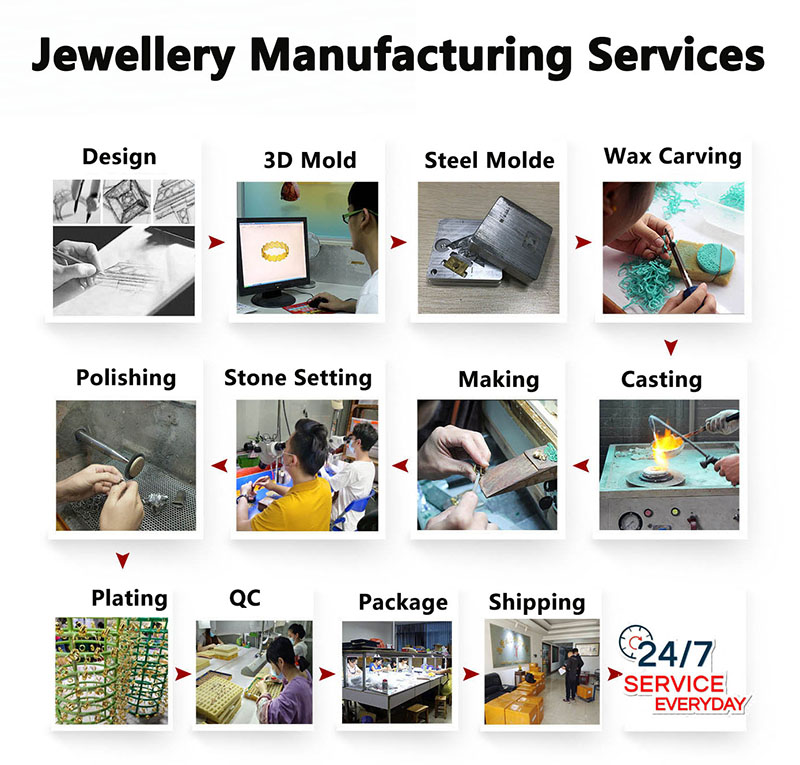
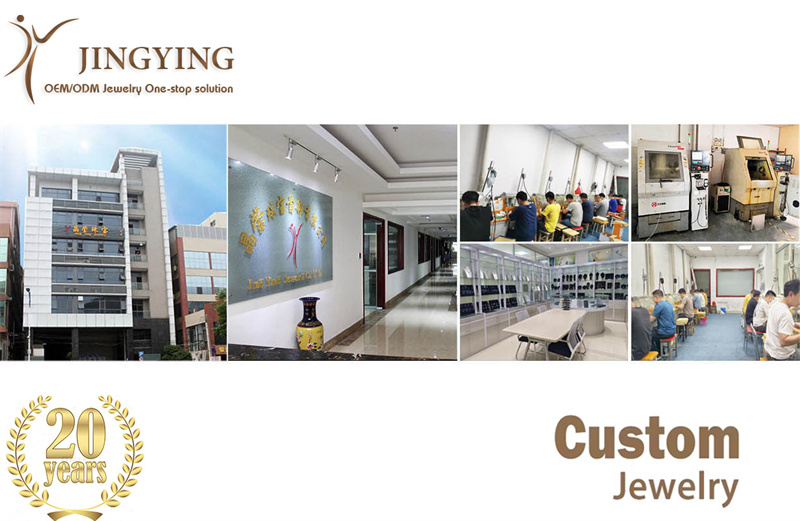
Dacă mărci precum Bounkit reprezintă fața publică a personalizării, Bijuterii JINGYING reprezintă infrastructura ascunsă. Înființată în 1998, JINGYING este un producător cu sediul în Guangzhou, care oferă OEM/ODM unic (Producator de echipamente originale / Producator de design original) servicii . Ele nu vând direct consumatorilor; în schimb, acestea permit altor mărci să ofere bijuterii personalizate.
Capacitatea de bază a lui JINGYING constă în flexibilitatea materialului. Ei produc în "cupru placat cu aur, argint veritabil (925) placat cu aur, și opțiuni potențial de aur solid," inclusiv 9K, 10K, 14K, și aur de 18K . Acest lucru permite unui brand precum Bounkit să ofere clienților opțiuni de tip metal, placare, și întărirea pietrei fără a deține o turnătorie. Serviciul JINGYING include în mod explicit capacitatea de a "create a great art jewelry collection in fine jewelry making using just your thoughts, fotografii, sau modele CAD" .
This is the essence of the "masa" in mass customization. JINGYING leverages over two decades of experience and a scalable factory setup to produce small batches (or even single pieces) la prețuri competitive . They absorb the complexity of material sourcing, casting, placare, și controlul calității, allowing brands to focus on design, marketing, and customer interaction.
Technology as an Enabler: From CAD to 3D Printing
The technical feasibility of mass customization in jewelry has advanced dramatically through digital technologies. Research on the "Jewelcodesign" concept highlights how "personalizare în masă, social networking, ecommerce and rapid manufacturing (a.k.a. 3imprimare D) were applied in a context of precious jewellery" . The study found that customers "enjoyed the codesign experience" and were "pleasantly surprised with their designs" .
More recent academic work on computational design and additive manufacturing demonstrates how "customers who want to personalise the items themselves" can modify digital models, activarea "a new, engaging, and interactive shopping experience" . This process often involves creating a CAD model that can be "3D printed in wax and cast in a precious metal of choice" . JINGYING explicitly invites clients to submit "Proiecte CAD" for production , indicating that they are integrated into this digital workflow.
Another critical concept is pre-assembly, which involves "shipping products immediately upon receiving customer orders" . While brands like Bounkit make pieces "made to order" from scratch , JINGYING's role likely includes maintaining a degree of modularity in production. Pre-assembled components (De ex., generic settings or chains) can be quickly customized with specific stones, gravuri, or finishes, reducing lead time for the end customer .
The "Ella" Caz: A Framework for Analysis
The discrepancy between the Jennifer Behr Ella Earrings and the Bounkit Ella Earrings is not merely a matter of style; it is a reflection of the supply chain model. Jennifer Behr's version is a standardized SKU produced in larger batches, likely with a traditional manufacturing partner. Bounkit's version, Cu toate acestea, relies on a partner like JINGYING or a similar high-flexibility OEM.
By offering customization, Bounkit can increase the perceived value of their product ($608.88 vs. Jennifer Behr's $198) while managing inventory risk—they make each piece after an order is placed . This is a classic application of mass customization theory: postponement. JINGYING's ability to switch between materials (aur, argint, cupru) and processes (casting, placare, Piatra de piatră) allows Bounkit to offer the "tassel removable bottom" şi "vintage and art deco-inspired design" that defines their unique product .
Concluzie
The case of the Ella Earrings and JINGYING Jewelry reveals that mass customization in the jewelry industry is not a single process but a collaborative ecosystem. It relies on:
-
Brand Intermediaries (Bounkit, Tania Maras) that curate the customer experience and collect customization requests.
-
Manufacturing Partners (Jingying) that provide the material expertise, flexible production lines, and digital integration (CAD/CAM) necessary to execute those requests at scale.
-
Tehnologie (3imprimare D, computational design) that lowers the cost of producing unique geometries.
Pentru consumator, this means the Ella Earrings can be a fixed-price luxury good or a unique, co-created heirloom. For the industry, it signals a shift from "made to stock" la "made to order"—a shift where companies like JINGYING are not just suppliers but strategic partners in the personalization economy. As one study noted, mass customization allows "a more detailed cost and price management," which is essential for profitability . The future of luxury lies not in uniformity, but in the ability to deliver individuality—efficiently, frumos, and at scale.