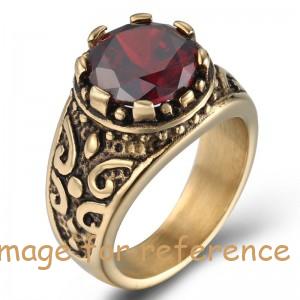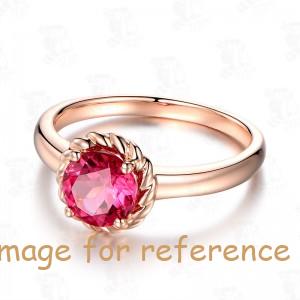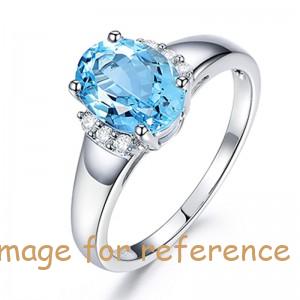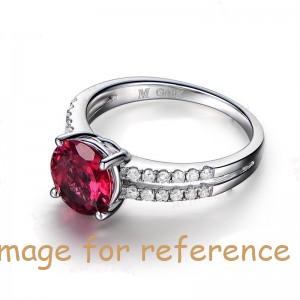
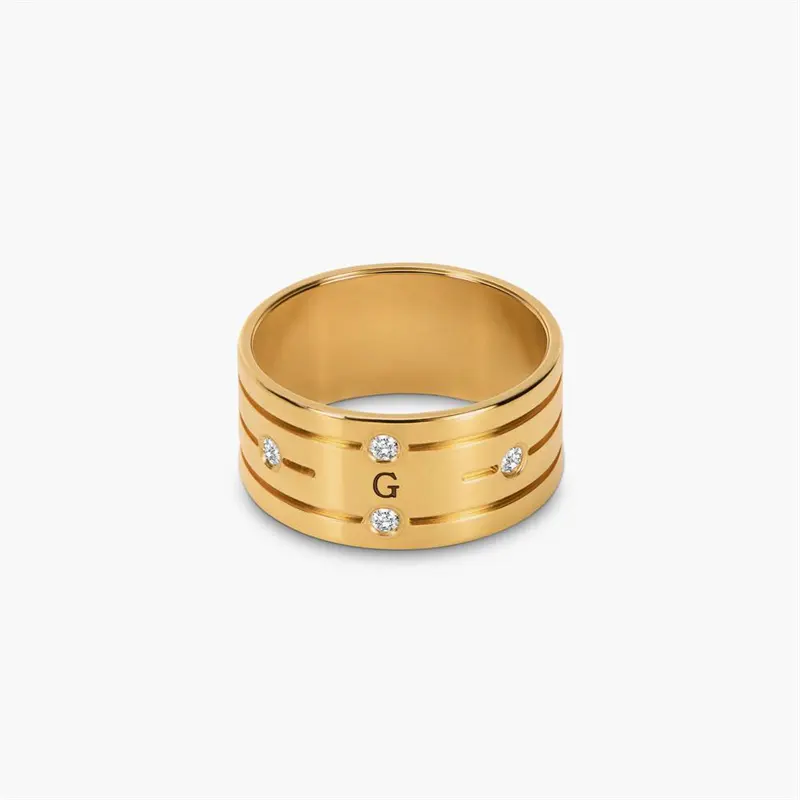
Jingying: O fabricante OEM de prata esterlina gravada ou anel de latão com CZ - Ouro
OEM/ODM Jóias Fabricante Design personalizado suas próprias jóias
Vamos começar : mo@kingjy.com
From Digital Concept to Luxury Heirloom: The Complete Manufacturing Guide for Engraved Sterling Silver & Gold Vermeil Rings with CZ at JINGYING
Introdução: The Architecture of Modern Manufacturing
Na indústria global de joias, the gap between a designer’s sketch and a finished product is measured in microns of precision and years of工艺 mastery. For brands looking to produce high-end pieces—specifically engraved sterling silver rings set with Cubic Zirconia (Cz) and finished in Gold Vermeil—choosing the right manufacturing partner is not merely a logistical decision; it is a creative one.
Jingying (also known as Chingying Jewelry) has emerged as a leading one-stop OEM/ODM manufacturer in Guangzhou, China, serving over 200 marcas em 35 países . Com mais 23 anos de experiência, JINGYING specializes in transforming raw materials like 925 sterling silver and 18k gold into durable, hipoalergênico, and fashion-forward pieces .
Este guia fornece uma visão abrangente, aprofundamento técnico passo a passo sobre como JINGYING fabrica um produto complexo: um Anel de prata esterlina gravado com pedras CZ, finalizado com Ouro Vermeil. Exploraremos a intersecção da fundição tradicional por cera perdida, galvanoplastia de precisão, e rigoroso controle de qualidade que define a produção moderna de joias de alta qualidade.
Fase 1: Fornecimento de materiais e a base da qualidade (Padrões Vermeil)
Antes que qualquer metal seja derretido ou qualquer pedra seja endurecida, as matérias-primas devem atender a especificações rigorosas. O termo "Ouro" é legalmente definido; não é apenas "banhado a ouro." De acordo com as diretrizes da FTC e as diretrizes internas da JINGYING "Padrão JINGYING," Vermeil requer uma base de prata esterlina (92.5% prata pura) revestido com uma camada substancial de ouro - especificamente, uma espessura mínima de 2.5 microns, though JINGYING often pushes this to 3.0–5.0 microns for luxury durability .
1.1 O Metal Básico: 925 Prata de lei
Fontes de jingante 925 prata de lei, uma liga de 92.5% prata pura e 7.5% cobre (para força). The copper content is crucial; while it hardens the soft silver, it also makes the piece susceptible to tarnishing if not properly plated .
-
Verificação: Na chegada, every batch of silver is tested using X-Ray Fluorescence (Xrf) analyzers to verify the 92.5% pureza. This eliminates the risk of counterfeit or diluted metals entering the production line .
1.2 A camada dourada (Vermeil)
For the Vermeil finish, JINGYING utilizes high-purity 18k or 22k gold for plating. The higher karat gold is softer and richer in color, providing a deeper yellow hue than standard 14k plating .
1.3 As pedras preciosas: Zircônia cúbica (Cz)
Unlike natural gems which have variable inclusions, JINGYING uses lab-grown Cubic Zirconia. This allows for perfect clarity, consistent sizing, and high refractive index (brilhar) at scale. For a high-end finish, the CZ is often sorted using optical sorting machines to ensure that stones on the left side of the ring match the right side within 0.1mm .
Fase 2: Projeto & Prototipagem (CAD to Wax)
The journey of your specific ring begins in the "Digital Atelier." JINGYING employs a team of engineers who use RhinoGold and Matrix software to translate sketches into production-ready CAD files .
2.1 The Engineering Review
This is a critical step that distinguishes JINGYING from low-cost competitors. The engineering team reviews the file for "Design para Excelência" (DfX).
-
Stone Setting Geometry: If the design calls for a channel-set or pave CZ ring, the CAD engineer adjusts the prong thickness. Para durabilidade, a prong originally designed at 0.3mm is often thickened to 0.5mm to prevent bending during wear .
-
Engraving Depth: For the engraved element (logos or patterns), o CAD deve especificar uma profundidade não inferior a 0,2 mm. Se a gravação for muito rasa, será polido; se for muito profundo, enfraquece a estrutura do anel.
2.2 Prototipagem (Impressão 3D SLA)
Assim que o CAD for finalizado, o arquivo é enviado para impressoras 3D SLA/DLP de alta resolução. A impressora constrói um modelo de resina semelhante a cera do anel .
-
O "Primeiro artigo" Verificar: O cliente aprova este protótipo físico de resina. Esta é a última chance de sentir a ergonomia e a escala antes da fundição do metal.
-
Criação de molde de borracha: Para pedidos que excedam 100 pedaços, JINGYING converte a resina mestre em um molde de borracha vulcanizada. Isso permite a injeção de cera em alta velocidade, produzindo centenas de cópias de cera idênticas para produção em massa .
Fase 3: Casting – Do Fogo à Forma (Processo de cera perdida)
Com os modelos de cera prontos, o chão de fábrica se move para o "Casa de elenco" – um ambiente de alta temperatura onde a cera é substituída por prata sólida.
3.1 A árvore de cera
Anéis de cera individuais são cuidadosamente fixados a uma cera central "jito" (um bastão de cera), criando uma árvore de cera. Esta árvore foi projetada para permitir que o metal fundido flua uniformemente para cada cavidade .
3.2 Investimento e esgotamento
A árvore de cera é colocada em um frasco de aço e vazada com gesso "investimento" material. Uma vez endurecido, o frasco é colocado em um forno aquecido a aproximadamente 800°C.
-
O esgotamento: O calor extremo vaporiza a cera, deixando para trás uma cavidade negativa perfeita do anel dentro do gesso .
3.3 Fundindo a Prata
JINGYING usa máquinas de fundição a vácuo ou rodízios centrífugos. O 925 prata esterlina é derretida em um cadinho até ficar líquida. O molde de gesso é girado rapidamente enquanto a prata é despejada; centrifugal force and vacuum suction pull the liquid metal into the microscopic cavities, ensuring even the fine details of the engraving and prongs are filled .
Fase 4: Pre-Finishing and Stone Setting
The raw casting emerges from the plaster black and rough. It is now a metal "árvore" of rings.
4.1 Cutting and Tumbling
Skilled artisans cut each ring off the tree using a saw. The rough edges where the ring met the sprue (o "button") are filed down.
-
Caindo: The raw rings are loaded into a tumbler with steel shot, água, e composto de polimento. This machine rotates for hours, work-hardening the silver surface and grinding away the casting skin, leaving a preliminary smooth shine .
4.2 Gravação a Laser
Depending on the complexity, engraving may happen here.
-
Deep Engraving: For deep, tactile engravings, a CNC machine or laser engraver etches the pattern directly onto the metal.
-
Surface Texture: For a matte or satin finish on the engraved areas, artisans use abrasive brushes to create contrast against the polished gold.
4.3 Setting the Cubic Zirconia
This is the most delicate manual step. JINGYING employs specialized setters working under microscopes.
-
Micro-Pavé / Configuração de ponta: Using a pneumatic hammer or graver, the setter raises tiny grains of silver metal over the edge of the CZ to lock it in place .
-
Verificação de segurança: Every single stone is physically probed by the setter. According to JINGYING protocols, a steel needle is used to beat the stone one by one to ensure no "balanço" or movement. They also perform a drop test from 3 meters on sample pieces to guarantee the CZ will not fall out during daily wear .
Fase 5: The Alchemy of Gold Vermeil Plating
The silver ring is now beautiful, but it is raw silver. To become "Ouro," deve passar por galvanoplastia. JINGYING enfatiza que o chapeamento é 90% limpeza .
5.1 O Ritual de Preparação
Se o anel estiver revestido com uma partícula de poeira ou óleo, o ouro vai descascar.
-
Limpeza Ultrassônica: Os anéis são submersos em soluções alcalinas aquecidas com ondas sonoras de alta frequência que removem a sujeira microscópica das configurações CZ e das fendas de gravação.
-
Eletrocleaning: O anel se torna um eletrodo em um banho químico. A corrente elétrica cria bolhas de gás hidrogênio que eliminam fisicamente as impurezas restantes. .
-
O teste de quebra de água: Os operadores realizam uma auditoria onde um anel limpo é enxaguado com água deionizada. Se a água formar uma camada contínua, filme ininterrupto, a superfície é perfeita. Se a água formar gotas, a contaminação permanece, e o anel é enviado de volta para nova limpeza .
5.2 O processo de eletroplicação
Os anéis limpos são montados em racks especializados (cátodos) and submerged into a tank of potassium gold cyanide solution.
-
Densidade Atual: Usos jingying "Chapeamento de pulso" rectifiers. Instead of constant direct current, pulse plating sends bursts of electricity. This creates a denser, mais difícil, and smoother gold deposit with fewer pores .
-
Thickness Build: The ring remains in the tank for a controlled duration (often 3–15 minutes) to achieve the 3-micron thickness required for Vermeil. Many competitors stop at 0.5 microns ("flash plating"), but JINGYING’s process ensures legal Vermeil status and longevity (often lasting 1+ years of wear) .
-
Color Matching: Ouro amarelo, ouro rosa, ou ouro branco (Ródio) finishes are available by adjusting the metal salts in the solution.
Fase 6: Quality Control and The Final Inspection
Em jingying, QC is not a single department; it is a culture integrated into every station. A 10-engineer team performs checks at each process .
6.1 The 7-Point Checklist
Before a ring is packaged, it faces a gauntlet of tests :
-
Verificação de dimensão: Digital calipers verify the inner diameter (ring size) and outer width.
-
Segurança de Pedra: As mentioned, a mechanical probe tests every CZ.
-
Adesão de chapeamento: A random sample is subjected to a "teste de fita" or a thermal shock test. If any gold flakes off, the entire batch is rejected and stripped in a reverse-plating bath to start over.
-
Micron Thickness Test: An XRF analyzer scans the ring to digitally verify the gold layer is between 3 e 5 microns. The client receives a printed report from this machine .
-
Visual Aesthetics: Sob 10x de ampliação, inspectors check for "orange peel" efeito (bumpy plating), arranhões, or missed spots in the engraving.
-
Teste de usabilidade: The ring is slid onto a mandrel to check for sharp edges inside the shank (the part touching the finger) that would irritate the skin.
-
Final Steam Clean: A high-pressure steam blast removes all handling fingerprints and dust.
6.2 Teste de spray de sal e suor
Para clientes que necessitam de joias médicas ou esportivas, JINGYING realiza testes de corrosão acelerados. O anel é colocado em uma câmara de névoa salina para 24-48 horas. Porque a prata esterlina é hipoalergênica e a camada de ouro é espessa, o anel resiste a deixar a pele verde ou corroída .
Fase 7: Logística e Embalagem
Uma vez aprovado, os anéis entram no departamento de acabamento.
7.1 Embalagem personalizada
JINGYING oferece uma solução completa, incluindo embalagem. Os anéis são colocados em polybags personalizados ou caixas luxuosas.
-
Antimanchas: As sacolas geralmente incluem tiras anti-manchas para evitar que a base prateada oxide antes da venda.
-
Rotulagem: Códigos de barras, Números de SKU, e "Ouro" selos (Por exemplo, "925" com uma marca registrada) são adicionados .
7.2 Cumprimento Global
Com 45% do seu volume indo para a América do Norte, JINGYING é bem versado em logística. Eles oferecem DDP (Entrega entregue) envio, o que significa que o cliente não precisa lidar com desembaraços aduaneiros complexos .
PRODUÇÃO LEITO DE LEVAÇÃO:
-
Prototipagem: 7–10 dias.
-
*Produção em massa (500-1000 peças):* 25–35 dias .
Conclusão: Por que a fabricação de precisão é importante
Fabricar um anel de prata esterlina gravado com CZ e ouro vermeil é um casamento de química (revestimento), física (elenco), e arte (contexto). Em jingying, o processo é projetado para eliminar variáveis. Através de rigorosa verificação de material (Teste XRF), engenharia avançada (Projeto CAD & revestimento de pulso), e inspeção manual implacável (teste de pedra com agulha de aço), A JINGYING produz joias que não apenas parecem caras - elas também fica lindo.
Para marcas que buscam escalar, JINGYING oferece não apenas uma fábrica, mas uma parceria que transforma designs 3D em luxo físico, garantindo que cada anel que sai das instalações de Guangzhou atenda aos "Padrão JINGYING" de excelência.