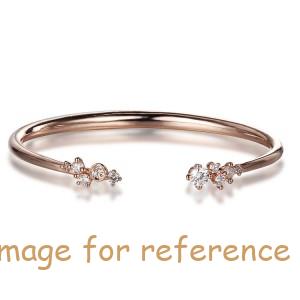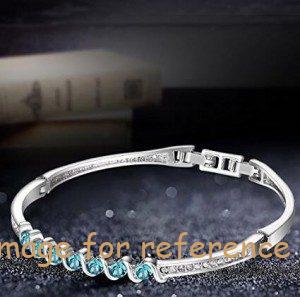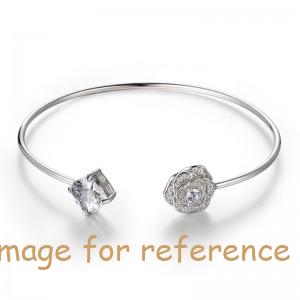

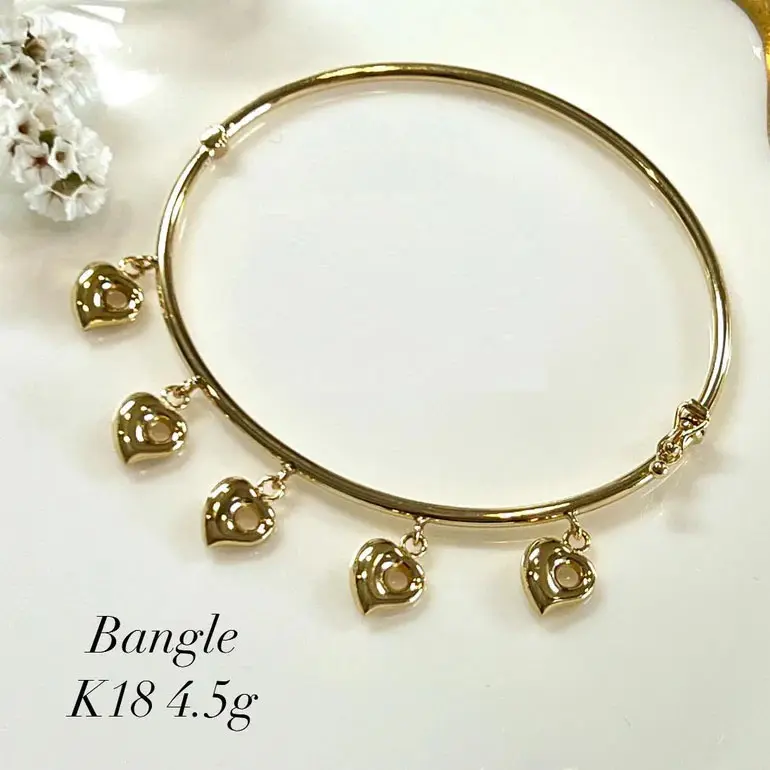
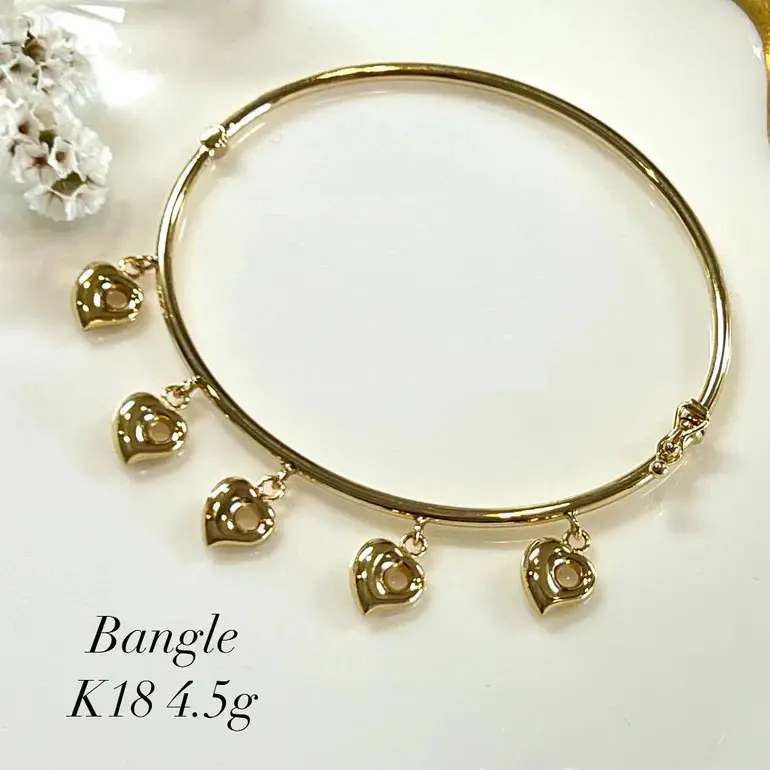
Niestandardowa bransoletka Monaca 18-karatowego klienta z Japonii od producenta biżuterii JINGYING
Producent biżuterii OEM/ODM Design Projekt własnej biżuterii
Zacznijmy : mo@kingjy.com
Sztuka współpracy: Wykonanie niestandardowej bransoletki Monaca 18-karatowej Mini Monaca dla klienta z Japonii z biżuterią JINGYING
W zawiłym świecie produkcji szlachetnej biżuterii, Niewiele relacji jest tak wymagających – i satysfakcjonujących – jak te nawiązane z japońskimi klientami. Rynek japoński jest znany na całym świecie ze swoich rygorystycznych standardów, gdzie rzemiosło zostaje podniesione do rangi sztuki, a jakość mierzy się nie w milimetrach, ale w mikronach. Kiedy japoński klient powierza producentowi niestandardowy element, nie tylko składają zamówienie; zapraszają do udziału w tradycji doskonałości, która obejmuje pokolenia. Oto historia jednej z takich współpracy: stworzenie niestandardowej 18-karatowej bransoletki Mini Monaca firmy JINGYING Jewelry, a manufacturer that has spent over two decades mastering the delicate balance between Western manufacturing efficiency and Eastern aesthetic sensibilities .
Zrozumienie japońskiego rynku biżuterii
Japan represents one of the most sophisticated jewelry markets in the world, characterized by consumers who possess an almost spiritual appreciation for quality, precyzja, and cultural nuance . Unlike many Western markets where bold statements often take precedence, Japanese jewelry buyers gravitate toward designs that embody restraint, elegancja, i znaczenie. This cultural context is essential for understanding what makes a Japanese client's custom order unique and why manufacturers like JINGYING invest considerable effort in mastering this particular market segment.
The Mini Monaca Bangle project exemplifies this dynamic. . "Monaca" język projektowania czerpie inspirację z tradycyjnej japońskiej estetyki – czystych linii, zrównoważone proporcje, i poczucie cichego wyrafinowania, które przemawia bez krzyku. . "Mini" oznaczenie jest wyrazem preferencji Japończyków dla delikatniejszych proporcji, z bransoletkami o długości zazwyczaj 16–18 cm, aby dopasować się do mniejszych nadgarstków . Ta dbałość o szczegóły antropometryczne jest nie tylko praktyczna; odzwierciedla głęboką świadomość kulturową, że biżuteria musi harmonizować z ciałem noszącego.
Znaczenie 18-karatowego złota w japońskiej biżuterii
Normy czystości złota w Japonii podlegają japońskim standardom przemysłowym (ON), które nakładają obowiązek ścisłego przestrzegania przepisów w przypadku metali szlachetnych . Wybór 18-karatowego złota do tej niestandardowej bransoletki jest istotny z kilku powodów. Pierwszy, reprezentuje równowagę Złotowłosej czystości i trwałości: Na 75% czyste złoto, 18k offers the rich color and prestige of high-karat gold while maintaining the structural integrity needed for daily wear. Drugi, Japan's regulations require clear labeling of metal purity, and 18k gold (often marked as "K18" Lub "18金") carries specific legal implications for import and sale .
JINGYING's experience with Japanese clients has necessitated the development of rigorous quality control protocols that exceed their already high standards. Every batch of 18k gold used in Japanese orders undergoes XRF (Fluorescencja rentgenowska) testing to verify metal composition and purity . The plating thickness, w stosownych przypadkach, is measured with similar precision—Japanese buyers typically expect rhodium or gold plating of at least 2-3 microns to ensure longevity, and JINGYING's electroplating labs are equipped to meet these specifications consistently .
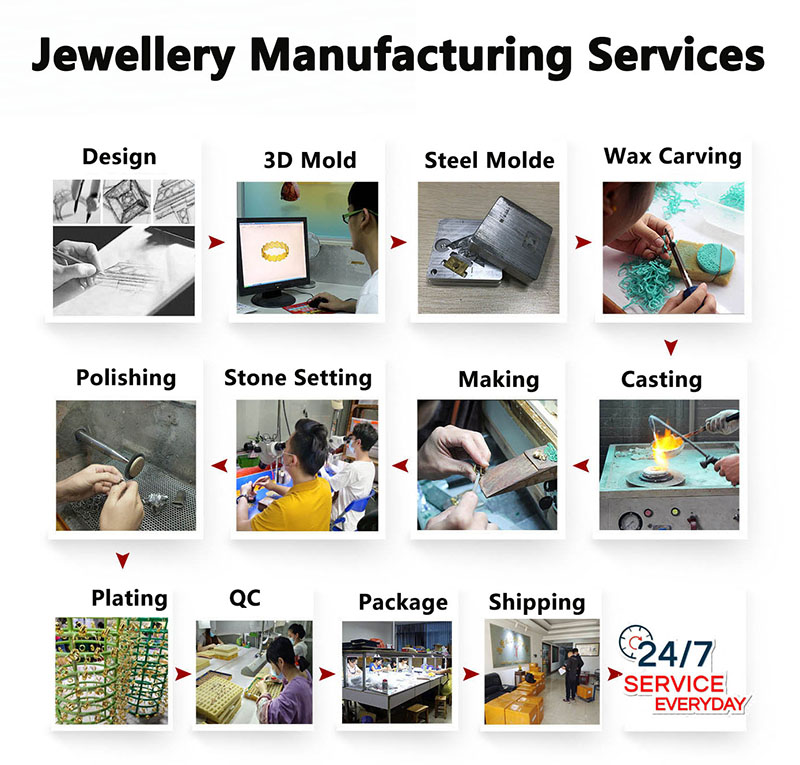
Od koncepcji do CAD: Proces projektowania
The creation of a custom bangle for a Japanese client typically begins with a collaborative design phase that reflects the indirect communication style often preferred in Japanese business culture . Rather than presenting a finalized design and asking for approval, JINGYING's designers engage in an iterative process where sketches, renderingi, and 3D models are shared progressively, allowing the client to refine the vision through subtle suggestions rather than explicit revisions.
For the Mini Monaca Bangle, the design process leveraged JINGYING's advanced CAD capabilities . Using industry-standard software including Rhino and Matrix, the design team translated the client's conceptual vision—often conveyed through mood boards and references to traditional Japanese architecture—into precise digital geometry . . "Monaca" formularz, named after the Japanese confection known for its crisp, folded shell, required particular attention to the bangle's internal and external contours to achieve a seamless, elegant profile.
What distinguishes a custom design for the Japanese market is the attention to what might seem like minor details to less demanding clients: the exact curvature of the bangle's inner surface for comfort, the precise thickness of the metal to achieve the right weight and feel, and the flawless execution of any surface textures or finishes. JINGYING's design team has learned that Japanese clients appreciate not just the finished product but the thoroughness of the development process itself .
Podróż produkcyjna
With the CAD design finalized and approved, the creation of the 18k Mini Monaca Bangle moves into JINGYING's meticulously orchestrated production workflow. For solid gold pieces like this bangle, the lost-wax casting method remains the preferred technique, though the specific steps are executed with particular care when the destination is Japan .
The process begins with 3D printing of a high-resolution resin prototype. JINGYING utilizes advanced SLA or DLP printers capable of capturing the subtle curves and precise dimensions of the Monaca design . This physical model serves as the master for creating the investment mold, which is then baked in a kiln to eliminate the resin and prepare the cavity for molten 18k gold.
Casting 18k gold requires careful temperature control and the use of vacuum or centrifugal casting equipment to minimize porosity—a particular concern for Japanese clients who inspect pieces under magnification . The gold itself is sourced from certified suppliers with documentation of purity and responsible sourcing, a requirement that has become increasingly important for Japanese import compliance .
The Art of Hand-Finishing
Perhaps the most critical phase in manufacturing jewelry for the Japanese market is the finishing process. While advanced technology enables precise casting, it is the skilled hands of artisans that elevate a piece from well-made to exceptional. JINGYING employs over 100 skilled craftspeople who specialize in various aspects of jewelry finishing .
For the Mini Monaca Bangle, the finishing process would involve several stages. The raw casting is first tumbled with stainless steel shot to smooth the surface and remove the casting skin. Then begins the meticulous hand-polishing work—a process that can take hours for a single bangle. Japanese clients typically expect a mirror finish with absolutely no visible scratches, tool marks, or unevenness, even under magnification .
Any stone setting, if the design includes gemstones, is executed by specialized setters who work under microscopes to ensure each prong or bezel is perfectly aligned . Given Japan's strict regulations regarding nickel content and allergens, JINGYING ensures all materials used in setting—solders, stopy, and plating solutions—are compliant with Japanese standards that effectively mirror the EU Nickel Directive .
Cultural Considerations in Production
Throughout the manufacturing process, JINGYING navigates a complex landscape of cultural expectations that go far beyond the physical product. Japanese business culture places enormous value on reliability, punctuality, and follow-through . A promised delivery date is treated as a commitment, not a suggestion. JINGYING's project management system includes regular production updates and real-time communication with clients to ensure there are no surprises.
Ponadto, the packaging and presentation of the finished piece carry weight in the Japanese market. Luksusowe pudełka na prezenty, woreczki przeciw matowieniu, and the inclusion of certificates of authenticity are standard expectations . JINGYING oferuje rozwiązania w zakresie opakowań pod marką własną, które pozwalają japońskim markom prezentować gotową bransoletkę w opakowaniu, które odzwierciedla tożsamość ich własnej marki, spełniając jednocześnie wysokie oczekiwania klientów .
Kontrola jakości zamówień japońskich jest wyjątkowo rygorystyczna. Każdy element przechodzi weryfikację wymiarową w oparciu o zatwierdzone specyfikacje CAD, kontrola wykończenia powierzchni pod powiększeniem, i badanie integralności konstrukcji . Za kawałki złota, grubość poszycia jest weryfikowana za pomocą analizy XRF, aby upewnić się, że spełnia uzgodnione specyfikacje. Bezpieczeństwo kamienia jest testowane, aby upewnić się, że każde ustawienie jest wystarczająco bezpieczne, aby wytrzymać codzienne zużycie.
Zapewnienie jakości: Ostateczna granica
Zanim ukończona bransoletka Mini Monaca zostanie wysłana do Japonii, podlega protokołowi wielopunktowej kontroli JINGYING. This includes dimensional accuracy checks using precision measuring equipment, surface finish inspection under specialized lighting, and verification of any hallmarking or purity stamps . The bangle is then professionally cleaned and prepared for packaging.
The quality expectations for Japanese clients often exceed those of other markets. Minor scratches that might pass unnoticed in other jurisdictions can lead to rejection in Japan . JINGYING's quality control team has developed specific expertise in identifying and rectifying the types of imperfections that Japanese inspectors are trained to spot. This attention to detail is not merely about avoiding returns; it is about building the long-term trust that is essential for sustained relationships in Japanese business culture.
For the 18k Mini Monaca Bangle, final inspection would include verifying the metal purity mark (zazwyczaj "K18" Lub "750"), checking the overall weight against specifications, and confirming that the piece matches the approved dimensions within acceptable tolerances. Any plating is checked for uniformity and thickness, and the overall aesthetic is evaluated to ensure it meets the client's expectations.
Budowanie długoterminowych partnerstw
JINGYING's experience in serving Japanese clients has taught the company that each order is not just a transaction but an opportunity to build a lasting relationship. The Japanese market values consistency and reliability above all else, and manufacturers who demonstrate these qualities can build partnerships that span decades .
The creation of the custom 18k Mini Monaca Bangle represents this philosophy in action. Każdy etap procesu – od wstępnych konsultacji projektowych po końcową kontrolę jakości – został przeprowadzony przy założeniu, że zaufanie klienta nie tylko zostało zdobyte, ale i chronione. Dbałość o szczegóły, przestrzeganie japońskich standardów, i zobowiązanie do oczyszczenia, uczciwa komunikacja odzwierciedla wartości, które uczyniły JINGYING zaufanym partnerem japońskich jubilerów.
Ponieważ japoński rynek biżuterii stale ewoluuje, łącząc tradycyjną wrażliwość estetyczną ze współczesnymi innowacjami projektowymi, producenci tacy jak JINGYING będą odgrywać coraz ważniejszą rolę w urzeczywistnianiu tych wizji. Niestandardowa bransoletka Mini Monaca 18-karatowa to coś więcej niż biżuteria; jest świadectwem tego, co można osiągnąć dzięki rzemiosłu, technologia, i zrozumienie kulturowe zbiegają się w służbie wspólnej wizji doskonałości .
W końcu, miarą sukcesu takiego projektu jest nie tylko bezbłędne wykonanie fizycznego elementu, ale także pewność klienta, że znalazł partnera produkcyjnego, który rozumie jego potrzeby, szanuje ich standardy, i będę tam przy następnym projekcie, i ten po nim. Jest to fundament, na którym JINGYING zbudował swoją reputację na jednym z najbardziej wymagających rynków jubilerskich na świecie