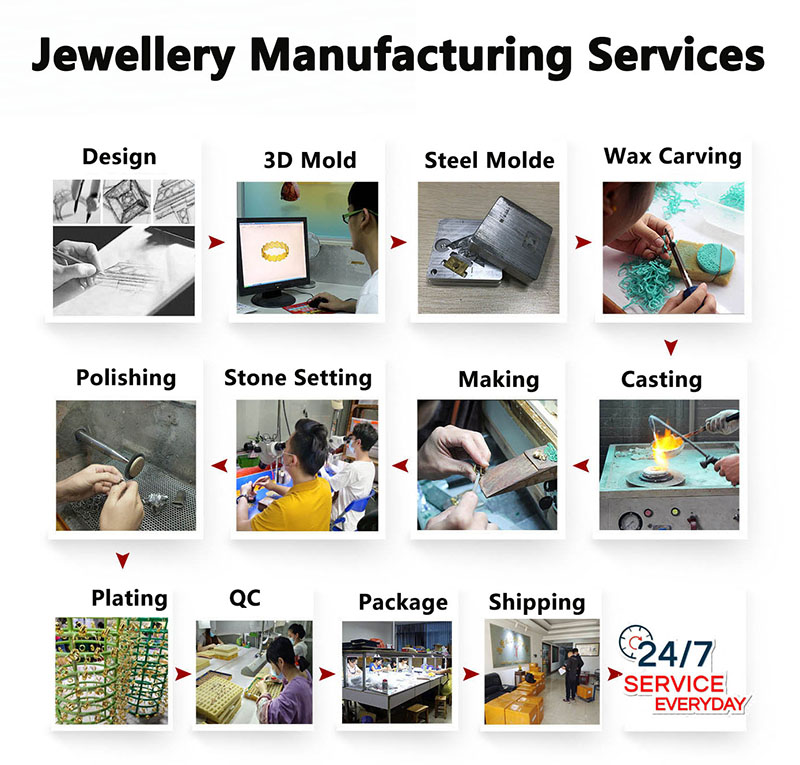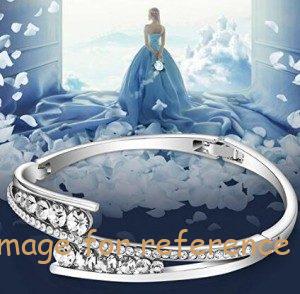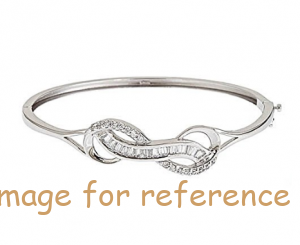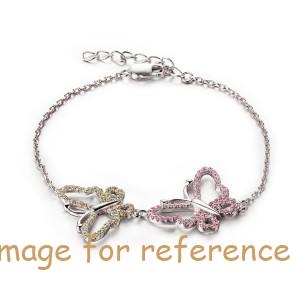

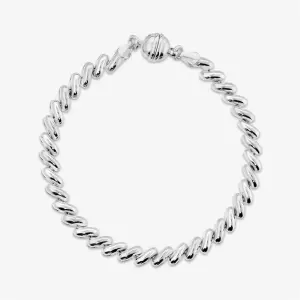
Niestandardowa bransoletka z łańcuszkiem San Marco w kolorze srebrnym

Producent biżuterii OEM/ODM Design Projekt własnej biżuterii
Zacznijmy : mo@kingjy.com
Geometria elegancji: Niestandardowa bransoletka z łańcuszkiem San Marco firmy JINGYING, wykonana ze srebra
Wstęp
W rozległym ekosystemie produkcji biżuterii, niektóre projekty osiągają status ikonicznych nie dzięki poparciu celebrytów lub trendom wirusowym, ale poprzez czysty geniusz ich mechanicznej geometrii. Jednym z takich archetypów jest łańcuch San Marco. Znany z rzeźbiarstwa, niemal architektoniczna obecność, ten łańcuch — charakteryzuje się skręceniem, zazębiające się ogniwa przypominające serię ciągłych spiral — są podstawą włoskiego wzornictwa od XX wieku .
Dla marek, które chcą wypełnić lukę pomiędzy klasyczną europejską estetyką a nowoczesnymi wymaganiami handlu detalicznego, pozyskanie wysokiej jakości bransoletki San Marco jest wyzwaniem inżynierii precyzyjnej. Wpisz JINGYING, doświadczony producent z ponad 23 lat doświadczenia w produkcji OEM/ODM, Specjalizowanie się w 925 Srebro . W tym artykule omówiono skomplikowany proces techniczny związany z produkcją niestandardowej bransoletki z łańcuszkiem San Marco przez firmę JINGYING, szczegółowo opisując, jak surowy srebrny drut przekształca się w świetlisty, wytrzymały, i luksusowy dodatek, który konkuruje z domami premium, takimi jak LARNAUTI i Zales .
Rozdział 1: Dziedzictwo łącza San Marco
Przed badaniem metalurgii, trzeba zrozumieć anatomię łańcucha. Połączenie San Marco jest często opisywane jako "pokręcony" Lub "zakrzywiona spirala" . W przeciwieństwie do standardowego łańcucha kablowego (okrągłe lub owalne ogniwa), łącze San Marco jest otwarte, kształt spiralny. Po podłączeniu, te linki układają się w stos naprzemienny, tworząc teksturę przypominającą linę, która jest jednocześnie elastyczna i sztywna – wystarczająco elastyczna, aby elegancko układać się na nadgarstku, a jednocześnie wystarczająco sztywny, aby utrzymać wypolerowany, masywna sylwetka .
Historycznie nazwany na cześć słynnego Piazza San Marco w Wenecji, ten styl łańcuszka był tradycyjnie wykonany ze złota . Jednakże, współczesny rynek wymaga chłodnego połysku i przystępnej ceny srebra najwyższej próby. W Jinging, produkcja tego łańcucha nie jest traktowana jako zwykły odlew, ale jako mechanika precyzyjna. Celem jest osiągnięcie "szlifowany diamentowo" efekt – ostry, skośne fasety srebra, które odbijają światło ze wszystkich stron – co jest cechą charakterystyczną najwyższej jakości bransoletki San Marco .
Rozdział 2: Wybór materiału — dlaczego 925 Srebro
Podstawą każdej wspaniałej biżuterii jest jej stop. Do niestandardowej bransoletki San Marco, JINGYING wykorzystuje 925 Srebro. Stop ten zawiera 92.5% czyste srebro i 7.5% miedź (lub inne metale) . Ten specyficzny stosunek jest krytyczny dla stylu San Marco z dwóch powodów:
-
Wykonalność: Czyste srebro jest zbyt miękkie. Skręcony charakter ogniwa San Marco wymaga metalu, który wytrzyma zginanie i naprężenia bez pękania. Zawartość miedzi zapewnia niezbędną wytrzymałość na rozciąganie.
-
Waga: San Marco jest "gruby" łańcuch. Opiera się na wyczuciu istoty. Srebro najwyższej próby zapewnia satysfakcjonującą wagę, która sygnalizuje jakość konsumentowi końcowemu .
Ponadto, JINGYING kładzie nacisk na właściwości hipoalergiczne. Mosiądz jest opcją w przypadku pozłacanej biżuterii kostiumowej, linia do produkcji srebra skupia się na biokompatybilności, zapewniając, że bransoletka jest bezpieczna dla wrażliwej skóry. JINGYING pozyskuje drut o stałej średnicy – jest to czynnik niepodlegający negocjacjom w zautomatyzowanym procesie tworzenia połączeń .
Rozdział 3: Proces produkcji — od drutu po nadgarstek
Produkcja niestandardowego łańcuszka San Marco to wieloetapowy balet mechanicznej precyzji i ręcznego wykończenia. W przeciwieństwie do zwykłego stemplowania, połączenie San Marco wymaga trójwymiarowej deformacji.
Krok 1: Inżynieria CAD & Dostosowywanie
Każde zamówienie rozpoczyna się od określonej Długości (NP., 7.5 Cale), Szerokość (NP., 9mm gruby styl), i rodzaj zapięcia (Pazur homara to branżowy standard bezpieczeństwa) . Proces JINGYING rozpoczyna się od projektowania wspomaganego komputerowo (CHAM). Na zamówienie, klient nie wybiera tylko sieci; określają grubość drutu i skok skrętu.
Zespół inżynierów tworzy model 3D pojedynczego łącza w celu obliczenia "powrót do wiosny" efekt – tendencja srebra do powrotu do pierwotnego kształtu po zgięciu. CAD jest dostosowany tak, aby zapewnić, że po cięciu i skręceniu, łącze utrzymuje dokładnie wymaganą geometrię spirali .
Krok 2: . "Pożywny" i ciągnienie drutu
W przeciwieństwie do tanich pustych łańcuchów, które łatwo się wgniatają, JINGYING stawia na solidną konstrukcję. Proces rozpoczyna się od ciągnienia drutu. Gruby pręt 925 srebro jest przeciągane przez szereg coraz mniejszych matryc, aby utworzyć drut o grubości dokładnie milimetrowej.
Do biegów specjalistycznych, JINGYING może wykorzystywać zaawansowane techniki stosowane w wysokiej klasy włoskiej produkcji, jak praca z "wypełniony" drut (gdzie srebrna rurka jest wypełniona tymczasowym rdzeniem nośnym) aby zapobiec zapadnięciu się ogniwa w fazie skręcania, choć dla luksusowych linii w kolorze solidnego srebra, drut lity pozostaje standardem premium .
Krok 3: Skręcanie i zwijanie
Łącza San Marco nie tworzy się poprzez zgięcie prostego drutu w okrąg. Wykonuje się go poprzez owinięcie srebrnego drutu wokół trzpienia w ciągłą spiralę, podobny do sprężyny. Cewka ta jest następnie cięta wzdłuż jej długości, aby wytworzyć pojedyncze pierścienie dzielone.
Tutaj, geometria się zmienia: Linki nie są płaskie. Są "pokręcony" otwarte pętle. Następnie maszyny JINGYING je pobierają "C" kształtuje i łączy je. W przeciwieństwie do łańcucha rolo, w którym ogniwa leżą płasko, łącza San Marco są obracane 90 stopni w stosunku do sąsiada. To naprzemienne układanie jest tym, co tworzy charakterystyczny charakter "spirala" efekt wizualny .
Krok 4: Lutowanie i bębnowanie
Raz złożone luźno, łańcuch jest wyjątkowo delikatny. Każde ogniwo musi być zlutowane, aby utworzyć ciągłą strukturę rozciągającą. Często odbywa się to za pomocą automatycznych maszyn lutowniczych, które nakładają ciepło o wysokiej częstotliwości i srebrną pastę lutowniczą na każde mikroskopijne połączenie .
Po lutowaniu, łańcuch wchodzi do "koziołkujący" scena. Bransoletka umieszczona jest w obrotowej lufie wypełnionej śrutem ze stali nierdzewnej i smarem mydlanym. Proces ten realizuje dwie rzeczy: poleruje powierzchnię, usuwanie utleniania z ciepła lutowania, i utwardza srebro, dzięki czemu łańcuch jest wystarczająco trwały do codziennego noszenia.
Rozdział 4: Sztuka szlifowania diamentów
Różnica między zwykłym srebrnym łańcuszkiem a niestandardowym elementem JINGYING polega na "Cięcie diamentów."
Jak zauważono w europejskiej literaturze patentowej dotyczącej produkcji łańcuchowej, standardowy łańcuch traci jasność podczas etapu kształtowania, ponieważ metal jest rozciągany . Aby z tym walczyć, JINGYING wykorzystuje tokarkę diamentową do cięcia po montażu. Po złożeniu i złożeniu łańcucha, podawany jest przez maszynę wyposażoną w noże ze stali węglikowej.
Te noże golą ultracienkie warstwy srebra z powierzchni ogniw, tworzenie precyzyjnych, płaskie fasety (podobny do szlifu diamentu). Na łańcuchu San Marco, te fasety są wycinane na "herb" spiralnego skrętu. Ten krok jest kluczowy, ponieważ:
-
Odbicie światła: Płaskie fasety pełnią rolę luster, odbijające światło otoczenia.
-
Tekstura: Tworzy kontrast pomiędzy matową głębią skrętu i wypolerowanymi szczytami.
Rezultatem jest bransoletka, która "wyskakuje" na nadgarstku, naśladując blask oprawy kamieni szlachetnych .
Rozdział 5: Wykańczanie powierzchni — rodowanie i polerowanie
925 Srebro jest piękne, ale jest reaktywny. Wystawienie na działanie powietrza i wilgoci powoduje matowienie (czernienie powierzchni w wyniku interakcji siarki). Aby mieć pewność, że niestandardowa bransoletka San Marco dotrze tak samo jasna jak za sześć miesięcy, JINGYING stosuje proces galwanizacji.
Warstwa rodu
Rod należy do rodziny platynowców, twardszy i bielszy niż srebro. Zmontowaną bransoletkę zanurza się w roztworze elektrolitu, w którym jony rodu osadzają się na powierzchni srebra .
-
Estetyka: Rod zapewnia "hiper-biały," lustrzane wykończenie, którego nie da się uzyskać samym srebrem.
-
Trwałość: Działa jak bariera ofiarna, zapobiegając kontaktowi srebra znajdującego się pod skórą z kwasami i powietrzem.
-
Bariera hipoalergiczna: Chociaż srebro jest ogólnie bezpieczne, rodowanie zapewnia dodatkową warstwę obojętną.
Dla klientów oczekujących dwukolorowego wyglądu, JINGYING może maskować fragmenty srebra w celu zastosowania złocenia (tworząc akcent vermeil na srebrnym łańcuszku), oferując wyjątkową odmianę klasycznego srebrnego San Marco .
Rozdział 6: Personalizacja — zaleta JINGYING
Dlaczego warto wybrać JINGYING zamiast standardowego dostawcy katalogowego? Odpowiedź brzmi Elastyczność OEM/ODM .
Inżynieria zapięć
W standardowym San Marco często stosuje się karabińczyk. Jednakże, JINGYING oferuje różne warianty: Zatrzaski magnetyczne ułatwiające dostęp, lub specjalnie zaprojektowane zatrzaski z wygrawerowanym logo sprzedawcy. Zapięcie musi odpowiadać wadze bransoletki; ciężki San Marco 9 mm wymaga grubego, solidne zapięcie zabezpieczające przed odpięciem się pod ciężarem bransoletki .
Dodawanie kamieni szlachetnych
Do niestandardowych przebiegów z wyższej półki, JINGYING włącza oprawę kamienia do produkcji San Marco. Podczas gdy sam łańcuch jest w centrum uwagi, mała markiza lub okrągła cyrkonia (CZ) lub diamenty wyhodowane w laboratorium można osadzić w złączach lub zintegrować z mechanizmem zapięcia. Srebro jest odlewane z małymi siedziskami (występy lub ramki) gdzie kamienie są hydraulicznie dociskane na miejsce, dodanie A "bransoletka tenisowa" klimat do struktury San Marco .
Opakowanie
Personalizacja obejmuje również rozpakowywanie. JINGYING oferuje prywatne etykiety — od papieru zapobiegającego matowieniu po niestandardowe wkładki piankowe ukształtowane specjalnie tak, aby utrzymać spiralną formę bransoletki San Marco, uniemożliwiając jego przemieszczanie się podczas transportu .
Rozdział 7: Kontrola jakości (QC) i badania metalurgiczne
Na rynku luksusowym, czystość jest prawdą. Każda partia niestandardowej bransoletki San Marco przechodzi rygorystyczne testy.
-
Testowanie analizatora XRF: This non-destructive test confirms that the material is indeed 92.5% srebro i 7.5% miedź. Any deviation in copper content affects the "spring" of the twist, so JINGYING ensures this ratio is precise.
-
Tensile Pull Test: A sample bracelet is placed in a machine that pulls it apart. The San Marco chain must withstand a specific kilogram-force (kgf) before the links separate. For a chunky chain, this standard is significantly higher than for a fine necklace.
-
Kontrola wzrokowa: Pod powiększeniem, inspectors check every link of the San Marco bracelet to ensure the diamond-cut facets are uniform. An uneven cut creates a "dark spot" on the bracelet—an immediate reject.
-
Hallmarking: Wreszcie, the bracelet is stamped with "925" to certify its purity, often accompanied by the JINGYING maker’s mark or the client's brand logo .
Rozdział 8: Market Positioning and Sustainability
The modern consumer is not just buying a chain; kupują etykę. Jak widać w przypadku konkurentów takich jak LARNAUTI, rynek zmierza w stronę zrównoważonego rozwoju .
JINGYING dostosował się, oferując programy recyklingu złomu srebra. Zbierane są odpady powstałe na etapach cięcia i polerowania drutu – pył srebrny i złom, stopił się, i rafinowany na nowy drut. Dzięki temu systemowi o zamkniętej pętli JINGYING może oferować produkty wykonane ze srebra pochodzącego z recyklingu, atrakcyjne dla świadomych ekologicznie marek na rynku UE i USA.
Ponadto, wykorzystując 925 srebro zamiast pozłacanego mosiądzu, JINGYING zapewnia trwałość. Srebrną bransoletkę San Marco można polerować i ponownie powlekać w nieskończoność, zrobienie z tego A "kawałek na zawsze" zamiast jednorazówki typu fast-fashion .
Wniosek
Produkcja niestandardowej bransoletki z łańcuszkiem San Marco JINGYING jest syntezą dziedzictwa weneckiego wzornictwa i chińskiej precyzji produkcji. Jest to proces, który zaczyna się od prostej szpuli 925 srebrny drut i ewoluuje pod wpływem napięcia, ciepło, i kwas w dzieło sztuki rzeźbiarskiej.
Od precyzyjnej konstrukcji naprzemiennych spiralnych ogniw po oślepiający błysk końcowego zanurzenia rodu, każdy krok jest zoptymalizowany pod kątem jednego celu: aby stworzyć bransoletkę, która będzie ciężka, wygląda genialnie, i trwa przez całe życie. Dla sprzedawców detalicznych, którzy chcą zaoferować produkt porównywalny z włoską jakością za konkurencyjną cenę hurtową, JINGYING zapewnia wiedzę techniczną, aby zamienić klasyczny projekt w nowoczesny bestseller. Niezależnie od tego, czy jest to masywny okaz o średnicy 9 mm, czy też delikatny wariant wysadzany diamentami, San Marco pozostaje świadectwem piękna inżynierii geometrycznej .