
Zrób swój własny naszyjnik z zawieszką w JINGYING: Oda do rzemiosła, Pamięć, oraz cicha rewolucja ozdób osobistych
W dobie masowej produkcji, gdzie algorytmy przewidują nasze pragnienia, a globalne łańcuchy dostaw dostarczają je do naszych drzwi w ciągu kilku godzin, istnieje głęboki i rosnący głód tego, co namacalne, wyjątkowy, i osobiste znaczenie. Nasz majątek, niegdyś znaczniki tożsamości, istnieje ryzyko, że staną się jedynie przejściowymi dodatkami do cyfrowego życia. Już, w ciszy, skoncentrowana przestrzeń warsztatu, kształtuje się ruch przeciwny, który wzmacnia ludzką rękę, indywidualną narrację, i święty akt stworzenia. W sercu tego ruchu, w miejscach takich jak JINGYING, leży proste, potężna oferta: szansę na wykonanie własnego naszyjnika z zawieszką. To nie jest tylko działalność rzemieślnicza; jest to akt filozoficzny, rytuał wyrażania siebie, i podróż do istoty tego, dlaczego się ozdabiamy.
Urok Uroku: Historia noszona blisko serca
Aby zrozumieć znaczenie tworzenia uroku, musimy najpierw docenić jego starożytny rodowód. Urok, lub wisiorek, jest prawdopodobnie jedną z najstarszych form biżuterii. Z prehistorycznych muszli nawleczonych na ścięgna, aby chronić przed złem, do egipskich skarabeuszy obiecujących odrodzenie, do bulli rzymskich chroniących dzieci, amulety zawsze były naczyniami znaczeniowymi. Służyły jako amulety, deklaracje wiary, symbole statusu społecznego, i repozytoria pamięci. Medalion zawierający portret lub kosmyk włosów, identyfikator żołnierza, odznaka pielgrzyma z odległego sanktuarium – każda była kompaktem, historia do noszenia.
Nowoczesna bransoletka i naszyjnik z zawieszkami, spopularyzowany w połowie XX wieku, kontynuował tę tradycję, stając się “pamiętnik w kolorze srebrnym lub złotym,” gdzie każdy amulet był kamieniem milowym: ukończenie szkoły, narodziny, wycieczka. Jednakże, często były to prezenty, wybrany Do noszący. Rewolucyjnym krokiem w JINGYING i podobnych studiach jest przeniesienie agencji. Ta historia nie jest tylko zużyta; został wymyślony i stworzony przez jego autora. Użytkownik staje się twórcą, a urok przekształca się z otrzymanego symbolu w odgrywany.
Sanktuarium Warsztatu: JINGYING jako nowoczesne atelier
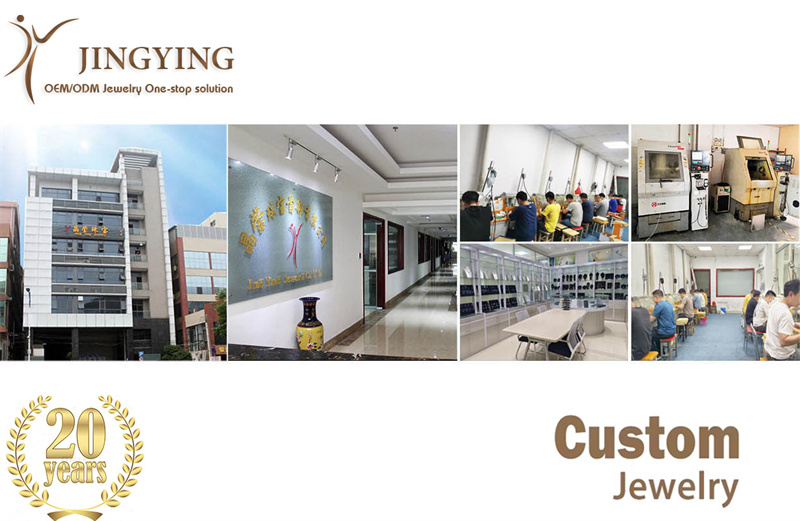
Wejście do JINGYING to zmysłowe odejście od komercyjnego szumu standardowego handlu detalicznego. Powietrze niesie słabą, czysty zapach metalu i wosku. Dźwięk nie jest odtwarzaną muzyką, ale skupioną ciszą, przerywane delikatnym brzęczeniem elastycznego wałka, delikatne uderzenie młotka, zeskrobanie pliku. Narzędzia są ułożone celowo; stoły warsztatowe, blizny od użytkowania, świadkami setek osobistych podróży. To środowisko jest starannie dobrane i nie służy do biernej konsumpcji, ale za aktywne zaangażowanie. To atelier w starym znaczeniu – warsztat mistrzowski – tyle że zdemokratyzowany. . “gospodarz” oto instruktor prowadzący, którego rolą nie jest narzucanie stylu, ale aby odblokować własną wizję ucznia.
Filozofią leżącą u podstaw tej przestrzeni jest filozofia przystępnego mistrzostwa. JINGYING działa w oparciu o przekonanie, że umiejętności tworzenia są piękne, trwała biżuteria nie jest jedyną domeną uczniów gildii, którzy trenują przez dziesięciolecia. Poprzez uproszczenie, bezpieczne techniki i instruktaż z przewodnikiem, Złożona sztuka kowalstwa jest podzielona na możliwe do osiągnięcia etapy. Casting zagubiony, piłowanie, lutowanie, Teksturowanie, polerowanie — staje się to słownictwem, którego każdy może się nauczyć. Studio udostępnia leksykon (narzędzia, przybory, techniki) tak, aby jednostka mogła skomponować swój własny wiersz w metalu.
Alchemia stworzenia: Od pomysłu do dziedzictwa
Proces tworzenia uroku w JINGYING to podróż w miniaturze, odzwierciedlający twórczy łuk każdego znaczącego przedsięwzięcia. Nie zaczyna się od ognia i metalu, ale wyobraźnią i papierem.
1. Koncepcja i projekt: Pierwszy krok jest najbardziej intymny. Siedzenie ze szkicownikiem lub formowanie miękkiego wosku w palcach, – pyta twórca, “Co chcesz powiedzieć?” Odpowiedź może być dosłowna – inicjał dziecka, odcisk łapy zwierzęcia, uproszczony zarys ukochanego pasma górskiego. Może to być symboliczny kształt geometryczny reprezentujący równowagę, organiczna forma nawiązująca do ulubionego liścia, abstrakcyjna tekstura, która jest po prostu czuje Prawidłowy. Instruktorzy pomagają przełożyć te pomysły na realne, forma do noszenia, nauczanie zasad skali, proporcja, i integralność strukturalna. Ten etap jest medytacją nad intencją, wymuszając jasność myślenia, która jest rzadka w naszym chaotycznym życiu codziennym.
2. Akt tworzenia: Tutaj teoria staje się namacalna. Jeśli używasz metody traconego wosku, powstaje delikatny model woskowy, następnie natryskiwano i umieszczano w kolbie do zalewania – w formie przypominającej gips. Po wypaleniu w piecu, gdzie wosk znika (stąd “tracony wosk”), roztopiony metal — srebro najwyższej próby, brązowy, lub złoto – wlewa się do pozostawionej wnęki. Moment otwarcia schłodzonej inwestycji to czysta alchemia: kruchy wosk został przemieniony w trwały, metaliczny duch samego siebie.
Do prac blacharskich, proces jest bardziej bezpośrednio fizyczny. Sylwetka jest wycięta piłą z blachy srebra, wymagające stałej ręki i cierpliwego rytmu. Powierzchnie są teksturowane młotkami, znaczki, lub narzędzia do grawerowania. Elementy można ze sobą lutować, proces, który wydaje się małym cudem, gdy lutowie płynie pod dotknięciem płomienia, łączenie oddzielnych elementów w jedną. Ręce są w pełni zaangażowane, umysł skupiony na zadaniu. Ten stan “przepływ,” zidentyfikował psycholog Mihaly Csikszentmihalyi, to miejsce, w którym czas się zniekształca i zanika samoświadomość, zastąpiony głębokim, produktywne zanurzenie.
3. Zakończenie i objawienie: Surowe, Odlany lub zmontowany element jest często szorstki, ciemny z łuską ognia. Następnie rozpoczyna się transformacja poprzez wykończenie. Piłowanie wygładza krawędzie. Papier ścierny o coraz drobniejszym ziarnie odsłania błyszczący metal pod spodem. Kubek ze śrutem stalowym utwardza się i poleruje do miękkiego połysku; narzędzie obrotowe ze środkami polerskimi może nadać mu lustrzany połysk. Ten etap daje ogromną satysfakcję, stopniowe odkrywanie prawdziwego piękna przedmiotu. Moment, w którym zostaje zawieszony na łańcuszku i zawieszony na szyi, jest momentem głębokiego spełnienia. Jego chłodny ciężar na skórze jest stały, dotykowe przypomnienie własnych możliwości.
Głębsze znaczenia: Dlaczego robimy to, co nosimy
Charm stworzony w JINGYING jest przedmiotem wielowartościowym. Jego wartość przewyższa koszt materialny, splot psychologiczny, emocjonalny, a nawet wątki społecznościowe.
Trofeum procesu, Nie zakup: W kulturze mającej obsesję na punkcie wyników, ten urok jest celebracją procesu. Jego wartość jest nierozerwalnie związana z spędzonymi godzinami, problemy rozwiązane (połączenie lutownicze, które najpierw się nie powiodło, piła, która się zepsuła), skupienie zostało wyczerpane. Reprezentuje kompetencja zarobione, nie wydana waluta. Noszenie go jest cichym zaprzeczeniem biernego konsumpcjonizmu.
Naczynie narracji: Ten urok jest skondensowaną autobiografią. Oznacza nie tylko wydarzenie, ale faza siebie. Być może powstał w okresie poszukiwania uziemienia, w wyniku prostego, ziemisty kamień oprawiony w surowe srebro. Być może powstał po triumfalnym osobistym osiągnięciu, to odważne, dopracowana forma odzwierciedlająca nowo odkrytą pewność siebie. To nie tylko symbolizuje pamięć; oddaje stan emocjonalny twórcy w momencie jego powstania.
Narzędzie uważności i sprawczości: Warsztat wymaga obecności. Nie można lutować podczas sprawdzania poczty elektronicznej. Nie możesz przebić piłą delikatnej krzywizny, martwiąc się o jutrzejsze spotkanie. Rzemiosło wymaga uważności, wciągając twórcę w chwilę obecną. Ta jakość medytacji jest formą dbania o siebie. Ponadto, w świecie, w którym wielu czuje się dotkniętych siłami zewnętrznymi, akt tworzenia bryły, piękny przedmiot jest potwierdzeniem sprawczości. Mogę zmienić ten kawałek metalu. Mogę zrobić coś wartościowego. Nie jestem tylko widzem.
Złącze w odłączonym świecie: Choć głęboko osobiste, często dzielimy się doświadczeniami. Przyjaciele, pary, lub matki i córki przychodzą do JINGYING, aby wspólnie tworzyć. Wspólne skupienie, wzajemną pomoc, wspólne świętowanie gotowych elementów tworzy więzi tak mocne, jak połączenia lutowane. Uroki stają się talizmanami tej relacji. Ponadto, noszenie własnoręcznie wykonanej rzeczy często wywołuje rozmowy, łącząca użytkownika z innymi poprzez historię tworzenia, a nie konsumpcji.
Szerszy kontekst: JINGYING i Ruch Twórców
JINGYING nie jest zjawiskiem odosobnionym. To iskrzący się węzeł w bezkresie, wskrzeszony “Ruch Twórców.” Ta globalna zmiana kulturowa wspiera tworzenie DIY, rzemiosło, i produkcja małoseryjna zamiast bezosobowej produkcji przemysłowej. Od druku 3D i robotyki po tradycyjne rzemiosło, takie jak obróbka drewna i tekstylia, ruch napędzany jest chęcią zrozumienia, dostosować, i uczestniczyć w świecie materialnym. Ceni wiedzę open source, warsztaty społeczne (jak makerspaces i studia takie jak JINGYING), i intelektualną satysfakcję “rozpracować to.”
W tym krajobrazie, tworzenie biżuterii zajmuje szczególne miejsce. Jest to prawdopodobnie najbardziej osobista forma tworzenia, ponieważ produkt jest noszony na ciele, łącząc się z naszą tożsamością. Studia takie jak JINGYING obniżają barierę wejścia, dostarczając drogie narzędzia (piece, walcownie, spawacze laserowe) oraz wskazówki ekspertów, które byłyby zaporowe dla początkującego solo. Są bramami, nie tylko do jednego uroku, ale potencjalnie pasją na całe życie. Wiele osób przyjeżdżających na jednorazowe doświadczenie odkrywa w sobie miłość do rzemiosła i wraca, aby rozwijać swoje umiejętności, czasami przechodzą w półprofesjonalnych lub profesjonalnych rzemieślników.
Trwałe wrażenie: Więcej niż przedmiot
Ostatecznie, zawieszka do naszyjnika wykonana w JINGYING to splot wielu potężnych pomysłów. To jest:
-
Odzyskanie czasu: W społeczeństwie, które czas zrównuje z pieniędzmi, spędzenie popołudnia na tworzeniu przedmiotu jest radykalnym działaniem. Twierdzi, że czas można inwestować powoli, niezoptymalizowany, osobiście odżywcza twórczość.
-
Dialog z materiałem: Przywraca więź ze światem fizycznym, nauczanie właściwości metali, zachowanie ciepła, cierpliwość wymagana, aby finisz dojrzał.
-
Testament niedoskonałego piękna: Własnoręcznie wykonany przedmiot często ma niewielkie nieregularności – ślad po narzędziu, który nie został całkowicie wypolerowany, tekstura, która jest wyjątkowo asymetryczna. To nie są wady; są to podpisy ludzkiej ręki, echa japońskiej filozofii wabi-sabi, który odnajduje piękno w niedoskonałości i przemijaniu. Tworzą urok autentycznie twój w sposób, w jaki maszyna nigdy nie byłaby w stanie tego osiągnąć.
-
Pamiątka w trakcie tworzenia: Ten urok nie jest jednorazową szybką modą. Wykonany jest z trwałych materiałów, a w jego strukturę wpleciona jest troska i osobista historia. To pierwsza strona historii, którą należy przekazać dalej, przyszłą pamiątkę, której pochodzenie i znaczenie będą całkowicie jasne.
Wykonanie własnego naszyjnika w JINGYING oznacza udział w cichej, ale potężnej rewolucji. To wybrać narrację zamiast hałasu, substancja na powierzchni, i tworzenie nad konsumpcją. Powstały element to znacznie więcej niż dodatek. To manifest, który można nosić na sobie – mały, olśniewająca deklaracja, że jesteś autorem swojej historii, zdolne do pozostawienia niepowtarzalnego i pięknego śladu na świecie, zaczynając od prostego nadruku w metalu, noszony blisko serca. W swojej fajnej wadze i osobistym designie, nosisz nie tylko biżuterię, ale przypomnienie własnej kreatywności, odporność, i namacalny związek ze starożytnością, ludzki akt tworzenia.