

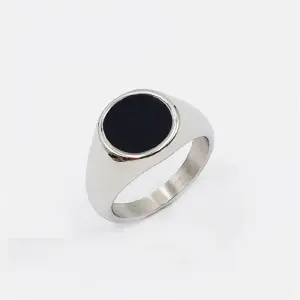
Джингинг : Қара дөңгелек эмаль сақинасының OEM зергерлік қызмет өндірушісі
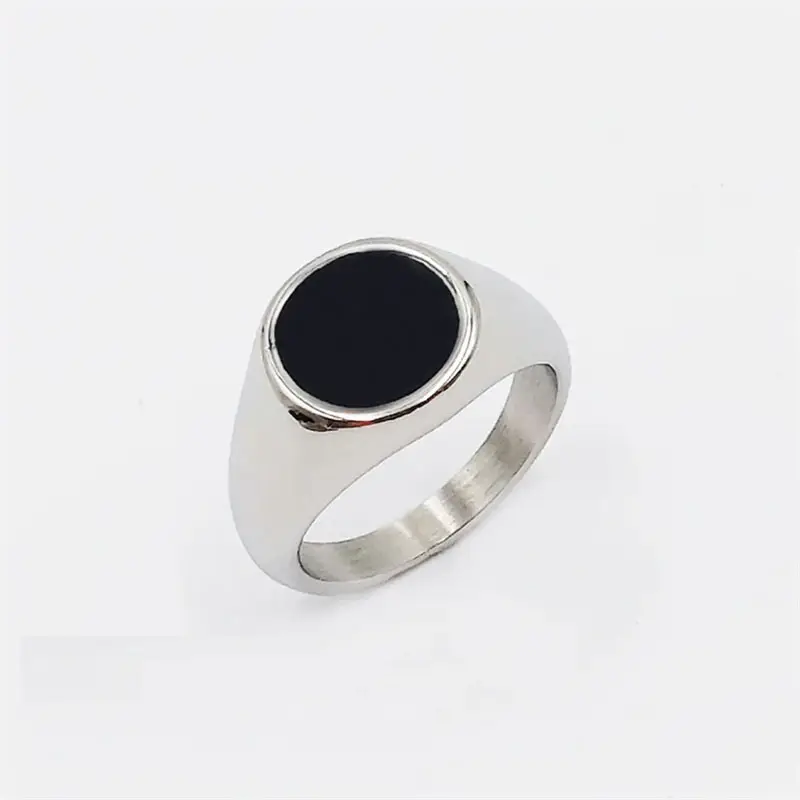
OEM / ODM зергерлік бұйымдарын өндіруші Дизайн Сіздің жеке зергерлік бұйымдарыңызды реттеңіз
Жұмысты бастайық : mo@kingjy.com
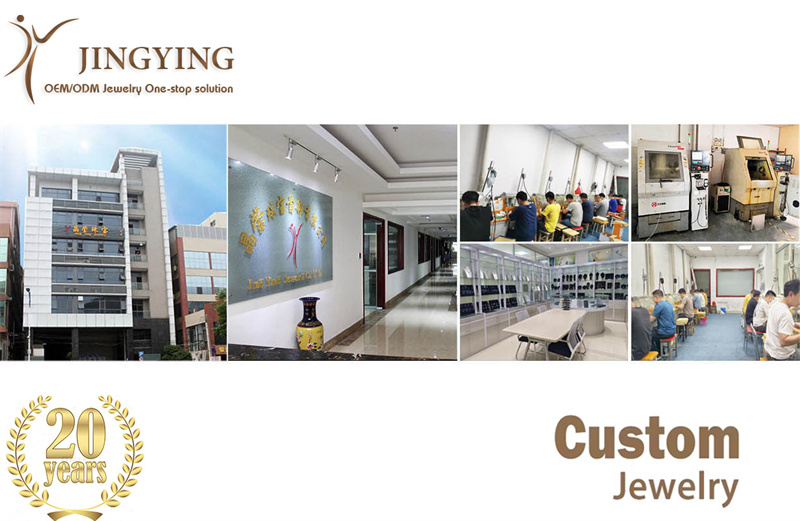
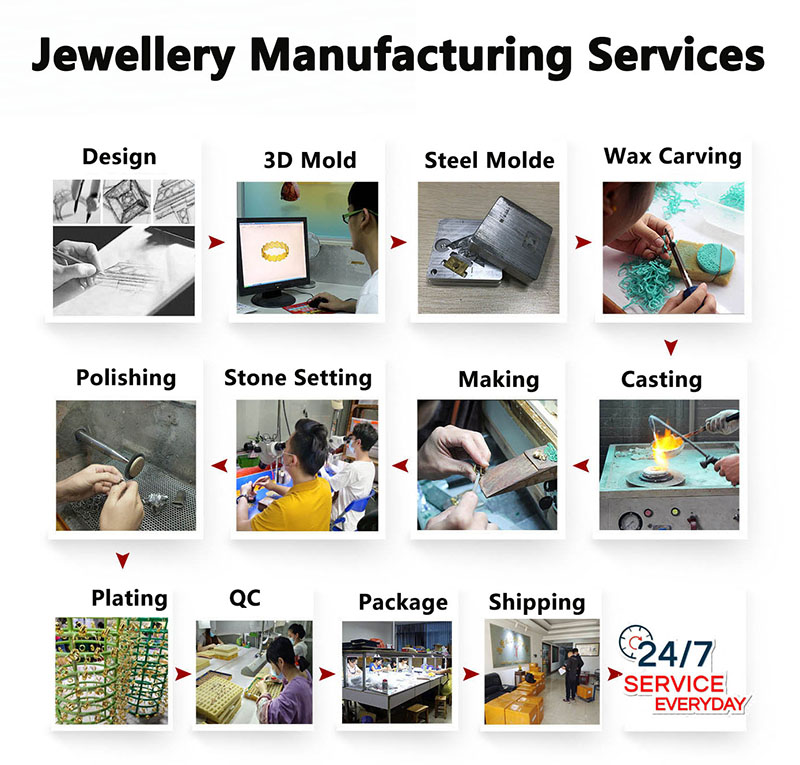
JINGYING-те қара дөңгелек эмаль сақиналарын қалай жасауға болады: Техникалық стандартты операциялық процедура
Кіріспе
Жеке зергерлік бұйымдарды өндіру әлемінде, металл бұйымдары мен эмальдың үйлесімі төзімділік пен шеберліктің қиылысын білдіреді. -Та Джингинг (Шинамикалық зергерлік бұйымдар), астам өндіруші 23 жылдық салалық тәжірибесі, өндірісі а Қара дөңгелек эмальдан жасалған сақина шикізатты жоғары сапалы аксессуарға айналдыратын көп сатылы процесс. Суық шайыр немесе эпоксидті жабындардан айырмашылығы, шыны тәрізді (стакан) эмаль тұрақты ұсынады, ондаған жылдар бойы жылтырлығын сақтайтын сызатқа төзімді әрлеу.
Бұл нұсқаулықта JINGYING компаниясында қара дөңгелек эмаль сақинасын жасау үшін қолданылатын арнайы техникалық жұмыс процесі егжей-тегжейлі сипатталған, бастапқы CAD жобалаудан бастап соңғы сапаны тексеруге дейін.
Фаза 1: Жобалау & Инженерлік (CAD фазасы)
Кез келген металды балқыту немесе эмаль күйдіру алдында, өндіріс процесі компьютерлік жұмыс станциясында басталады. JINGYING-те а ұғымын аударатын білікті CAD инженерлері жұмыс істейді "дөңгелек сақина" арнайы бағдарламалық құралды пайдалана отырып, дәл 3D үлгісіне айналдыру.
Эмаль үшін негізгі дизайнды қарастыру
Стандартты сақина дизайны эмаль сақинасының дизайнынан айтарлықтай ерекшеленеді. Эмаль шыны сияқты қызмет етеді; ол қажет "контейнер" оны орнында ұстау үшін. Сондықтан, CAD дизайны қамтуы керек:
-
Негізгі шанақ: Сақинаның дөңгелек денесі.
-
Эмаль қуысы (Ұяшық): Металл бетінде жасалған ойық немесе ойық. Қара эмаль сақина үшін, Бұл әдетте сақинаның айналасында өтетін 0,8 мм-ден 1,2 мм-ге дейінгі терең ойық..
-
Металл қабырғалар: Қуыстың шеттерінде күйдіруден кейін эмальды орнында механикалық түрде бекіту үшін тік немесе аздап кесілген қабырғалары болуы керек.. Бұл қабырғаларсыз, сақина түсіп қалғанда әйнек шығып кетеді.
Инженерлік тексеру: JINGYING инженерлері металл қалыңдығының жеткілікті екеніне көз жеткізу үшін файлды қарап шығады (жылтыратудан кейін кем дегенде 0,8 мм) пештің қатты қызуына деформациясыз төтеп беру.
Фаза 2: Прототиптеу & Қалыптау
Сандық файл аяқталғаннан кейін, JINGYING пайдаланады 3D Басып шығару (SLA/DLP) жоғары ажыратымдылықтағы шайырдың прототипін жасау. Бұл физикалық модель клиентке жаппай өндіріс басталғанға дейін сақинаның ені мен дөңгелектігін сезінуге мүмкіндік береді.
Резеңке қалып
Егер тапсырыс 批量 өндірісіне арналған болса (әдетте аяқталды 10 дана), JINGYING a вулканизацияланған резеңке қалып.
-
Шайырдың прототипі шикі резеңкеге салынған.
-
Блок қызады және қысылады.
-
Бірде емделеді, резеңке кесілген, және прототип жойылады, теріс қуысты қалдырады.
-
Бұл қалып балауызды қайталап енгізу үшін қолданылады, жүздеген бірдей балауызға мүмкіндік береді "көшірмелер" of the ring to be produced efficiently.
Фаза 3: Кастинг (Lost-Wax Process)
With the wax models ready, the ring enters the жоғалған балауыз құю department. This is the most common method for creating complex jewelry geometry.
Step-by-Step Casting:
-
Ағаш жинау: The wax rings are attached to a central wax "сылырлақ" (like branches on a tree) to create a casting tree.
-
Салым: The wax tree is placed in a steel flask and covered with a plaster-like investment material (binder + silica). It hardens into a solid block.
-
Соңғы рет: The flask is placed in a high-temperature furnace (Шамдар. 750°C/1382°F). The wax melts and vaporizes ("lost wax"), leaving a perfect negative cavity of the ring tree.
-
Кастинг: JINGYING uses vacuum or centrifugal casting machines. Molten metal—typically Жез, Күміс құйындысы, or Stainless Steel for enamel bases—is forced into the hot mold cavity.
Note on Material: Copper-rich alloys (like brass or fine silver) эмаль үшін қолайлы, өйткені олар күйдіру кезінде шыны оксидтерімен химиялық байланысады.
Фаза 4: Бастапқы металды өңдеу (Кенеп)
Металл салқындағаннан кейін, шикі құймалар ағаштан кесіледі. Бұл кезеңде, сақина қараңғы болып көрінеді, өрескел, және кеуекті. Эмаль жағу алдында оны тазарту керек.
-
Құлдырау: Инвестициялық қалдықтарды және тегіс беттің кедір-бұдырын кетіру үшін сақиналар абразивті материалы бар дірілдеткіш ыдысқа орналастырылады..
-
Алдын-ала жылтырату: Жұмысшылар металды айнадай етіп өңдеу үшін радиалды қылшықты щеткалар мен жылтырату қоспаларын пайдаланады.
-
Сыни қадам (Тазарту): Эмаль лас металға жабыспайды. Сақиналар арнайы жуғыш затпен ультрадыбыстық тазартқышта майсыздандыру процесінен өтеді, содан кейін тазартылған суда шаю. Осы кезеңде саусақтардың кез келген майы эмальдың бұзылуына әкеледі "жорғалау" күйдіру кезінде металдан алыс.
Фаза 5: Эмальдеу процесі (The Black Application)
This is the core of manufacturing the "Black Round Enamel Ring." JINGYING пайдаланады Vitreous Enameling, which involves fusing powdered glass to the metal substrate at extremely high temperatures (750° ° - 850° °).
5.1 Материалды дайындау
-
The Enamel: High-quality black vitreous enamel (often sourced from specialized suppliers like Thompson Enamel) пайдаланылады. The glass is ground into a fine powder, washed to remove impurities, and dried.
-
The Binder: The dry powder is mixed with a liquid adhesive, сияқты Klyr-Fire or a simple distilled water mixture, to create a slurry that can be applied with a brush or syringe.
5.2 Қолдану (Wet Packing)
-
Artisans use fine-tipped brushes to "wet pack" the black slurry into the cavity of the ring.
-
They must ensure the enamel is packed tightly without air bubbles. The liquid binder holds the glass powder in place temporarily.
-
The ring is placed on a firing trivet (a mesh screen).
5.3 Firing (The Kiln Cycle)
-
The trivet with the ring is placed into a kiln preheated to approximately 800° ° (1472° F) .
-
Ұзақтық: The ring remains in the kiln for 45 қарай 60 секунд. The artisan watches through a heat-protective window. When the surface of the enamel "wets" (looks molten and glossy like lava), it is ready.
-
Removal: The trivet is pulled out and allowed to cool.
-
Shrinkage: The glass volume drops significantly as it melts. One firing is rarely enough.
5.4 Multi-Firing (Құрылыс қабаттары)
To achieve a deep, glossy black, the ring may be fired 4 қарай 6 рет.
-
After the first firing, the ring looks bumpy (orange peel texture).
-
It is cooled, and more black enamel powder is applied.
-
The ring is re-fired. This process repeats until the enamel is flush with (or slightly domed above) the metal walls.
5.5 Contraction Check
JINGYING technicians check for Crazing (tiny cracks). Өйткені метал шыныдан тезірек жылумен кеңейіп, жиырылады, жылдам салқындату эмальды бұзуы мүмкін. Шабан, бақыланатын салқындату (оны суық беттерден оқшаулау үшін триветті пайдалану) міндетті болып табылады.
Фаза 6: Ұнтақтау, Жылтырату & жексенбі
Соңғы атудан кейін, эмаль беті кедір-бұдыр және сақинаның металл шеттерінде артық қара шыны төгілуі мүмкін. Нағыз люкс сезімі осы жерде жасалады.
-
Лаптау (Ұнтақтау): Ылғалды ұнтақтау дөңгелегін немесе лас жабдықты пайдалану, қолөнерші қара эмалды тегістейді. Олар алмазды абразивтерді пайдаланады (бастап 220 тор, дейін қозғалады 600 тор) бетінің металл қабырғалармен жақсы сәйкес келуін қамтамасыз ету үшін.
-
Жиектерді тазалау: Металл жиектері гауһар тасты немесе керамикалық таспен икемді білікті пайдаланып, кез келген толып кеткен эмальдан тазартылады..
-
Соңғы поляк: Металл бөлшектер (сақинаның жоғарғы және төменгі жиектері) жоғары жылтырға дейін қызыл түсті қоспамен жылтыратылады. The black enamel is жоқ polished heavily in this step if a matte finish is desired; дегенмен, if a glossy black is required, a felt wheel with a fine diamond paste (cerium oxide) is used to bring the glass to a mirror finish.
-
Та "Dome" Әсер: For high-end black dome rings, the enamel is intentionally overfilled and fired until surface tension pulls the liquid glass into a smooth, rounded bubble (like a droplet of water). This requires high skill to prevent the glass from spilling over the edges.
Фаза 7: Сапаны бақылау & Жиналыс (Та "No-Fault" Стандарт)
The final stage at JINGYING involves rigorous inspection.
Inspection Criteria for Black Enamel:
-
Inclusion Check: Under a 10x loupe, the inspector looks for carbon flecks (black spots in black enamel? Шынында, they look for white/ashy inclusions or bubbles). True black should be deep and opaque.
-
Crack Test: The ring is gently tapped. Қатты "пинг" indicates good bonding. А "нұқыңыз" indicates a crack.
-
Thermal Shock Check (Іріктеу): A random ring is heated and quickly cooled to ensure the enamel does not craze.
-
Адгезия: The inspector checks if the enamel has "shrunk back" from the metal walls. There should be no visible gap between the metal and the glass.
Желник (Ерікті)
If the ring is made of brass or silver, it may be sent for Родециялық жалпақ немесе Алтын жалпақ at this stage. Ескерту: Plating is done after the enamel is finished, but careful attention is paid to ensure the plating material does not dull the black glass.
Фаза 8: Орауыш & Жеткізілім
Соңында, the rings pass through an ultrasonic cleaner with a neutral detergent to remove polishing compounds. They are dried, placed into anti-tarnish bags, and packaged into JINGYING's branded boxes.
Because the ring uses Vitreous Enamel rather than resin, it is marked as Премиум зергерлік бұйымдар—resistant to UV fading and chemical exposure, ready for the luxury market.
Summary of Technical Specifications
| Process Stage | Жабдық / Әдіс | Quality Check Point |
|---|---|---|
| Қалыптау | Vulcanized Rubber | Sharpness of cavity edges |
| Кастинг | Жоғалған балауыз / Вакуум | Porosity / Metal integrity |
| Base Prep | Ultrasonic Degrease | Zero oil residue |
| Эмаль | Kiln @ 800°C / Wet Pack | Glass thickness (min 0.6mm) |
| Бастау | Diamond Grinding / Radial Wheels | Flush surface / Gloss retention |
| QC | 10x Loupe / Адгезия сынағы | No crazing or shrinkage |
Manufacturing Note: For businesses looking to order custom black enamel rings from JINGYING, it is critical to specify the type of enamel required. Soft enamel (Эпоксидті) is cheaper but will fade and scratch within months. Hard enamel (Vitreous/Glass) , as described in this process, шебер ату дағдыларын қажет етеді, бірақ бренд беделін анықтайтын мұралық сапалы туындыға әкеледі.