
オパールは色を変える効果のある宝石です. プリニウス, 古代ローマの有名な自然科学者, かつてそれを次のように説明した: “オパールの石の上に, ルビーの炎が見える, アメジストのような色の斑点, そしてエメラルドの海. 緑, 五色はカラフルです, 混ざり合う, そして美しい。” 古代中国では, オパールは宮殿の宝物とみなされていました. 明と清の時代には, 白い宝石などのタイトルが多かったです, リズ, 点滅する山の雲, そしてカラフルな石. オパールはさまざまな宝石の特徴を統合しているため、, 華やかな色合いと高級感のある品質で、, 人々に深く愛されています.
オパールは主に水を含んだシリカで構成されています, ガラスのような光沢からワックス状の透明まで, 透明から半透明, と硬さ 5.0-6.5. 色はほとんど卵白です. 組成中に鉄などの微量不純物元素が含まれているため、, 銅, マンガン, ニッケル, 等, グレーブラックもあります, 青い, 茶色と他の色. 特に, その光沢には色を変える効果があります, 濃い紫または濃い茶紫に変化します. 表面は孔雀の羽のように華やかです, 光の変化で変わるもの, 赤など様々な色を表現, オレンジ, 青い, そして緑, すごいですね.
ミネラルとして, オパールは、貴重なタンパク質または宝石グレードのオパールに分けられます, そして普通のオパール. 一般的に, 貴重なオパールはオパールと呼ばれます. オパールだけが生み出す効果. この機能は長い間謎でした, オパールが電子顕微鏡下に置かれるまで 10,000 回, その内部構造は、三次元空間に規則的に配列された無数の小さな二酸化ケイ素の球で構成されていることがわかります。. 球間の隙間は光の格子として機能します, つまり回折現象. 色のついた光の波長 (いわゆる “火”) 回折によって生じる光は主に、入射光と球の間の角度と球の直径によって決まります。. したがって, 宝石が回転すると, 入射光の角度が変わります, それによって回折光が変化します. 波長により色が変化し、鮮やかな虹色を生み出します。. 一方で, 通常のオパールは直径が異なり、内部の小さな球が無秩序に配置されています。. 光照射下, 不規則に散乱して乳白色に見えます. 特別な光学効果を生み出すことはできません, なので色は変えられません. その価値ははるかに低くなります. 貴重なオパール.
オパールは主に、外因性浸出によって形成された古代の風化地殻と火山期後の熱水で産出されます。. 最も有名な高品質のオパールはオーストラリアで産出されます. 以上の歴史があります 100 発見から数年. 以上を占めています 90% 世界の総生産量のうち. 加えて, メキシコ, 米国, ブラジル, ホンジュラス, チェコ共和国, スロバキア, インドネシアも生産を行った. 大きくて美しいオパールの宝物が世界中で数多く発見されています. 例えば, 一番大きな部分, 名前付き “プーマオパール”, 重さを量る 61.3 kg; 一つは質感が良く、稲妻のような黄色をしています。, 緑と青の色. 深紅の模様が揺らめき、引き立て合う名品オパール, 重さを量る 711 カラット; 2つのブラックオパールの名前は “レディ・フレーム” 重さを量る 233 カラットと名前 “世界の光” 重さを量る 273 グラム数はすべてオーストラリア産です.
OEM/ODMジュエリーメーカーのデザインカスタム独自のジュエリー
始めましょう : mo@kingjy.com
広州ジンジーカスタム卸売リングネックレスブレスレットイヤリングスターリングシルバーに焦点を当てる 925 ジュエリー,スターリングシルバーゴールドは18Kでメッキされています,14k,24Kイエローゴールド,ホワイトゴールドとローズゴールド。それはカスタムスターリングシルバージュエリーさまざまなデザインをカスタムすることができます,顧客の要件に従ってレーザー彫刻によるロゴブランドまたはその他の言葉.
私たちの毎月の生産能力は順調です 50,000 ピースブレスレットネックレスイヤリングリングジュエリー。スーパーマーケットとのパートナーシップに参加する,ジュエリーチェーンショップ,アウトレットストア,ジュエリー卸売業者,トレーダーとジュエリーブランド会社,専門家はカスタマイズされたジュエリーを作成し、高品質の大量生産を提供します 925 スターリングシルバージュエリーサービス.

ジンジーカスタムメイドのシルバーイヤリングジュエリーメーカー 生産プロセス
ジンジージュエリーの質の高い保証の理由
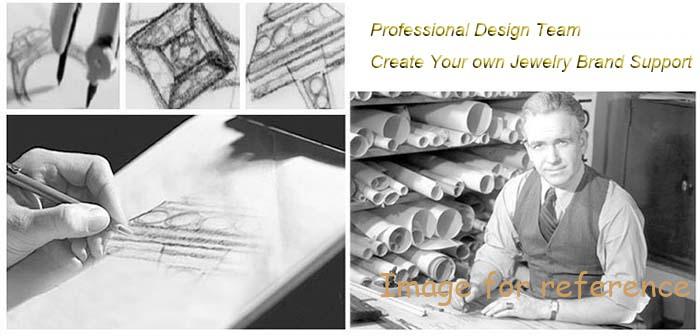
1. オリジナルのデザイン
デザインのアイデアやサンプルが変更されたときに始まります ,あなたの要求としてスケッチでオリジナルのデザインを開始します. カスタムネックレスメーカー
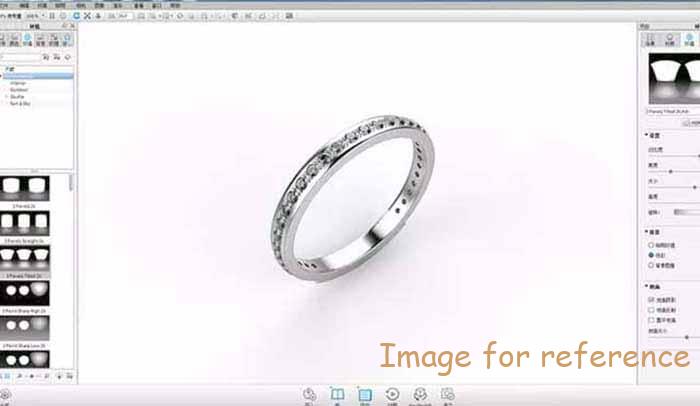
2.3D金型の作成
これが単純なスケッチであろうと完全なプロトタイプであろうと, 私たちは経験豊富で成熟したデザインチームです。.カスタム 925 シルバーブレスレット.
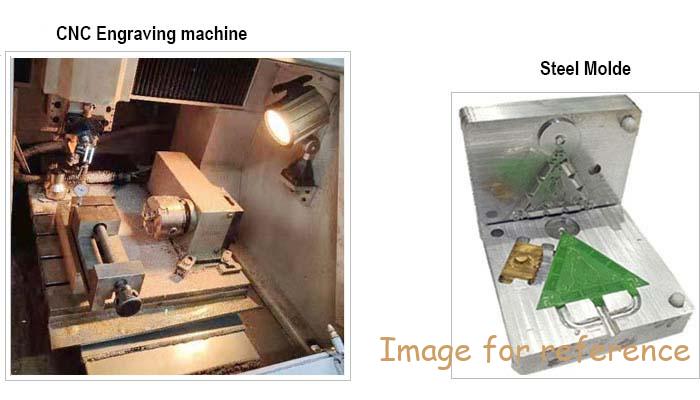
3.型の作成 ( メタルマスター)
私たちはCNC加工機の彫刻ジュエリーモデルを使用して、私たちの宝石商品を確保します 100% 高品質のスターリングシルバージュエリーは高級ジュエリーの表面と同じ滑らかで失われた石と同じ .カスタムイヤリングスターリングシルバーメーカー
4.鋳造
注入ワックス型は石膏型になります ,高温暖房後、宝石の金属製品ベースを手に入れました. カスタムメイドのリングシルバージュエリー

5. 成形 & 研磨
ジュエリー商品のモデリングがより美しい ,表面滑らか. カスタムメイドのシルバージュエリーメーカー

6. ハンド設定宝石
私たちは、日本から輸入された5A cz石のために設定されたマイクロインセルマシンを使用します ,可能です 99% 失われた石ワックス設定技術はありません . カスタムメイドの男性シルバージュエリー

7. メッキ
私たちはすべての人のために2回のメッキをします 925 スターリングシルバージュエリー ,最初にベースで厚い銀メッキをします ,ダブルポッシュは表面を滑らかに確認し、本物の金メッキを続けてください ,厚さまで 3 マイクロンは、1年間続くことを保証します ,私たちはそれを頂点と呼びます .

8. 完璧なQCプロセス
品質チェックは、生産ライン全体で最も重要なプロセスです。各プロセスごとに質の高いチェック制御を行う10エンジニアのチームがあります .
失われた石-1、私たちはプロのスチールニードルを使用して石を一つずつ叩きます ,0.2の脱落はないことを確認してください。 3 石をチェックするメートルは落ちません .
メッキ- 1,顧客は、メッキの厚さに関する機械テストからレポートを取得できます。 ,金属表面を5分間手動でこすります ,コートの品質が良いことを確認してください . カスタム卸売スターリングシルバー

9. パッケージング & 配送
独立したパッケージ ,または顧客の要求に応じて;DHLによるエクスプレス配信 ,UPS,TT

ジンジーカスタムメイドのシルバーイヤリングジュエリーメーカー 925 スターリングシルバーメーカー アドバンテージ
1:20-年シニアハイエンド 925 スターリングシルバーカスタム卸売ジュエリーMaunfacturer
2:数千のファッションジュエリーカスタマイズされたプロダクションエクスペリエンス ,毎月の生産能力 100000 作品
3: 絶妙な仕上がり ,Surfface滑らか.
4:効率的な生産,7-日のサンプル時間 ,30-1日の大量生産時間
5:高品質の製品,色は変わりません, 石を落とさないでください, 人間以外の理由で製品品質の質問がある場合, 保証されています 3-6 修理のための月.

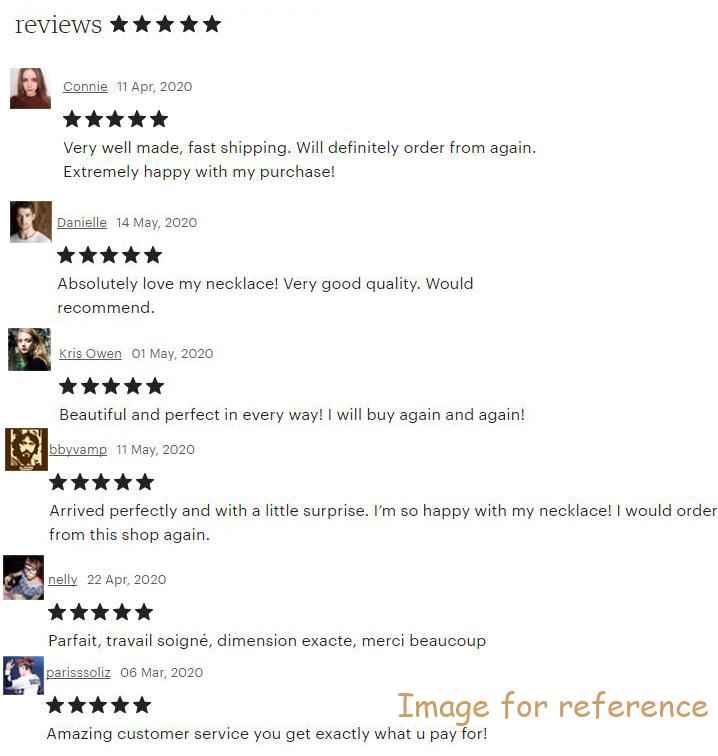
過去に 20 年, ジンジージュエリーは、完璧を追求し、改善するという目的に従っています 925 シルバージュエリー Technology.私たちの設計チームは、スキルの学習と改善を続けています ,ファッショナブルなデザイン, フェミニンのためのロマンチックなアクセサリー。絶妙なデザインプロセスと優れた品質に頼る, ジンジージュエリーは、国内外でチェーンブランドの馴染みのある認識を獲得しました.
機会:モダンジュエリー製造 パーティーのための卸売女性のジュエリーの習慣と女性のための毎日のトレンディなジュエリーリング

ジュエリーカスタムメイドのシルバーイヤリングジュエリーメーカーの品質保証 :
あなたの宝石のデザインと商品は出荷前に写真を撮る必要があります。問題があるかどうかを注文する .
あなたが商品を手に入れたら、あなたがカスタムジュエルデザインや大量注文に問題があるものは何でも ,私たちと連絡してください (mo@kingjy.com) ,品質の問題がある場合は払い戻しを受ける可能性があります ,私たちと一緒にビジネスをすることは安全です .
OEM/ODMジュエリーメーカーのデザインカスタム独自のジュエリー
始めましょう : mo@kingjy.com
広州ジンジーカスタム卸売リングネックレスブレスレットイヤリングスターリングシルバーに焦点を当てる 925 ジュエリー,スターリングシルバーゴールドは18Kでメッキされています,14k,24Kイエローゴールド,ホワイトゴールドとローズゴールド。それはカスタムスターリングシルバージュエリーさまざまなデザインをカスタムすることができます,顧客の要件に従ってレーザー彫刻によるロゴブランドまたはその他の言葉.
私たちの毎月の生産能力は順調です 50,000 ピースブレスレットネックレスイヤリングリングジュエリー。スーパーマーケットとのパートナーシップに参加する,ジュエリーチェーンショップ,アウトレットストア,ジュエリー卸売業者,トレーダーとジュエリーブランド会社,専門家はカスタマイズされたジュエリーを作成し、高品質の大量生産を提供します 925 スターリングシルバージュエリーサービス.
ジンジーカスタムメイドのシルバーイヤリングジュエリーメーカー 生産プロセス
ジンジージュエリーの質の高い保証の理由
1. オリジナルのデザイン
デザインのアイデアやサンプルが変更されたときに始まります ,あなたの要求としてスケッチでオリジナルのデザインを開始します. カスタムネックレスメーカー
2.3D金型の作成
これが単純なスケッチであろうと完全なプロトタイプであろうと, 私たちは経験豊富で成熟したデザインチームです。.カスタム 925 シルバーブレスレット.
3.型の作成 ( メタルマスター)
私たちはCNC加工機の彫刻ジュエリーモデルを使用して、私たちの宝石商品を確保します 100% 高品質のスターリングシルバージュエリーは高級ジュエリーの表面と同じ滑らかで失われた石と同じ .カスタムイヤリングスターリングシルバーメーカー
4.鋳造
注入ワックス型は石膏型になります ,高温暖房後、宝石の金属製品ベースを手に入れました. カスタムメイドのリングシルバージュエリー
5. 成形 & 研磨
ジュエリー商品のモデリングがより美しい ,表面滑らか. カスタムメイドのシルバージュエリーメーカー
6. ハンド設定宝石
私たちは、日本から輸入された5A cz石のために設定されたマイクロインセルマシンを使用します ,可能です 99% 失われた石ワックス設定技術はありません . カスタムメイドの男性シルバージュエリー
7. メッキ
私たちはすべての人のために2回のメッキをします 925 スターリングシルバージュエリー ,最初にベースで厚い銀メッキをします ,ダブルポッシュは表面を滑らかに確認し、本物の金メッキを続けてください ,厚さまで 3 マイクロンは、1年間続くことを保証します ,私たちはそれを頂点と呼びます .
8. 完璧なQCプロセス
品質チェックは、生産ライン全体で最も重要なプロセスです。各プロセスごとに質の高いチェック制御を行う10エンジニアのチームがあります .
失われた石-1、私たちはプロのスチールニードルを使用して石を一つずつ叩きます ,0.2の脱落はないことを確認してください。 3 石をチェックするメートルは落ちません .
メッキ- 1,顧客は、メッキの厚さに関する機械テストからレポートを取得できます。 ,金属表面を5分間手動でこすります ,コートの品質が良いことを確認してください . カスタム卸売スターリングシルバー
9. パッケージング & 配送
独立したパッケージ ,または顧客の要求に応じて;DHLによるエクスプレス配信 ,UPS,TT
ジンジーカスタムメイドのシルバーイヤリングジュエリーメーカー 925 スターリングシルバーメーカー アドバンテージ
1:20-年シニアハイエンド 925 スターリングシルバーカスタム卸売ジュエリーMaunfacturer
2:数千のファッションジュエリーカスタマイズされたプロダクションエクスペリエンス ,毎月の生産能力 100000 作品
3: 絶妙な仕上がり ,Surfface滑らか.
4:効率的な生産,7-日のサンプル時間 ,30-1日の大量生産時間
5:高品質の製品,色は変わりません, 石を落とさないでください, 人間以外の理由で製品品質の質問がある場合, 保証されています 3-6 修理のための月.
過去に 20 年, ジンジージュエリーは、完璧を追求し、改善するという目的に従っています 925 シルバージュエリー Technology.私たちの設計チームは、スキルの学習と改善を続けています ,ファッショナブルなデザイン, フェミニンのためのロマンチックなアクセサリー。絶妙なデザインプロセスと優れた品質に頼る, ジンジージュエリーは、国内外でチェーンブランドの馴染みのある認識を獲得しました.
機会:モダンジュエリー製造 パーティーのための卸売女性のジュエリーの習慣と女性のための毎日のトレンディなジュエリーリング
ジュエリーカスタムメイドのシルバーイヤリングジュエリーメーカーの品質保証 :
あなたの宝石のデザインと商品は出荷前に写真を撮る必要があります。問題があるかどうかを注文する .
あなたが商品を手に入れたら、あなたがカスタムジュエルデザインや大量注文に問題があるものは何でも ,私たちと連絡してください (mo@kingjy.com) ,品質の問題がある場合は払い戻しを受ける可能性があります ,私たちと一緒にビジネスをすることは安全です .