
認められた4つの貴重な宝石のうち, つまりダイヤモンド, ルビー, サファイア, そしてエメラルド, 合成ダイヤモンドの高価さを除けば, 公式に大量に販売されていないもの, 他の 3 つの宝石は大量に製造できないだけではありません, でも制作費もかかるし. 天然物よりもはるかに安価であり、正式に市場で販売されています. 最も初期に成功した製品の 1 つは Ruby です.
早くも 1877, フランスの化学者フレミは人工ルビーを製造しました, しかし粒子が小さくコストが高かった. で 1902, フランスの科学者ヴェルナー・リーフは火炎溶解によって人工ルビーを製造しました. 数年後, で 1910, 人工サファイアも同じ方法で作られました.
当時は技術が成熟しておらず、普及していなかったので、, 人工ルビーや人工サファイアは市場では一般的ではありませんでした. それは第二次世界大戦後までのことでした, つまり, 1940年代後半, 人造ルビーや人造サファイアが市場で一般的に販売されていたこと. 価格がかなり高かっただけではなく、, しかし、売り手は多くの場合、それらが人工物であるとは言いませんでした, つまり, それらは多くの場合、製品として販売されている天然物と混合されていました. この時代のルビーは必ずしも天然ではないことがわかります, アーティファクトはその時点ですでに販売されているため、.
1950年代以降, 生産技術の普及により, 人造ルビーと人造サファイアの価格が急落した. 20世紀の終わりまでに, 人工ルビーの価格は天然ルビーの数十分の一、あるいは 1% まで下落しました。. 人工サファイアの価格も天然サファイアよりもはるかに安いです. 中国本土では, 1950年代から20世紀末まで, 宝石業界の一部の人々は人工ルビーと呼んでいます”ルービン・ストーン”, これは実際には英語の単語の音訳です “ルビー”.
人造ルビーや人造サファイアは天然物に比べて価格が非常に安いため、, それらをどのように識別するかが重要な課題となっている. 残念ながら, 一般の消費者が自分でそれらを識別することは不可能です. 正確に特定したい場合, 宝石の専門家に尋ねるか、鑑定機関を見つけるしかありません.
OEM/ODMジュエリーメーカーのデザインカスタム独自のジュエリー
始めましょう : mo@kingjy.com
広州ジンジーカスタム卸売リングネックレスブレスレットイヤリングスターリングシルバーに焦点を当てる 925 ジュエリー,スターリングシルバーゴールドは18Kでメッキされています,14k,24Kイエローゴールド,ホワイトゴールドとローズゴールド。それはカスタムスターリングシルバージュエリーさまざまなデザインをカスタムすることができます,顧客の要件に従ってレーザー彫刻によるロゴブランドまたはその他の言葉.
私たちの毎月の生産能力は順調です 50,000 ピースブレスレットネックレスイヤリングリングジュエリー。スーパーマーケットとのパートナーシップに参加する,ジュエリーチェーンショップ,アウトレットストア,ジュエリー卸売業者,トレーダーとジュエリーブランド会社,専門家はカスタマイズされたジュエリーを作成し、高品質の大量生産を提供します 925 スターリングシルバージュエリーサービス.

ジンジーカスタムメイドのシルバーイヤリングジュエリーメーカー 生産プロセス
ジンジージュエリーの質の高い保証の理由
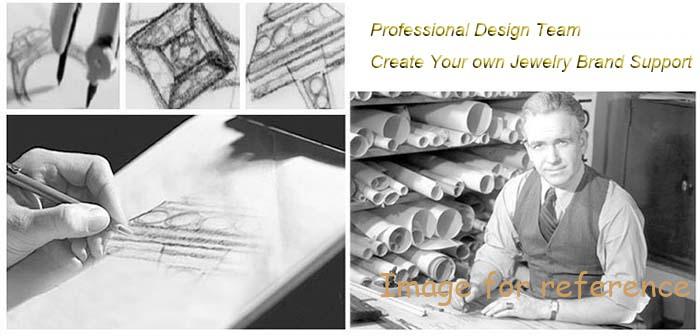
1. オリジナルのデザイン
デザインのアイデアやサンプルが変更されたときに始まります ,あなたの要求としてスケッチでオリジナルのデザインを開始します. カスタムネックレスメーカー
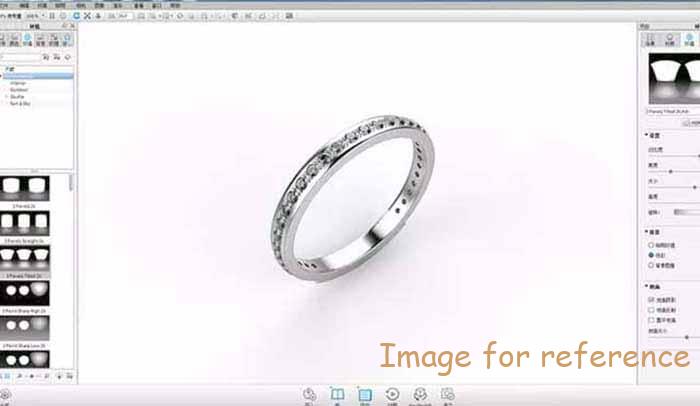
2.3D金型の作成
これが単純なスケッチであろうと完全なプロトタイプであろうと, 私たちは経験豊富で成熟したデザインチームです。.カスタム 925 シルバーブレスレット.
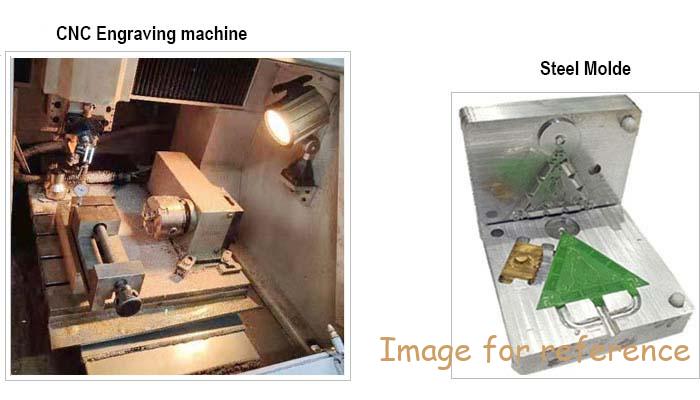
3.型の作成 ( メタルマスター)
私たちはCNC加工機の彫刻ジュエリーモデルを使用して、私たちの宝石商品を確保します 100% 高品質のスターリングシルバージュエリーは高級ジュエリーの表面と同じ滑らかで失われた石と同じ .カスタムイヤリングスターリングシルバーメーカー
4.鋳造
注入ワックス型は石膏型になります ,高温暖房後、宝石の金属製品ベースを手に入れました. カスタムメイドのリングシルバージュエリー

5. 成形 & 研磨
ジュエリー商品のモデリングがより美しい ,表面滑らか. カスタムメイドのシルバージュエリーメーカー

6. ハンド設定宝石
私たちは、日本から輸入された5A cz石のために設定されたマイクロインセルマシンを使用します ,可能です 99% 失われた石ワックス設定技術はありません . カスタムメイドの男性シルバージュエリー

7. メッキ
私たちはすべての人のために2回のメッキをします 925 スターリングシルバージュエリー ,最初にベースで厚い銀メッキをします ,ダブルポッシュは表面を滑らかに確認し、本物の金メッキを続けてください ,厚さまで 3 マイクロンは、1年間続くことを保証します ,私たちはそれを頂点と呼びます .

8. 完璧なQCプロセス
品質チェックは、生産ライン全体で最も重要なプロセスです。各プロセスごとに質の高いチェック制御を行う10エンジニアのチームがあります .
失われた石-1、私たちはプロのスチールニードルを使用して石を一つずつ叩きます ,0.2の脱落はないことを確認してください。 3 石をチェックするメートルは落ちません .
メッキ- 1,顧客は、メッキの厚さに関する機械テストからレポートを取得できます。 ,金属表面を5分間手動でこすります ,コートの品質が良いことを確認してください . カスタム卸売スターリングシルバー

9. パッケージング & 配送
独立したパッケージ ,または顧客の要求に応じて;DHLによるエクスプレス配信 ,UPS,TT

ジンジーカスタムメイドのシルバーイヤリングジュエリーメーカー 925 スターリングシルバーメーカー アドバンテージ
1:20-年シニアハイエンド 925 スターリングシルバーカスタム卸売ジュエリーMaunfacturer
2:数千のファッションジュエリーカスタマイズされたプロダクションエクスペリエンス ,毎月の生産能力 100000 作品
3: 絶妙な仕上がり ,Surfface滑らか.
4:効率的な生産,7-日のサンプル時間 ,30-1日の大量生産時間
5:高品質の製品,色は変わりません, 石を落とさないでください, 人間以外の理由で製品品質の質問がある場合, 保証されています 3-6 修理のための月.

過去に 20 年, ジンジージュエリーは、完璧を追求し、改善するという目的に従っています 925 シルバージュエリー Technology.私たちの設計チームは、スキルの学習と改善を続けています ,ファッショナブルなデザイン, フェミニンのためのロマンチックなアクセサリー。絶妙なデザインプロセスと優れた品質に頼る, ジンジージュエリーは、国内外でチェーンブランドの馴染みのある認識を獲得しました.
機会:モダンジュエリー製造 パーティーのための卸売女性のジュエリーの習慣と女性のための毎日のトレンディなジュエリーリング

ジュエリーカスタムメイドのシルバーイヤリングジュエリーメーカーの品質保証 :
あなたの宝石のデザインと商品は出荷前に写真を撮る必要があります。問題があるかどうかを注文する .
あなたが商品を手に入れたら、あなたがカスタムジュエルデザインや大量注文に問題があるものは何でも ,私たちと連絡してください (mo@kingjy.com) ,品質の問題がある場合は払い戻しを受ける可能性があります ,私たちと一緒にビジネスをすることは安全です .
OEM/ODMジュエリーメーカーのデザインカスタム独自のジュエリー
始めましょう : mo@kingjy.com
広州ジンジーカスタム卸売リングネックレスブレスレットイヤリングスターリングシルバーに焦点を当てる 925 ジュエリー,スターリングシルバーゴールドは18Kでメッキされています,14k,24Kイエローゴールド,ホワイトゴールドとローズゴールド。それはカスタムスターリングシルバージュエリーさまざまなデザインをカスタムすることができます,顧客の要件に従ってレーザー彫刻によるロゴブランドまたはその他の言葉.
私たちの毎月の生産能力は順調です 50,000 ピースブレスレットネックレスイヤリングリングジュエリー。スーパーマーケットとのパートナーシップに参加する,ジュエリーチェーンショップ,アウトレットストア,ジュエリー卸売業者,トレーダーとジュエリーブランド会社,専門家はカスタマイズされたジュエリーを作成し、高品質の大量生産を提供します 925 スターリングシルバージュエリーサービス.
ジンジーカスタムメイドのシルバーイヤリングジュエリーメーカー 生産プロセス
ジンジージュエリーの質の高い保証の理由
1. オリジナルのデザイン
デザインのアイデアやサンプルが変更されたときに始まります ,あなたの要求としてスケッチでオリジナルのデザインを開始します. カスタムネックレスメーカー
2.3D金型の作成
これが単純なスケッチであろうと完全なプロトタイプであろうと, 私たちは経験豊富で成熟したデザインチームです。.カスタム 925 シルバーブレスレット.
3.型の作成 ( メタルマスター)
私たちはCNC加工機の彫刻ジュエリーモデルを使用して、私たちの宝石商品を確保します 100% 高品質のスターリングシルバージュエリーは高級ジュエリーの表面と同じ滑らかで失われた石と同じ .カスタムイヤリングスターリングシルバーメーカー
4.鋳造
注入ワックス型は石膏型になります ,高温暖房後、宝石の金属製品ベースを手に入れました. カスタムメイドのリングシルバージュエリー
5. 成形 & 研磨
ジュエリー商品のモデリングがより美しい ,表面滑らか. カスタムメイドのシルバージュエリーメーカー
6. ハンド設定宝石
私たちは、日本から輸入された5A cz石のために設定されたマイクロインセルマシンを使用します ,可能です 99% 失われた石ワックス設定技術はありません . カスタムメイドの男性シルバージュエリー
7. メッキ
私たちはすべての人のために2回のメッキをします 925 スターリングシルバージュエリー ,最初にベースで厚い銀メッキをします ,ダブルポッシュは表面を滑らかに確認し、本物の金メッキを続けてください ,厚さまで 3 マイクロンは、1年間続くことを保証します ,私たちはそれを頂点と呼びます .
8. 完璧なQCプロセス
品質チェックは、生産ライン全体で最も重要なプロセスです。各プロセスごとに質の高いチェック制御を行う10エンジニアのチームがあります .
失われた石-1、私たちはプロのスチールニードルを使用して石を一つずつ叩きます ,0.2の脱落はないことを確認してください。 3 石をチェックするメートルは落ちません .
メッキ- 1,顧客は、メッキの厚さに関する機械テストからレポートを取得できます。 ,金属表面を5分間手動でこすります ,コートの品質が良いことを確認してください . カスタム卸売スターリングシルバー
9. パッケージング & 配送
独立したパッケージ ,または顧客の要求に応じて;DHLによるエクスプレス配信 ,UPS,TT
ジンジーカスタムメイドのシルバーイヤリングジュエリーメーカー 925 スターリングシルバーメーカー アドバンテージ
1:20-年シニアハイエンド 925 スターリングシルバーカスタム卸売ジュエリーMaunfacturer
2:数千のファッションジュエリーカスタマイズされたプロダクションエクスペリエンス ,毎月の生産能力 100000 作品
3: 絶妙な仕上がり ,Surfface滑らか.
4:効率的な生産,7-日のサンプル時間 ,30-1日の大量生産時間
5:高品質の製品,色は変わりません, 石を落とさないでください, 人間以外の理由で製品品質の質問がある場合, 保証されています 3-6 修理のための月.
過去に 20 年, ジンジージュエリーは、完璧を追求し、改善するという目的に従っています 925 シルバージュエリー Technology.私たちの設計チームは、スキルの学習と改善を続けています ,ファッショナブルなデザイン, フェミニンのためのロマンチックなアクセサリー。絶妙なデザインプロセスと優れた品質に頼る, ジンジージュエリーは、国内外でチェーンブランドの馴染みのある認識を獲得しました.
機会:モダンジュエリー製造 パーティーのための卸売女性のジュエリーの習慣と女性のための毎日のトレンディなジュエリーリング
ジュエリーカスタムメイドのシルバーイヤリングジュエリーメーカーの品質保証 :
あなたの宝石のデザインと商品は出荷前に写真を撮る必要があります。問題があるかどうかを注文する .
あなたが商品を手に入れたら、あなたがカスタムジュエルデザインや大量注文に問題があるものは何でも ,私たちと連絡してください (mo@kingjy.com) ,品質の問題がある場合は払い戻しを受ける可能性があります ,私たちと一緒にビジネスをすることは安全です .