
OEMシルバージュエリーの風景: JINGYING と業界ベンチマークの比較分析
導入: OEM ジュエリー サプライヤーの海を航海する
スターリングシルバージュエリーの世界市場は広大で拡大し続けています, 手頃な価格の贅沢に対する消費者の需要によって推進されています, ファッションフォワードデザイン, および高品質のアクセサリー. ブランド用, 小売業者, そして、この傾向を活用しようとしているスタートアップ, OEMメーカーの選択 (OEM) それはおそらく彼らが行うであろう最も重要なビジネス上の意思決定である. OEM パートナーは、創造的なビジョンを具体的なものに変える責任があります。, ブランドの価値を反映した市場性の高い製品, 品質に対する期待を満たします, 日常の着用にも耐えます.
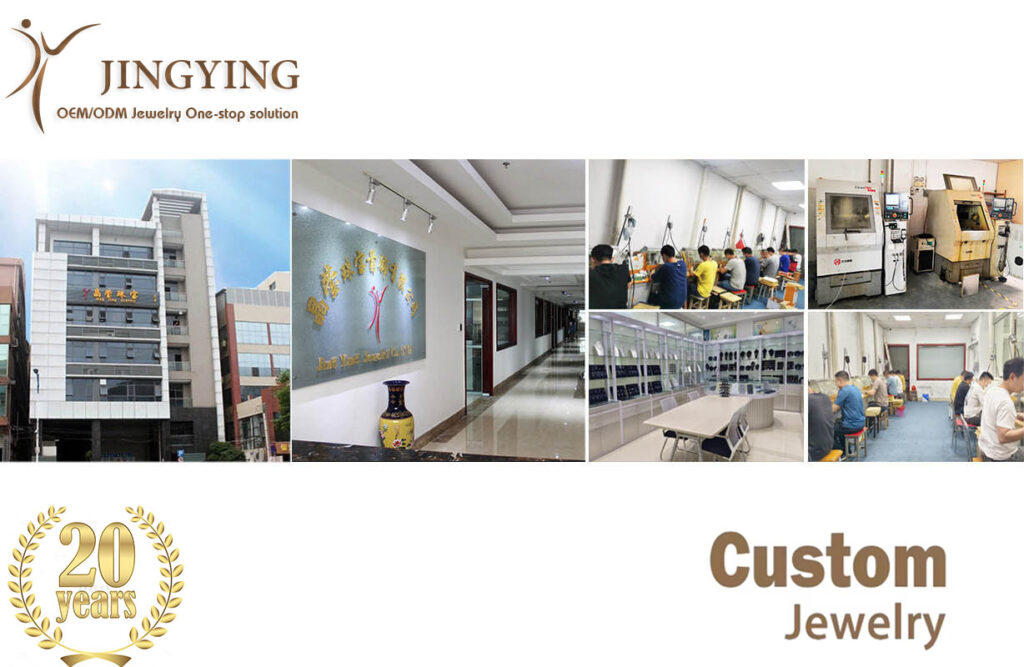
簡単なオンライン検索で、数え切れないほどの OEM サプライヤーが見つかります。, 主に中国などの地域に集中, インド, タイ, そしてイタリア. さまざまな機能を提供します, 小さな職人の作業場から大規模な工業工場まで. 価格は大きく異なる場合があります, そして品質の約束はどこにでもあります. ブランドのために, この風景はしばしば混乱を招き、リスクを伴います. 有能なメーカーと凡庸なメーカーを見分けるにはどうすればよいでしょうか? 業界のリーダーと他の企業を真に区別するものは何ですか?
この記事では詳細な比較分析を行っています, 広範な OEM シルバー ジュエリー サプライヤーに対して JINGYING を位置づける. 表面的なマーケティング上の主張を超えて、製造の核となる柱を検証します: エンジニアリングとテクノロジー, 物質的な完全性, 職人技と仕上げ, カスタマイズの柔軟性, そして品質保証. これらの要素を分解すると、, JINGYING が単に既存の環境内で競争するだけではないことを証明します。; OEM パートナーシップの新たな層を完全に定義します.
章 1: OEM サプライヤーの階層の定義
JINGYINGの立場を理解するために, まず、シルバージュエリー市場における一般的なタイプの OEM サプライヤーを分類する必要があります。.
階層 1: 職人 & 少人数のワークショップ
-
プロフィール: 多くの場合、家族経営の企業や熟練した職人の小さな集団が経営しています。. 歴史ある宝飾品地区で流行している (例えば。, ジャイプールの一部, イタリア, タイとか).
-
強み: 卓越した手作りのディテール, 独特の職人技, 非常に少量の注文にも対応できる高い柔軟性 (単品でも), 伝統技術へのこだわりと.
-
弱点: 限定的な技術採用 (手動プロセスへの依存), スケーラビリティが低い, 手作業によるばらつきによる一貫性のない品質管理, 限定材料認証, そして多くの場合リードタイムが長くなる.
階層 2: 量を重視する大量生産者
-
プロフィール: 大量生産に重点を置いた大規模工場, 低コスト生産. 多くの場合、わずかに変更できる既存のデザインの膨大なカタログが存在します。.
-
強み: 非常に低いユニットあたりのコスト, 標準品の生産時間が短い, 膨大な量の注文を処理する能力. 単純な場合には効率的です, トレンド, 使い捨てファッションジュエリー.
-
弱点: 主に真鍮または低品質の銀合金を使用し、薄い, すぐに変色する低品質のメッキ. デザインは一般的なものが多い. 品質管理は最小限です, 質よりも量を重視する. カスタマイズは、既存のオプションのメニューから選択することに限定されます. コミュニケーションが貧弱でトランザクション的になる可能性がある.
階層 3: 標準品質の OEM
-
プロフィール: これは最も混雑した層です. これらは、まともな品質のジュエリーを生産する有能な工場です. スターリングシルバーを使用し、金メッキも施されています. CADや鋳造機などの基礎技術を保有.
-
強み: 大量生産品よりも優れた品質, 完全なカスタマイズを提供する, 許容可能な材料を使用する, 多くの新興ブランドにコストと品質のバランスの取れたサービスを提供します.
-
弱点: ここは、 “十分に良い” メンタリティが宿る. メッキは多くの場合、許容可能な最小厚さになります (1-2 ミクロン). 品質管理は行われていますが、一貫性がない場合があります. プロセスは標準化されていますが、高級感を定義する高度なエンジニアリングや仕上げが欠けている場合があります。. 信頼できるが例外的ではない.
階層 4: 先進のエンジニアリング & 高仕上げOEM (JINGYING層)
-
プロフィール: これはJINGYINGのようなメーカーが占める珍しいカテゴリーです. ジュエリーを単なる装飾としてではなく、精密工学として捉えています。. 最新のテクノロジーと熟練の職人技を統合し、継続的な改善とパートナーシップの哲学を持って運営されています。.
-
強み: 妥協のない素材品質, 高度な製造技術, 厳格なデータドリブンの QA, 厚めのバーメイル標準メッキ, そしてコラボレーション, クライアントとのパートナーシップに対するコンサルティング的なアプローチ.
-
弱点: ティアよりも単位あたりのコストが高い 2 そして 3. 絶対的な安さを求めるブランドや、純粋に使い捨てのファッションアイテムを求めるブランドには不向き.
章 2: 比較分析 – 主要な差別化要因
この章では、JINGYING 間の主要な比較領域を詳しく説明します。 (階層 4) そして業界の標準的な慣行 (主にティア 3).
2.1 材料の調達と検証
-
標準OEM (階層 3): 通常はソースになります 925 スターリングシルバーですが、証明書が提供されない場合があります. 入荷した材料の検証は、多くの場合、目視で行われるか、散発的なテストによって行われます。. 銀と合金化された銅には、変色を早める可能性のある不純物が含まれている可能性があります。. メッキ用, 彼らは低カラットの金を使用することが多い (例えば。, 14k) コストを削減するために最小限の厚さを目指します.
-
ジンジー (階層 4): 認定されたソースのみ 925 評判の良い工場からのスターリングシルバー. 入荷する金属のすべてのバッチは蛍光 X 線を使用して検証されます (XRF) アナライザー, 正確な化学組成を確認する非破壊検査, 基準からの逸脱がないことを保証する. メッキ用, 彼らは、を支持し、遵守します Vermeil 標準: 最低限の 2.5 ミクロンの高純度 (18kまたは22k) 金. 実際に, 彼らはよく当てはまります 3-5 ミクロン, 多くの競合製品よりも 2 倍の厚さと耐久性のある仕上げを作成します。.
2.2 エンジニアリングとプロトタイピング
-
標準OEM (階層 3): 設計には基本的なCADソフトウェアを使用します. プロトタイピングは多くの場合、従来の方法または低解像度の 3D プリントによって行われます。, 細かい部分までは捉えられない可能性があります. 設計上の応力解析はまれです; エンジニアリングはシミュレーションではなく経験に基づいています, クラスプやセッティングの弱点につながる可能性がある.
-
ジンジー (階層 4): 高度なCADソフトウェアを採用 (例えば。, Rhino 3d, マトリックス) 複雑な表面モデリングと構造シミュレーションの機能を備えた. 留め金の仮想モデルでストレステストを実行します, ヒンジ, 製造前に障害点を特定して修正するための調査結果. 高解像度の 3D プリントを使用し、細部まで精細にキャプチャします。 20 ミクロン, 承認を受けるための完璧な物理プロトタイプをクライアントに提供する. これにより、コストのかかる間違いや後からの再設計が排除されます。.
2.3 製造技術
-
標準OEM (階層 3): 標準のインベストメント鋳造と基本的なスタンピングに大きく依存しています。. 効果的でありながら, これらのプロセスでは不良率が高くなる可能性があります (鋳造時の気孔のような) 大規模な手動の手直しが必要なもの. 自動化には限界がある.
-
ジンジー (階層 4): デザインに合わせた幅広い先進技術を活用:
-
CNCフライス加工: シャープ用, 完璧な対称性を持つ幾何学的な作品.
-
CNC スプリング コイリング: 優れた機械的特性を備えた、完全に均一なフープイヤリングの製造用.
-
レーザー溶接と切断: 正確な, 工具跡のない強力な組み立てと複雑なパターン.
-
真空鋳造: 鋳造品の気孔率を低減します, 結果的に密度が高くなります, より優れた研磨と仕上げを必要とする、より強力な金属.
この技術投資により、より高い初期収率が得られます, 材料の無駄が少なくなる, 仕上げプロセスの優れた出発点となります.
-
2.4 仕上げ・メッキ工程
-
標準OEM (階層 3): コスト目標を達成するために仕上げプロセスが急ぐことがよくあります. 研磨は主にタンブルポリッシャーで行われる場合があります, シャープなディテールを丸くすることができます. めっきプロセスでは、あまり洗練されていない浴や不十分な前洗浄が使用される場合があります。, メッキ剥がれの原因となります, 偏った摩耗, またはすぐに変色する. 最終製品は初期の光沢は良好ですが、深みと持続性に欠けます。.
-
ジンジー (階層 4): 仕上げは芸術です. 転倒後, 各ピースは熟練した職人によって電動ホイールを使用して手作業で研磨され、完璧な鏡面研磨が実現されています。. メッキ前の洗浄計画は細心の注意を払っています, 絶対的な接着力を確保するために、超音波洗浄と電気化学的洗浄が含まれます。. めっき浴の化学的性質は細心の注意を払って維持されています, プロセスは自動整流器によって制御され、完全に均一な状態が保証されます。, 作品のあらゆる表面に金を一貫して堆積させる, 複雑な詳細も含めて. 最終的な変色防止コーティングが標準として適用されることがよくあります。.
2.5 品質保証 (Qa) と一貫性
-
標準OEM (階層 3): QA は多くの場合、バッチのサンプルに対して実行される最終検査ステップです。 (例えば。, 10-20%). 主に視覚的なものであり、重大な欠陥に焦点を当てています. このサンプリング手法は、軽微な欠陥が注文全体に漏れ込む可能性があることを意味します. バッチ間の一貫性が問題になる可能性がある.
-
ジンジー (階層 4): QAはプロセスのあらゆる段階に組み込まれた哲学です, 材料の受け入れから最終梱包まで. そうです 100% 検査. すべてのピースを拡大して表面欠陥を検査します, メッキの問題, および構造的完全性. 留め具などの機能部品は繰り返しテストされています. 重要なことに, XRF 分析装置などのデータ駆動型ツールを最初の段階だけでなく、完成品のめっきの厚さをスポットチェックするためにも使用しています。, 品質の検証可能な証拠を提供する. これにより、ほぼ完璧な一貫性が得られます, 注文が目的であるかどうか 100 または 10,000 ユニット.
2.6 コミュニケーションとパートナーシップ
-
標準OEM (階層 3): 通信はトランザクション的で遅くなる可能性がある. 多くの場合、クライアントには技術的な知識が不足している一般的な営業マネージャーが割り当てられます。. クライアントには、自分が何を望んでいるのかを正確に把握し、品質を監視する責任があります。.
-
ジンジー (階層 4): パートナーシップモデルに基づいて運営されています. クライアントには、プロジェクト マネージャーや技術専門家を含む専任チームが割り当てられます。. このチームはコンサルタントとして機能します, 製造性を考慮した設計の提供 (DFM) アドバイス, 価値工学の提案, 積極的なアップデート. 彼らはクライアントのチームの延長となる, プロセス全体をガイドし、最終製品が期待を超えていることを確認します.
章 3: コストと比較. 価値提案
ブランドが最もすぐに気づく違いは価格です。.
-
階層 2 (マスプロデューサー): 最低コスト, 最低値. 安く買えるけど寿命が短い, 顧客からの苦情やブランドの毀損につながる.
-
階層 3 (標準OEM): 中程度のコスト, 中程度の値. この製品は一時的には許容可能ですが、長期間の着用には耐えられない可能性があります。, 特にメッキ.
-
ジンジー (階層 4): 初期費用が高い, 優れた長期的価値.
The “京英プレミアム” 費用ではありません; それはへの投資です:
-
ブランドの評判: 顧客の信頼とロイヤルティを永続的に構築する製品.
-
返品率の低下: 剥離による高額な返品を実質的に排除, 変色, または壊れた留め金.
-
マーケティング価値: 高品質の製品はより価値があると認識されます, より高い価格帯とより良いブランドポジショニングが可能になります.
-
安心: パートナーシップ モデルによりストレスが軽減され、スムーズな業務が保証されます。, 予測可能な生産プロセス.
結論: 評決 – 比較を超えて
JINGYING を標準的な OEM と比較することは、精密に設計されたスイスの時計と一般的なクォーツ時計を比較するようなものです. どちらも時間を教えてくれます, しかし、その 1 つは標準に基づいて構築されています, 一方、もう一方は価格に応じて構築されています. 標準的なOEMは良いジュエリーを生産することができます. JINGYINGはプロデュースに注力しています 例外的な ジュエリー.
違いは深く根付いた哲学にある. ほとんどのサプライヤーにとって, 目標は注文を完了することです. ジンジーのために, 目標は、品質を体現する製品を構築することです, 耐久性, そして美しさ, そしてそうすることで, クライアントと長期的なパートナーシップを築くために.
ジュエリー ラインを使い捨てと考えるブランドにとって, ファストファッションのアクセサリー, 階層 2 または 3 サプライヤーで十分かもしれない. しかし, 評判を築いているあらゆるブランドにとって, 顧客満足を大切にする, そして、その製品が今後何年も大切にされることを望んでいます, 選択は明確です. JINGYING との連携により初期コストが高くなることが、最終的には最も費用対効果の高い決定となります, 顧客ロイヤルティで配当を支払う, 運用上の頭痛の軽減, そして、混雑した市場において真に際立った製品ポートフォリオ. JINGYINGはジュエリーを製造するだけではありません; 彼らはブランドの成功を設計します.