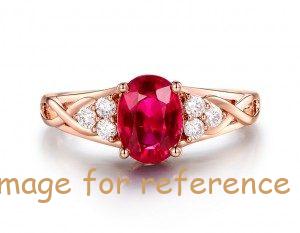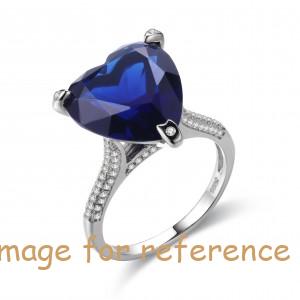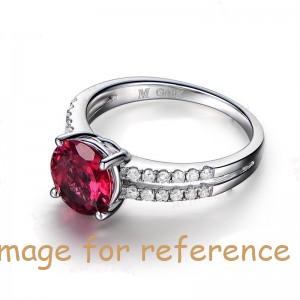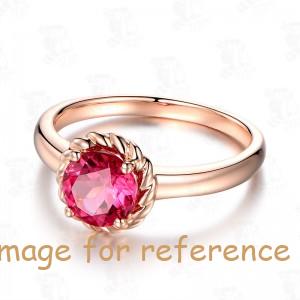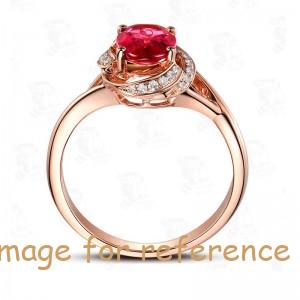
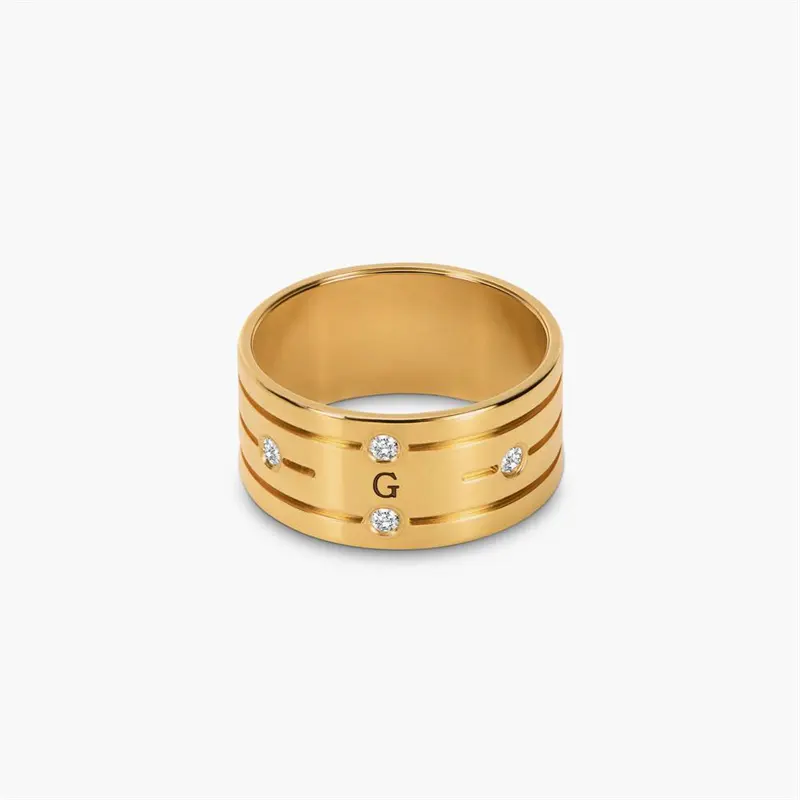
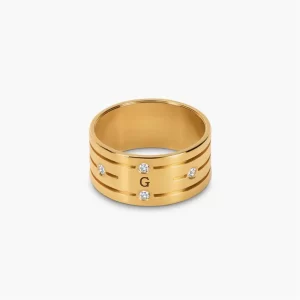
Jingying: Il produttore OEM di anelli in argento sterling o ottone incisi con CZ - Oro
Progettazione di gioielli OEM/ODM Design personalizzato i tuoi gioielli
Iniziamo : mo@kingjy.com
From Digital Concept to Luxury Heirloom: The Complete Manufacturing Guide for Engraved Sterling Silver & Gold Vermeil Rings with CZ at JINGYING
Introduzione: The Architecture of Modern Manufacturing
Nel settore della gioielleria globale, the gap between a designer’s sketch and a finished product is measured in microns of precision and years of工艺 mastery. For brands looking to produce high-end pieces—specifically engraved sterling silver rings set with Cubic Zirconia (Cz) and finished in Gold Vermeil—choosing the right manufacturing partner is not merely a logistical decision; it is a creative one.
Jingying (also known as Chingying Jewelry) has emerged as a leading one-stop OEM/ODM manufacturer in Guangzhou, Cina, serving over 200 marchi in tutto 35 Paesi . Con oltre 23 anni di esperienza, JINGYING specializes in transforming raw materials like 925 sterling silver and 18k gold into durable, ipoallergenico, and fashion-forward pieces .
Questa guida fornisce una panoramica completa, step-by-step technical deep dive into how JINGYING manufactures a complex product: UN Engraved Sterling Silver Ring with CZ Stones, finished with Gold Vermeil. We will explore the intersection of traditional lost-wax casting, precision electroplating, and rigorous quality control that defines modern high-end jewelry production.
Fase 1: Material Sourcing and the Foundation of Quality (Vermeil Standards)
Before any metal is melted or any stone is set, the raw materials must meet stringent specifications. Il termine "Oro" is legally defined; it is not merely "gold plated." According to FTC guidelines and JINGYING’s internal "JINGYING Standard," Vermeil requires a base of sterling silver (92.5% argento puro) coated with a substantial layer of gold—specifically, a minimum thickness of 2.5 micron, though JINGYING often pushes this to 3.0–5.0 microns for luxury durability .
1.1 Il metallo base: 925 Argento sterling
Fonti jingying 925 argento sterling, una lega di 92.5% argento puro e 7.5% rame (per forza). The copper content is crucial; while it hardens the soft silver, it also makes the piece susceptible to tarnishing if not properly plated .
-
Verifica: All'arrivo, every batch of silver is tested using X-Ray Fluorescence (Xrf) analyzers to verify the 92.5% purezza. This eliminates the risk of counterfeit or diluted metals entering the production line .
1.2 Lo strato d'oro (Vermeil)
For the Vermeil finish, JINGYING utilizes high-purity 18k or 22k gold for plating. The higher karat gold is softer and richer in color, providing a deeper yellow hue than standard 14k plating .
1.3 Le pietre preziose: Zirconia cubica (Cz)
Unlike natural gems which have variable inclusions, JINGYING uses lab-grown Cubic Zirconia. This allows for perfect clarity, consistent sizing, and high refractive index (scintillare) at scale. For a high-end finish, the CZ is often sorted using optical sorting machines to ensure that stones on the left side of the ring match the right side within 0.1mm .
Fase 2: Progetto & Prototipazione (CAD alla cera)
The journey of your specific ring begins in the "Digital Atelier." JINGYING employs a team of engineers who use RhinoGold and Matrix software to translate sketches into production-ready CAD files .
2.1 The Engineering Review
This is a critical step that distinguishes JINGYING from low-cost competitors. The engineering team reviews the file for "Progettare per l'eccellenza" (DFX).
-
Stone Setting Geometry: If the design calls for a channel-set or pave CZ ring, the CAD engineer adjusts the prong thickness. Per una maggiore durata, a prong originally designed at 0.3mm is often thickened to 0.5mm to prevent bending during wear .
-
Engraving Depth: For the engraved element (logos or patterns), the CAD must specify a depth of no less than 0.2mm. If the engraving is too shallow, it will be polished away; if too deep, it weakens the ring structure.
2.2 Prototipazione (SLA 3D Printing)
Once the CAD is finalized, the file is sent to high-resolution SLA/DLP 3D printers. The printer builds a wax-like resin model of the ring .
-
IL "Primo articolo" Controllo: The client approves this physical resin prototype. This is the last chance to feel the ergonomics and scale before metal casting.
-
Creazione stampi in gomma: For orders exceeding 100 pezzi, JINGYING converts the master resin into a vulcanized rubber mold. This allows for high-speed wax injection, producing hundreds of identical wax copies for mass production .
Fase 3: Casting – From Fire to Form (Lost Wax Process)
Con i modelli in cera pronti, the manufacturing floor moves to the "Casa del casting" – a high-heat environment where the wax is replaced by solid silver.
3.1 L'albero della cera
Individual wax rings are carefully attached to a central wax "canale di colata" (a wax stick), creating a wax tree. This tree is designed to allow molten metal to flow evenly to every cavity .
3.2 Investment and Burnout
The wax tree is placed in a steel flask and poured with a plaster-like "investimento" materiale. Una volta induriti, the flask is placed in a kiln heated to approximately 800°C.
-
The Burnout: The extreme heat vaporizes the wax, leaving behind a perfect negative cavity of the ring tree inside the plaster .
3.3 Fusione dell'argento
JINGYING uses vacuum casting machines or centrifugal casters. IL 925 sterling silver is melted in a crucible until it is liquid. The plaster mold is spun rapidly while the silver is poured in; centrifugal force and vacuum suction pull the liquid metal into the microscopic cavities, ensuring even the fine details of the engraving and prongs are filled .
Fase 4: Pre-Finishing and Stone Setting
The raw casting emerges from the plaster black and rough. It is now a metal "albero" of rings.
4.1 Cutting and Tumbling
Skilled artisans cut each ring off the tree using a saw. The rough edges where the ring met the sprue (IL "button") are filed down.
-
Crollo: The raw rings are loaded into a tumbler with steel shot, acqua, e composto brunibile. This machine rotates for hours, work-hardening the silver surface and grinding away the casting skin, leaving a preliminary smooth shine .
4.2 Incisione laser
Depending on the complexity, engraving may happen here.
-
Deep Engraving: For deep, tactile engravings, a CNC machine or laser engraver etches the pattern directly onto the metal.
-
Surface Texture: For a matte or satin finish on the engraved areas, artisans use abrasive brushes to create contrast against the polished gold.
4.3 Setting the Cubic Zirconia
This is the most delicate manual step. JINGYING employs specialized setters working under microscopes.
-
Micro-Pavé / Impostazione del potto: Using a pneumatic hammer or graver, the setter raises tiny grains of silver metal over the edge of the CZ to lock it in place .
-
Controllo di sicurezza: Every single stone is physically probed by the setter. According to JINGYING protocols, a steel needle is used to beat the stone one by one to ensure no "rocking" or movement. They also perform a drop test from 3 meters on sample pieces to guarantee the CZ will not fall out during daily wear .
Fase 5: The Alchemy of Gold Vermeil Plating
The silver ring is now beautiful, but it is raw silver. To become "Oro," it must undergo electroplating. JINGYING emphasizes that plating is 90% pulizia .
5.1 The Preparation Ritual
If the ring is plated with even a speck of dust or oil, the gold will peel.
-
Pulizia ad ultrasuoni: The rings are submerged in heated alkaline solutions with high-frequency sound waves that scrub microscopic dirt from the CZ settings and engraving crevices.
-
Elettrocleaning: The ring becomes an electrode in a chemical bath. The electrical current creates hydrogen gas bubbles that physically blast away remaining impurities .
-
The Water-Break Test: Operators perform an audit where a clean ring is rinsed with deionized water. If the water forms a continuous, unbroken film, the surface is perfect. If the water beads up, contamination remains, and the ring is sent back for re-cleaning .
5.2 Il processo di galvanica
The clean rings are mounted on specialized racks (cathodes) and submerged into a tank of potassium gold cyanide solution.
-
Densità di corrente: Usi jingying "Placcatura a impulsi" rectifiers. Instead of constant direct current, pulse plating sends bursts of electricity. This creates a denser, Più forte, and smoother gold deposit with fewer pores .
-
Thickness Build: The ring remains in the tank for a controlled duration (often 3–15 minutes) to achieve the 3-micron thickness required for Vermeil. Many competitors stop at 0.5 micron ("flash plating"), but JINGYING’s process ensures legal Vermeil status and longevity (often lasting 1+ years of wear) .
-
Color Matching: Oro giallo, oro rosa, o oro bianco (Rhodium) finishes are available by adjusting the metal salts in the solution.
Fase 6: Quality Control and The Final Inspection
A Jingying, QC is not a single department; it is a culture integrated into every station. A 10-engineer team performs checks at each process .
6.1 The 7-Point Checklist
Before a ring is packaged, it faces a gauntlet of tests :
-
Controllo delle dimensioni: Digital calipers verify the inner diameter (ring size) and outer width.
-
Sicurezza in pietra: As mentioned, a mechanical probe tests every CZ.
-
Adesione a placcatura: A random sample is subjected to a "prova su nastro" or a thermal shock test. If any gold flakes off, the entire batch is rejected and stripped in a reverse-plating bath to start over.
-
Micron Thickness Test: An XRF analyzer scans the ring to digitally verify the gold layer is between 3 E 5 micron. The client receives a printed report from this machine .
-
Visual Aesthetics: Con ingrandimento 10x, inspectors check for "orange peel" effetto (bumpy plating), graffi, or missed spots in the engraving.
-
Wearability Test: The ring is slid onto a mandrel to check for sharp edges inside the shank (the part touching the finger) that would irritate the skin.
-
Final Steam Clean: A high-pressure steam blast removes all handling fingerprints and dust.
6.2 Salt Spray and Sweat Testing
For clients requiring medical or sports jewelry, JINGYING performs accelerated corrosion tests. The ring is placed in a salt spray chamber for 24-48 ore. Because sterling silver is hypoallergenic and the gold layer is thick, the ring resists turning the skin green or corroding .
Fase 7: Logistics and Packaging
Una volta approvato, the rings enter the finishing department.
7.1 Imballaggio personalizzato
JINGYING offers a one-stop solution including packaging. The rings are placed in custom polybags or luxury boxes.
-
Anti-ossidazione: The bags often include anti-tarnish strips to keep the silver base from oxidizing before sale.
-
Etichettatura: Codici a barre, SKU numbers, E "Oro" francobolli (PER ESEMPIO., "925" with a hallmark) are added .
7.2 Global Fulfillment
Con 45% of their volume going to North America, JINGYING is well-versed in logistics. They offer DDP (Offitato da dazio pagato) spedizione, meaning the client does not have to handle complex customs clearance .
Tempo di consegna della produzione:
-
Prototipazione: 7–10 giorni.
-
*Produzione di massa (500-1000 PC):* 25–35 days .
Conclusione: Why Precision Manufacturing Matters
Manufacturing an Engraved Sterling Silver Ring with CZ and Gold Vermeil is a marriage of chemistry (placcatura), physics (casting), e artistico (collocamento). A Jingying, the process is designed to eliminate variables. Through rigorous material verification (Test XRF), advanced engineering (Progettazione CAD & pulse plating), and relentless manual inspection (steel needle stone testing), JINGYING produces jewelry that does not just look expensive—it soggiorni Bellissimo.
For brands looking to scale, JINGYING offers not just a factory, but a partnership that transforms 3D designs into physical luxury, ensuring that every ring that leaves the Guangzhou facility meets the "JINGYING Standard" of excellence.