
Come realizzare la collana intrecciata in oro e argento: Una guida completa
Sommario
-
Introduction to Entwine Gold Silver Necklace Manufacturing
-
Understanding the Entwine Design Concept
-
Fare un passo 1: Design Development and Technical Specifications
-
Fare un passo 2: Selezione del materiale (Oro, Argento, and Alloys)
-
Fare un passo 3: Modellazione e prototipazione CAD
-
Fare un passo 4: Wax Mold Creation and Casting Process
-
Fare un passo 5: Metal Forming and Twisting Techniques
-
Fare un passo 6: Assembly and Component Integration
-
Fare un passo 7: Surface Finishing and Polishing
-
Fare un passo 8: Controllo qualità e test
-
Fare un passo 9: Plating and Final Touches
-
Fare un passo 10: Imballaggio e marchio
-
Production Equipment and Tools Required
-
Cost Analysis and Pricing Strategy
-
Common Manufacturing Challenges and Solutions
-
Caso di studio: Successful Entwine Necklace Production
-
Sostenibilità nella produzione di gioielli
-
Marketing and Selling Your Entwine Necklace
-
Future Trends in Twisted Metal Jewelry
-
Conclusione e passi successivi
1. Introduction to Entwine Gold Silver Necklace Manufacturing
The Entwine Gold Silver Necklace represents a beautiful fusion of two precious metals, creating a visually striking piece that combines the warmth of gold with the cool elegance of silver. This manufacturing guide will take you through the complete production process, from initial design concepts to final quality control.
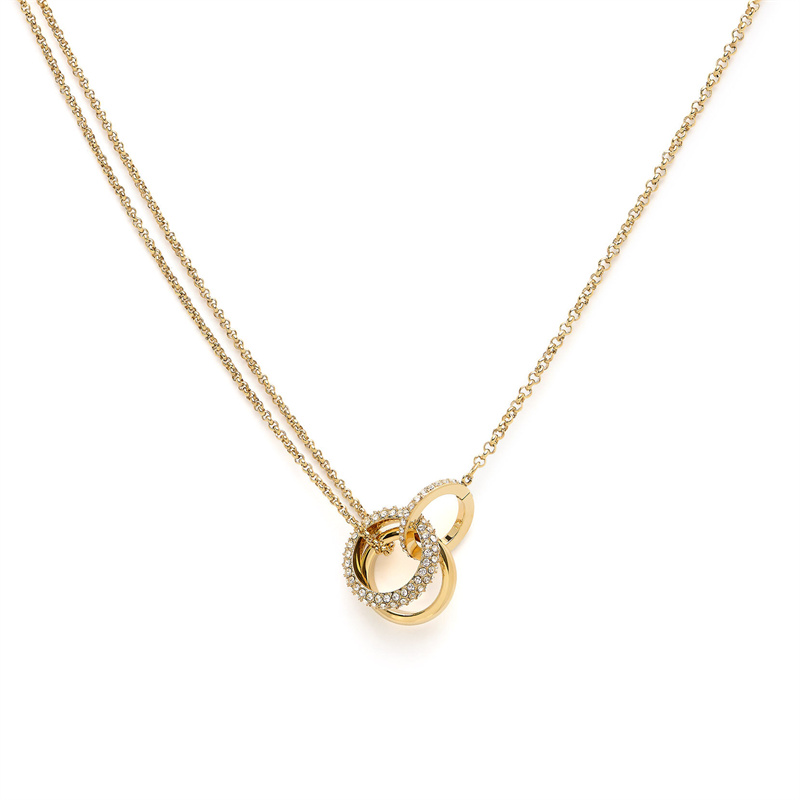
Unlike standard chain necklaces, the Entwine design requires specialized techniques to properly twist and secure the metals without compromising structural integrity. The manufacturing process demands precision at every stage, particularly when working with two different metals that have distinct properties.
This comprehensive guide covers all aspects of production, tra cui:
-
Design considerations for entwined jewelry
-
Material compatibility between gold and silver
-
Specialized twisting and forming techniques
-
Quality assurance for mixed-metal jewelry
-
Cost-effective production methods
Whether you’re an established jewelry brand or an entrepreneur launching a new line, understanding these manufacturing processes will help you create high-quality pieces that stand out in the market.
2. Understanding the Entwine Design Concept
Il design Entwine presenta due o più fili di metallo intrecciati insieme per creare un effetto armonioso, modello fluido. Questo stile è diventato sempre più popolare nella gioielleria contemporanea grazie alla sua rappresentazione simbolica dell'unità e al suo aspetto visivamente dinamico.
Elementi chiave di progettazione:
-
Modello a torsione: Può essere stretto (come una corda) o sciolto (effetto intrecciato)
-
Rapporto metallo: In genere 50/50 oro e argento, ma personalizzabile
-
Spessore del filo: Solitamente 1-3 mm per filo per una flessibilità ottimale
-
Integrazione della chiusura: Deve accogliere il design contorto
-
Opzioni di lunghezza: Standard 16-20 pollici con prolunga da 2 pollici
Considerazioni tecniche:
-
Compatibilità con i metalli: L'oro e l'argento hanno diversi livelli di durezza
-
Coerenza della torsione: Mantenere una tensione uniforme durante tutto il percorso
-
Durata: Garantire che la torsione non si allenti nel tempo
-
Distribuzione del peso: Bilanciare la collana per indossarla comodamente
3. Fare un passo 1: Design Development and Technical Specifications
La creazione delle specifiche tecniche è fondamentale prima dell’inizio della produzione. Questa fase comporta:
UN. Progettare concettualizzazione
-
Disegnare il motivo dell'intreccio (elica, spirale, o treccia)
-
Determinazione del numero di torsioni per pollice
-
Meccanismi di chiusura ed estensione di progettazione
B. Disegni Tecnici
-
Mostra di disegni CAD dettagliati:
-
Sezione trasversale della torsione
-
Punti di connessione
-
Integrazione con chiusura
-
-
Specifica di tutte le dimensioni e gli angoli
C. Specifiche dei materiali
-
Composizione della lega d'oro (14K, 18K, ecc.)
-
Purezza dell'argento (925 norma della sterlina)
-
Spessore della placcatura se si utilizza oro vermeil
4. Fare un passo 2: Selezione del materiale (Oro, Argento, and Alloys)
La scelta dei metalli giusti è fondamentale sia per l’estetica che per la durata.
Opzioni d'oro:
| Tipo | Contenuto d'oro | Caratteristiche |
|---|---|---|
| 24K | 99.9% | Troppo morbido per intrecciare i disegni |
| 18K | 75% | Buon equilibrio purezza/forza |
| 14K | 58.3% | Più resistente per l'uso quotidiano |
| Riempito d'oro | 5%+ | Alternativa economica |
Opzioni argento:
-
925 Argento sterling: Standard per la gioielleria
-
Argento Argentato: More tarnish-resistant
-
Argentato: Opzione di bilancio (non raccomandato per pezzi premium)
Considerazioni sull'abbinamento dei materiali:
-
Corrispondenza della durezza: Garantire una durata simile
-
Contrasto di colore: Oro giallo contro. l'argento bianco crea una visuale sorprendente
-
Tassi di ossidazione: Metalli diversi possono ossidarsi a velocità diverse
5. Fare un passo 3: Modellazione e prototipazione CAD
La moderna produzione di gioielli fa molto affidamento sulla tecnologia CAD per la precisione.
Processo di progettazione CAD:
-
Crea un modello 3D del modello di torsione
-
Simula il comportamento del metallo durante la torsione
-
Prova virtualmente diversi spessori di filo
-
Generare file tecnici per la prototipazione
Metodi di prototipazione:
-
3D Cera stampata: Per la fusione di prototipi
-
Sinterizzazione laser: Prototipi in polvere metallica
-
Campioni fabbricati a mano: Per la convalida del progetto
La prototipazione in genere richiede 2-3 iterazioni prima di finalizzare il progetto per la produzione.
6. Fare un passo 4: Wax Mold Creation and Casting Process
Il metodo di fusione a cera persa è più comune per i modelli intrecciati.
Processo di fusione:
-
Crea uno stampo in gomma da un prototipo approvato
-
Iniettare la cera nello stampo per creare modelli
-
Costruisci un albero di cera con più copie di collane
-
Investi l'albero di cera in materiale simile al gesso
-
Brucia la cera per creare uno stampo cavo
-
Versare il metallo fuso nello stampo
-
Rimuovere il materiale di rivestimento
-
Taglia i singoli pezzi dall'albero
Considerazioni speciali:
-
Diversi punti di fusione per oro e argento
-
Potenziale necessità di fusione separata dei componenti
-
Controlli dell'integrità del metallo post-fusione
7. Fare un passo 5: Metal Forming and Twisting Techniques
Questa è la fase più specializzata della produzione.
Metodi di torsione:
-
Torsione manuale:
-
Fatto da abili artigiani
-
Permette il biologico, modelli irregolari
-
Richiede tempo ma massima qualità
-
-
Torsione a macchina:
-
Utilizza macchine torcitrici specializzate per gioielli
-
Garantisce una perfetta uniformità
-
Produzione più rapida per grandi quantità
-
Fasi del processo:
-
Ricottura i metalli per renderli flessibili
-
Fissare le estremità con una maschera attorcigliata
-
Applicare una tensione costante durante la torsione
-
Misurare la frequenza di torsione (torsioni per pollice)
-
Trattare termicamente per fissare la torsione in modo permanente
8. Fare un passo 6: Assembly and Component Integration
Mettere insieme tutti i componenti richiede precisione.
Attività chiave di assemblaggio:
-
Aggancio dei meccanismi di chiusura
-
Integrazione di eventuali ciondoli o charms
-
Punti di connessione per saldatura
-
Garantire una transizione fluida nell'area della chiusura
Controlli di qualità:
-
Verificare che la torsione rimanga uniforme vicino alla fibbia
-
Testare la funzionalità della chiusura
-
Verificare la presenza di spigoli vivi
9. Fare un passo 7: Surface Finishing and Polishing
L'aspetto finale si ottiene attraverso una finitura meticolosa.
Opzioni di finitura:
-
Alto polacco: Lucentezza a specchio
-
Finitura opaca: Aspetto spazzolato
-
Finitura bicolore: Diverse texture su oro/argento
-
Ossidazione: Effetto anticato
Processo di lucidatura:
-
Lucidatura iniziale grossolana
-
Lucidatura fine con mole progressivamente più morbide
-
Pulizia ad ultrasuoni
-
Lucidatura finale a mano
10. Fare un passo 8: Controllo qualità e test
Test rigorosi garantiscono la longevità del prodotto.
Test di qualità:
-
Prova di tensione: Simula anni di usura
-
Prova dell'appannamento: Esposizione al sudore artificiale
-
Prova di fatica della chiusura: Apertura/chiusura ripetuta
-
Verifica della purezza del metallo: Test XRF
Standard di settore:
-
Standard ASTM per i gioielli
-
Certificazione SGS
-
Iso 9001 conformità
11. Fare un passo 9: Plating and Final Touches
Ulteriori miglioramenti per pezzi premium.
Opzioni di placcatura:
-
Rhodium: Per maggiore brillantezza e protezione
-
Placcatura d'oro: Opzioni di spessore (0.5-2.5 micron)
-
Rivestimenti anti-targale: Per componenti in argento
Passaggi finali:
-
Incisione laser (se richiesto)
-
Pulizia finale ad ultrasuoni
-
Ispezione individuale
12. Fare un passo 10: Imballaggio e marchio
La presentazione aumenta il valore percepito.
Opzioni di imballaggio:
-
Astucci per gioielli in velluto
-
Borse in pelle
-
Materiali ecologici
-
Inserti personalizzati con marchio
Elementi di marchio:
-
Posizionamento del logo
-
Carte di garanzia della qualità
-
Istruzioni per la cura
13. Production Equipment and Tools Required
Strumenti specializzati per la produzione intrecciata:
Attrezzatura essenziale:
-
Macchina per la colata di gioielli
-
Maschere e macchine per torcitura
-
Saldatore laser per riparazioni
-
Sistema galvanico
-
Pulitore ad ultrasuoni
Utensili manuali:
-
Pinze per gioielli (Piatto, catena, flessione)
-
Lime di precisione
-
Motori lucidanti
-
Micro torce
14. Cost Analysis and Pricing Strategy
Comprendere i costi di produzione è vitale per la redditività.
Fattori di costo:
-
Prezzi di mercato dei metalli (il prezzo spot dell'oro varia quotidianamente)
-
Costi del lavoro (torsione a mano vs macchina)
-
Manutenzione dell'attrezzatura
-
Certificazione e test
-
Costi di imballaggio
Modelli di prezzo:
-
Prezzo maggiorato
-
Prezzi competitivi sul mercato
-
Prezzi premium di lusso
15. Common Manufacturing Challenges and Solutions
| Sfida | Soluzione |
|---|---|
| Torsione irregolare | Utilizzare torcitoi calibrati |
| Fatica del metallo | Ricottura corretta durante la produzione |
| Mancata corrispondenza del colore | Controllo costante dello spessore della placcatura |
| Debolezza della chiusura | Punti di saldatura rinforzati |
16. Caso di studio: Successful Entwine Necklace Production
Cliente: Gioielli LuxeTwist
Progetto: 18Collana intrecciata in oro K/argento 925
Risultati:
-
30% margini di profitto più elevati rispetto alle catene standard
-
Presentato su Vogue e Harper's Bazaar
-
92% valutazione della soddisfazione del cliente
-
40% tasso di acquisto ripetuto
17. Sostenibilità nella produzione di gioielli
Le pratiche eco-consapevoli acquistano importanza:
-
Metalli riciclati
-
Certificazioni di approvvigionamento etico
-
Processi chimici ridotti
-
Imballaggio biodegradabile
18. Marketing and Selling Your Entwine Necklace
Strategie efficaci:
-
Fotografia di lifestyle che enfatizza i dettagli della svolta
-
“Come è fatto” contenuti dietro le quinte
-
Collaborazioni con influencer
-
Opzioni di personalizzazione per la personalizzazione
19. Future Trends in Twisted Metal Jewelry
Sviluppi emergenti:
-
Torsioni a tre metalli (aggiungendo oro rosa)
-
Combinazioni di metalli testurizzati
-
Integrazioni intelligenti di gioielli
-
Sistemi di torsione modulari
20. Conclusione e passi successivi
La produzione di una collana in oro e argento intrecciato richiede conoscenze specializzate ma offre un eccellente potenziale di mercato. Seguendo questa guida completa, puoi:
-
Sviluppare progetti tecnicamente validi
-
Seleziona i materiali ottimali
-
Implementare processi produttivi efficienti
-
Garantire rigorosi standard di qualità
-
Commercializza il tuo prodotto unico in modo efficace
Passaggi successivi:
-
Consultare esperti di produzione di gioielli
-
Creare campioni prototipo
-
Stabilire protocolli di controllo qualità
-
Sviluppa la tua strategia di marchio