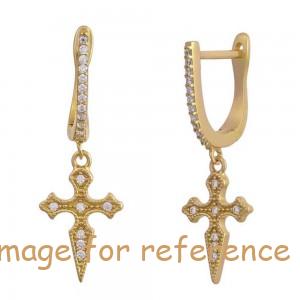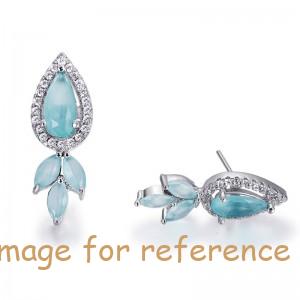
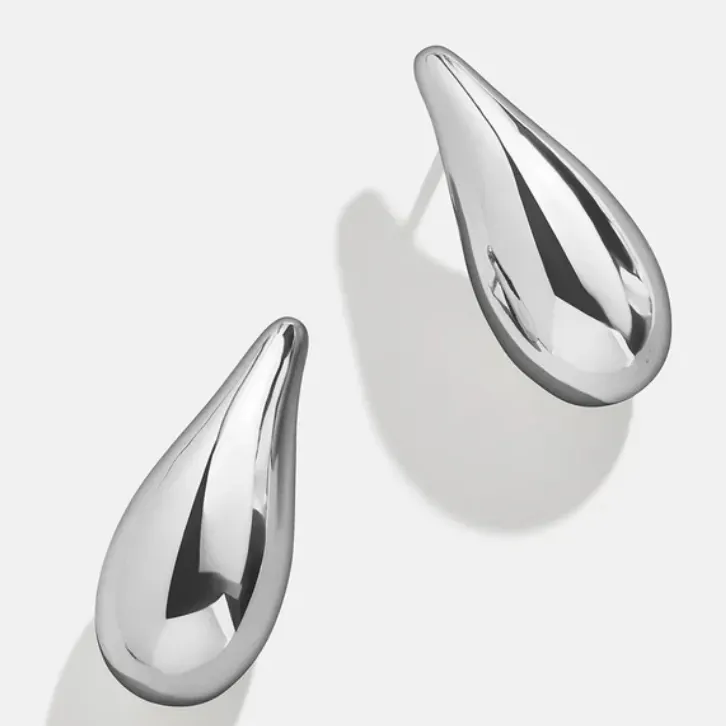
Jinging : Entreprises de personnalisation de masse de boucles d’oreilles Ella
Conception du fabricant de bijoux OEM / ODM Custom Vos propres bijoux
Commençons : mo@kingjy.com
JINGYING et les boucles d'oreilles Ella: Une étude sur la personnalisation de masse
Introduction
L'industrie de la bijouterie, longtemps défini par la tradition, artisanat, et exclusivité, se trouve à un carrefour critique. D'un côté, les maisons patrimoniales protègent les conceptions centenaires; de l'autre, une nouvelle génération de consommateurs exige la personnalisation, vitesse, et transparence. Cette tension a donné naissance à une puissante stratégie commerciale: personnalisation de masse. Cet article examine le concept sous deux angles distincts: le "Boucles d'oreilles Ella," un nom de produit partagé par plusieurs marques artisanales, et JINGYING, un fabricant de bijoux chinois qui illustre l'épine dorsale industrielle permettant une personnalisation à grande échelle.
Les boucles d'oreilles Ella destinées aux consommateurs: Une histoire de deux produits
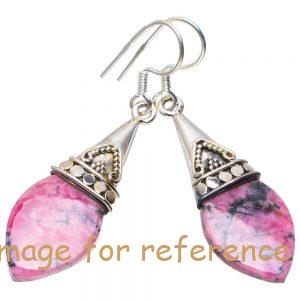
Le nom "Boucles d'oreilles Ella" apparaît sur le marché des accessoires de luxe, mais sa signification change radicalement selon la marque. À Jennifer Behr, la boucle d'oreille Ella est une délicate, pièce de prêt-à-porter comportant "deux papillons avec des détails gravés réalistes," fabriqué à la main à New York en laiton plaqué or . Cette version est vendue sous forme de produit fini avec un dimensionnement standardisé et une personnalisation limitée au-delà des options de vente au détail standard..
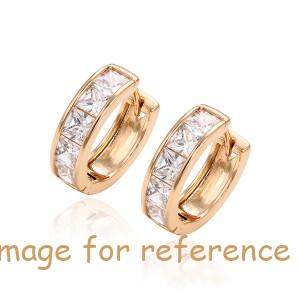
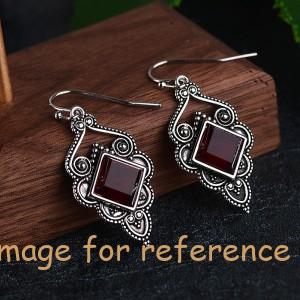
En revanche, Kit de couchage propose une proposition totalement différente. Leurs boucles d'oreilles Ella, le prix est supérieur à $600, sont "fabriqué à la main et entièrement personnalisé" avec "fond amovible à pompon[s]" . Bounkit invite explicitement les clients à co-créer: "Chaque pièce est conçue individuellement et fabriquée sur commande, vous offrant la liberté créative pour donner vie à votre vision" . De la même manière, marque australienne Tania Maras propose un "Ella" boucle d'oreille en perles qui peut être "personnalisé à votre convenance," avec des modifications de taille et de détails discutées au cas par cas .
Ces exemples illustrent le spectre de la personnalisation dans le secteur de la bijouterie. À une extrémité se trouve le "configurer sur commande" modèle (Jennifer Behr), où le produit est fixe mais la production est réalisée sur commande. De l'autre se trouve le "co-conception" modèle (Kit de couchage, Tania Maras), où le client influence directement la conception. Les deux sont des formes de personnalisation de masse, mais ils nécessitent des capacités de chaîne d'approvisionnement très différentes .
Jinging: Le moteur OEM/ODM derrière la personnalisation
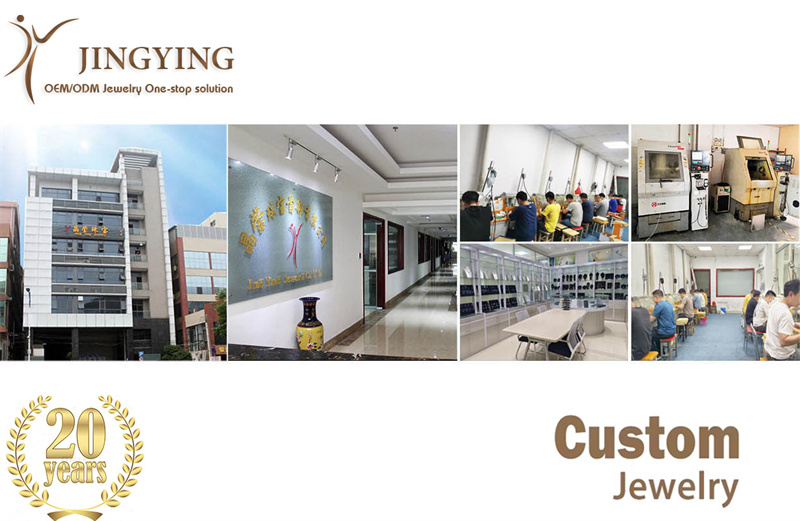
Si des marques comme Bounkit représentent le visage public de la personnalisation, Bijoux jingants représente l'infrastructure cachée. Établi dans 1998, JINGYING est un fabricant basé à Guangzhou qui propose un guichet unique OEM/ODM (Fabricant d'équipement d'origine / Fabricant de conception d'origine) services . Ils ne vendent pas directement aux consommateurs; plutôt, ils permettent à d'autres marques de proposer des bijoux personnalisés.
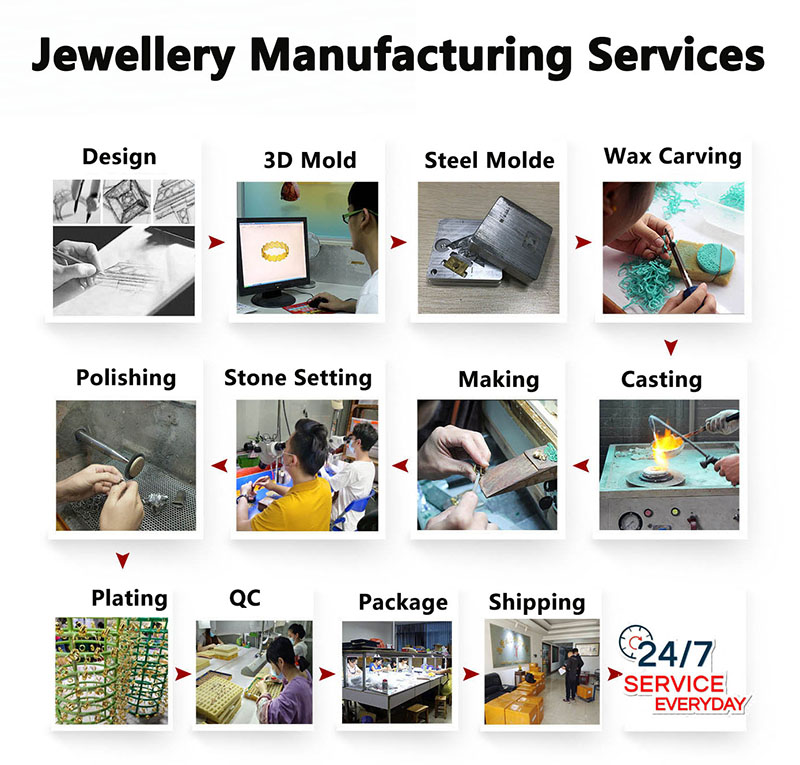
La capacité principale de JINGYING réside dans la flexibilité des matériaux. Ils fabriquent en "cuivre plaqué or, argent sterling (925) plaqué or, et des options potentiellement en or massif," dont 9K, 10K, 14K, et or 18 carats . Cela permet à une marque comme Bounkit d'offrir à ses clients des choix de types de métaux., placage, et sertissage de pierre sans posséder de fonderie. Le service de JINGYING inclut explicitement la possibilité de "créez une superbe collection de bijoux d'art dans la fabrication de bijoux raffinés en utilisant uniquement vos pensées, photos, ou conceptions CAO" .
C'est l'essence même du "masse" en personnalisation de masse. JINGYING s'appuie sur plus de deux décennies d'expérience et une configuration d'usine évolutive pour produire de petits lots (ou même des pièces uniques) à des prix compétitifs . Ils absorbent la complexité de l’approvisionnement en matériaux, fonderie, placage, et contrôle de la qualité, permettre aux marques de se concentrer sur le design, commercialisation, et interaction client.
La technologie comme catalyseur: De la CAO à l'impression 3D
La faisabilité technique de la personnalisation de masse des bijoux a considérablement progressé grâce aux technologies numériques.. Des recherches sur le "Conception de bijoux" le concept met en évidence comment "personnalisation de masse, réseaux sociaux, commerce électronique et fabrication rapide (alias. 3D Impression) ont été appliqués dans un contexte de bijoux précieux" . L'étude a révélé que les clients "j'ai apprécié l'expérience de codedesign" et étaient "agréablement surpris par leurs créations" .
Des travaux universitaires plus récents sur la conception informatique et la fabrication additive démontrent comment "les clients qui souhaitent personnaliser eux-mêmes les articles" peut modifier des modèles numériques, permettre "un nouveau, engageant, et expérience de magasinage interactive" . Ce processus implique souvent la création d'un modèle CAO qui peut être "3D imprimé en cire et coulé dans un métal précieux de votre choix" . JINGYING invite explicitement les clients à soumettre "Designs CAO" pour la production , indiquant qu'ils sont intégrés dans ce workflow numérique.
Un autre concept critique est le pré-assemblage, ce qui implique "expédier les produits immédiatement après réception des commandes des clients" . Alors que des marques comme Bounkit fabriquent des pièces "fait sur commande" à partir de zéro , Le rôle de JINGYING consiste probablement à maintenir un certain degré de modularité dans la production. Composants pré-assemblés (Par exemple, paramètres ou chaînes génériques) peut être rapidement personnalisé avec des pierres spécifiques, gravures, ou finitions, réduire les délais de livraison pour le client final .
Le "Ella" Cas: Un cadre d’analyse
La différence entre les boucles d'oreilles Jennifer Behr Ella et les boucles d'oreilles Bounkit Ella n'est pas seulement une question de style.; c'est le reflet du modèle de chaîne d'approvisionnement. La version de Jennifer Behr est un SKU standardisé produit en lots plus importants, probablement avec un partenaire de fabrication traditionnel. La version de Bounkit, cependant, s'appuie sur un partenaire comme JINGYING ou un OEM similaire à haute flexibilité.
En proposant une personnalisation, Bounkit peut augmenter la valeur perçue de son produit ($608.88 contre. Jennifer Behr $198) tout en gérant le risque d'inventaire : ils fabriquent chaque pièce après qu'une commande soit passée . Il s'agit d'une application classique de la théorie de la personnalisation de masse: report. La capacité de JINGYING à basculer entre les matériaux (or, argent, cuivre) et processus (fonderie, placage, étage) permet à Bounkit de proposer le "fond amovible à pompon" et "design d'inspiration vintage et art déco" qui définit leur produit unique .
Conclusion
Le cas des boucles d'oreilles Ella et JINGYING Jewelry révèle que la personnalisation de masse dans l'industrie de la bijouterie n'est pas un processus unique mais un écosystème collaboratif.. Cela repose sur:
-
Intermédiaires de marque (Kit de couchage, Tania Maras) qui organisent l'expérience client et collectent les demandes de personnalisation.
-
Partenaires de fabrication (Jinging) qui fournissent l'expertise matérielle, lignes de production flexibles, et intégration numérique (CAD / CAM) nécessaire pour exécuter ces demandes à grande échelle.
-
Technologie (3D Impression, conception informatique) qui réduit le coût de production de géométries uniques.
Pour le consommateur, cela signifie que les boucles d'oreilles Ella peuvent être un bien de luxe à prix fixe ou une pièce unique., héritage co-créé. Pour l'industrie, cela signale un changement de "fait pour stocker" à "fait sur commande"—un changement où des entreprises comme JINGYING ne sont plus seulement des fournisseurs mais des partenaires stratégiques dans l'économie de la personnalisation. Comme l’a noté une étude, la personnalisation de masse permet "une gestion des coûts et des prix plus fine," ce qui est essentiel à la rentabilité . L'avenir du luxe ne réside pas dans l'uniformité, mais dans la capacité de transmettre l'individualité de manière efficace, magnifiquement, et à grande échelle.