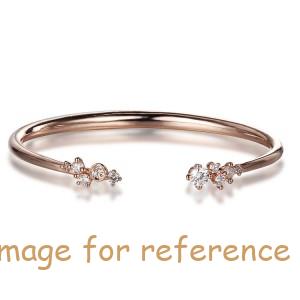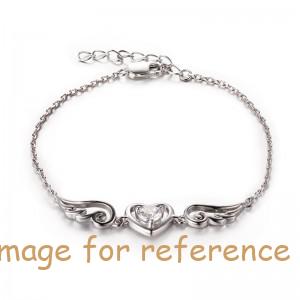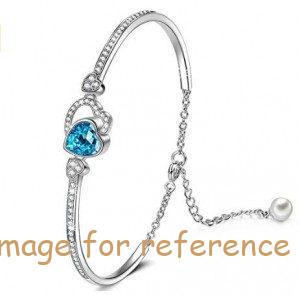
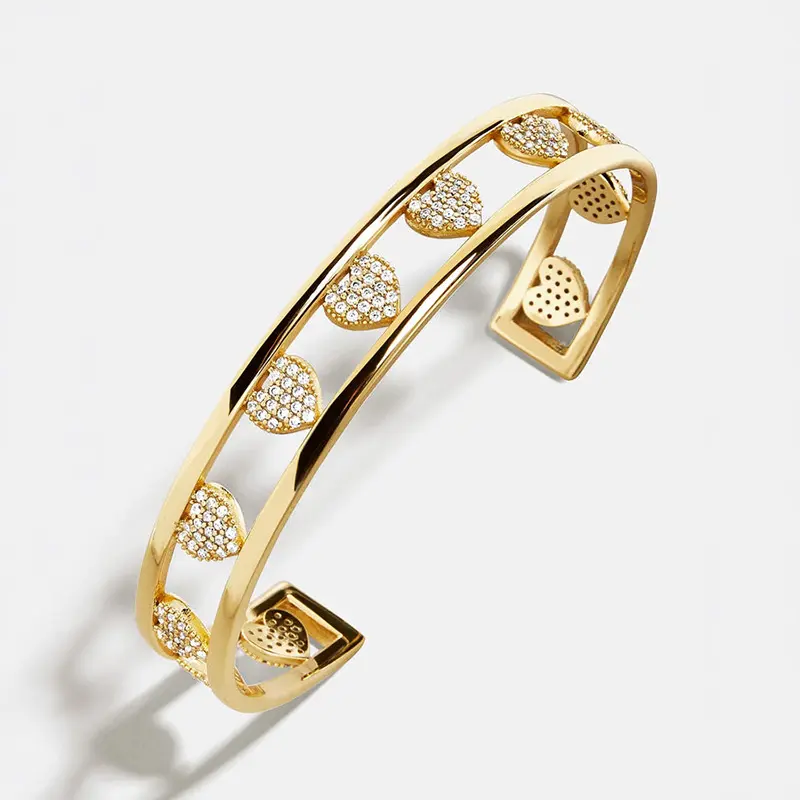
Pulsera de puño de corazón de oro de 18 quilates de fábrica de joyería de moda personalizada
Diseño del fabricante de joyas OEM/ODM personalizado sus propias joyas
Empecemos : mo@kingjy.com
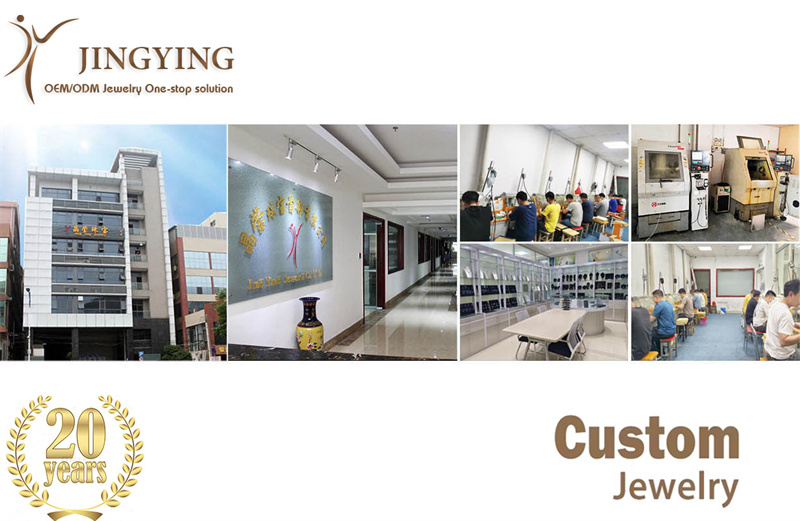
The Art and Science of Crafting an 18K Gold Heart Cuff Bracelet
The creation of an 18-karat gold heart cuff bracelet represents a convergence of metallurgical science, artistic design, y artesanía meticulosa. Este artículo proporciona una visión completa, technical exploration of the entire manufacturing process, from the initial alloy formulation to the final polishing stages. The journey from raw materials to a finished piece of high-end jewelry is complex, requiring a deep understanding of material properties, ingeniería de precisión, and traditional hand-finishing techniques.
Metallurgical Foundation: The 18K Gold Alloy
The process begins with the creation of the 18K gold alloy itself. Pure 24-karat gold is too soft and malleable for practical jewelry applications; it is prone to bending, rascarse, and general wear. Por lo tanto, pure gold is alloyed with other metals to enhance its strength, durabilidad, and workability, while also influencing its color. Por definición, 18-Karat Gold es 75% pure gold by weight. El restante 25% consists of other elements, and the specific composition of this 25% dictates the final properties of the alloy.
Material Composition and Its Implications
The most common alloying elements for 18K yellow gold are silver, cobre, y zinc. One source provides a specific formula for an 18K gold bracelet material: 75.2% oro, 13.69% cobre, 7.44% níquel, y 3.66% zinc. Another indicates a composition of 75-80% oro, 18.9-21.7% plata, 0.1-0.3% níquel, y 1-3% zinc, with silver being used to maintain the yellow hue while enhancing workability. The inclusion of copper serves a dual purpose: it imparts strength and helps achieve the rich warm color characteristic of 18K yellow gold. The addition of nickel or zinc further contributes to the alloy's hardness and castability.
The Challenge of Grain Refinement
A critical aspect of gold alloy production is controlling the microstructure of the metal through grain refinement. The grain size has a direct impact on the metal's workability, aesthetic quality, y resistencia a la corrosión. It is a common industrial practice to add small amounts of elements like iridium to act as grain refiners. These elements create nucleation centers during solidification, resulting in a finer, more uniform crystalline structure. Sin embargo, iridium is expensive and its use makes the production process more complex and costly. Recent advancements in thermomechanical processing offer an alternative. By optimizing the sequence of cold-working (rolling) and annealing (tratamiento térmico), it is possible to achieve a final product with properties comparable to an iridium-refined alloy. This is a significant development for the industry, permitiendo la reducción de costos y la simplificación de procesos sin sacrificar la calidad.
Proceso de fabricación paso a paso
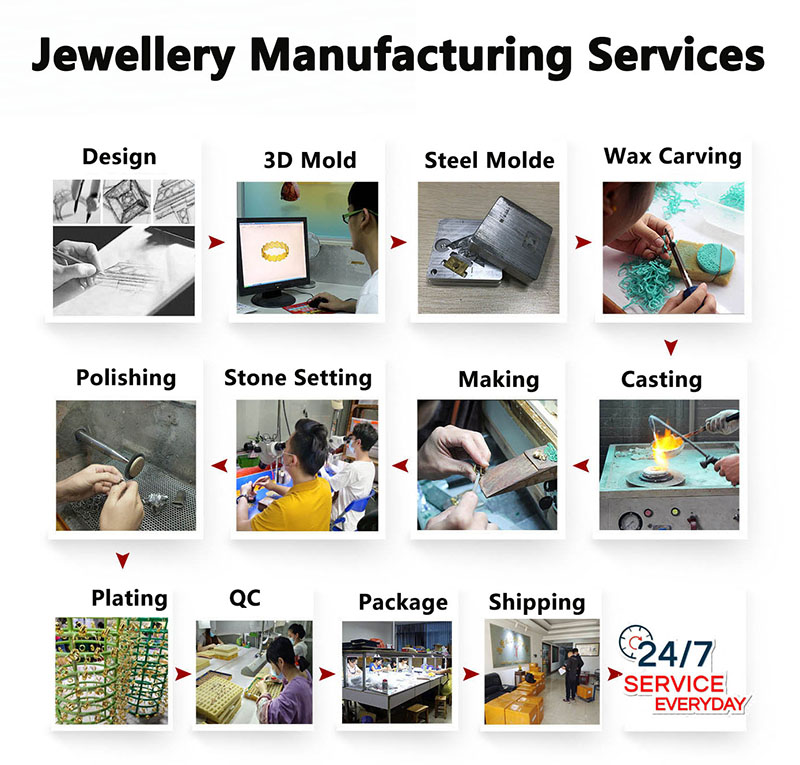
La transformación de una aleación de oro en un brazalete con forma de corazón suele seguir una secuencia de procesos industriales y artesanales.. Un método general para fabricar joyas de oro de 18 quilates se puede dividir en varias etapas clave.: fundición, fundición, refinamiento, y tratamiento de superficies.
1. Fusión y fundición
El proceso comienza con el pesado pesaje y combinación de los metales puros según la fórmula elegida.. Estas materias primas se colocan luego en un crisol y se funden bajo la protección de un gas inerte., como argón o nitrógeno, para prevenir la oxidación. Esta fusión normalmente se realiza en un horno de inducción especializado., que utiliza campos electromagnéticos para calentar el metal de forma rápida y uniforme. The molten metal is then poured into a forming mold under an inert gas atmosphere. For a cuff bracelet, this could involve casting a long rectangular bar or "stripe" of metal, a process known as continuous casting. The cooling rate during this phase is crucial for controlling the initial grain structure of the alloy and preventing excessive oxidation.
2. Forming the Cuff
el crudo, cast metal bar is far from its final bracelet form. It undergoes a series of forming processes that shape it into the familiar cuff profile. This is typically achieved through a combination of forging, rolling, and annealing. Cold deformation, such as rolling the cast bar through a mill, work-hardens the metal, making it harder and more brittle. To regain the metal's ductility and allow for further shaping, the piece must be annealed. Annealing involves heating the metal to a specific temperature (Por ejemplo, arriba 830 °C) and then rapidly quenching it, which recrystallizes the grains and softens the material. This cycle of rolling and annealing is repeated until the metal reaches the desired thickness and shape. The final shape is often achieved using a CNC (Control numérico por computadora) machining to ensure precision and consistency, creating the perfectly circular or oval shape of the bracelet body and the specific details of the heart motif.
3. Intricate Assembly and Finishing
With the base components formed, the detailed work begins. This is where the heart design is fully realized. This stage requires a skilled artisan's attention to detail and involves a combination of hand and machine tools. The heart motif might be crafted separately and then welded to the bracelet using a laser welding technique. Laser welding provides a precise, clean joint that minimizes heat-affected zones and prevents the metal from distorting. Once the main assembly is complete, the bracelet enters a rigorous finishing phase. Esto incluye "fine clamping, soldadura láser, repairing and shaping, fine grinding and polishing" to prepare the surface for its final treatment.
4. Surface Treatment: El proceso de electroplacas
To ensure a flawless, coherente, and brilliant gold finish, the bracelet undergoes an electroplating step. This serves several purposes. Electroplating restores the true color of the gold, giving it a more uniform and vibrant appearance than bare 18K gold might have. It also creates a final protective layer that enhances the piece's tarnish resistance and gives it its signature luster. The process involves making the bracelet the cathode in an electroplating bath containing a gold-based solution. When an electric current is passed through the solution, gold ions are deposited onto the jewelry's surface, creating a thin, high-quality gold layer. The industry is increasingly moving towards cyanide-free electroplating solutions for environmental and safety reasons. One such solution uses a mixture of gold, cobre, and indium, claiming to improve stability, dispersibility, y calidad general. This process provides a final, pure gold layer that is durable, resistente a la corrosión, and aesthetically perfect.
Advanced Additive Manufacturing
While the traditional casting and forming process is the industry standard, an advanced alternative is emerging through additive manufacturing, commonly known as 3D printing. Techniques like binder jetting offer the "libertad de diseño casi ilimitada" y son particularmente adecuados para crear piezas de joyería complejas o personalizadas.. El proceso consiste en imprimir un polvo metálico. (en este caso, un polvo de aleación de oro de 18 quilates) usar un aglutinante líquido para unir las partículas capa por capa. El resultado "verde" Luego, la pieza se sinteriza en un horno para quemar el aglutinante y fusionar las partículas de metal., logrando una alta densidad. Continúa la investigación sobre este método para aleaciones de oro, con estudios centrados en optimizar el proceso de sinterización para controlar el crecimiento del grano y lograr las propiedades mecánicas y estéticas deseadas..
Conclusión
La creación de un brazalete con forma de corazón en oro de 18 quilates es un testimonio de la sofisticada combinación de ciencia y arte que define la industria de la joyería.. It begins with the precise formulation of an alloy designed for strength and beauty, continues through the demanding processes of casting and thermomechanical shaping, and is perfected through skilled hands-on assembly and chemical surface treatment. The evolution of the craft, from the development of grain-refining thermomechanical processes to the adoption of cyanide-free electroforming and additive manufacturing, demonstrates a continuous commitment to improving the quality, durabilidad, and sustainability of these enduring symbols of craftsmanship. The final product is not merely a piece of jewelry but the result of a complex and carefully managed process that balances material science with the highest standards of artistic skill.