
Collares personalizados de oro vermeil de 18 quilates: ¿Debería elegir latón o plata esterlina como metal base??
Introducción
In the high-end fashion and jewelry industry, one of the most common dilemmas when manufacturing custom 18K gold vermeil necklaces is choosing between latón y Plata esterlina as the base metal. The base metal serves as the structural core beneath the gold plating. This decision has significant implications for the necklace’s appearance, costo, durabilidad, brand perception, y portabilidad a largo plazo.
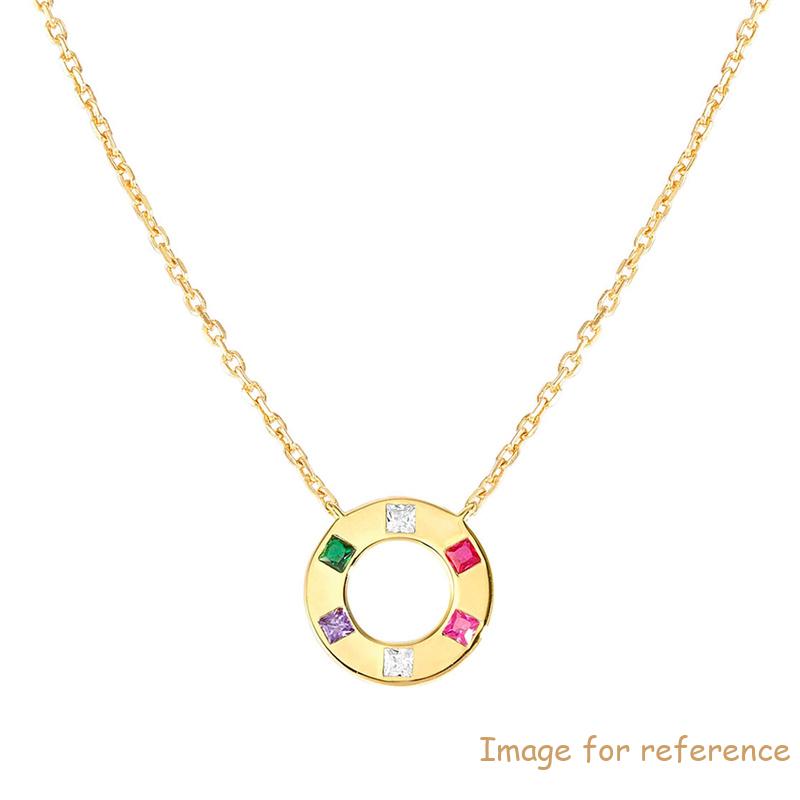
This comprehensive article explores the key differences between brass and sterling silver, examining their material properties, valor comercial, suitability for gold vermeil plating, customer perception, and sustainability concerns. Whether you’re a jewelry designer launching a new collection or a manufacturer advising clients, this guide will help you make the best possible decision for your brand.
Capítulo 1: Entendiendo las joyas de oro vermeil
Before diving into the base metal comparison, let’s clarify what oro vermeil is and why it’s different from regular gold-plated or gold-filled jewelry.
What Is Gold Vermeil?
Gold vermeil is a legally defined term (in the U.S. and other countries) for high-quality gold-plated jewelry. To be considered true vermeil, a piece must meet the following criteria:
-
Metal base: debe ser 925 Plata esterlina
-
Pureza de oro: La capa de oro debe ser al menos 10 quilates, though most luxury brands use 18K
-
Espesor de oro: The layer must be at least 2.5 micras de espesor
De este modo, by definition, brass cannot technically be used in authentic gold vermeil joyas. Sin embargo, the term is often used more loosely in marketing, especially in fast fashion or mid-tier jewelry brands.
Capítulo 2: Material Profile – Sterling Silver vs. Latón
Plata esterlina (925 Plata)
-
Composición: 92.5% plateado puro, 7.5% copper or other metals
-
Color: Bright white with a natural sheen
-
Market Perception: Noble metal, hipoalergénico
-
Peso: Moderado
-
Costo: Más caro que el latón
-
Trabajabilidad: Easy to mold, grabar, y pulir
Latón
-
Composición: An alloy of copper and zinc
-
Color: Yellowish-gold hue
-
Market Perception: Industrial or budget material
-
Peso: Más pesado que la plata
-
Costo: Significantly cheaper
-
Trabajabilidad: Durable, pero propenso a empañarse
Capítulo 3: Plating Compatibility with 18K Gold
The goal of gold vermeil is not only aesthetic—it is also about durability and luxury.
Plating on Silver
-
Adheres extremely well due to silver’s conductivity
-
Even, smooth plating application
-
Maintains purity standards for authentic vermeil certification
-
Less prone to tarnish under gold
Enchapado en latón
-
Also accepts plating, but less efficiently
-
Requires thicker barrier layers (níquel o paladio) before gold
-
More prone to oxidation, which may lead to discoloration over time
-
Often cannot be legally marketed as “vémico” in top-tier markets
Capítulo 4: Durability and Wear Over Time
Silver-Based Vermeil
-
Tarnish-resistant under proper plating (2.5+ micras)
-
Long lifespan—can last several years without fading
-
Easier to re-plate and refurbish
-
Less reactive with skin
Brass-Based Jewelry
-
Can oxidize under gold, especially if thinly plated
-
May cause skin discoloration (greenish tint from copper)
-
Less ideal for sensitive skin
-
Shorter lifespan if worn daily
Capítulo 5: Propiedades hipoalergénicas
For high-end jewelry, skin compatibility is critical.
-
Plata esterlina: Naturally hypoallergenic and preferred for sensitive skin
-
Latón: Often causes allergic reactions or irritation, especially if worn frequently and in humid climates
For brands targeting premium markets or customers with allergies, sterling silver is strongly preferred.
Capítulo 6: Price Comparison and Cost Efficiency
Costo de material
-
Latón: 70–85% cheaper than sterling silver per gram
-
Plata: Priced according to the global precious metals market
Manufacturing Costs
-
Brass may be cheaper upfront, pero:
-
Requires additional plating steps
-
Has higher failure/rework rate
-
May need thicker gold to mask color or extend durability
-
Reputation Cost
-
Using brass while claiming “vémico” may hurt brand trust
-
Higher return rates due to tarnish or allergic reactions
Capítulo 7: Legal and Market Standards
Many countries regulate the use of the term “gold vermeil.”
-
Estados Unidos (FTC Guidelines): Requires sterling silver base + 2.5 micrones de oro
-
European Union: Similar standards
-
Singapur & Australia: Increasing scrutiny on luxury labeling
If you use latón, you must label the product as chapado en oro, not vermeil. Mislabeling can lead to fines or product returns on platforms like Etsy, Amazonas, or luxury boutiques.
Capítulo 8: Sustainability and Ethical Considerations
Today’s consumers are increasingly aware of the ethical and environmental impact of their purchases.
Plata esterlina
-
Reciclable
-
Many manufacturers offer recycled silver options
-
More aligned with eco-conscious branding
Latón
-
Also recyclable but often derived from industrial waste
-
May contain lead or other heavy metals if not sourced ethically
-
Requires more chemical treatment during plating
For environmentally conscious brands, plata esterlina reciclada is the top choice.
Capítulo 9: Customer Perception and Brand Positioning
Marcas de lujo (Tiffany, mejuri, Aurate)
-
Use sterling silver as base metal
-
Emphasize “vémico” o “gold over silver”
Mid-Tier Brands
-
Often use brass, but label products as “gold-plated”
-
Avoid using the word “vermeil” due to stricter platform rules
If your brand aims for long-term customer trust and premium positioning, silver is worth the investment.
Capítulo 10: Case Study – Custom Vermeil Necklace Brand Launch
A boutique jewelry brand in Singapore planned a launch of custom 18K gold vermeil necklaces. Two prototypes were produced:
-
Design A: Base de latón, 1.5-micron gold, $12 costo de producción
-
Design B: 925 base plateada, 2.5-micron gold, $22 costo de producción
Over six months, customers preferred Design B 3-to-1, with fewer returns, higher perceived value, and better reviews. The brand adjusted pricing to $89–$120 per necklace and maintained healthy margins.
Conclusión: Brass or Silver – Which Is Better for Custom 18K Gold Vermeil Necklaces?
| Criterios | Plata esterlina | Latón |
|---|---|---|
| Legal “vémico” estado | ✅ Sí | ❌No |
| Customer skin safety | ✅ Hipoalergénico | ⚠️ Risk of reaction |
| Durabilidad | ✅ Long-lasting | ⚠️ Shorter lifespan |
| Aesthetic longevity | ✅ Retains color | ⚠️ Tarnish over time |
| Manufacturing ease | ✅ Consistent plating | ⚠️ Needs extra prep |
| Costo | ❌ More expensive | ✅ Cheaper |
| Brand positioning | ✅Prémium | ⚠️ Budget or mid-tier |
| Eco-friendliness | ✅ Recyclable, ético | ⚠️ May contain heavy metals |
Veredicto final:
If your goal is to create auténtico, alta calidad, and legally compliant 18K gold vermeil necklaces, 925 sterling silver is the superior choice. Brass may be suitable for budget collections or trend-based fast fashion, but it falls short in durability, perception, and long-term brand value.