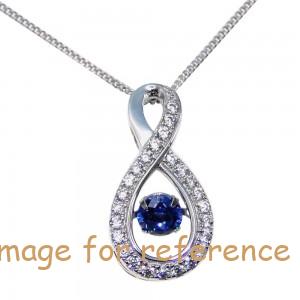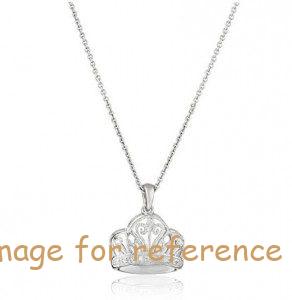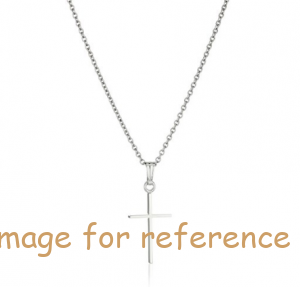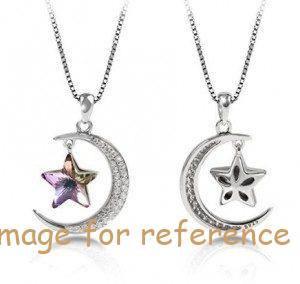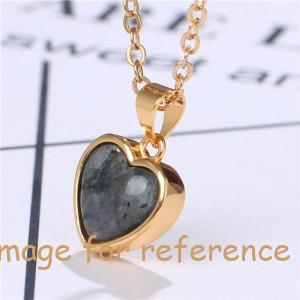
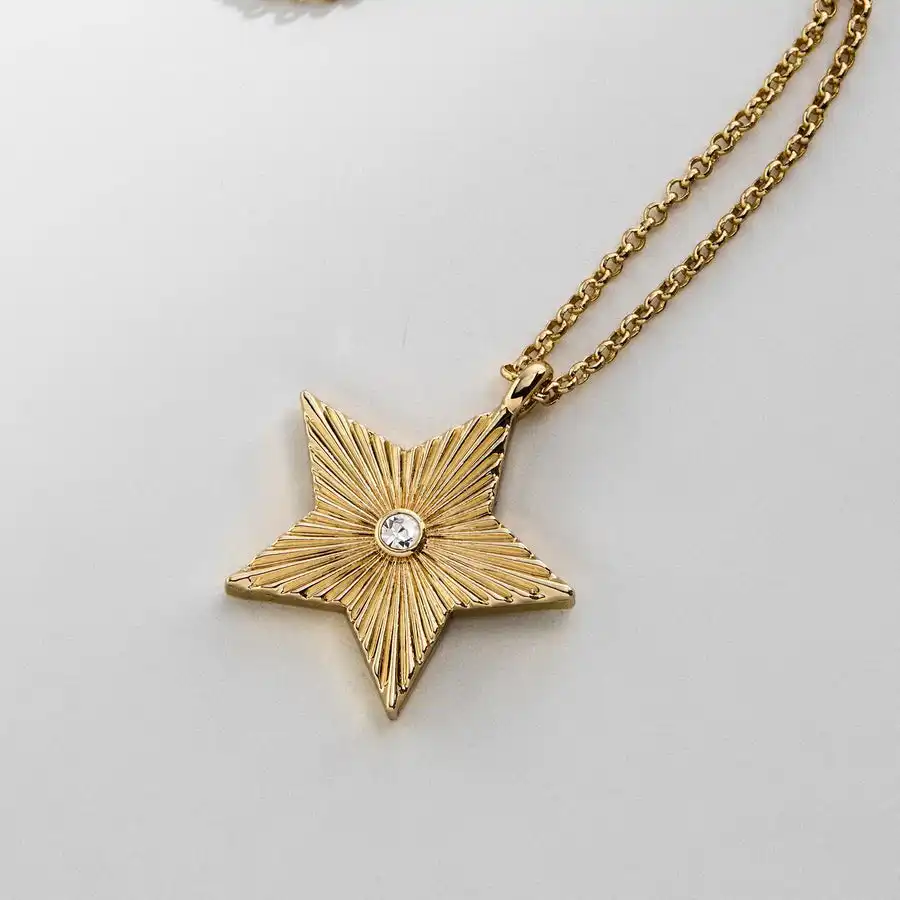
Hersteller von kundenspezifischen Schmuck-Hochfrequenz-Anhänger-Halsketten
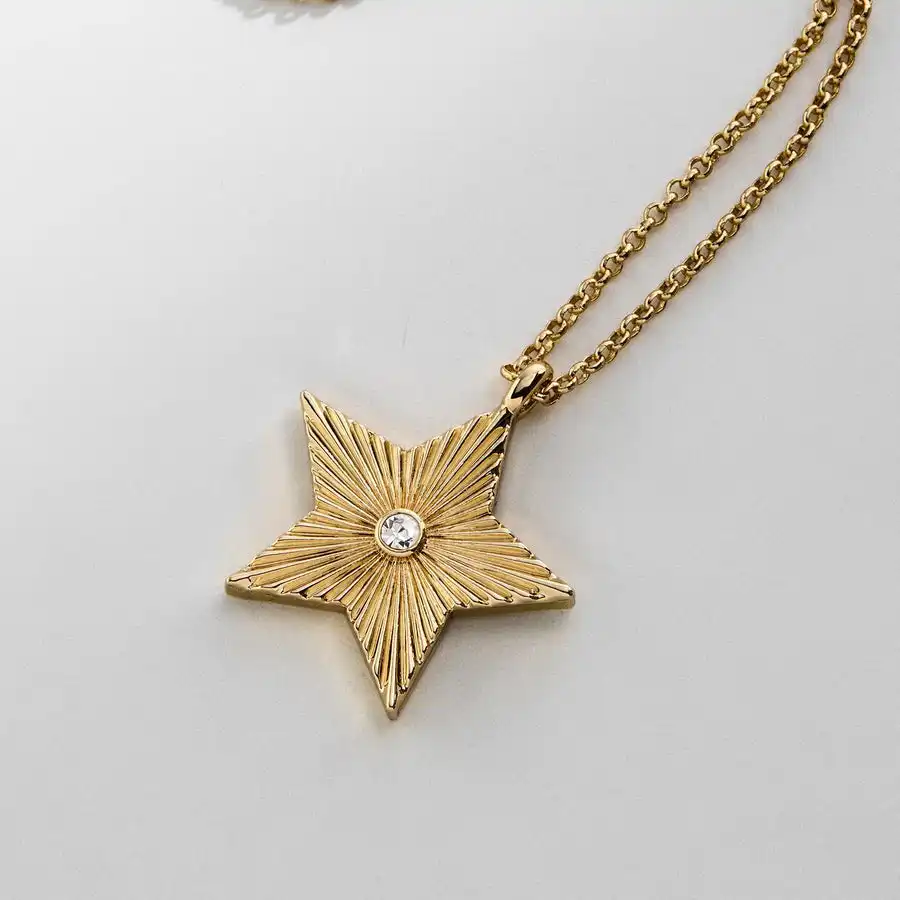
OEM/ODM -Schmuckhersteller Design Custom Ihr eigener Schmuck
Lassen Sie uns anfangen : Mo@kingjy.com
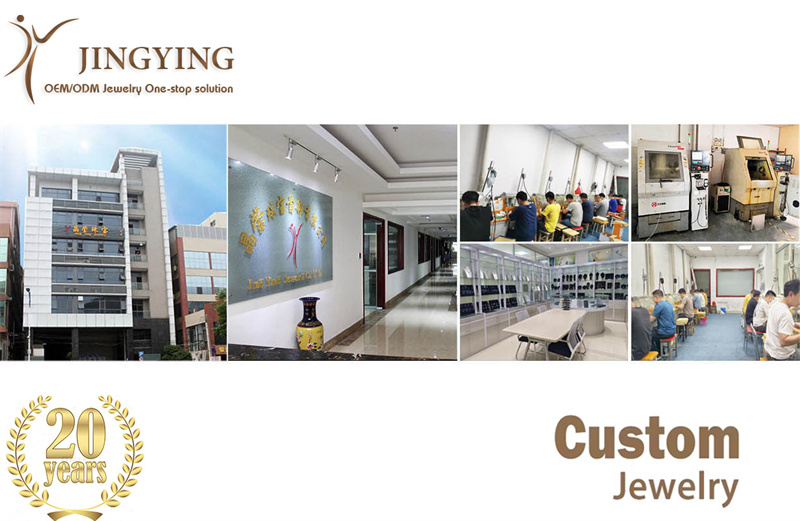
So erstellen Sie kundenspezifische Schmuck-Hochfrequenz-Anhänger-Halskettenhersteller
Der globale Schmuckmarkt erlebt einen deutlichen Wandel hin zur Personalisierung. Für Geschäftskäufer – egal ob E-Commerce-Unternehmer, Boutique-Einzelhändler, oder Handelsmarken – die Möglichkeit, maßgeschneiderte Halsketten mit Anhängern in großem Umfang zu beschaffen, ist zu einer strategischen Notwendigkeit geworden. China bleibt das unbestrittene Epizentrum dieses Produktionsökosystems, bietet unübertroffene Flexibilität, Kosteneffizienz, und technische Tiefe. Jedoch, Um sich in dieser Landschaft zurechtzufinden, ist mehr erforderlich, als nur den niedrigsten Preis zu finden; Es erfordert einen strukturierten Ansatz zur Lieferantenbewertung, Qualitätskontrolle, und Optimierung des Produktionsablaufs .
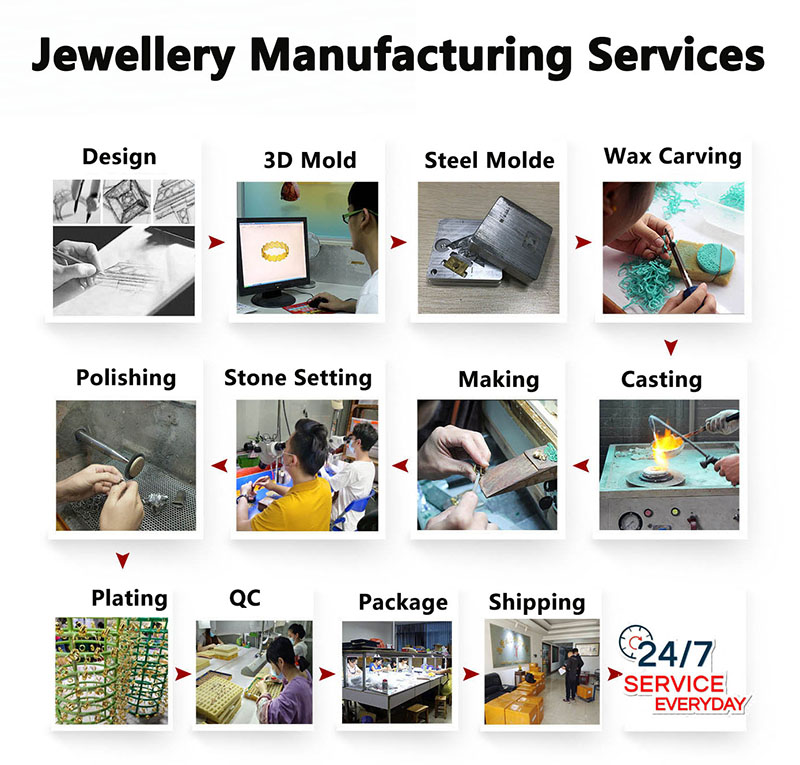
Den Herstellungsprozess verstehen
Bevor Sie mit Herstellern in Kontakt treten, Es ist wichtig zu verstehen, wie maßgeschneiderte Anhänger tatsächlich hergestellt werden. Die moderne Schmuckherstellung folgt typischerweise einem mehrstufigen Prozess, der ein Rohkonzept in ein ausgefeiltes Konzept umwandelt, fertiges Produkt. Die meisten Hersteller von Hochfrequenz-Anhängern arbeiten nach einer Reihe von 15 An 25 verschiedene Produktionsstufen, jeweils einer Qualitätsprüfung unterzogen .
Design und Prototyping: Alles beginnt mit einer Skizze oder einem digitalen Konzept. CAD-Software wie Rhino, ZBrush, oder mit MatrixGold wird ein präzises dreidimensionales Modell mit Millimetergenauigkeit erstellt. Dieses Modell bestimmt kritische Spezifikationen: Wandstärke, Bügelformen, Gewicht, und die allgemeine strukturelle Integrität des Anhängers. Bevor die Produktion beginnt, Für die physikalische Beurteilung wird ein Prototyp erstellt – normalerweise 3D-gedruckt aus Wachs oder Harz. Dies ist die Realitätsprüfungsphase, in der Probleme wie eine falsche Gewichtsverteilung oder eine schlechte Hängegeometrie identifiziert und korrigiert werden .
Gießen und Formen: Die am weitesten verbreitete Methode zur Herstellung von Anhängern ist das Wachsausschmelzverfahren. Mehrere Wachsmodelle werden an einem befestigt "Wachsbaum," in Gips investiert, und hohen Temperaturen ausgesetzt, um das Wachs zu schmelzen, eine präzise Lücke hinterlassen. Geschmolzenes Metall – ob Edelstahl, Silber, oder einer Goldlegierung – wird dann unter Zentrifugal- oder Vakuumkraft in die Form gegossen, um sicherzustellen, dass es auch in die feinsten Details eindringt. Für flache Anhänger oder einfachere Formen, Stempeln bietet eine schnellere, kostengünstigere Alternative .
Endbearbeitung und Oberflächenbehandlung: Ein aus der Form entnommenes Stück ist rau und noch lange nicht marktreif. Es wird geschnitten, Einreichung, taumelnd, und Polieren. Das Trommeln mit abrasiven Medien glättet Unebenheiten, Durch manuelles oder maschinelles Polieren mit Verbindungen wie Chromoxid oder Diamantpaste wird die Oberfläche auf Hochglanz gebracht. Hochwertiger Schmuck glänzt tief, weil Mikrokratzer, die mit bloßem Auge nicht sichtbar sind, sorgfältig entfernt wurden .
Beschichten und Plattieren: Bei der Oberflächenbehandlung treffen Haltbarkeit und Ästhetik aufeinander. Beim Galvanisieren wird eine dünne Metallschicht – Rhodium – abgeschieden, die für Glanz und Anlaufschutz sorgt, oder Gold für ein erstklassiges Finish. Fortgeschrittenere Hersteller bieten PVD an (Physikalische Gasphasenabscheidung) Beschichtung, Das ist fünf- bis zehnmal härter als Galvanisieren und bietet eine hervorragende Kratz- und Anlaufbeständigkeit. Aus diesem Grund sind Premium-Uhrenmarken bei schwarzen und goldenen Oberflächen auf PVD umgestiegen .
Navigieren in Chinas Fertigungslandschaft
Chinas Dominanz bei der Herstellung kundenspezifischer Anhänger ist nicht monolithisch. Es basiert auf geografisch unterschiedlichen Industrieclustern, Jedes bietet einzigartige Vorteile. Understanding these regional specializations is the first step in strategic sourcing.
Dongguan and Shenzhen (Provinz Guangdong): These cities are the powerhouses of stainless steel and gold-plated fashion jewelry. Dongguan, insbesondere, supports vertically integrated supply chains with advanced laser engraving, Galvanisieren, and precision casting tools. Manufacturers here serve high-volume buyers requiring tight tolerances and consistent finishes. Some Dongguan suppliers offer digital proofing within 48 Std., allowing rapid iteration on logo placement, font styles, and graphic layouts .
Mai (Provinz Zhejiang): Yiwu is the hub for low-MOQ (Mindestbestellmenge) Anpassung, making it ideal for dropshippers and small brands testing new designs. The ecosystem here excels in alloy-based pendants with 18K gold plating, zinc casting, and rapid prototyping. Many Yiwu suppliers accept orders as small as a single piece, which is invaluable for market testing or influencer gifting campaigns .
Wuzhou and Fuzhou (Guangxi and Fujian Provinces): These regions focus on premium segments. Wuzhou is known for moissanite and diamond-accented pieces, while Fuzhou has emerged as a center for 925 sterling silver craftsmanship requiring high-precision engraving and durable plating .
Supplier Evaluation: Beyond Price Quotations
Selecting the right manufacturing partner demands a holistic assessment across four key dimensions: technical capability, Reaktionsfähigkeit, operational reliability, and post-sale support. Price alone is a misleading indicator of true value.
Technical and Customization Capabilities: Top-tier suppliers offer end-to-end personalization—from name engraving and logo imprinting to 3D modeling and gemstone setting. Look for providers with in-house design teams capable of generating digital proofs rapidly. Advanced options include laser engraving on stainless steel or silver, multiple plating finishes (Roségold, black IP, Rhodium), tarnish-resistant coatings, and custom packaging with branded labels . Some manufacturers specialize in photo-based sublimation printing, while others excel in complex stone setting or fingerprint replication .
Quality Control Infrastructure: A reliable supplier maintains documented QC processes. This should include material certifications (Nickelfrei, hypoallergen), plating thickness verification (Minimum 0.2 microns for durability), tensile strength testing for chains, and corrosion resistance checks. While formal ISO certification may not always be visible, performance metrics like on-time delivery rates exceeding 95% and reorder rates above 20% serve as reliable proxies for consistency .
Communication Efficiency: Rapid response times—ideally under four hours—correlate strongly with order accuracy and issue resolution speed. Suppliers who assign dedicated account managers and provide visual updates during production tend to deliver smoother collaboration. A practical test: submit a mock design request and track how quickly they provide a feasibility assessment and digital mockup. Fast turnaround here predicts smoother collaboration later .
Transaction Security and Risk Mitigation: To minimize risk, always request physical samples before bulk orders. Use secure payment methods such as Alibaba Trade Assurance for first-time orders. Verify online revenue history—suppliers with annual sales exceeding $250,000 typically have stable infrastructure. Review return policies and defect compensation terms before committing .
Optimizing the Sourcing Workflow
A structured procurement approach reduces risk and accelerates time-to-market. The following framework applies to businesses of any scale:
Schritt 1: Define Product Requirements Precisely. Submit detailed specifications upfront: material type (316L stainless steel, 925 Silber, Titan), Beschichtungsfarbe und -dicke, pendant size and chain length, engraving content (vector files preferred for logos), and packaging format. Incomplete briefs are the leading cause of costly rework .
Schritt 2: Request and Evaluate Samples. Order prototypes from two to three shortlisted suppliers. Evaluate not just aesthetics but also weight, clasp security, finish uniformity, and engraving clarity. Most suppliers charge $5–$50 per sample, often refundable against future orders. This phase is non-negotiable: Ein Anhänger, der im digitalen Proof perfekt aussieht, kann versteckte Mängel aufweisen – eine ungleichmäßige Beschichtung, schwache Kettenglieder, oder eine schlechte Steinfassung – das zeigt nur eine körperliche Untersuchung .
Schritt 3: Führen Sie eine Pilotcharge aus. Bevor Sie sich auf große Mengen festlegen, Geben Sie eine mittelgroße Probebestellung von 100–500 Einheiten auf. Bewerten Sie die Pünktlichkeit der Lieferung, Verpackungsgenauigkeit, und Fehlerquote. Eine Fehlerquote oben 3% rechtfertigt eine Prozessüberprüfung. Dieser Schritt liefert reale Daten zur betrieblichen Konsistenz des Lieferanten .
Schritt 4: Strategisch skalieren. Konsolidieren Sie das Volumen mit Top-Performern. Lieferanten mit Nachbestellungsraten von über 30 % – wie sie bei bestimmten in Dongguan ansässigen Herstellern zu beobachten sind – beweisen nachweislich Kundenzufriedenheit und langfristige Rentabilität .
Preis, Vorlaufzeit, und Wertdynamik
Die Preise variieren je nach Material erheblich, beenden, Volumen, und Anpassungstiefe. Auf der Einstiegsebene, Anhänger aus Edelstahl oder Legierung mit einfacher Gravur können weniger kosten $2 pro Volumeneinheit. Stücke aus Sterlingsilber mit fortschrittlicher Beschichtung erzielen höhere Preise, während Premium-Artikel mit Edelsteinbesatz darüber hinausgehen können $100 pro Einheit .
Auch die Lieferzeiten variieren. Bei Standardgravuren dauert die Bemusterung in der Regel 7 bis 14 Tage; plattierte oder mit Edelsteinen besetzte Proben können bis zu dauern 20 Tage. Die Massenproduktion für validierte Designs reicht im Allgemeinen von 10 An 25 Tage. Der Expressversand verlängert sich um weitere 3–7 Tage. Einige Anbieter bieten Eildienste gegen eine zusätzliche Gebühr von 30–50 % an .
Die strategische Chance
Individuell gestaltete Halsketten mit Anhänger sind ein leistungsstarkes Instrument zur Markendifferenzierung in einem überfüllten Markt. Die Möglichkeit, personalisierte Designs anzubieten – sei es für emotionale Geschenke, Markentreueprogramme, oder modische Kollektionen – schafft einen Wettbewerbsvorteil. Jedoch, Der Erfolg hängt nicht davon ab, den günstigsten Hersteller zu finden, sondern auf den Aufbau von Partnerschaften mit zuverlässigen, reaktionsschnell, und technisch kompetente Lieferanten, die sich mit den kreativen und kommerziellen Zielen Ihrer Marke weiterentwickeln können .
Durch die Anwendung strukturierter Bewertungskriterien, Nutzung von Leistungsdaten, und Optimierung von Kommunikationsabläufen, Geschäftskäufer können das Risiko reduzieren, Verbesserung der Produktkonsistenz, und ihren Weg zur Markteinführung beschleunigen. Die in diesem Leitfaden hervorgehobenen Hersteller – von Dongguan Xinrui Jewelry Co., GmbH. für ausgewogene MOQ-Flexibilität, an Yiwu Chi Hang Jewelry Co., GmbH. für den Einzelstück-Dropshipping, an Fuzhou Kumi Silversmith Trading Co., GmbH. für Prämie 925 Silber-Personalisierung – stellen verschiedene Einstiegspunkte in dieses dynamische Ökosystem dar .
Fangen Sie klein an. Gründlich validieren. Skalieren Sie mit Partnern, die sowohl technische Exzellenz als auch betriebliche Zuverlässigkeit unter Beweis stellen. Das ist die Blaupause für eine erfolgreiche Beschaffung von individuellem Schmuck in der anspruchsvollsten Fertigungsumgebung der Welt.