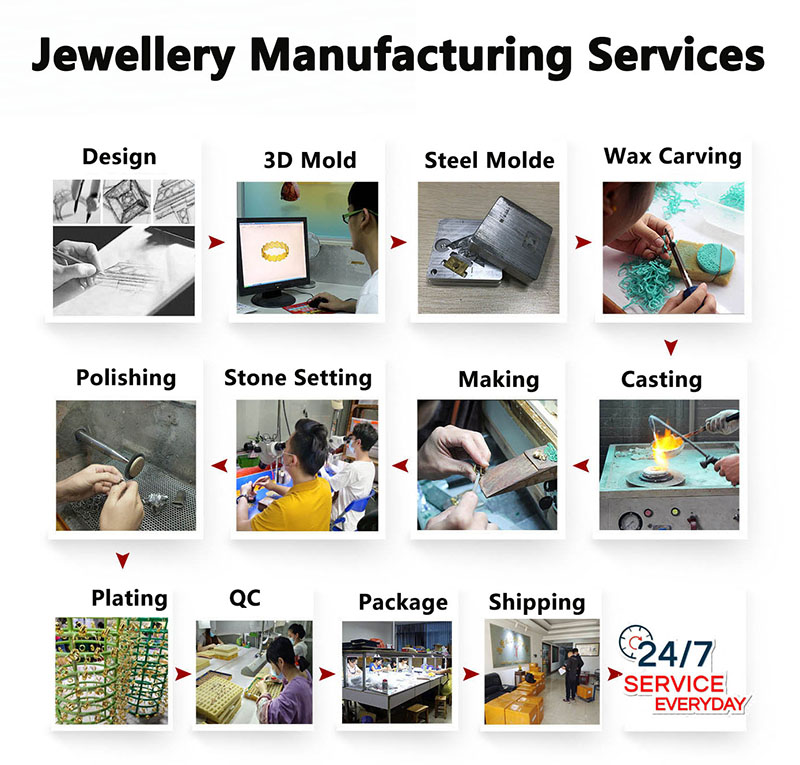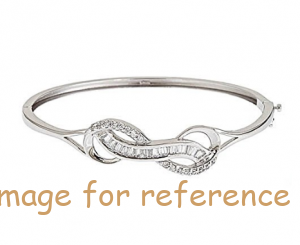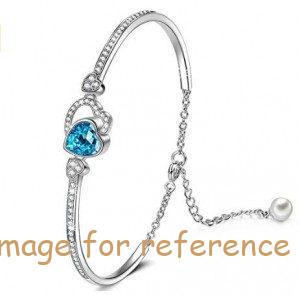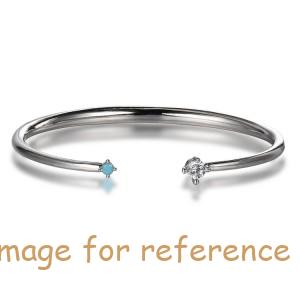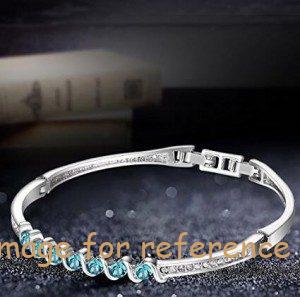
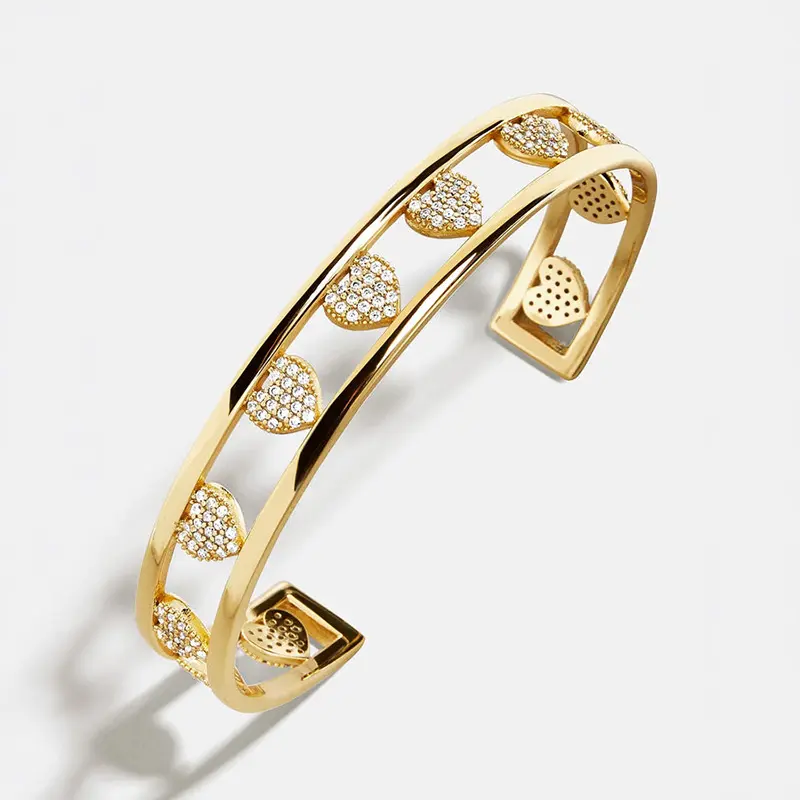
Kundenspezifisches Modeschmuck-Manschettenarmband aus 18 Karat Gold in Herzform
OEM/ODM -Schmuckhersteller Design Custom Ihr eigener Schmuck
Lassen Sie uns anfangen : Mo@kingjy.com
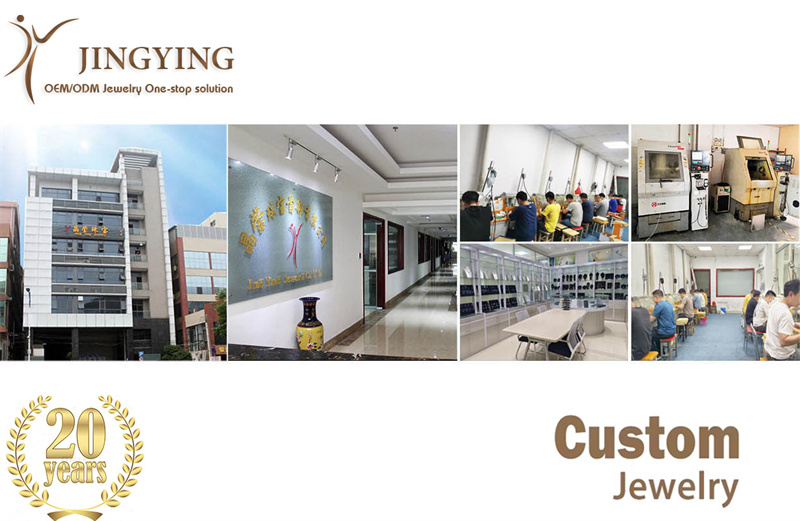
The Art and Science of Crafting an 18K Gold Heart Cuff Bracelet
The creation of an 18-karat gold heart cuff bracelet represents a convergence of metallurgical science, artistic design, und sorgfältige Handwerkskunst. Dieser Artikel bietet einen umfassenden Überblick, technical exploration of the entire manufacturing process, from the initial alloy formulation to the final polishing stages. The journey from raw materials to a finished piece of high-end jewelry is complex, requiring a deep understanding of material properties, Präzisionstechnik, and traditional hand-finishing techniques.
Metallurgical Foundation: The 18K Gold Alloy
The process begins with the creation of the 18K gold alloy itself. Pure 24-karat gold is too soft and malleable for practical jewelry applications; it is prone to bending, Kratzen, and general wear. daher, pure gold is alloyed with other metals to enhance its strength, Haltbarkeit, und Verarbeitbarkeit, while also influencing its color. Per Definition, 18-Karatgold ist 75% pure gold by weight. Der Rest 25% consists of other elements, and the specific composition of this 25% dictates the final properties of the alloy.
Material Composition and Its Implications
The most common alloying elements for 18K yellow gold are silver, Kupfer, und Zink. One source provides a specific formula for an 18K gold bracelet material: 75.2% Gold, 13.69% Kupfer, 7.44% Nickel, und 3.66% Zink. Another indicates a composition of 75-80% Gold, 18.9-21.7% Silber, 0.1-0.3% Nickel, und 1-3% Zink, with silver being used to maintain the yellow hue while enhancing workability. The inclusion of copper serves a dual purpose: it imparts strength and helps achieve the rich warm color characteristic of 18K yellow gold. The addition of nickel or zinc further contributes to the alloy's hardness and castability.
The Challenge of Grain Refinement
Ein entscheidender Aspekt bei der Herstellung von Goldlegierungen ist die Kontrolle der Mikrostruktur des Metalls durch Kornverfeinerung. Die Korngröße hat einen direkten Einfluss auf die Bearbeitbarkeit des Metalls, ästhetische Qualität, und Korrosionsbeständigkeit. Es ist eine gängige industrielle Praxis, geringe Mengen an Elementen wie Iridium zuzusetzen, um als Kornverfeinerer zu wirken. Diese Elemente bilden beim Erstarren Keimbildungszentren, was zu einem feineren Ergebnis führt, gleichmäßigere Kristallstruktur. Jedoch, Iridium ist teuer und seine Verwendung macht den Produktionsprozess komplexer und kostspieliger. Jüngste Fortschritte in der thermomechanischen Verarbeitung bieten eine Alternative. Durch die Optimierung der Reihenfolge der Kaltumformung (rollen) und Glühen (Wärmebehandlung), Es ist möglich, ein Endprodukt mit Eigenschaften zu erzielen, die mit denen einer mit Iridium veredelten Legierung vergleichbar sind. Dies ist eine bedeutende Entwicklung für die Branche, allowing for cost reduction and process simplification without sacrificing quality.
Schritt-für-Schritt-Herstellungsprozess
The transformation of a gold alloy into a finished heart cuff bracelet typically follows a sequence of industrial and hand-crafted processes. A general method for manufacturing 18K gold jewelry can be broken down into several key stages: smelting, Casting, fertig, and surface treatment.
1. Melting and Casting
The process starts with the careful weighing and combining of the pure metals according to the chosen formula. These raw materials are then placed in a crucible and smelted under the protection of an inert gas, such as argon or nitrogen, Oxidation zu verhindern. This melting is typically performed in a specialized induction furnace, which uses electromagnetic fields to heat the metal quickly and uniformly. The molten metal is then poured into a forming mold under an inert gas atmosphere. For a cuff bracelet, this could involve casting a long rectangular bar or "stripe" of metal, a process known as continuous casting. The cooling rate during this phase is crucial for controlling the initial grain structure of the alloy and preventing excessive oxidation.
2. Forming the Cuff
Das Rohe, cast metal bar is far from its final bracelet form. It undergoes a series of forming processes that shape it into the familiar cuff profile. This is typically achieved through a combination of forging, rollen, und Glühen. Cold deformation, such as rolling the cast bar through a mill, work-hardens the metal, making it harder and more brittle. To regain the metal's ductility and allow for further shaping, the piece must be annealed. Annealing involves heating the metal to a specific temperature (Zum Beispiel, über 830 ° C) and then rapidly quenching it, which recrystallizes the grains and softens the material. This cycle of rolling and annealing is repeated until the metal reaches the desired thickness and shape. The final shape is often achieved using a CNC (Computer-Numerische Steuerung) machining to ensure precision and consistency, creating the perfectly circular or oval shape of the bracelet body and the specific details of the heart motif.
3. Intricate Assembly and Finishing
With the base components formed, the detailed work begins. This is where the heart design is fully realized. This stage requires a skilled artisan's attention to detail and involves a combination of hand and machine tools. Das Herzmotiv kann separat angefertigt und anschließend mittels Laserschweißtechnik an das Armband geschweißt werden. Laserschweißen sorgt für eine präzise, saubere Verbindung, die Wärmeeinflusszonen minimiert und eine Verformung des Metalls verhindert. Sobald die Hauptmontage abgeschlossen ist, Das Armband durchläuft eine strenge Endbearbeitungsphase. Dies schließt "Feine Klemmung, Laserschweißen, reparieren und formen, Feinschleifen und Polieren" um die Oberfläche für die Endbehandlung vorzubereiten.
4. Oberflächenbehandlung: Der Elektroplattenprozess
Um eine einwandfreie Qualität zu gewährleisten, konsistent, und brillantes Goldfinish, Das Armband wird einem Galvanisierungsschritt unterzogen. Dies dient mehreren Zwecken. Durch Galvanisieren wird die wahre Farbe des Goldes wiederhergestellt, Dies verleiht ihm ein gleichmäßigeres und lebendigeres Aussehen als reines 18-karätiges Gold. Außerdem entsteht eine abschließende Schutzschicht, die die Anlaufbeständigkeit des Stücks erhöht und ihm seinen charakteristischen Glanz verleiht. Bei diesem Verfahren wird das Armband in einem Galvanikbad, das eine Lösung auf Goldbasis enthält, zur Kathode gemacht. Wenn ein elektrischer Strom durch die Lösung geleitet wird, Goldionen lagern sich auf der Oberfläche des Schmuckstücks ab, eine dünne erstellen, hochwertige Goldschicht. Aus Umwelt- und Sicherheitsgründen setzt die Industrie zunehmend auf zyanidfreie Galvanisierungslösungen. Eine solche Lösung verwendet eine Mischung aus Gold, Kupfer, und Indium, behauptet, die Stabilität zu verbessern, Dispergierbarkeit, und Gesamtqualität. Dieser Prozess sorgt für ein Finale, reine Goldschicht, die langlebig ist, korrosionsbeständig, und ästhetisch perfekt.
Fortschrittliche additive Fertigung
Während das traditionelle Gieß- und Formverfahren der Industriestandard ist, Eine fortschrittliche Alternative entsteht durch die additive Fertigung, allgemein bekannt als 3D-Druck. Techniken wie Binder Jetting bieten das "almost unlimited freedom of design" and are particularly suitable for creating complex or customized jewelry pieces. The process involves printing a metal powder (in diesem Fall, an 18K gold alloy powder) using a liquid binder to bind the particles together in a layer-by-layer fashion. Das Ergebnis "Grün" part is then sintered in a furnace to burn off the binder and fuse the metal particles, achieving a high density. Research into this method for gold alloys is ongoing, with studies focusing on optimizing the sintering process to control grain growth and achieve the desired mechanical and aesthetic properties.
Abschluss
The creation of an 18K gold heart cuff bracelet is a testament to the sophisticated blend of science and artistry that defines the jewelry industry. It begins with the precise formulation of an alloy designed for strength and beauty, continues through the demanding processes of casting and thermomechanical shaping, and is perfected through skilled hands-on assembly and chemical surface treatment. The evolution of the craft, from the development of grain-refining thermomechanical processes to the adoption of cyanide-free electroforming and additive manufacturing, demonstrates a continuous commitment to improving the quality, Haltbarkeit, and sustainability of these enduring symbols of craftsmanship. The final product is not merely a piece of jewelry but the result of a complex and carefully managed process that balances material science with the highest standards of artistic skill.