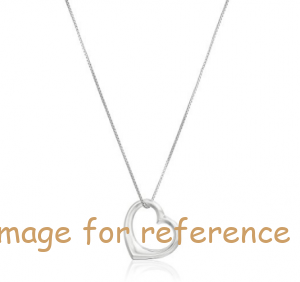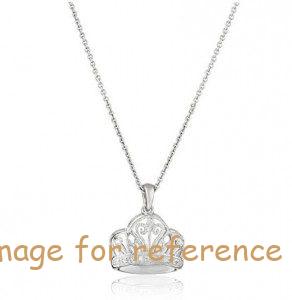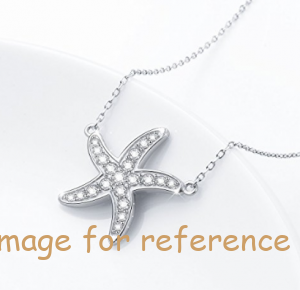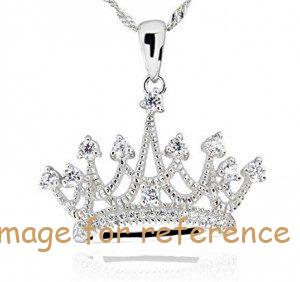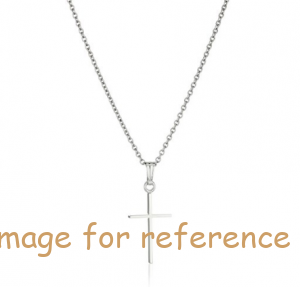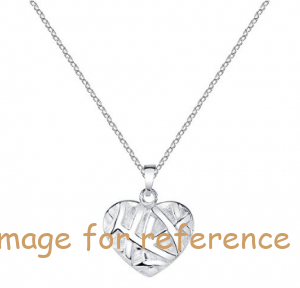


Produktion af piercing af sølv S925-smykker af høj kvalitet hos Jingying
OEM/ODM smykker producent design brugerdefineret dine egne smykker
Lad os komme i gang : mo@kingjy.com

Produktion af piercing af sølv S925-smykker af høj kvalitet hos Jingying
Abstrakt
This paper explores the key factors involved in producing high-quality S925 silver piercing jewelry. By analyzing material selection, design philosophy, Fremstillingsprocesser, og kvalitetskontrol, it reveals the specialized techniques required to create exceptional body jewelry. Research shows that strict adherence to 925 silver purity standards, innovative design approaches, præcist håndværk, and a comprehensive quality assurance system are essential for superior product outcomes. This study provides practical technical guidance and industry insights for jewelry manufacturers, enhancing the market competitiveness of S925 piercing jewelry.
Keywords: S925 silver jewelry, body piercing jewelry, manufacturing process, kvalitetskontrol, smykkedesign, 925 silver purity
Indledning
In the contemporary jewelry market, S925 silver piercing jewelry has gained significant popularity due to its unique artistic value and wearability. High-quality piercing jewelry must not only exhibit exquisite design but also meet stringent material standards and biocompatibility requirements. This paper systematically examines the entire production process of premium S925 piercing jewelry—from material selection to the finished product—highlighting critical technical aspects and quality assurance methods. It serves as a professional reference for industry practitioners.
1. Materialeudvælgelse og forberedelse
The foundation of high-quality S925 piercing jewelry lies in meticulous material selection. 925 sølv, an alloy consisting of 92.5% rent sølv og 7.5% Andre metaller (typisk kobber), is the internationally recognized standard for silver jewelry. Denne sammensætning bevarer sølvets ønskelige egenskaber, mens den forbedrer holdbarheden. Leverandører skal nøje verificere sølvrenhed igennem Røntgenfluorescens (XRF) afprøvning for at sikre overholdelse af 92.5% standard.
Derudover, piercing smykker kræver biokompatible materialer da det kommer i direkte kontakt med helende sår. Nikkel skal absolut undgås på grund af dets allergifremkaldende egenskaber. I stedet, hypoallergene alternativer som f.eks guld, Platinum, eller rhodiumbelægning foretrækkes til overfladefinish. Ædelstensindstillinger (hvis brugt) bør også bruge ikke-irriterende materialer som titanium eller niobium af kirurgisk kvalitet for sensitive brugere.
2. Designfilosofi og innovation
High-end piercingsmykker skal balancere æstetik, funktionalitet, og slidstyrke. Designere skal overveje:
-
Anatomisk pasform: Smykker til forskellige piercingssteder (ører, næse, navle, osv.) kræver specifikke former, målere, og vægte for komfort.
-
Nem rengøring: Glatte overflader og minimale sprækker forhindrer bakterieopbygning.
-
Modularity: Interchangeable components allow customization, enhancing consumer appeal.
Innovation is key—designs inspired by nature, geometric patterns, or cultural motifs can differentiate brands in a competitive market. Minimalistisk, lette designs are trending, catering to consumers seeking subtle elegance.
3. Manufacturing Processes and Techniques
3.1 Casting and Shaping
-
Lost-Wax casting is commonly used for intricate designs, at sikre præcision.
-
CNC-bearbejdning may be employed for high-precision components.
3.2 Efterbehandling og polering
-
Hand-filing and sanding remove imperfections before polishing.
-
Multi-stage polishing (from coarse to fine abrasives) achieves a Spejl finish.
3.3 Surface Treatments
-
Galvanisering with rhodium or gold enhances durability and aesthetics.
-
Oxidation treatments create antique or blackened effects.
3.4 Ædelstenindstilling (Hvis relevant)
-
Micro-pave or bezel settings secure stones without sharp edges.
4. Quality Control and Testing
A stringent QC system ensures every piece meets industry standards:
-
Material verification (XRF testing for silver purity).
-
Kontrol af dimensionsnøjagtighed (using calipers and gauges).
-
Surface inspection (under magnification for scratches or defects).
-
Biocompatibility testing (to prevent skin irritation).
-
Afprøvning af modstandsdygtighed (ensuring long-lasting shine).
Each piece should undergo ultrasonic cleaning and sterilization before packaging.
5. Market Positioning and Branding
High-quality S925 piercing jewelry targets fashion-conscious consumers and professional piercing studios. Effective branding strategies include:
-
Storytelling (highlighting craftsmanship and ethical sourcing).
-
Pædagogisk indhold (proper aftercare instructions).
-
Collaborations with piercing artists to build credibility.
E-commerce platforms should provide detailed product descriptions, sizing guides, and high-resolution images to assist buyers.
6. Konklusion
Producing premium S925 piercing jewelry demands expertise in metallurgi, design, and precision manufacturing. By adhering to strict material standards, embracing innovative designs, and implementing rigorous quality control, manufacturers can establish a strong market presence. Future advancements may include sustainable silver sourcing, smart jewelry integration, and 3D-printed custom designs, shaping the next generation of body jewelry.
Referencer
-
Smith, J. Advanced Silver Jewelry Manufacturing. Jewelry Press, 2021.
-
Lee, H. “Biocompatibility in Body Jewelry.” Journal of Piercing Arts, 2020.
-
Garcia, M. Precision Casting Techniques. Metalsmith Publishing, 2019.
-
ASTM B563 Standard Specification for Palladium-Silver Alloys for Jewelry.
-
ISO 10993 Biological Evaluation of Medical Devices.
(Note: References are illustrative; verify with actual sources.)