Fra digital drøm til håndgribelig skat: En guide til Jingying's 3D STL-filbaserede Sterling Silver Jewelry Production
Abstrakt
Demokratiseringen af smykkedesign er i gang. Uafhængige designere, boutique mærker, og selv individuelle skabere har nu værktøjerne til at udtænke indviklede stykker gennem 3D-modelleringssoftware. Imidlertid, kløften mellem et digitalt design og et færdigt, Et smykke af sterlingsølv af høj kvalitet har været dybt og svært at krydse – indtil nu. Denne artikel giver en omfattende 5000-ords udforskning af JINGYINGs specialiserede service, der styrker designere ved at forvandle deres 3D STL-filer til udsøgt udformede sterlingsølvsmykker. Vi vil dykke ned i den kritiske forberedelse af STL-filen, den problemfri arbejdsgang fra digital upload til fysisk casting, JINGYINGs avancerede fremstillings- og efterbehandlingsprocesser, and the robust quality assurance protocols that guarantee the final product faithfully represents the designer’s vision. This guide serves as an essential handbook for any creator looking to leverage professional manufacturing to bring their custom designs to life with precision, kvalitet, og effektivitet.
1. Indledning: The New Era of Accessible Luxury Manufacturing
The rise of accessible 3D design software like Blender, Rhino, ZBrush, and Matrix has unleashed a wave of creativity in the jewelry world. Designers are no longer limited by the need for traditional hand-carving skills; they can now digitally sculpt, iterate, and perfect their creations with unprecedented freedom. Endnu, the final, crucial step—transforming that perfect digital model into a wearable piece of fine jewelry—has often been a bottleneck, requiring connections to specialized foundries and a deep understanding of manufacturing constraints.
JINGYING bridges this gap. By offering a streamlined, gennemsigtig, and professional service focused on client-provided 3D STL files, JINGYING positions itself as the ultimate partner for the modern designer. This model empowers creators, allowing them to focus on their core competency—design—while leveraging JINGYING’s expertise in precision manufacturing, materialevidenskab, og kvalitetskontrol. This collaboration is redefining how custom jewelry enters the market.
2. Fundamentet: Understanding the STL File and Design for Manufacturability (DFM)
The process begins and ends with the quality of the 3D model. The STL (STereoLithography) file is the universal language of 3D printing, beskriver overfladegeometrien af et tredimensionelt objekt gennem et net af trekanter.
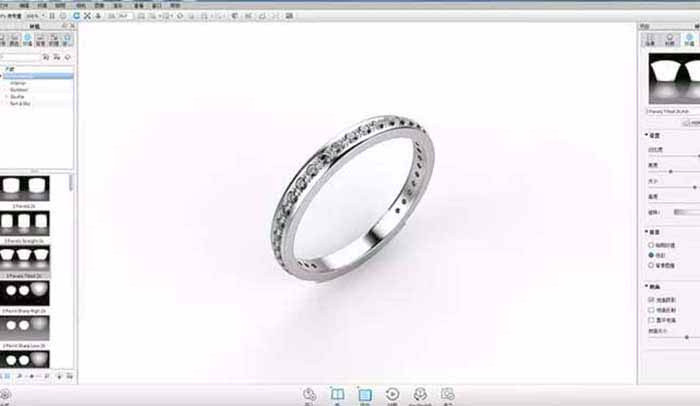
2.1 Den perfekte STL-fil: Nøglespecifikationer for JINGYING
At sikre en fejlfri overgang fra digital til fysisk, designere skal levere en STL-fil, der opfylder JINGYINGs præcise krav:
-
Vandtæt mesh: Modellen skal være helt lukket, “manifold” overflade uden huller, huller, eller ikke-manifoldkanter. Ethvert brud i overfladen vil forårsage fejl i 3D-printprocessen.
-
Korrekt skala og enheder: Filen skal skaleres til 100% og dets enheder klart defineret (millimeter er standard). En ring designet i tommer, men fortolket i mm, vil være katastrofalt overdimensioneret.
-
Passende vægtykkelse: Dette er den mest kritiske DFM-betragtning. Til sterling sølv, som skal være støbbare og holdbare, JINGYING recommends a minimum wall thickness of 0.8mm. Thinner details will be extremely fragile, prone to breaking, and may not cast properly.
-
Supported Details: Stor, flat surfaces can create suction during casting. Delikat, protruding details (like thin wires or prongs) require sufficient support to survive the investing and casting process. JINGYING’s engineers can advise on adding subtle supports or thickening elements without compromising the design.
-
Optimized Polygon Count: A very high-polygon mesh creates unnecessarily large files that are difficult to process. A very low-polygon mesh will result in a faceted, non-smooth surface. An optimized mesh that accurately represents the intended smooth curves is ideal.
2.2 The JINGYING Design Review and DFM Analysis
Upon receiving an STL file, JINGYINGs første service er et gratis design til fremstillingsevne (DFM) anmeldelse. Deres team af erfarne ingeniører analyserer modellen for:
-
Strukturel integritet: Identifikation af områder, der er for tynde, for svag, eller sandsynligvis vil fange luft under støbning.
-
Mulighed for støbning: Sikring af, at designet kan reproduceres med succes ved hjælp af støbemetoden med tabt voks.
-
Praktisk bæreevne: Vurdere faktorer som komfort, vægtfordeling, og potentielle knækpunkter.
JINGYING giver derefter en detaljeret rapport til designeren, foreslår modifikationer for at forbedre holdbarheden og støbeevnen. Dette samarbejdstrin er uvurderligt, forhindrer kostbare fejl og sikrer, at det endelige produkt er både smukt og robust.
3. Produktionsarbejdsgangen: Fra STL Upload til Silver Masterpiece
Når STL-filen er godkendt, det kommer ind i JINGYINGs strømlinede produktionspipeline.
Trin 1: 3D Printing the Wax Pattern
The approved STL file is prepared for 3D printing using specialized software that generates supports and slices the model. JINGYING uses high-resolution Stereolitografi (SLA) eller Digital Light Processing (DLP) 3D printers with a jeweler-specific castable wax resin. This resin burns out cleanly and completely, leaving a pristine cavity for the metal. This creates a perfect physical wax replica of the digital design.
Trin 2: Spruing and Mold Making
The wax model is carefully hand-attached to a central wax “træ” using wax sprues (kanaler). This tree allows multiple pieces to be cast in a single batch. The tree is then placed inside a steel flask, og en flydende investeringsplaster hældes omkring det. Kolben er placeret i en ovn, where the investment hardens and the wax is completely burned out, efterlader et hul, negative mold of the jewelry design.
Trin 3: Casting in Sterling Silver
Kolben, now a hardened investment mold, føres til en topmoderne støbemaskine. Granulat af JINGYING’s certificerede Sterling Sølv 925 smeltes i en digel. Brug af centrifugalkraft eller vakuumtryk, det smeltede sølv presses ind i den hule investeringsform, udfylde hver eneste lille detalje af den originale STL-fils geometri.
Trin 4: Devesting, Skære, og forfinishing
Efter afkøling, investeringsformen slukkes i vand, får det til at bryde væk og afsløre det rå sølv “træ.” De enkelte smykker skæres omhyggeligt fra træet ved hjælp af præcisionssave. De tumles derefter i en magnetisk tumbler med stålhagl for at udglatte den ru støbeoverflade og begynde poleringsprocessen.
Trin 5: Håndfinishing og polering
Det er her, JINGYINGs håndværk virkelig skinner. Hvert stykke gennemgår en omhyggelig håndbehandling:
-
Filering og slibning: Highly skilled artisans file off any remnants of the sprues and sand the piece with progressively finer grits to remove all imperfections.
-
Polering: The piece is polished on motorized wheels using specialized polishing compounds (rouge) to achieve a mirror-bright, high-shine finish. For matte or satin finishes, different brushing techniques are employed.
-
Forsamling: If the design consists of multiple components (F.eks., a pendant attached to a chain, or a stone setting), they are assembled at this stage by master jewelers using laser welding for precision and strength.
Trin 6: Final Quality Control and Packaging
Every single piece is subjected to a rigorous final inspection under magnification for defects in the casting, efterbehandling, and overall construction. It is weighed and measured to ensure it matches the expectations set by the digital model. Only after passing this strict QC is the jewelry carefully packaged for shipment.
4. JINGYING-fordelen: Kvalitet, Gennemsigtighed, and Partnership
Choosing JINGYING for STL-based production offers distinct benefits beyond mere manufacturing.
-
Materiale renhed: JINGYING uses only certified Sterling Silver 925, with mill certificates available upon request. Clients can be assured of the material’s quality and value.
-
Technological Investment: Their use of high-resolution 3D printing ensures that even the most intricate details of a design are captured with astonishing accuracy.
-
Artisanal Craftsmanship: While the process begins digitally, it culminates in traditional hand-finishing techniques, giving each piece the soul and quality of a handmade object.
-
Gennemsigtig prissætning: Pricing is typically based on the final weight of the silver (calculated from the 3D model) plus a fixed fee for manufacturing and finishing. This transparent model allows designers to calculate costs accurately before committing.
-
Skalerbarhed: This process is perfectly suited for both one-off custom pieces and small-batch production runs, allowing designers to scale their businesses efficiently.
5. Konklusion: Empowering the Creator of Tomorrow
JINGYING’s service of producing high-quality sterling silver jewelry from client-provided 3D STL files is more than a manufacturing option; it is a powerful enabler of creativity. It dismantles the traditional barriers between designer and maker, fostering a collaborative partnership built on shared expertise.
For the designer, it offers an unparalleled combination of creative freedom and professional-grade output. By handling the complex intricacies of manufacturing, JINGYING allows designers to focus on what they do best: innovating, designe, and building their brands. This model represents the future of the jewelry industry—a future that is digital, democratic, and dedicated to the highest standards of quality, where any vision, no matter how complex, can be transformed into a tangible piece of sterling silver art.