
Umění a věda o excelenci tvorby: Komplexní průvodce výrobou vysoce kvalitních zlatých vermeilových šperků
Zlatá medaile (výrazný ver-may) zaujímá prestižní místo ve světě šperků. Představuje dokonalé spojení luxusu a dostupnosti, nabízí opulentní vzhled masivního zlata za zlomek ceny, zatímco stojí ligy nad standardní pozlacené nebo zlatem plněné šperky. Však, ne všechny rumělky jsou si rovny. Trh je zaplaven produkty, které si nárokují titul, ale nesplňují přísné standardy, které definují true, vysoce kvalitní rumělka.
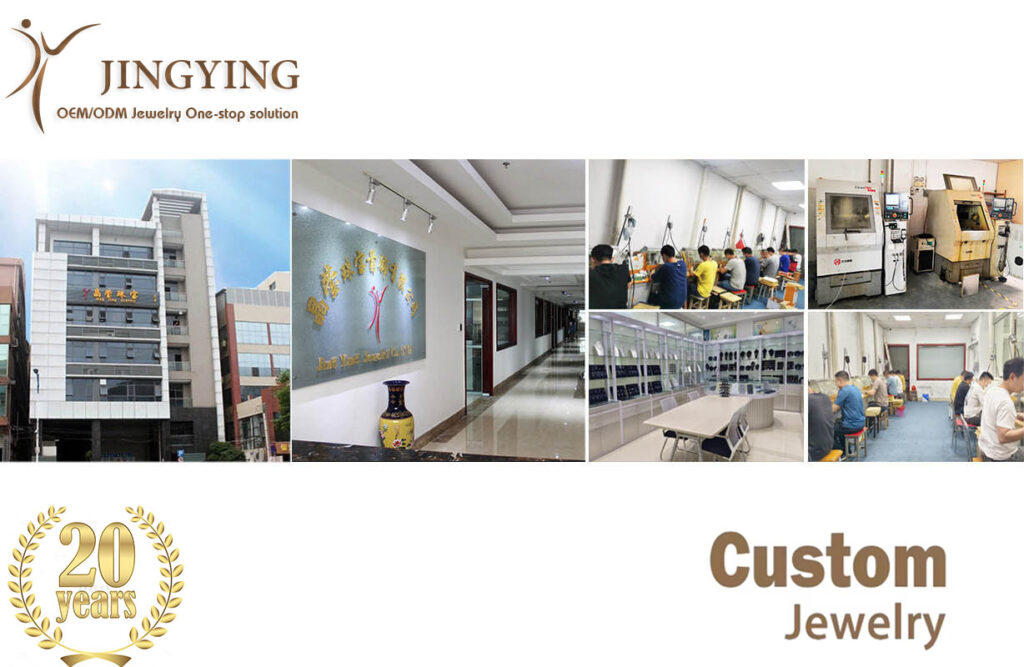
Výroba výjimečného zlatého rumělku je pečlivý proces, který spojuje letité řemeslo s moderní technologií. Je to alchymie přesnosti, trpělivost, a nekompromisní závazek kvality v každé jednotlivé fázi. Tato příručka poskytuje základní přehled celého procesu, podrobně popisují kritické kroky, běžná úskalí, a expertní techniky, které oddělují vynikající rumělku od průměrné.
I. Základní pilíře: Definování vysoce kvalitního zlatého vermeilu
Než se nakreslí první náčrt nebo se roztaví první unce stříbra, je nezbytné porozumět nesmlouvavým standardům, které právně a kvalitativně definují zlatou rumělku.
-
Základna: Sterling Silver (.925)
-
Standard: Autentická rumělka musí mít základ ze sterlingového stříbra, slitina sestávající z 92.5% čisté stříbro a 7.5% zpevňující kovy (obvykle měď). To je prvořadé. Obecné kovy jako mosaz, měď, nebo niklové stříbro jsou nepřijatelné. Mincovní stříbro poskytuje stabilitu, cenný, a hypoalergenní základ.
-
Proč záleží na kvalitě: Základní kov může obsahovat nečistoty a slitiny, které časem migrují na povrch, způsobuje změnu barvy pod zlatou vrstvou (fenomén známý jako “krvácející”). Stabilita mincovního stříbra tomu brání, zajišťující dlouhou životnost a celistvost zlatého povlaku.
-
-
Povlak: Silná zlatá vrstva
-
Standard: Zlatá vrstva musí být minimálně 2.5 mikrony (0.0025mm) tlustý. To je v mnoha zemích zákonná hranice, včetně Spojených států (podle pokynů FTC).
-
Proč záleží na kvalitě: Kvalitní výrobci toto minimum často překračují, nanášení vrstev 3.0, 5.0, nebo dokonce až 10 mikronů pro kusy, jako jsou prsteny, které vydrží značné opotřebení. Tloušťka je hlavním určujícím faktorem trvanlivosti. Silnější vrstva odolá každodennímu oděru, zachovat svou barvu, a zabraňují prosvítání podkladového stříbra (běžný problém známý jako “mosaz”) léta, ne měsíce.
-
-
Materiál: Vysoce karátové zlato
-
Standard: Pokovení musí být provedeno minimálně 10karátovým zlatem. Však, průmyslovým standardem pro vysoce kvalitní rumělku je 14-karátové nebo 18karátové zlato.
-
Proč záleží na kvalitě: Karat označuje ryzost zlaté slitiny. 18K zlato (75% ryzí zlato) má bohatší, hlouběji, and more authentic color than 14k (58.5%) or 10k (41.7%). Higher-karat gold is also less prone to tarnishing and offers a more luxurious appearance and feel. The choice of gold alloy color (žluť, růže, nebo bílá) also occurs here, with elements like copper, stříbro, or palladium used to create the desired hue.
-
Ii. Výrobní proces: A Step-by-Step Blueprint for Quality
The journey from concept to finished product is complex. Quality is not added at the end; it is baked into every single step.
Fáze 1: Design and Prototyping – The Blueprint for Success
-
Krok 1: Conceptualization and Technical Design: It begins with a design. For high-quality production, this must evolve from a simple sketch into a detailed tech pack. This document should specify exact dimensions, desired weight, velikosti kamenů (pokud je to možné), and finish types (vysoký lesk, Matte, texturovaný).
-
Krok 2: CAD modelování: A skilled CAD (Počítačový design) designer translates the tech pack into a precise 3D digital model. Toto je kritický kvalitativní krok. Software umožňuje zátěžové testování návrhu, zajištění strukturální integrity (NAPŘ., utrhne se ta tenká kauce?), a zdokonalování proporcí. Dobře navržený CAD model je první obranou proti výrobním chybám.
-
Krok 3: 3D Tisk a prototypování: Soubor CAD je odeslán na 3D tiskárnu s vysokým rozlišením, který vytváří resinový model návrhu. Tento prototyp je pečlivě vyčištěn a zkontrolován. Toto je fáze k zachycení a nápravě jakýchkoli konstrukčních nedostatků. Fyzický prototyp umožňuje návrháři posoudit pocit z kusu, měřítko, a funkčnost, než se zavážete k drahému lití kovů.
Fáze 2: Vytvoření nadace Sterling Silver Foundation
-
Krok 4: Výroba plísní (Proces ztraceného vosku):
-
Master Model: Schválený resinový model se používá k vytvoření hlavního kovového modelu.
-
Gumová forma: Tento master je umístěn v ocelovém rámu a kolem něj je vstřikována tekutá pryž a vulkanizována (zahřátý pod tlakem) k vytvoření odolné formy.
-
Vstřikování vosku: Po vyléčení, forma se rozřízne, mistr je odstraněn, a roztavený vosk se vstřikuje, aby se vytvořily četné voskové duplikáty (“vzory”) šperku.
-
-
Krok 5: Investice a obsazení:
-
Pružení a investování: Voskové vzory jsou pečlivě připevněny k centrálnímu vosku “strom.” Tento strom je umístěn v baňce a obklopen tekutou látkou podobnou sádře tzv “investice.”
-
Vyhoření: Baňka je umístěna v peci. Teplo zatavení ztvrdne a roztaví/vypálí veškerý vosk, zanechávající za sebou dokonalou negativní dutinu šperkového stromu.
-
Obsazení: Roztavené stříbro se nalévá do baňky pomocí odstředivých nebo vakuových licích strojů, vyplňující každý složitý detail dutiny.
-
-
Krok 6: Devestování a čištění: Po ochlazení, investiční hmota je odlomena, Odhalení drsného, stříbro “strom” s připojenými odlitými šperky. These pieces are cut from the tree and undergo initial cleaning in an ultrasonic cleaner or an acid pickle solution to remove oxidation and surface residue.
Fáze 3: The Art of Preparation – Pre-Plating Finishing
This is the single most important phase for achieving a high-quality final product. The mantra is: “The plating will only ever be as perfect as the surface it’s applied to.”
-
Krok 7: Pre-Polishing (The Foundation of the Shine):
-
Omílání: Pieces are often placed in a magnetic tumbler or rotary tumbler with stainless steel shot and burnishing compound. This process work-hardens the metal and removes minor surface imperfections, creating a uniform baseline finish.
-
Ruční leštění: This is where artisan skill becomes paramount. A master polisher uses a series of motorized wheels with progressively finer polishing compounds (NAPŘ., Tripoli, then Rouge) to hand-polish every millimeter of the piece. The goal is an absolute, flawless mirror finish.
-
Kontrola kvality: Each piece must be inspected under magnification. Any scratch, pit, pore, or imperfection in the silver will be amplified by the gold plating. If a flaw is found, the piece must be repolished. This step cannot be rushed.
-
-
Krok 8: Ultrasonic and Electrochemical Cleaning: After polishing, the pieces are saturated with polishing compound and oils from handling. They must be immaculately clean for the gold to adhere properly.
-
Ultrasonic Clean: Pieces are placed in an ultrasonic cleaner with a specialized alkaline solution. High-frequency sound waves create cavitation bubbles that scrub away microscopic contaminants.
-
Oplachování: Thorough rinsing in distilled water prevents contaminant transfer between baths.
-
Elektročištění: The pieces are submerged in an electrocleaner bath and subjected to a reverse current. This removes the final, most stubborn layer of impurities at a molecular level.
-
Final Rinse: A second rinse in distilled water ensures no cleaning solution remains.
-
Fáze 4: The Transformation – The Electroplating Process
-
Krok 9: The Plating Bath Setup: Čisté, negatively charged jewelry pieces (the cathode) are mounted onto a plating rack (usually titanium or brass). They are immersed in an electrolyte solution containing ions of the chosen gold alloy (NAPŘ., 18k rose gold).
-
Krok 10: Elektroplatování: A positive current is applied via an anode (often a stainless steel or platinum mesh). This current attracts the positively charged gold ions to the negatively charged jewelry, where they bond metallurgically to the silver surface.
-
Controlling Quality: The key variables here are:
-
Proudová hustota: Precisely controlled to ensure an even deposit across the entire piece, including edges and crevices.
-
Čas: This directly controls thickness. To achieve a high-quality 3-5 micron layer, the process can take 20 na 60 minutes or more, far longer than the few minutes used for standard plating.
-
Chemie roztoků: The temperature, pH, and gold concentration of the bath must be meticulously maintained and regularly tested.
-
-
-
Krok 11: Oplachování a sušení: The plated pieces are immediately rinsed in distilled water to stop the chemical process and then dried with warm, filtered, compressed air to prevent water spots.
Fáze 5: Final Assembly and Rigorous Quality Control
-
Krok 12: Dokončení po pokovení: Some pieces may receive a light final polish with a very gentle compound to bring up the luster, though this is done sparingly to avoid wearing through the gold layer. Textured or brushed finishes are also applied at this stage.
-
Krok 13: Nastavení kamene (Pokud je to možné): For high-quality vermeil, gemstones are almost always set po proces pokovování. This protects the stones from chemical and thermal damage during plating and ensures the prongs or bezels are also plated, creating a seamless look without a silver core showing.
-
Krok 14: Přísná kontrola kvality (QC): This is the final gatekeeper. Every single piece must undergo rigorous inspection.
-
Vizuální kontrola: Under 10x magnification or a microscope, inspectors check for plating defects: pórovitost, darkness, krvácející, barevná konzistence, a celkové provedení.
-
Ověření tloušťky: Spot-checking using an Rentgenová fluorescence (Xrf) gun is essential. This non-destructive tool accurately measures the gold thickness, ensuring it meets the specified minimum (NAPŘ., 2.5+ mikrony).
-
Test funkčnosti: Clasps are opened and closed hundreds of times. Jump rings are tested for strength. Everything is checked for security and wearability.
-
-
Krok 15: Anti-Tarnish Treatment and Packaging: Approved pieces are often dipped in a protective anti-tarnish solution (NAPŘ., Renaissance Wax) to slow oxidation. They are then packaged in acid-free, anti-tarnish tissue or sealed bags to ensure they reach the customer in pristine condition.
Iii. Beyond the Process: The Mindset of a Quality Manufacturer
The steps above provide the framework, but the ethos behind them defines true quality.
-
Prověřování dodavatelů: A quality manufacturer sources high-grade materials: .925 silver grain, high-purity gold plating salts from reputable suppliers, and well-cut gemstones.
-
Investice do technologie: Using modern, well-maintained equipment—from high-resolution 3D printers to controlled plating rectifiers and XRF guns—is non-negotiable.
-
Zruční řemeslníci: The polishers, platers, and setters are craftspeople. Jejich odbornost, honed over years, is the most valuable asset in the factory. Investing in their skill is investing in the product.
-
Transparency and Ethics: A high-quality manufacturer is proud of their process and will be transparent about their standards, materiály, and practices. This often extends to commitments to ethical labor and environmental practices, such as proper filtration and recycling of plating waste.
IV. Common Pitfalls and How to Avoid Them
-
Failure: Peeling or Flaking Gold
-
Příčina: Poor adhesion due to inadequate cleaning or polishing before plating.
-
Řešení: Meticulous adherence to the cleaning and electrocleaning process. Never skip steps or cut corners.
-
-
Failure: Rapid Tarnishing or “Brassing”
-
Příčina: A gold layer that is too thin or porous, allowing air and moisture to reach the silver base.
-
Řešení: strictly control plating time and current density to ensure a minimum 2.5-micron thickness, ideally higher. Use an anti-tarnish treatment.
-
-
Failure: Inconsistent or Patchy Color
-
Příčina: Contaminated plating solution, uneven current density, or poor racking causing “hot spots.”
-
Řešení: Regular filtration and analysis of plating baths. Proper racking technique and anode placement to ensure an even current distribution.
-
-
Failure: Scratches Visible Under the Gold
-
Příčina: Inadequate pre-polishing. The silver surface was not perfectly smooth.
-
Řešení: Implement a multi-stage polishing process with strict QC checkpoints before plating.
-
Závěr: The Mark of True Quality
Manufacturing high-quality gold vermeil jewelry is a demanding discipline. It requires a profound respect for the materials, a mastery of the processes, and an unwavering dedication to excellence that extends from the initial design to the final packaging. It is not a way to make a cheaper product; it is a way to create a truly valuable one—a piece that offers the beauty and longevity of solid gold with intelligent and ethical craftsmanship.
Pro návrháře, značka, or consumer, understanding this intricate process empowers them to ask the right questions: “What is the gold thickness?” “Can you provide XRF reports?” “Where and how is this manufactured?” The answers to these questions reveal the true value and integrity behind the piece, separating authentic, heirloom-quality vermeil from a mere imitation. Nakonec, high-quality gold vermeil is not just jewelry; it is wearable proof that luxury and value can, indeed, be flawlessly united.