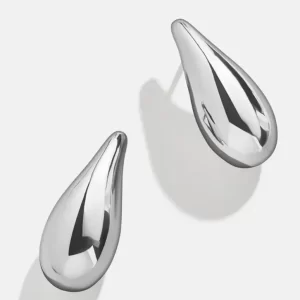
Джинканг : Фирми за масово персонализиране на обеци Ella
OEM/ODM Производител на бижута Дизайн Персонализирайте вашите собствени бижута
Нека започнем : mo@kingjy.com
JINGYING and the Ella Earrings: A Study in Mass Customization
Въведение
The jewelry industry, long defined by tradition, майсторство, и изключителност, finds itself at a critical crossroads. On one side, heritage houses protect century-old designs; от другата, a new generation of consumers demands personalization, скорост, and transparency. This tension has given rise to a powerful business strategy: масово персонализиране. This article examines the concept through two distinct lenses: the "Ella Earrings," a product name shared across multiple artisanal brands, and JINGYING, a Chinese jewelry manufacturer that exemplifies the industrial backbone enabling customization at scale.
The Consumer-Facing Ella Earrings: A Tale of Two Products
Името "Ella Earrings" appears across the luxury accessory market, but its meaning shifts dramatically depending on the brand. At Jennifer Behr, the Ella Earring is a delicate, ready-to-wear piece featuring "two butterflies with lifelike engraved details," crafted by hand in New York from gold-tone plated brass . This version is sold as a finished product with standardized sizing and limited customization beyond standard retail options.
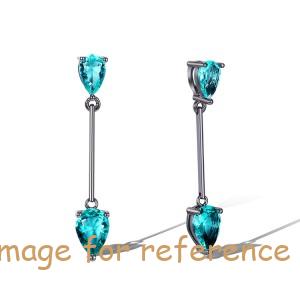
В контраст, Bounkit offers an entirely different proposition. Their Ella Earrings, priced at over $600, са "handcrafted and fully customized" с "tassel removable bottom[s]" . Bounkit explicitly invites customers to co-create: "Every piece is individually designed and made to order, providing you with the creative freedom to bring your vision to life" . По същия начин, Australian brand Tania Maras offers an "Ела" pearl earring that can be "customised to suit you," with modifications to size and details discussed on a case-by-case basis .
These examples illustrate the spectrum of customization in the jewelry sector. At one end lies the "configure-to-order" модел (Jennifer Behr), където продуктът е фиксиран, но производството се прави по поръчка. В другия се крие "съвместен дизайн" модел (Bounkit, Tania Maras), където клиентът пряко влияе върху дизайна. И двете са форми на масово персонализиране, но те изискват значително различни възможности на веригата за доставки .
Джинканг: OEM/ODM машината зад персонализирането
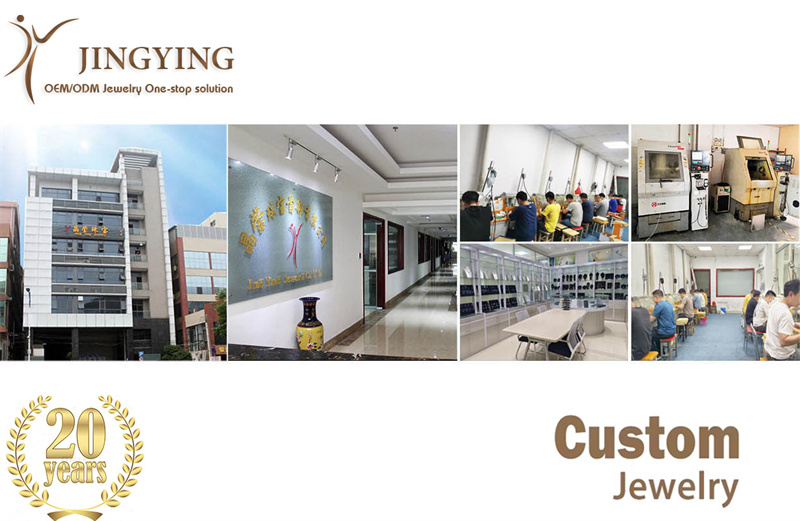
Ако марки като Bounkit представляват публичното лице на персонализирането, Джикащи бижута представлява скритата инфраструктура. Установено в 1998, JINGYING е базиран в Гуанджоу производител, който предлага OEM/ODM на едно гише (Оригинален производител на оборудване / Производител на оригинален дизайн) услуги . Те не продават директно на потребителите; вместо това, те позволяват на други марки да предлагат бижута по поръчка.
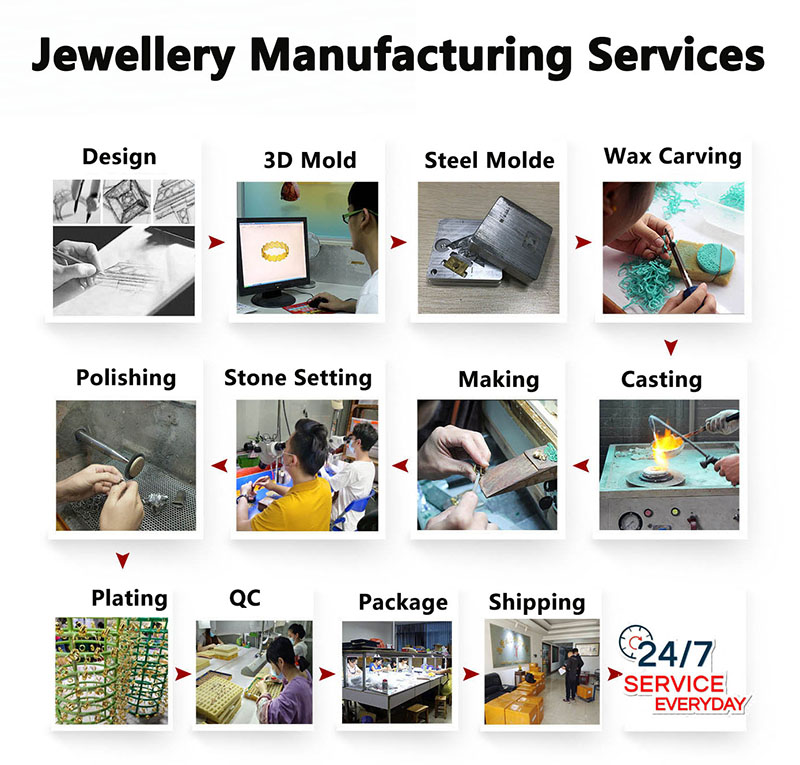
Основната способност на JINGYING се крие в гъвкавостта на материала. Те произвеждат в "мед позлатен, Стерлинг сребро (925) позлатен, и потенциално опции за масивно злато," включително 9K, 10K, 14K, и 18K злато . Това позволява на марка като Bounkit да предлага на клиентите избор от тип метал, покритие, и облицовка на камъни без да притежавате леярна. Услугата на JINGYING изрично включва възможността за "създайте страхотна колекция от художествени бижута в изработката на фини бижута, като използвате само вашите мисли, снимки, или CAD проекти" .
This is the essence of the "маса" in mass customization. JINGYING leverages over two decades of experience and a scalable factory setup to produce small batches (or even single pieces) на конкурентни цени . They absorb the complexity of material sourcing, кастинг, покритие, и контрол на качеството, allowing brands to focus on design, Маркетинг, and customer interaction.
Technology as an Enabler: From CAD to 3D Printing
The technical feasibility of mass customization in jewelry has advanced dramatically through digital technologies. Research on the "Jewelcodesign" concept highlights how "масово персонализиране, social networking, ecommerce and rapid manufacturing (a.k.a. 3D Печата) were applied in a context of precious jewellery" . The study found that customers "enjoyed the codesign experience" and were "pleasantly surprised with their designs" .
More recent academic work on computational design and additive manufacturing demonstrates how "клиенти, които искат сами да персонализират артикулите" може да модифицира цифрови модели, позволяващ "нов, ангажиране, и интерактивно пазаруване" . Този процес често включва създаване на CAD модел, който може да бъде "3D, отпечатан с восък и излят от благороден метал по избор" . JINGYING изрично кани клиентите да представят "CAD проекти" за производство , което показва, че те са интегрирани в този цифров работен процес.
Друга важна концепция е предварителното сглобяване, което включва "изпращане на продукти веднага след получаване на клиентски поръчки" . Докато марки като Bounkit правят парчета "изработени по поръчка" от нулата , Ролята на JINGYING вероятно включва поддържане на степен на модулност в производството. Предварително сглобени компоненти (e.g., общи настройки или вериги) може бързо да се персонализира със специфични камъни, гравюри, или завършва, намаляване на времето за изпълнение на крайния клиент .
The "Ела" Случай: Рамка за анализ
Несъответствието между обеците Jennifer Behr Ella и Bounkit Ella Earrings не е просто въпрос на стил; това е отражение на модела на веригата за доставки. Версията на Jennifer Behr е стандартизиран SKU, произведен в по-големи партиди, вероятно с традиционен производствен партньор. Версията на Bounkit, обаче, разчита на партньор като JINGYING или подобен високогъвкав OEM.
Като предлага персонализиране, Bounkit може да увеличи възприеманата стойност на техния продукт ($608.88 vs. На Дженифър Бер $198) като същевременно управляват риска от инвентара - те правят всяко парче след направена поръчка . Това е класическо приложение на теорията за масовата персонализация: отлагане. Способността на JINGYING да превключва между материалите (злато, сребро, Мед) и процеси (кастинг, покритие, определяне на камък) позволява на Bounkit да предлага "tassel removable bottom" и "дизайн, вдъхновен от винтидж и арт деко" което определя техния уникален продукт .
Заключение
The case of the Ella Earrings and JINGYING Jewelry reveals that mass customization in the jewelry industry is not a single process but a collaborative ecosystem. It relies on:
-
Brand Intermediaries (Bounkit, Tania Maras) that curate the customer experience and collect customization requests.
-
Manufacturing Partners (Джинканг) that provide the material expertise, flexible production lines, and digital integration (CAD/CAM) necessary to execute those requests at scale.
-
технология (3D Печата, computational design) that lowers the cost of producing unique geometries.
За потребителя, this means the Ella Earrings can be a fixed-price luxury good or a unique, co-created heirloom. For the industry, it signals a shift from "made to stock" да "изработени по поръчка"—a shift where companies like JINGYING are not just suppliers but strategic partners in the personalization economy. As one study noted, mass customization allows "по-подробно управление на разходите и цените," което е от съществено значение за рентабилността . Бъдещето на лукса не е в еднообразието, но в способността да доставя индивидуалност - ефективно, красиво, и в мащаб.