
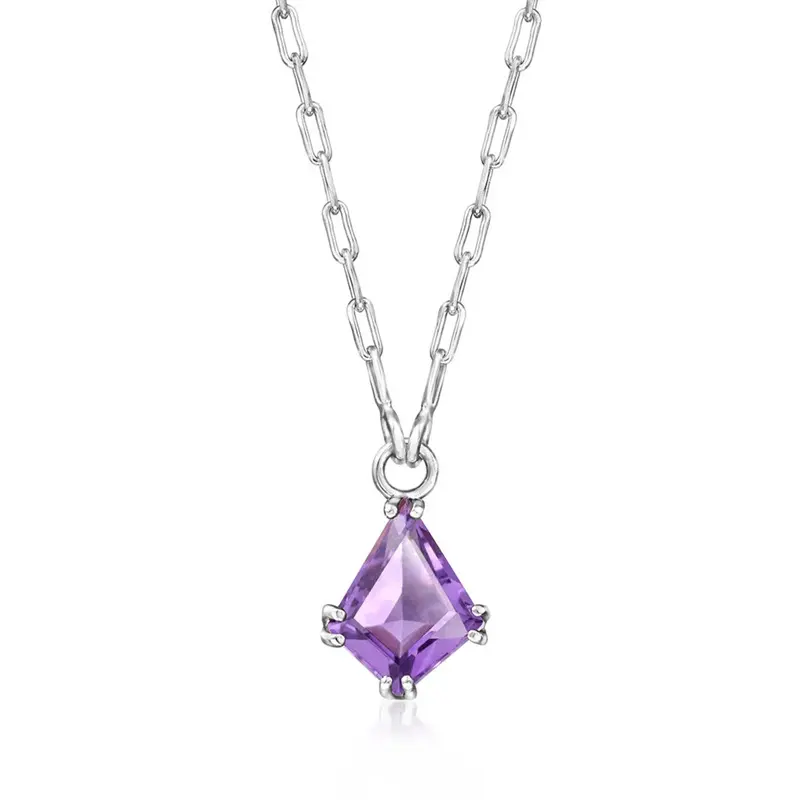
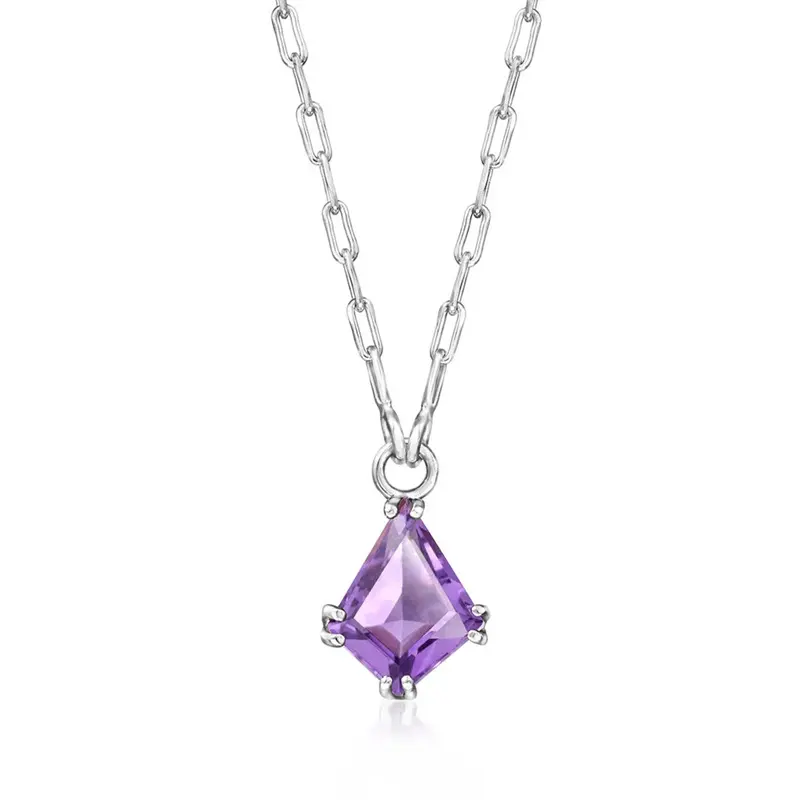
Jingying : Die pasgemaakte vervaardiger van gevormde Amethyst Paper Clip Link-ketting in Sterling Silwer
OEM/ODM -juweliersware Vervaardiger Ontwerp Custom U eie juweliersware
Kom ons begin : mo@kingjy.com
Ingenieurs Elegansie: 'n Tegniese Gids vir die vervaardiging van gevormde Ametis Paperclip Link Halssnoere in Sterling Silwer by JINGYING
1. Bekendstelling: Die JINGYING-vervaardiging-ekosisteem
In die kontemporêre juwelierswaremark, die konvergensie van geometriese minimalisme en organiese edelsteen-aksent het die aangedryf paperclip skakel halssnoer tot ikoniese status. Anders as tradisionele tou- of kabelkettings, die langwerpige, ovaal skakels van die paperclip ketting bied 'n moderne, argitektoniese doek. Wanneer dit gekombineer word met die fluweelagtige pers skakerings van gevormde Ametis—spesifiek reghoekig (Bv., 6x8mm), agthoek, of hartvormige snitte - die resultaat is 'n stuk wat industriële sjiek balanseer met luukse juweliersware .
Om so 'n stuk op skaal te vervaardig, verg meer as net vakmanskap; dit vereis presisie-ingenieurswese, streng metallurgiese beheer, en naatlose werkvloei-integrasie. JINGYING Juweliersware, met meer as twee dekades van vertikale integrasie, bied 'n eie ekosisteem wat spesifiek vir hierdie taak ontwerp is . Deur ontwerp te konsolideer, gietstuk, klipinstelling, en afwerking onder een dak, JINGYING versag die risiko's van verkoperfragmentasie - soos nie-ooreenstemmende legerings of soldeernaat mislukking - om te verseker dat die finale "Gevormde Amethyst Paper Clip Link Ketting" voldoen aan internasionale duursaamheid en estetiese standaarde.
Hierdie gids beskryf die tegniese standaard bedryfsprosedures (Sop) vir die vervaardiging van hierdie spesifieke SKU, gebruik te maak van JINGYING se eenstopoplossing om vir kwaliteit te optimaliseer, Koste-doeltreffendheid, en strukturele integriteit .
2. Fase I: Ontwerp & Tegniese Argitektuur (CAD na Hars)
Die eerste fase behels die vertaling van die artistieke konsep in 'n vervaardigbare bloudruk. Anders as selfdoen-handwerk waar skuifspelde eenvoudig met die hand gebuig word, fyn juweliersware vereis absolute eenvormigheid in skakelgeometrie en tandplasing .
2.1 CAD -modellering & Skakel Meetkunde
By Jingying, ontwerpers begin deur die kettingparameters in Rhino 3D of MatrixGold in te voer. Vir 'n standaard 16-duim-ketting met 'n 2-duim-verlenger, die CAD-span modelleer die "skuifspeld" skakels - tipies meet 4 mm x 1,6 mm in draadmaat - met 'n presiese 7 skakels per duim verhouding . Die sagteware bereken die strespunte waar die ametis hangertjie sal heg. For bezel-set heart amethysts (10x10 mm) of tand-set agthoeke, die CAD-model integreer 'n verborge borgtog of versterkte springringberg in die sentrale skakel om die te ondersteun 2.5 tot 3 karaat gewig van die klip sonder om met verloop van tyd te vervorm .
2.2 Strukturele optimering
'N Algemene mislukking in skuifspelde kettings is die "stretching" van die skakels. JINGYING se ingenieurspan pas die CAD-lêer aan om te verseker dat die aspekverhouding (breedte vs. dikte) van die 925 Sterling silwer skakels is voldoende om trektoetse te weerstaan. Die hangerskakel is gemodelleer met 'n 20% dikker deursnit as die kettingskakels om as 'n lasdraende anker op te tree.
2.3 Prototipering (SLA 3D Printing)
Voordat metaal gegiet word, die ontwerp word gerealiseer as 'n hoë-resolusie hars prototipe wat gebruik maak van SLA/DLP tegnologie . Hierdie "was" model stel die QC-span in staat om die tasbare gevoel van die skuifspeldrande te inspekteer - om te verseker dat hulle glad is, maar nie te afgerond nie - en die pas van die ametissteen te verifieer. Slegs na goedkeuring van die hars "lyk soos, werk-agtig" model beweeg die projek na gereedskap .
3. Fase II: Materiaal verkry & Vormskepping
3.1 Metaal & Edelsteenverifikasie
JINGYING gebruik streng materiaalwetenskap protokolle. Die 925 Sterling Silwer word geverifieer via X-straal fluoressensie (Xrf) toetse om voldoening aan wetlike kenmerkstandaarde te verseker (92.5% suiwer silwer, 7.5% koperlegering), wat krities is vir die legering se vloeibaarheid tydens giet .
Vir die middelpunt, gemoloë staaf die Ametis (Februarie geboortesteen). Of jy nou 'n 6x8 mm reghoekige wit topaasrand ametis of 'n 10 mm hartvormige cabochon kry, elke klip word geskandeer vir insluitings wat breuk kan veroorsaak tydens set .
3.2 Rubbervormproduksie
Vir hoëvolume produksielopies (50+ eenhede), JINGYING skep 'n gevulkaniseerde rubber vorm. Die goedgekeurde meestermodel word onder hoë hitte in ongeharde rubber gedruk. Sodra dit genees is, die vorm word gesny om 'n spuitstelsel te skep, wat die inspuiting van was moontlik maak om veelvuldige te skep "bome" van skuifspeldkettings gelyktydig, verseker dat elke skakel identies is aan die laaste .
4. Fase III: Die gietproses (Lost-Wax)
Dit is die transformasie van was na soliede metaal. JINGYING maak gebruik van vakuum-ondersteunde of sentrifugale gietwerk om porositeit uit te skakel.
-
Wasinspuiting: Verhitte was word in die rubbervorm ingespuit, die skep van dosyne replikas van die skuifspeld-ketting en hanger-omstelling.
-
Boomsamestelling: Die wasreplikas is aan 'n sentrale wasspruit vasgemaak, vorming a "boom."
-
Belegging: Die wasboom word in 'n fles geplaas en bedek met 'n gipsgebaseerde belegging (gips). Dit verhard om die was.
-
Uitbranding: Die fles word in 'n oond verhit (ongeveer. 1350°F). Die was smelt weg ("verlore was"), laat 'n perfekte holte in die vorm van die juweliersware.
-
Gietstuk: Gesmel 925 Sterling silwer word in die holte gedwing deur middel van sentrifugale krag of vakuumsuiging.
Die resultaat is 'n rou metaal "boom" van skuifspeld kettings en hangertjies. Die metaalstruktuur is effens smeebaar - perfek vir die volgende fase .
5. Fase IV: Kettingsamestelling & Klipinstelling
Sodra die metaal afgekoel is en uit die boom gesny is, die samekoms begin. Dit is die mees kritieke stadium vir die "Papierknipper" estetiese.
5.1 Skakelvoorbereiding
Terwyl eenvoudige skuifspeld-kettings met die hand met 'n tang saamgestel kan word (soos in DIY handwerk), fyn juweliersware eise laser sweiswerk van die skakels . By Jingying, elke ovaalskakel word uit die gegote strook gesny. Die punte van die skakel word saamgebring en met 'n lasersweiser saamgesmelt. This creates a seamless, geslote skakel wat nie onder spanning sal oopmaak nie, anders as massavervaardigde springringe wat uitmekaar kan draai. Die skakels word dan getuimel om brame te verwyder.
5.2 Die Hanger Vergadering
Die Bezel-instelling (Hartvorm): As die ontwerp 'n hartvormige ametis is (Bv., Rosabella-styl), die klip word in sy silwer kraag geplaas. Gebruik 'n ringrol of wip-gereedskap, die tegnikus druk die fyn silwer muur versigtig oor die rand van die ametis, dit te beveilig sonder die behoefte aan tande .
Die Prong-instelling (Agthoek / Reghoek): Vir geometriese ametiste met wit topaas-halo's, die proses is meer kompleks. Die ametis (6x8mm) sit in 'n voorafgegote mandjie. Met behulp van 'n graver, die tegnikus lig die silwer tande oor die kroon van die klip. Daarna, 24 round white topaz stones are set via Plaveiinstelling. 'n Klein kraaltjie silwer word oor elke 1,2 mm topaas gelig om dit gelyk te hou met die rand van die ametis .
5.3 Verbind ketting met hanger
Die laaste skakel in die ketting word oopgemaak (sywaarts gedraai, uitmekaar getrek nie) gebruik nylon-punttang om te verhoed dat die rodiumafwerking gekrap word. Dit word deur die borgtog van die ametis-hangertjie geryg en weer in vorm toegemaak. Die kreefsluiting en verlengingsketting word aan die punte geheg met gesoldeer springringe vir sekuriteit .
6. Fase V: Afwerking & Plee
Rou sterling silwer verkleur wanneer dit aan lug blootgestel word. Om die hoë-politoer te bereik, wit glans van moderne skuifspeld halssnoere, JINGYING gebruik 'n multi-stap-afwerkingslyn .
-
Voor-polisering: Die saamgestelde halssnoer is gemonteer op 'n roterende loop gevul met vlekvrye staal skoot (mikropolering). Dit verkleur die silwer tot 'n lae glans en verhard die oppervlak.
-
Handpoleer: Tegnici gebruik 'n viltpoetswiel met rouge verbinding om die splete van die skuifspeldskakels en die fasette van die hangertjie te bereik.
-
Rodiumplaat: Die hele halssnoer is geëlektroplateer met 'n mikrolaag Rhodium—'n platinumgroepmetaal. Dit gee die halssnoer sy briljante wit weerkaatsing en dien as 'n permanente skild teen verkleuring. Dit is 'n kenmerkende stap vir JINGYING se silwer versamelings .
7. Fase VI: Kwaliteitskontrole (QC) & Versekering
Voor verpakking, die halssnoer ondergaan JINGYING's 7-Punt Inspeksie Kontrolelys .
-
X-straalbeelding: 'n Ewekansige monster uit die bondel word X-strale om te kyk vir mikroporositeit binne die gietstuk wat die skakels kan verswak.
-
Trek toets: Die sluiting en skakels word aan 'n tensiometer onderwerp om te verifieer dat hulle die gewig van die ametis kan weerstaan sonder vervorming.
-
Vergrote visuele inspeksie (10x): Inspekteurs kyk na "brame" op die skuifspelde skakels wat klere of hare kan vashaak.
-
Klip sekuriteit: Die ametis word met 'n karbiedgereedskap ondersoek om te verseker dat dit nie skud of skuif in die instelling nie. For the pave topaz, n "krap toets" verseker dat geen klippe los is nie .
-
Sonkragweerstand: 'n Soutsproeitoets verseker dat die rodiumplaat eenvormig en vry van speldegate is.
8. Voorsieningsketting & Verpakking
In teenstelling met die hantering van afsonderlike verkopers vir kettings, klippe, en platering, JINGYING stuur die finale produk gereed vir kleinhandel.
-
Loodtyd: Standaard produksie vir 100 eenhede van die Shaped Amethyst Paperclip Halssnoer gemiddeldes 25-35 dae .
-
Verpakking: Die halssnoere word in luukse bokse met 'n pasgemaakte handelsmerk geplaas met anti-verkleurstroke. Elke stuk word gestuur met 'n Kenmerkverifikasie sertifisering van die metaalsuiwerheid (925) en die egte aard van die Ametis .
9. Konklusie
Die vervaardiging van 'n Gevormde Amethyst Paper Clip Link-ketting in Sterling Silwer is 'n simfonie van presisie-ingenieurswese en artistieke visie. By Jingying, die proses transformeer grondstowwe deur 'n streng beheerde lus van CAD-ontwerp, outomatiese gietwerk, laser samestelling, deskundige klipsetting, en rhodiumafwerking.
Deur JINGYING se eenstopoplossing te gebruik, ontwerpers skakel die logistieke nagmerrie uit om afsonderlike fabrieke vir die ketting te bestuur, die sluiting, en die klipsetting. Die resultaat is 'n "gereed om te versend" halssnoer wat die duursaamheid van 'n geslote skakelketting bied, die sekuriteit van 'n professionele ring/tand-instelling, en die hoë-politoer afwerking van rhodium, verseker dat die Februarie geboortesteen veilig en briljant bly binne sy argitektoniese silwer raam .